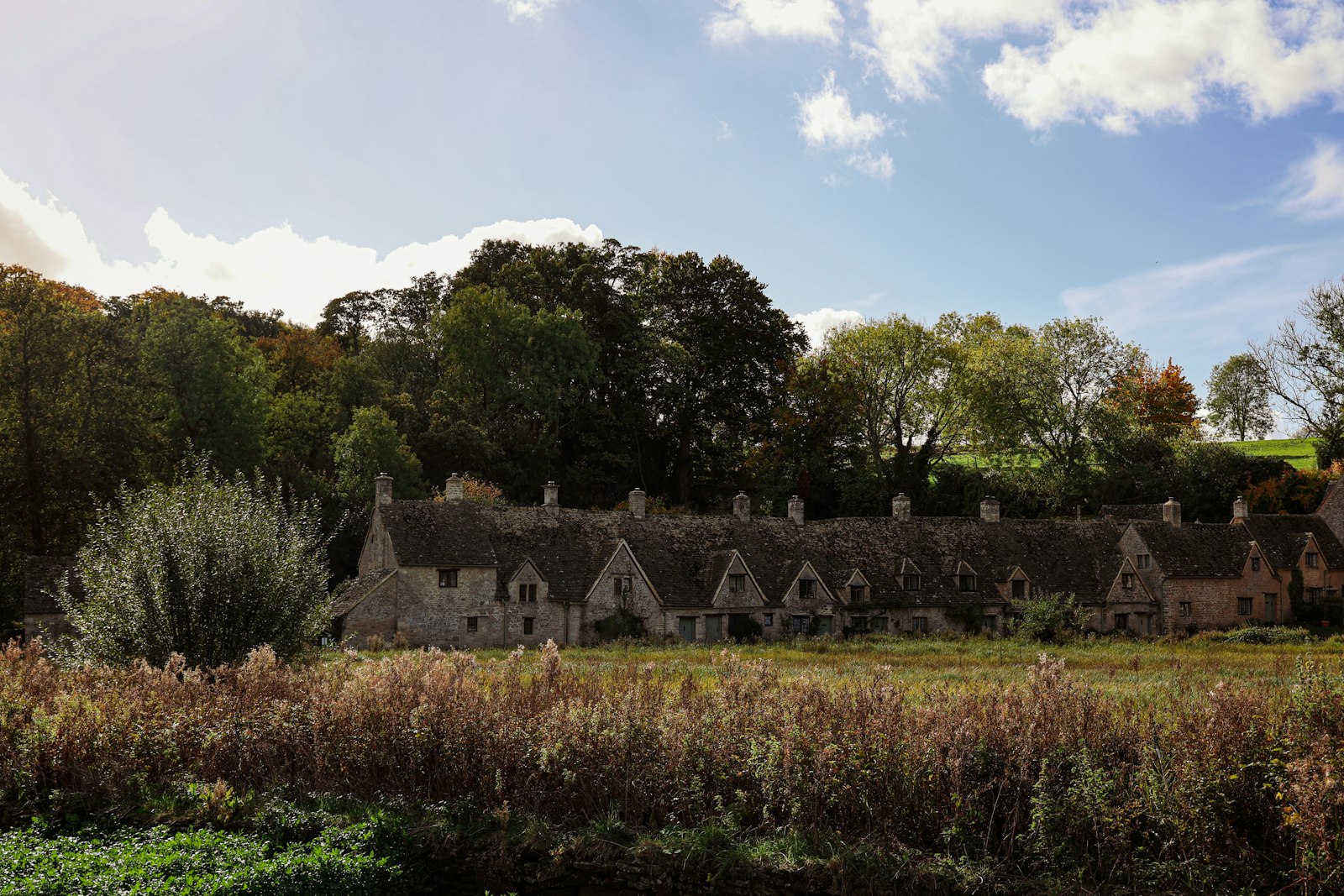
The Garden as National Identity
To understand Britain, you must understand that gardens are not merely hobbies—they’re a fundamental expression of British identity, class, aspiration, and spiritual values. The British garden isn’t just about plants and flowers; it’s about control, beauty, belonging, and the relationship between civilization and nature.
This cultural obsession runs deeper than mere hobby enthusiasm. Gardening connects to English Romanticism, Victorian aspirations, post-war recovery, class expression, and a deep psychological relationship with the natural world. It would be difficult to overstate gardening’s centrality to British culture.
The stereotype that British people love talking about the weather is true, but gardening is what they actually think about intensely. While Americans might discuss home renovations or car upgrades, Brits discuss their border plantings, struggle with aphids, and argue about the best time to plant spring bulbs with the intensity of sports fans.
The English Garden Tradition
The “English garden” is a distinct aesthetic concept, quite different from formal French gardens or Italian parterres. English gardens aspire to look natural while being entirely designed—a carefully orchestrated wilderness. The paradox is intentional: the English garden should appear effortlessly beautiful while requiring enormous effort.
Key characteristics of the English garden include:
Naturalistic Planting. Rather than geometric formal beds, plantings appear random but are carefully orchestrated. Perennials sprawl over stone edges. Shrubs create “natural” layers.
Evergreen Structure. Year-round interest through evergreen hedging, yew, and box provides structure beneath seasonal flowers.
Water Features. A ha-ha (a sunken boundary allowing unobstructed views), pond, or stream creates depth and interest without obvious boundaries.
Secret Gardens and “Rooms.” Hedges and walls divide gardens into distinct spaces, each with its own character. You discover spaces as you move through the garden.
Mixed Plantings. Vegetables, flowers, shrubs, and trees grow together rather than in segregated areas. Kitchen gardens blend with ornamental plantings.
Romanticism. Gardens should inspire emotion and contemplation. A bench should face a particularly beautiful view. A rambling rose should cover an old wall picturesquely.
The English garden tradition developed through the 18th and 19th centuries, influenced by landscape painters and Romantic poets. It represents an idealized relationship with nature—not the raw wilderness, but nature refined by human sensibility.
Chelsea Flower Show: The Gardening Olympics
The Royal Horticultural Society’s Chelsea Flower Show, held every May in London, is the most prestigious gardening competition in the world. For five days, the Royal Hospital Chelsea grounds fill with extraordinary show gardens created by designers, nurseries, and plant specialists.
For Americans, Chelsea is roughly equivalent to the Academy Awards for gardening, crossed with the most elaborate craft fair imaginable. It draws royalty, celebrities, journalists, and serious gardeners. Tickets are nearly impossible to obtain (corporate buyers and RHS members get priority).
But Chelsea’s significance extends beyond the show itself. Winning medals at Chelsea (Gold, Silver-Gilt, Silver) provides extraordinary marketing and prestige. Nurseries that win at Chelsea see their plants sell out. Designers gain international reputation. The show launches plant trends—varieties that appear at Chelsea become fashionable nationwide.
For those who attend, Chelsea is essentially a pilgrimage. Garden writers spend weeks analyzing the designs. Visitors study individual plants and photographing details for their own gardens. The show represents the height of British garden ambition.
The National Garden Scheme: Opening Private Gates
The National Garden Scheme invites approximately 3,500 private gardens to open to the public for charity on specific days throughout the year. This means that thousands of ordinary British people—not just stately homes and famous estates—show off their gardens to strangers, raising money for charity.
This is a peculiarly British phenomenon. The gardens are typically lovely but not professional show-stoppers—they’re the gardens of enthusiasts, professionals, and people who simply take their gardens seriously. You might tour a 1/4-acre suburban garden or a sprawling country estate.
The Yellow Book (literally a yellow-colored guide) lists participating gardens by region and date. Opening day, locals descend on participating gardens, homemade cakes appear on tables, and plant sales raise additional funds. It’s community, charity, and gardening combined.
For visitors, opening days provide genuine access to the British gardening impulse—not the extraordinarily wealthy or famous, but the regular garden enthusiasts who represent mainstream British gardening culture.
Allotments: Democracy in Vegetable Form
An allotment is a small plot of land rented to individuals for growing vegetables and fruit. Allotments are deeply embedded in British culture—they exist in cities and towns, maintained by local councils, with waiting lists that can stretch years.
Allotments originated as a way to provide poor families with land to grow food. They evolved into a cherished institution representing democracy, community, self-sufficiency, and escape from urban life. An allotment holder (called an “allotmenteer”) has a tiny kingdom where they can create, grow, and withdraw from the world.
Allotment culture is vibrant. Plot holders form communities, share tips, celebrate harvests, and defend allotments fiercely from development. During the COVID-19 pandemic, allotments became crucial for mental health and food production. Waiting lists exploded.
Allotments represent a distinctly British relationship with land and nature: everyone deserves access to growing things, even if they don’t own property. They’re political (asserting everyone’s right to grow food), practical (providing vegetables), spiritual (offering mental health and connection to nature), and community-based (built on neighborly sharing).
National Trust Gardens: Heritage and Public Access
The National Trust is a conservation charity that owns and maintains thousands of properties, including many of Britain’s most significant gardens. Places like Hidcote, Vita Sackville-West’s Sissinghurst, and Stowe represent different gardening traditions and styles.
The National Trust’s mission includes preserving gardens as heritage. Historic gardens are maintained as they were designed, demonstrating different periods and styles. For garden enthusiasts, visiting National Trust gardens is like visiting art museums.
These gardens are open to the public (for a fee), making them accessible to anyone. A Sunday walk around a National Trust garden represents quintessential British leisure—a modest family outing combined with education and cultural engagement.
Kew Gardens: The Botanical Institution
The Royal Botanic Gardens at Kew (Kew Gardens) in west London is simultaneously a research institution, tourist attraction, and global repository of plant diversity. It contains over 50,000 plant species and is one of the world’s most important botanical gardens.
Kew combines scientific mission with public experience. Visitors see plant collections organized by geography and function. The Victorian glasshouses—Palm House, Temperate House, Princess of Wales Conservatory—contain plants from around the world. The Treetop Walk offers views through the canopy.
For botanists and plant enthusiasts, Kew is essential. For casual visitors, it’s a beautiful garden combined with a world-class educational experience. It represents how seriously Britain takes plants and plant conservation.
Gardeners’ World: Television and the Gardening Conversation
The BBC’s “Gardeners’ World,” running since 1968, has been central to democratizing gardening expertise. The show features presenters demonstrating techniques in their own gardens, discussing seasonal tasks, and providing practical advice.
For generations of British gardeners, “Gardeners’ World” provided the year’s gardening calendar. What to plant in spring, how to deal with pests in summer, preparing for winter—the show became the reference point.
This reflects broader British television engagement with gardening. There are multiple gardening programs, gardening experts on morning shows, and gardening content throughout the year. This media attention reinforces gardening’s cultural centrality.
For Americans, the intensity of British gardening media coverage is striking. Gardening deserves its own television program running for 50+ years, not as a niche hobby program but as mainstream broadcasting.
Garden Centers: The British Social Outing
Garden centers in Britain function as more than retail spaces—they’re social destinations. A trip to the garden center is a weekend outing, like visiting a mall. People browse plants, examine seeds, look at garden furniture, get coffee, and browse the gift section.
Major garden centers are enormous, combining plant sales, tools and supplies, outdoor furniture, cafes, and gift shops. They’re particularly busy on Saturday mornings, when extended families descend to pick out plants for spring or to plan garden renovations.
This represents gardening’s integration into everyday life. Visiting the garden center is normal weekend leisure activity, as ordinary as getting groceries, yet carrying the pleasure of anticipating future garden beauty.
Cottage Gardens: Romantic Abundance
The cottage garden aesthetic—a seemingly haphazard abundance of traditional flowers, herbs, vegetables, and shrubs—represents an idealized rural British gardening tradition. In reality, cottage gardens are carefully managed, but they’re designed to appear natural and abundant.
The cottage garden celebrates:
- Traditional plants (roses, delphiniums, hollyhocks, lavender, herbs)
- Dense plantings with no bare soil
- Flowering for the entire season
- Mixing ornamental and productive plants
- Winding paths through abundance
- An air of natural rather than designed beauty
This aesthetic has become aspirational. Modern cottage gardens might be in suburban yards or modest countryside cottages, but they attempt to recreate the romantic abundance of historical cottage gardens. The style appeals to a nostalgic vision of English rural life.
The Psychological Meaning of British Gardens
Gardens matter to Britons at a psychological level. They represent:
Control. The garden is one sphere where Britons can exercise complete control in a world of increasing chaos.
Beauty. Creating beauty is a form of self-expression and spiritual practice.
Connection to Nature. Despite urbanization, gardens connect Britons to natural cycles and growing things.
Aspiration. Gardens express class and taste. A “good” garden signals education and refinement.
Escape. The garden is retreat from the world, a private space for contemplation.
Continuity. Gardens connect to family history and past. Historic gardens link present to past.
Community. Gardening clubs, allotments, and garden visiting create community bonds.
Modern British Gardening
Modern British gardening combines tradition with contemporary concerns. Climate change is forcing gardeners to rethink plant selections. Water conservation is increasingly important. Urban gardening (balconies, rooftop gardens, container gardening) reflects changing residential patterns.
Simultaneously, traditional gardening remains deeply embedded. Garden visiting, Chelsea attendance, allotment waiting lists, and gardening media consumption remain strong. The younger generation is returning to gardening, partly for food production, sustainability, and mental health.
For Visitors
If you’re visiting Britain, gardens deserve serious attention:
Understanding that Brits don’t casually discuss gardens—they care passionately about them—will help you appreciate this central aspect of British culture. Gardens aren’t decoration; they’re how Britons express identity, create beauty, and maintain connection to nature and community.




Leave a Reply