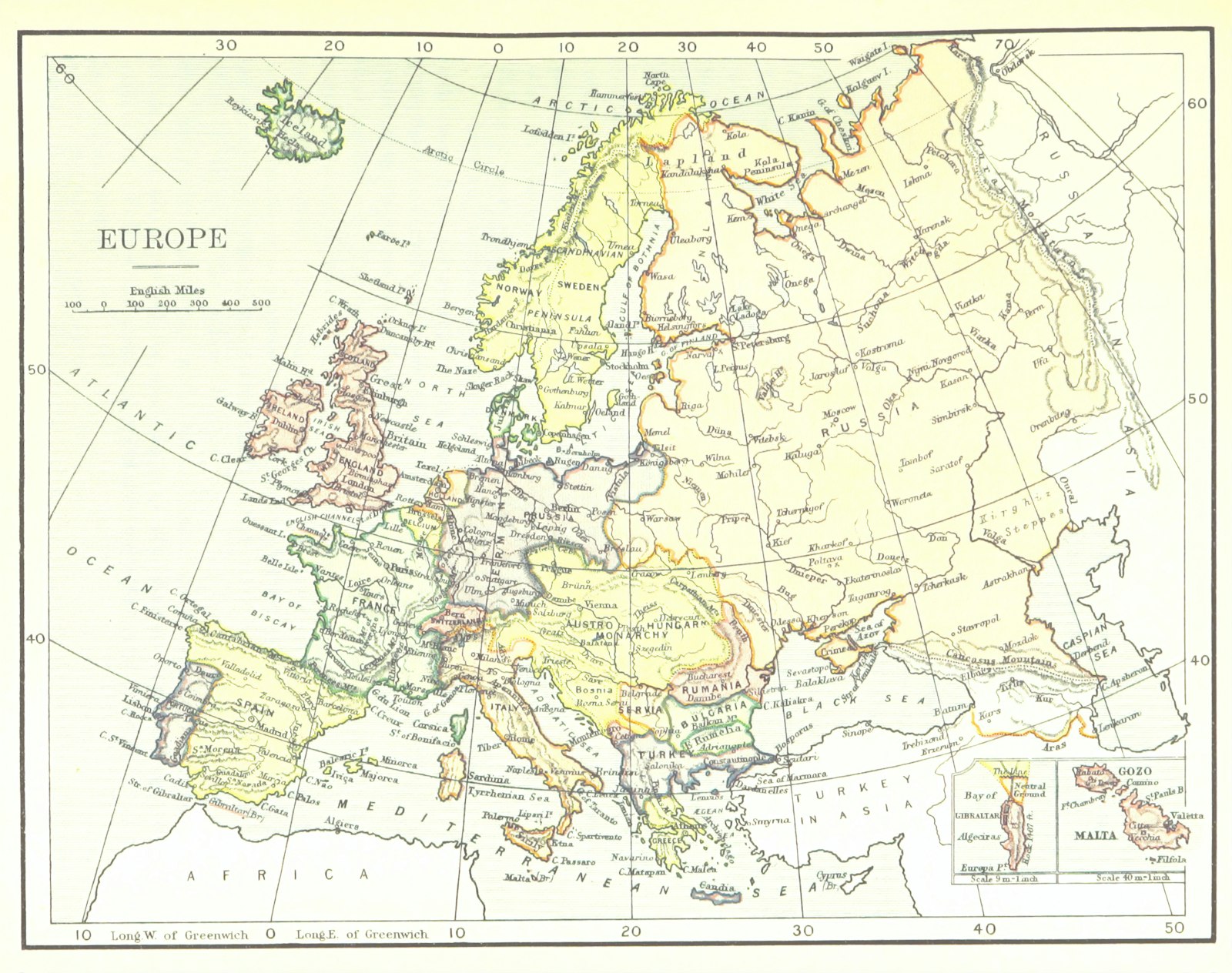
J.R.R. Tolkien never set foot in Middle-earth, yet he spent his entire life shaping its geography, history, and character in the dreaming-spires city of Oxford, in the industrial heart of Birmingham, and across the English countryside that would become his literary obsession. The Lord of the Rings trilogy, adapted for film in New Zealand, finds its roots firmly planted in England. Understanding these connections transforms a visit to Tolkien’s Britain from a literary pilgrimage into an exploration of how place shapes imagination.
Tolkien’s Oxford: The Eagle and Child
Oxford is Tolkien’s city. He attended Exeter College, taught at Oxford for most of his working life, and died here in 1973. The university shaped his mind—its libraries, medieval architecture, and centuries of accumulated knowledge provided the foundation for Middle-earth’s complexity.
The Eagle and Child Pub
The most important Tolkien site in Oxford is arguably not a college or cathedral but a pub: The Eagle and Child, located on St. Giles’ Street. This was the gathering place of the Inklings, an informal group of Oxford writers and scholars that included Tolkien, C.S. Lewis, Charles Williams, and others. Every Tuesday morning for decades, these men met in the back room (known as the “Rabbit Room”) to drink beer, smoke pipes, and read chapters from their unpublished works.
Visiting The Eagle and Child today feels like stepping into literary history. The bar remains largely unchanged since the 1930s and 1940s, and the Rabbit Room where the Inklings met is still there, though it’s now a dining room that welcomes paying customers. Order a pint, sit where Tolkien sat, and imagine him reading the opening chapters of The Lord of the Rings to his fellows. The pub’s walls display photos and information about the Inklings, and staff are typically enthusiastic about Tolkien connections. This is an essential Oxford stop.
The Bodleian Library
The Bodleian Library is one of the oldest and greatest libraries in the world. Tolkien spent countless hours here as both student and scholar. The library’s medieval manuscripts, ancient texts, and vast collections of linguistic materials informed his scholarly work in Old English and medieval literature. His interest in the origins of language—fundamental to his invented languages of Middle-earth—was nourished in these reading rooms.
Visitors can tour the Bodleian, including the famous Duke Humfrey’s Library, with its wooden bookcases and manuscripts dating back centuries. The library’s atmosphere—the sense of accumulated knowledge, the hushed reverence for texts, the medieval architecture—provides insight into the intellectual world Tolkien inhabited. The setting explains much about why his invented worlds are so internally consistent and elaborate.
Exeter College
Tolkien attended Exeter College, one of Oxford’s 38 colleges. The college is open to visitors during certain hours, and you can see the chapel, the quad, and walk the gardens Tolkien would have known as a student. The college’s medieval architecture and cloistered atmosphere provide visual context for understanding the traditions and institutions that shaped his thinking.
Birmingham and Tolkien’s Youth
Before Oxford transformed him into a scholar, Tolkien spent his childhood in Birmingham, England’s industrial heart. His early years in this Midlands city profoundly influenced the themes and settings of his work, particularly his sense of loss and mourning for the natural world being industrialized away.
Sarehole Mill
The most evocative site from Tolkien’s childhood is Sarehole Mill, a restored 18th-century mill on the edge of Birmingham. Tolkien spent his teenage years in this area, and the mill and its surrounding woods became his refuge from the industrial city. The mill’s water wheel, the rural setting, and the sense of a preindustrial world are precisely what Tolkien sought to capture in the Shire.
Sarehole Mill is now owned by the National Trust and welcomes visitors. Walking the grounds—especially the wooded paths that Tolkien would have explored—provides genuine insight into the landscapes that inspired his most beloved fictional setting. The Shire, with its rolling hills, comfortable homes, and deep-rooted connection to nature, is essentially Sarehole Mill and its surroundings transformed into fantasy.
The Worcestershire Countryside: Shire Inspiration
Beyond Sarehole, the broader Worcestershire countryside of Tolkien’s youth inspired the Shire’s geography. The rolling hills, small villages, and agricultural landscape of this region represent the English pastoral ideal that Tolkien mourned even as he witnessed it disappearing beneath suburban expansion and industrial development.
Visiting villages like Bromsgrove and Redditch in Worcestershire—the actual landscapes of Tolkien’s childhood—provides context for understanding why he created the Shire as a refuge, a last bastion of peace and comfort in a darkening world. The tension between the Shire’s safety and the growing darkness beyond its borders reflects Tolkien’s anxiety about the modern world encroaching on traditional, rural England.
Tolkien’s Academic Interests and Their Influence
Tolkien’s scholarly work in medieval literature and linguistics directly shaped The Lord of the Rings. His study of Old English epics like Beowulf informs the heroic narrative and archaic speech patterns of his work. His linguistic expertise—he invented multiple languages for Middle-earth with the same care a philologist might study extinct languages—stemmed from his Oxford training.
As a professor at Oxford, Tolkien taught generations of students about medieval literature, Old English, and linguistic history. His academic papers on Beowulf remain influential among scholars. The rigorous intellectual discipline of academic work—the requirement for internal consistency, the attention to historical detail, the respect for textual sources—all translated into his creative work. The Lord of the Rings isn’t casual fantasy but a richly elaborated secondary world with its own history, languages, and mythologies as carefully constructed as any philological study.
Visiting these Oxford sites in sequence helps readers understand how Tolkien’s academic interests transformed into creative work. The medieval manuscripts he studied, the languages he researched, the historical texts he analyzed—all found their way into the richly textured world of Middle-earth. The medieval library atmosphere of the Bodleian provided not just research materials but an intellectual model for how worlds are built through accumulated knowledge and careful scholarship.
Hobbit Filming Connections: Peter Jackson’s Debt to the UK
While Peter Jackson filmed the Hobbit and Lord of the Rings trilogies in New Zealand (a choice that makes geographical sense for the story’s secondary world logic), Tolkien’s Britain remains essential to understanding the source material. Jackson used English actors and incorporated English sensibilities into his adaptations.
Several actors who portrayed hobbits and other characters are British or have strong UK connections. More importantly, Jackson’s production design drew on English landscape painting, medieval architecture, and the visual traditions of Tolkien’s own illustrations—all deeply rooted in British aesthetics. The decision to film in New Zealand rather than Britain was practical; the New Zealand landscape offered the dramatic scenery and geographic isolation that Middle-earth required. However, the conceptual foundation and artistic direction of the films remained rooted in Tolkien’s vision of Britain—in Oxford’s medieval architecture, in the agricultural simplicity of the Shire modeled on Worcestershire villages, in the scholarly precision that characterized Tolkien’s entire imaginative project.
The Tolkien Trail in Oxford
A self-guided Tolkien trail through Oxford can be constructed by visiting:
- Exeter College (his college)
- The Bodleian Library (his research home)
- The Eagle and Child (his literary community)
- Oxford Cathedral (medieval architecture that inspired his descriptions)
- The Ashmolean Museum (contains items related to Tolkien)
- Merton College (where he held a professorship)
This walking tour takes most of a day and provides a comprehensive sense of Tolkien’s Oxford. The university city’s medieval architecture, narrow lanes, and architectural complexity informed the visual imagination behind Middle-earth’s cities and strongholds.
How the English Countryside Inspired Middle-earth
The relationship between Tolkien’s Britain and Middle-earth is not one of direct translation but of emotional and aesthetic inheritance. Tolkien’s nostalgia for a preindustrial England, his scholarly knowledge of medieval and Anglo-Saxon culture, and his linguistic genius transformed English landscape and history into secondary world fantasy.
The Shire is England as Tolkien wished to remember it—safe, comfortable, anchored in tradition and locality. Rivendell echoes the grace and beauty of Oxford’s gardens and architectural refinement. Moria, with its deep mining and ancient history, references the industrial sites Tolkien saw destroying the English landscape. Mordor, bleak and industrial, is a nightmare version of what England might become.
Practical Visiting Information
Oxford is easily reached from London (about 1.5 hours by train or bus). A 2-3 day visit allows time to explore Tolkien’s Oxford thoroughly, visit the Bodleian Library, college gardens, and the Eagle and Child. Birmingham is less than an hour from Oxford by train, making a side trip to Sarehole Mill feasible.
The Tolkien Society maintains information about relevant sites and often organizes guided tours. Several bookshops in Oxford specialize in Tolkien and fantasy literature, making them good stops for background reading and local recommendations.
Why This Pilgrimage Matters
Visiting Tolkien’s Britain isn’t primarily about seeing the filming locations of adaptations (those are in New Zealand) but about understanding the intellectual and emotional landscape that gave birth to one of literature’s greatest imaginative works. It’s about recognizing how a scholar in Oxford, drawing on medieval manuscripts, academic friendships, and childhood memories, created a complete secondary world with its own languages, histories, and mythologies.
For American visitors steeped in fantasy literature, a Tolkien pilgrimage to Oxford and Birmingham provides insight into how literature connects to place, how personal history shapes imagination, and how the loss of England’s medieval and preindustrial landscape motivated one man to dream it all back into being through the power of storytelling. That’s the true magic of Tolkien’s Britain.




Leave a Reply