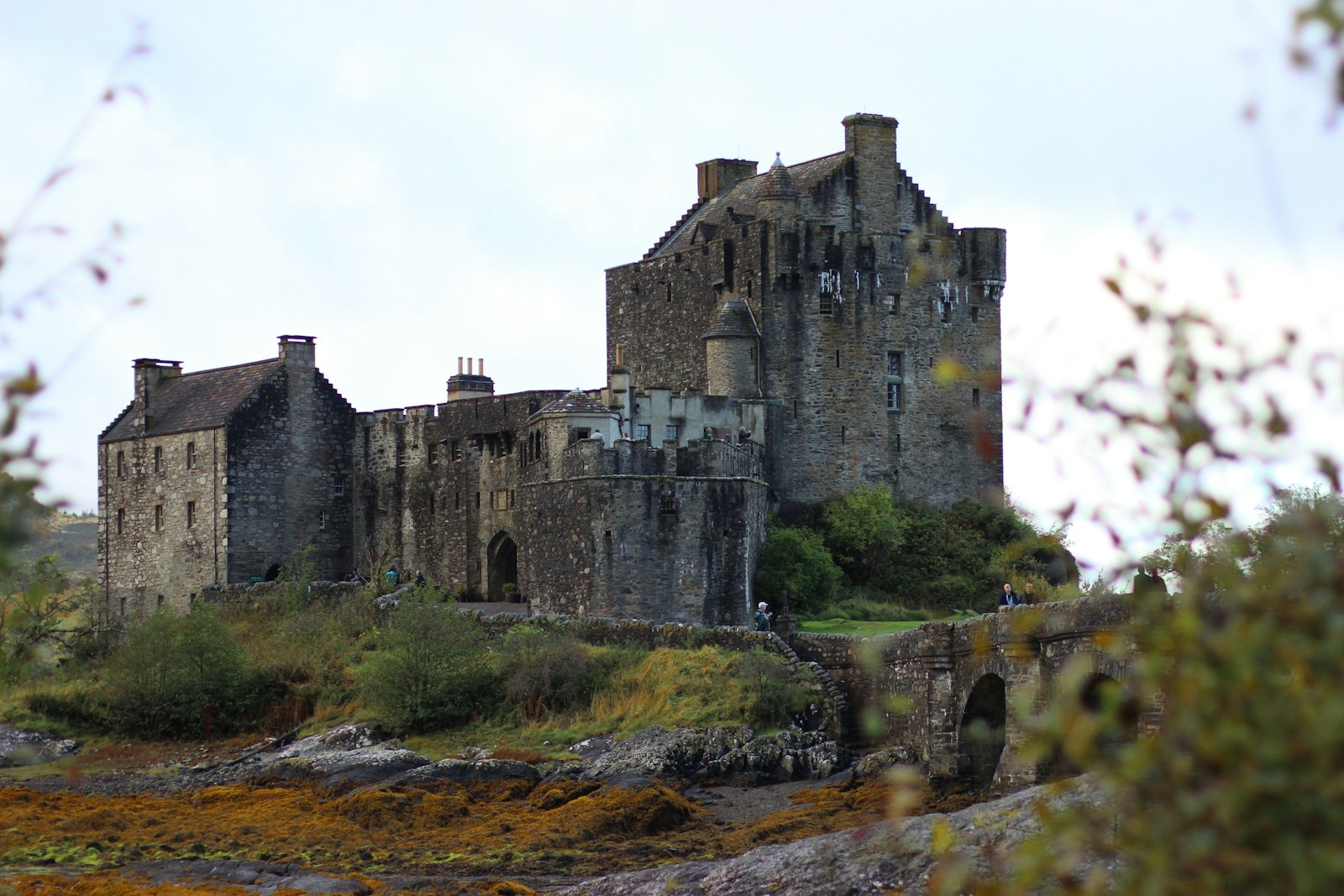
When Mel Gibson’s “Braveheart” hit theaters in 1995, it reignited American fascination with Scottish independence and the fierce warriors who fought for freedom in the centuries past. While Hollywood took some creative liberties, the true story of Scotland‘s struggle for independence is far more compelling than fiction. From the legendary William Wallace to the complex political machinations of the Act of Union, Scottish history shaped not just a nation, but influenced the entire course of British and world history.
The Wars of Independence: A Nation Awakened
In 1296, English King Edward I—known as “the Hammer of the Scots”—invaded Scotland and seized control of the kingdom. What followed was nearly 300 years of warfare, rebellion, and conflict that would define the Scottish national identity for centuries to come.
William Wallace emerged in the 1290s as a resistance fighter against English occupation. After his stunning victory at the Battle of Stirling Bridge in 1297, where Scottish forces defeated a much larger English army, Wallace became a symbol of Scottish freedom. He was captured in 1305 and executed in London with the brutality typical of medieval justice—drawn and quartered in a public spectacle meant to intimidate future rebels. Instead, it made him a martyr.
Enter Robert the Bruce, whose story is less straightforward but ultimately more successful than Wallace’s. The Bruce family had Norman roots and lands in both Scotland and England, making their allegiances complicated. Robert switched sides multiple times during the early wars before fully committing to Scottish independence around 1306. After suffering defeats, the Bruce fought a guerrilla campaign, winning crucial victories that gradually weakened English control.
The defining moment came in 1314 at the Battle of Bannockburn, near Stirling. The Bruce’s army, using disciplined spear formations against English cavalry, defeated a much larger English force. This wasn’t just a military victory; it was the psychological turning point. The battle proved that a determined Scottish force could defeat the once-invincible English, and it effectively ended English claims of overlordship. By 1328, the Treaty of Edinburgh-Northampton formally recognized Scottish independence.
Visiting These Battlefields
Stirling Castle sits dramatically above the River Forth, dominating the landscape as it did 700 years ago. The castle visitor center now includes the Bannockburn Heritage Centre nearby, where you can stand on the actual battlefield and understand the battle’s geography. American visitors often find the Scottish accent heavy here—embrace it as part of the authentic experience.
Bannockburn Battlefield itself is surprisingly peaceful today. Walking the ground where 30,000 soldiers clashed brings the history to vivid life. The visitor center includes a film and interactive displays explaining Scottish medieval warfare.
Edinburgh Castle, perched on an extinct volcanic rock at the heart of Scotland’s capital, offers sweeping views and rich history. While it’s been modified and rebuilt many times, walking through its stone corridors connects you directly to centuries of Scottish drama.
The Complex Medieval Era
The centuries following Bannockburn saw Scotland consolidate its independence while maintaining a precarious balance with England. Scottish kings married English nobility, and the thrones became dangerously intertwined. When the Scottish royal line died out in 1371, Robert the Bruce’s daughter’s son founded the Stewart (Stuart) dynasty—a family that would cause chaos on both sides of the border for the next 300 years.
Mary Queen of Scots is perhaps the most romantic figure in Scottish history. Born in 1542, she was Scotland’s queen at just nine days old (her father died before she was born). Raised in France, speaking French better than Scots, she returned to Scotland as a widow at 18. Beautiful, sophisticated, and tragically poor at politics, Mary became embroiled in religious conflict. She was imprisoned, escaped, and eventually fled to England seeking help from her cousin Queen Elizabeth I—who promptly imprisoned her for 19 years before executing her in 1587.
Mary’s story represents Scotland’s religious and dynastic conflicts. She was Catholic in an increasingly Protestant Scotland, and her actions threatened both Elizabeth and Scottish Protestant nobles. Her execution made her a martyr to Scottish Catholics and a cautionary tale about the dangers of being born royal with unclear political loyalties.
The Union and Its Discontents
The Act of Union of 1707 is the most contentious date in Scottish history. When Scotland’s last independent monarch, Queen Anne (of the Stewart line), died in 1714, the English throne passed to a German cousin—the Hanoverians—to maintain a Protestant succession. Scotland had been vulnerable economically after a failed colonial venture in Panama that bankrupted many Scottish investors. The promise of free trade with England and the colonies, plus financial compensation to the Scottish elite, swayed enough votes to pass the union. Scotland would now be governed from London with representation in a British Parliament.
Many Scots felt betrayed. The Act was unpopular, and for nearly 40 years, Scottish Jacobites (from the Latin for James)—supporters of the exiled Stewart line—plotted to overthrow the Hanoverian kings and restore Scottish independence.
The Jacobite Risings: Romance and Tragedy
The most famous Jacobite leader was Charles Edward Stuart, grandson of the deposed King James II, called “Bonnie Prince Charlie” by his supporters. In 1745, he landed in Scotland and raised the Jacobite standard, expecting English and French support that never materialized. His Highland army nonetheless had remarkable initial success, reaching Derby in England before turning back.
The final catastrophe came in 1746 at Culloden, near Inverness. The Highland army, exhausted and hungry, faced a well-trained English force armed with superior artillery. In 45 minutes of brutal fighting, the Jacobite cause was shattered. Over 1,000 Highlanders died, while English casualties were remarkably light. The aftermath was merciless: executions, estates confiscated, the wearing of Highland dress banned, and the very clan system dismantled.
Culloden Battlefield today is one of the most emotionally powerful historical sites in Scotland. The visitor center provides context, but standing on the open moor where so many died is profoundly moving. Audio guides include the words of Culloden survivors, making the defeat visceral and human.
The defeat of the Jacobites marked the end of Scotland as an independent player in European politics, but paradoxically, it also freed Scotland to develop in new directions.
The Scottish Enlightenment: Minds Unleashed
The most unexpected outcome of union and defeat was that Scotland became a center of intellectual brilliance. The late 18th century saw an explosion of Scottish genius: David Hume revolutionized philosophy, Adam Smith invented modern economics, James Watt improved the steam engine, William Adam transformed architecture, and Robert Burns became perhaps the greatest lyric poet in the English language.
Edinburgh, the capital, became known as the “Athens of the North,” a city of elegant Georgian architecture built along a dramatic ridge with a castle at one end. The Scottish Enlightenment drew on Scotland’s educational tradition—Scotland had universities before most English cities—and the practical confidence of a merchant class that had profited from union.
Walking Edinburgh’s Royal Mile, the ancient street that connects the castle to the Palace of Holyroodhouse, you pass the very closes (narrow alleyways) where these intellectual giants lived and debated. The National Library of Scotland houses countless documents from this era.
Visiting Scottish Historical Sites
Beyond the battlefields and castles, Scotland offers layers of historical exploration. The Palace of Holyroodhouse, at the foot of the Royal Mile in Edinburgh, was Mary Queen of Scots’ principal residence and is still used by the British monarch. You can visit most of the palace and stand in the very rooms where Scottish history unfolded.
Stirling Castle beyond its Bannockburn connections is an architectural marvel with Renaissance courtyards and exhibition spaces exploring Scottish royal history.
The Scottish Highlands themselves—mountains and glens shaped by history—tell the story of clan culture. Visiting these regions, you understand why the Highlanders were so formidable in war and so vulnerable to political change. The landscape explains much about Scottish resilience.
Understanding Scottish Identity Today
The path from William Wallace’s execution in London to Bonnie Prince Charlie’s defeat at Culloden to the Scottish Enlightenment’s intellectual triumph is Scotland’s path to modern identity. The Scots didn’t remain subjugated. Instead, they shaped Britain—Scottish inventors, entrepreneurs, philosophers, and artists became central to the British project. And they never forgot their independence. In 1997, the Scottish Parliament was established in Edinburgh, and in 2014, Scotland held a referendum on independence (voting 55% to remain in the UK). That vote itself shows how living this history remains in Scotland.
For American visitors, Scottish history resonates because it’s a story of resistance against a larger power, of national identity asserted against odds, and of how cultural pride persists across centuries. Walking through Scottish castles, battlefields, and cities is walking through the story of how a small nation punched above its weight and left an outsized mark on history.
The ghosts of Wallace, Bruce, Mary, and Charlie still haunt these stones, reminding visitors that history is never truly past in Scotland.




Leave a Reply