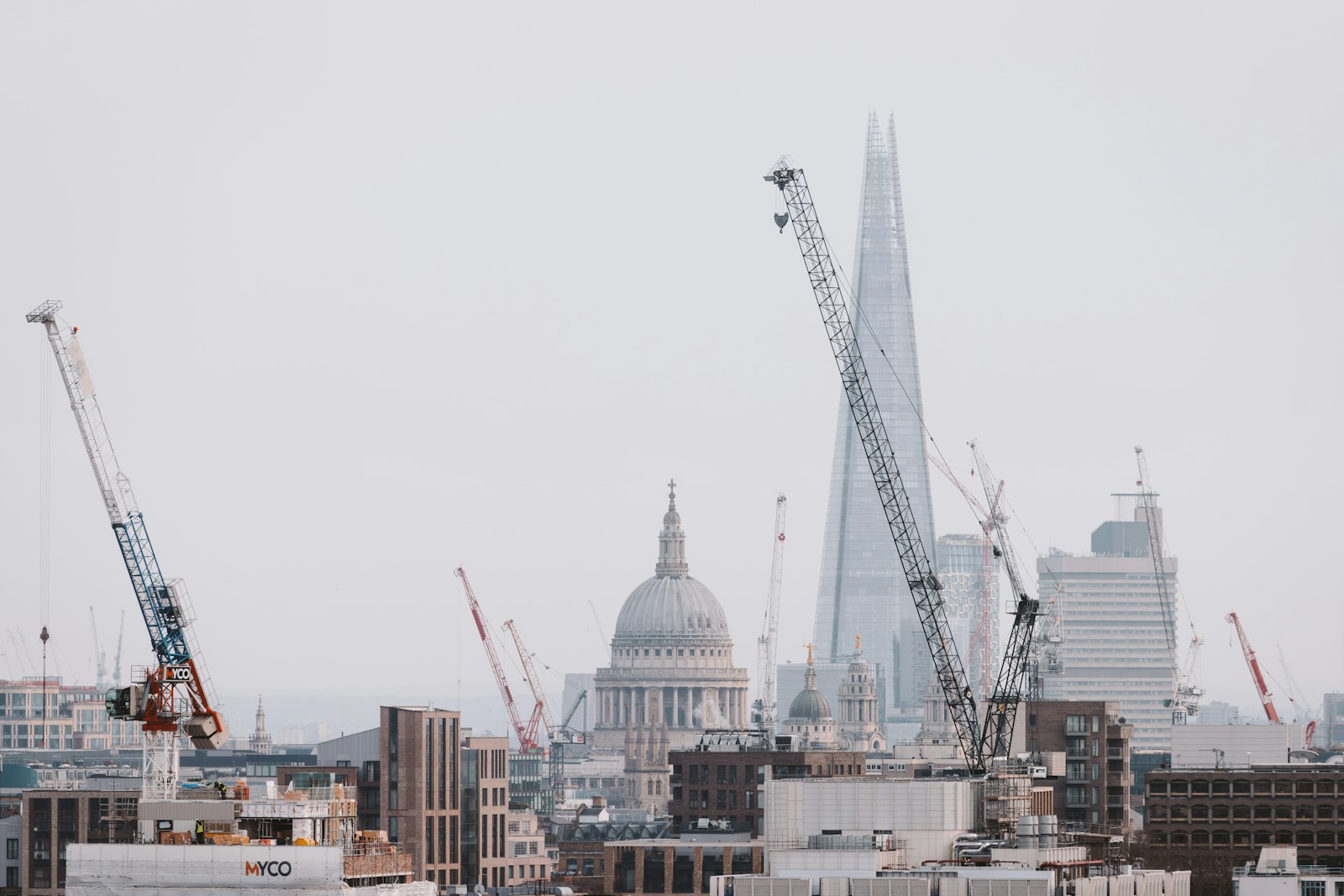
The second half of the 20th century transformed Britain from the center of a global empire into a modern, multicultural, postindustrial democracy. This transformation was neither inevitable nor smooth. It involved losing power, adapting to decolonization, managing mass immigration, confronting social inequality, and repeatedly redefining what it meant to be British. For American visitors, understanding modern Britain requires grasping how a nation that once dominated the world has adapted to being a medium-sized European power.
The Postwar Settlement: Building the Welfare State
When World War II ended in 1945, Britain was exhausted. The country had borrowed enormously to finance the war, the economy was devastated, and cities were damaged from the Blitz. The British public had endured years of rationing, loss, and sacrifice. They had fought fascism not just to defend their nation but, many believed, to create a better society.
In 1945, British voters elected a Labour government with the largest majority in British history. The people wanted change, and the Labour government delivered it. Between 1945 and 1951, under Prime Minister Clement Attlee, the British created the modern welfare state.
The National Health Service (NHS), established in 1948, provided free medical care to all British citizens. This was revolutionary. Healthcare had been available only to those who could afford it. Now it was a right, provided by the government, funded through taxes. The NHS is still one of Britain’s most popular institutions—poll after poll shows that Britons deeply value it.
The Housing Act of 1949 committed the government to building council housing (public housing) for working-class people. Slums were demolished, and new homes were built to decent standards. The goal was that every family would have decent housing regardless of income. Over the next decades, hundreds of thousands of council flats and houses were built.
The welfare system was expanded with unemployment benefits, sickness benefits, old-age pensions, and child allowances. The idea was to provide a safety net ensuring that nobody would face destitution from unemployment, illness, or old age.
These policies emerged from a broad consensus that capitalism needed to be regulated and that a modern democracy required providing for its citizens’ basic needs. This wasn’t socialism (the means of production remained private, and Britain had no revolution), but it was radical compared to pre-war Britain.
Decolonization: The Empire Ends
While Britain was building a welfare state, the British Empire was collapsing. Colonial independence movements, strengthened by seeing Britain weakened by war, demanded freedom. India’s independence in 1947 was the symbolic beginning of the end. If India—the jewel of the British Empire—could be independent, then all colonies could be.
Over the next two decades, Britain’s empire dissolved. Most African colonies were independent by 1965. The Caribbean islands became independent in the 1960s. Hong Kong was handed back to China in 1997. By the early 2000s, Britain’s overseas territories had shrunk to scattered islands of minimal strategic importance.
This decolonization was sometimes violent (particularly in Kenya and Northern Ireland) and sometimes peaceful, but it was irreversible. Britain went from being the world’s leading power to a medium-sized European nation. This was a profound change in national status and self-perception.
The cultural impact was significant. Britain had to reimagine itself as something other than an empire. This reorientation is still ongoing. Britain no longer has a global role the way the United States does. Instead, it’s seeking identity as a European nation, a defender of democratic values, and a cultural influence (through music, literature, television) rather than imperial power.
The Windrush Generation and Immigration
As the empire decolonized, people from former colonies immigrated to Britain, particularly to cities like London, Manchester, and Birmingham. The first major wave came on the ship Windrush in 1948, carrying Jamaicans and other West Indians seeking work in postwar Britain.
These immigrants filled labor shortages in the NHS, in public transport, in factories, and as domestic workers. They were British subjects (colonial citizens had imperial rights), and they came legally. Yet they faced intense racism. Housing discrimination was rampant—landlords refused to rent to Black people. Employers discriminated in hiring. White communities resisted Black immigration.
There were periodic race riots—in Notting Hill in 1958, angry white mobs attacked Black residents. The 1960s saw rising racial tension as the Black population grew, particularly in London and the Midlands. Politicians began restricting immigration, and by the 1970s, explicit immigration controls limited further arrivals.
Yet the immigrant communities persisted and established themselves. West Indian, Indian, and Pakistani communities created neighborhoods, built places of worship, established businesses, and participated in British society. Racial relations have improved since the 1950s and 1960s, though discrimination persists.
For American visitors, Britain’s multicultural composition is striking. London particularly is remarkably diverse. Indian restaurants are ubiquitous. Reggae and Caribbean music have profoundly influenced British popular music. British Asian and British Black cultural producers have shaped British society.
But multicultural Britain wasn’t easy to build, and racial tension remains. The process of becoming genuinely multicultural—where difference is accepted rather than resisted—took decades and is still ongoing.
The Swinging Sixties and Cultural Revolution
The 1960s transformed British culture. The postwar generation came of age in a time of relative affluence and full employment. They rejected their parents’ conservative values and created a youth culture that became globally influential.
London became the center of global popular culture. The Beatles, from Liverpool, became the most famous band in the world. The Rolling Stones brought American blues-influenced rock. The Who, the Kinks, and others created a distinctive British rock sound. Fashion became revolutionary—Mary Quant designed mini skirts that shocked older generations; Twiggy became a fashion icon; Carnaby Street became the center of youth culture.
The sexual revolution challenged traditional sexual morality. Birth control became available, premarital sex became more acceptable, homosexuality was decriminalized in 1967 (though age of consent remained unequal until 2000). Divorce became more common.
The counterculture challenged established authority. University students protested against the Vietnam War, experimented with drugs, and questioned capitalist values. Class barriers seemed to be breaking down as working-class musicians became celebrities and traditional distinctions seemed less important.
The cultural change was real, though probably less revolutionary than it seemed at the time. Society still had class distinctions, gender inequality, and racial discrimination. But the culture shifted. What had been forbidden or shameful became acceptable. What had seemed eternal and unchangeable (traditional gender roles, sexual repression, deference to authority) was revealed as contingent and subject to change.
For American visitors, the Swinging Sixties were a specifically British cultural moment that happened to export globally. London was THE place to be, and British culture—music, fashion, art—was setting global trends.
Decline and Malaise: The 1970s
The prosperity and cultural optimism of the 1960s couldn’t last. By the 1970s, British economics had stalled. Industry was declining, inflation was rising, and strikes were becoming common. The “Winter of Discontent” in 1978-1979 saw public sector workers—garbage collectors, gravediggers, health workers—striking for better pay. Uncollected garbage piled up in London, bodies went unburied, hospitals struggled. The images communicated a sense that Britain was ungovernable and in decline.
Manufacturing was moving overseas. Traditional industries—coal, steel, textiles—were becoming uncompetitive. The North of England, which had been the center of industrial revolution, was emptying of jobs. Unemployment rose. A sense of malaise descended on Britain—the sense that the country was past its peak and in irreversible decline.
This was the period when London’s East End became a center of working-class unemployment and deprivation. Post-punk music emerged, expressing alienation and anxiety about the future. The National Front, a far-right political movement, began attracting working-class voters through scapegoating immigrants.
Thatcher and Neoliberalism
In 1979, Margaret Thatcher was elected Prime Minister. Thatcher represented a complete break from the postwar consensus. She believed that the welfare state had gone too far, that government was too big, and that market forces, not government intervention, should drive the economy.
Thatcher’s government attacked trade unions, privatized state-owned industries, cut welfare benefits, and reduced the state’s role. The immediate impact was devastating, particularly in industrial regions. Unemployment doubled. Steel works and coal mines closed. Communities that had depended on industrial employment for generations were destroyed.
But Thatcher pursued this agenda relentlessly. She was willing to accept short-term pain for long-term change. She also benefited from the discovery of North Sea oil, which provided revenue and some economic growth. By the mid-1980s, the economy was growing, and Thatcher’s radical transformation was producing results—though unevenly. The rich became richer, but many working-class communities were devastated.
Thatcher also pursued a more assertive foreign policy. She sent British forces to reclaim the Falkland Islands after Argentina’s invasion in 1982. She supported Ronald Reagan’s confrontation with the Soviet Union. She strengthened the “special relationship” with America. For the first time since decolonization, Britain seemed to be playing an important global role again.
Thatcher’s impact was enormous and divisive. Her supporters credit her with reviving the British economy and reasserting British power. Her critics blame her for destroying industrial communities, widening inequality, and creating lasting regional imbalances. Today, the Thatcher era remains controversial in ways that other historical periods aren’t. People have visceral reactions to her name.
New Labour and Cool Britannia
In 1997, after 18 years of Conservative rule, Tony Blair and the Labour Party won a landslide election. Blair promised “Cool Britannia”—a new, modernized Britain that would be economically successful and culturally vital.
Blair’s government continued some of Thatcher’s market-oriented policies but attempted to combine them with investment in welfare, education, and health. The results were mixed. The economy grew, and unemployment fell. But the NHS and schools remained under stress, and inequality continued to widen.
Blair’s government also pursued devolution—giving Scotland and Wales their own governments. This decentralized power from Westminster and responded to rising nationalism in Scotland and Wales. Scotland’s First Minister became increasingly powerful, though foreign policy and taxation remained controlled from London.
Blair’s government attempted to address “Cool Britannia”—the idea that Britain could be young, modern, and culturally influential. British music, fashion, and art were promoted. London was positioned as a global cultural center. British film directors, designers, and artists were celebrated.
But “Cool Britannia” was partly a marketing exercise. The underlying economic realities were more complex. The postindustrial economy was creating wealth in finance and services (London’s financial sector thrived) but wasn’t creating good jobs for working-class people with limited education. Regional inequality was growing—London and the Southeast were prosperous, but the Midlands and North remained depressed.
Iraq and the End of Blair
Blair’s government was brought down by the Iraq War. In 2003, Blair committed British forces to an American-led invasion of Iraq based on the claim that Iraq possessed weapons of mass destruction. The invasion was hugely unpopular with the British public, who felt misled. When no weapons of mass destruction were found, support evaporated.
The Iraq War symbolized a broader problem: Britain’s dependence on the American alliance meant following American foreign policy even when the British public disagreed. The war killed over 100,000 Iraqis and nearly 200 British soldiers. It destabilized the region and contributed to the rise of Islamic extremism.
For American visitors, it’s worth understanding that the Iraq War soured many Britons on American leadership. The “special relationship” was questioned. The sense that Britain was following America rather than pursuing an independent foreign policy created resentment.
Multicultural Britain: Integration and Conflict
By the 2000s, Britain was visibly multicultural. Indian, Chinese, and Caribbean restaurants were ubiquitous. Second-generation immigrants were in business, medicine, law, and culture. British Muslim, British Hindu, and British Sikh identities emerged.
Yet integration wasn’t complete. Segregation persisted in some cities—”white flight” meant that prosperous white Britons left cities for suburbs as immigrant communities grew. Some immigrant communities remained relatively segregated, living in specific neighborhoods and maintaining distinct cultural practices.
The issue of Islamic identity became increasingly prominent after 9/11 and particularly after the 7/7 attacks in 2005, when British-born Muslims carried out terrorist bombings in London killing 52 people. The attacks raised questions about integration and loyalty. “British values” became a contested term—did practicing Islam conflict with being British? Could Muslims be fully British if they practiced their religion?
These questions remain unresolved. Britain has become more multicultural, but tensions persist about what multiculturalism means and how different communities relate to each other.
The 2012 Olympics and Britain at Peace
The 2012 Summer Olympics in London was a moment of national pride. The opening ceremony, directed by Danny Boyle, celebrated British history, culture, and diversity. It featured the NHS, British music and art, immigrants and minorities. The ceremony proclaimed that Britain was multicultural, proud of its past but looking forward.
The Olympics themselves showcased London’s transformation. The erstwhile industrial East End had been redeveloped into a modern Olympic park with theaters, museums, and housing. The games provided investment and opportunity. Visitors saw a modern, multicultural, successful city.
The Olympics represented a moment of optimism about Britain’s future. The country had emerged from the Iraq War and economic crisis. London was booming. British culture was globally influential. The future seemed hopeful.
Brexit: National Reckoning
That optimism was shattered by the Brexit referendum of 2016. The British people voted narrowly (52% to 48%) to leave the European Union. The result was shocking to many—London and Scotland voted overwhelmingly to remain, but England outside London voted to leave.
Brexit revealed deep fissures in British society. London voters (diverse, educated, connected to Europe) wanted to remain. Small-town England voted to leave, expressing resentment about immigration, loss of industrial jobs, and feeling abandoned by London-focused elites.
The campaign for Brexit was conducted partly through nostalgia—appeals to a greater Britain, to British independence, to the idea that leaving the EU would restore British power. Immigrants were scapegoated as the cause of problems. The campaign arguably expressed a sense that Britain had lost its way and needed to reclaim its identity.
The Brexit vote exposed how regional, class, and educational divisions had widened. What British voters wanted differed dramatically depending on where they lived and what their education and economic circumstances were.
Britain Today: A Nation in Transition
As of 2024, Britain has formally left the EU and is negotiating its new relationship with Europe. The economic effects of Brexit are still unclear—trade has become more complex, some businesses have moved to EU countries, and integration with European markets has been disrupted.
Britain remains a global cultural power—music, film, television, and literature remain influential. London is one of the world’s great cities, attracting tourists, investors, and people seeking opportunity.
Yet Britain faces challenges. The NHS is under enormous stress, with waiting lists growing and staff shortages worsening. Schools are under-funded. Regional inequality persists, with London and the Southeast far more prosperous than the Midlands and North. Social mobility has declined—people born poor are less likely to become rich than in earlier decades.
Climate change and its costs weigh on British consciousness in ways they don’t as much in America. Britain is committing to aggressive decarbonization and renewable energy.
Politically, Britain has swung back to the Conservatives after Labour governments, then back to Labour in 2024. But the old two-party consensus has broken down. Scotland increasingly votes for Scottish Nationalist parties demanding independence. Northern Ireland is politically fractious due to Brexit complications.
Understanding Modern Britain
For American visitors, modern Britain offers a case study in how a great power adapts to declining global dominance. Britain went from empire to medium-sized power, from industrial to postindustrial, from homogeneous to multicultural. Each transition required giving up previous certainties and renegotiating national identity.
Britain’s welfare state, despite challenges, remains more comprehensive than America’s. Universal healthcare, subsidized higher education, and stronger social safety nets distinguish Britain from America. Yet Britain’s welfare system is under strain, and debates about its future resemble American debates about social spending.
Britain’s multiculturalism is genuinely achieved compared to America—integration has gone further in some ways. Yet racial tension persists, and the rise of right-wing politics suggests backlash against immigration remains powerful.
Understanding modern Britain means understanding a nation grappling with its place in the world, its identity in a multicultural age, and how to build a fair society in a time of economic stress and global uncertainty. These are challenges Britain shares with other advanced democracies, including America. How Britain addresses them offers lessons for how democracies navigate the 21st century.
Walking through modern Britain—diverse London neighborhoods, post-industrial Northern cities redeveloping themselves, Scottish communities debating independence—you’re walking through the contested terrain where Britain is defining itself. The future is uncertain, but the effort to create an inclusive, fair, and innovative society continues.




Leave a Reply