Introduction
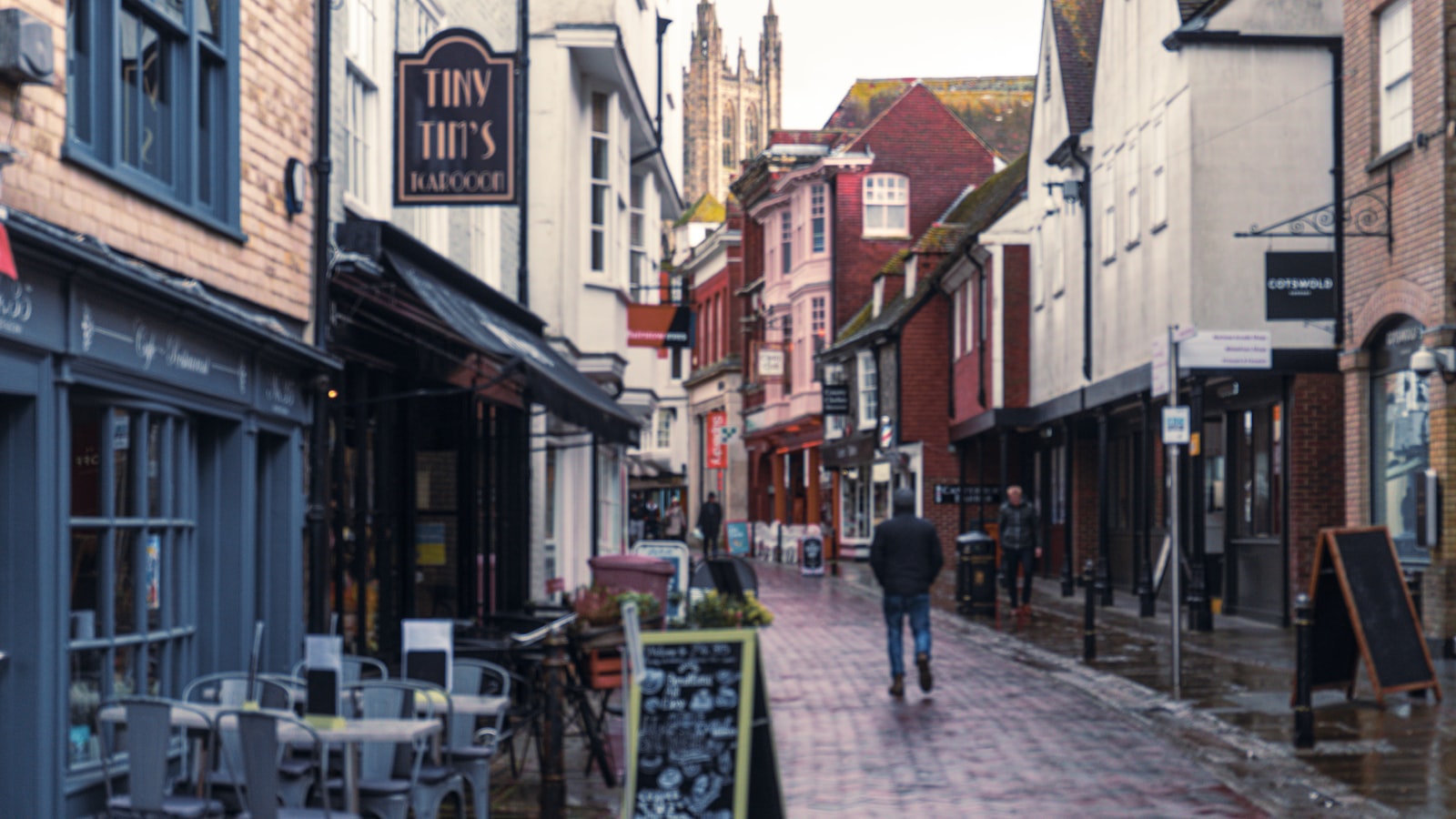
The British pub is far more than a bar—it’s a cultural institution, a gathering place, and often the heart of a community. From centuries-old timber-framed buildings to Victorian gin palaces to contemporary gastropubs, Britain’s pubs reflect the nation’s social history and regional diversity.
For Americans, experiencing authentic British pubs is essential to understanding British culture. This guide covers the best historic pubs, the characteristics that define great pubs, and regional variations across Britain.
What Makes a Great British Pub?
History & Character: The best pubs have genuine history—timber-framed ceilings, open fireplaces, flagstone floors, darkened wood interiors. Authenticity matters; renovated pubs often lose their soul.
Sense of Community: Great pubs feel lived-in, where regular customers have their spots and staff know patrons by name. You’re welcome but not essential to the pub’s operation.
Good Beer: Real ales are important. CAMRA (Campaign for Real Ale) is a British organization promoting traditional cask ales and is the authority on quality beer in Britain.
Food: Many pubs serve food. The best offer quality, locally sourced dishes rather than generic offerings.
Atmosphere: Conversation is central to pub culture. Great pubs encourage dialogue; jukebox and electronic machines are secondary.
No Pretense: The best pubs don’t try too hard. They’re unpretentious, welcoming, and focused on comfort rather than fashion.
London Historic Pubs
London has more historic pubs than any city in Britain. Most date from Victorian era onward, though a few predate this.
Ye Olde Cheshire Cheese (Fleet Street)
One of London’s most famous pubs, located on a narrow alley off Fleet Street. It’s been operating since 1667 and maintains strong character despite its fame.
What to Expect:
- Multiple small rooms with low ceilings and intimate spaces
- Dark wood paneling and period features
- Historic clientele (journalists and writers historically; tourists now)
- Good selection of ales
- Simple food
Atmosphere: Authentically historic but has become a major tourist destination. Go early morning or late evening to avoid crowds.
Tip: The cellar bar (below street level) is particularly atmospheric.
The Lamb and Flag (Covent Garden)
A beautiful historic pub in a 17th-century building in a narrow alley. One of London’s oldest pubs (founded 1638).
What to Expect:
Atmosphere: Charming and genuine. The compact space and hidden location give it authenticity.
Tip: Gets extremely crowded during evening commute hours; go at lunch or mid-afternoon for better experience.
The Churchill Arms (Kensington)
A Victorian-era pub famous for its flower-covered exterior and Thai food. It’s popular with locals and tourists.
What to Expect:
Atmosphere: Less pretentious than other famous pubs while maintaining authenticity.
The George Inn (Southwark)
A historic galleried coaching inn dating to the 17th century. It was mentioned in Dickens’s “Little Dorrit.”
What to Expect:
Atmosphere: Genuine historic pub that has maintained its character despite success.
The Volunteer (Fitzrovia)
A no-frills neighborhood pub from the 1800s with wood paneling, low ceilings, and authentic character.
What to Expect:
Atmosphere: Authentically old-fashioned; one of London’s most traditional pubs.
Countryside Pubs
Countryside pubs offer different character than urban establishments—often village social centers with more space, beer gardens, and food.
The Anchor Inn (Cotswolds)
A picturesque honey-stone pub in a village setting, typical of Cotswold pubs.
What to Expect:
Atmosphere: Quintessentially English village pub.
The Horse and Groom (Yorkshire)
A traditional rural pub emphasizing good beer and conversation over commercialization.
What to Expect:
Atmosphere: Unpretentious and welcoming.
Yorkshire Pubs
Yorkshire has a strong pub culture with emphasis on real ale and hearty food.
The Turf Tavern (York)
A historic pub tucked into an alley, accessed by walking through passageways.
What to Expect:
Ye Olde Starre Inne (York)
One of England‘s oldest pubs (opened 1644). It’s a historic gem preserved through centuries.
What to Expect:
Lake District Inns
Lake District accommodation often centers on historic inns serving as both hotels and pubs. These combine lodging with authentic pub culture.
The Pheasant Inn (Bassenthwaite Lake)
A historic inn beside a lake with excellent reputation for food and ales.
What to Expect:
Atmosphere: Combines pub culture with hospitality.
Various Village Inns
Towns like Ambleside, Windermere, and Keswick have historic inns serving both locals and visitors with character and good food.
Scottish Whisky Bars
Scotland‘s pubs emphasize Scotch whisky and have distinct character from English pubs.
Bow Bar (Edinburgh)
A legendary whisky bar with hundreds of whiskies and knowledgeable staff.
What to Expect:
Tip: Ask for recommendations; bartenders are genuinely knowledgeable and helpful.
The Clachaig Inn (Glencoe, Highlands)
A historic inn in the mountains, serving hikers and locals.
What to Expect:
Atmosphere: Community gathering place for outdoor enthusiasts.
Welsh Pubs
Welsh pubs maintain character and often feature Welsh language and culture.
Various Historic Pubs (Cardiff, Caernarfon)
Welsh pubs often feature:
Coastal Pubs
The Ship Inn (Sidmouth, Devon)
A historic pub in a seaside town with beach views and maritime character.
What to Expect:
Various Beach Pubs (Cornwall)
Cornish coastal pubs offer:
Gastro Pubs vs. Traditional Pubs
A contemporary trend is “gastropubs”—pubs elevated to fine dining status with upscale food and prices. Opinions divide on their value:
Advantages: Quality food, comfortable seating, good ambiance.
Disadvantages: Higher prices, less authenticity, sometimes feel more like restaurants with beer than true pubs.
Best Approach: Mix traditional pubs with gastropubs. Traditional pubs offer authentic British culture; gastropubs offer quality food.
Beer Culture & CAMRA
Real Ale vs. Keg Beer
British pub culture emphasizes “real ale”—traditional cask-conditioned ales served from hand pumps. They’re often superior to mass-produced lager or keg beer.
How to Order: Look at the hand pumps behind the bar. Ask the bartender for recommendations. Try local breweries’ ales.
CAMRA (Campaign for Real Ale): A British organization promoting traditional ales. Look for “CAMRA Recommended” pubs—it’s a reliable indicator of quality.
Beer Styles
British ales differ from American beers:
What to Expect When Entering a Pub
Ordering: Go to the bar and order. It’s not table service in most pubs. You pay when ordering, not when leaving (though some larger pubs have tabs).
Conversation: Don’t hesitate to chat with other patrons. British pub culture welcomes friendly conversation. Comments on weather, current events, or simply “cheers” to neighbors are normal.
Tipping: Not mandatory (unlike America). Rounding up or leaving 10-15% is appreciated but not expected.
Hours: Many pubs open 11 AM-11 PM (some later). Many close Mondays or certain days.
Dogs: Many pubs allow well-behaved dogs. Some have dog-friendly areas or beer gardens.
Regional Variations
North
Northern pubs emphasize:
South/Southeast
Southern pubs vary:
West Country (Devon, Cornwall, Somerset)
West Country pubs feature:
East Anglia
East Anglian pubs feature:
Famous Pubs & Literary Connections
The Eagle (Cambridge)
Famous for Watson and Crick (DNA discoverers) announcing their findings here. Historic pub in Cambridge.
The Grapes (London)
Historic pub on the Thames with Dickens connections and maritime history.
Various Rural Pubs
Many country pubs have literary or historical connections. Local staff can often share stories.
Pub Food
What to Expect
Traditional pub food includes:
Quality Variations
Budget pubs offer adequate food cheaply (£8-12 per meal). Gastropubs offer fine dining (£15-40 per meal). Most pubs fall between (£10-20).
Sunday Roast
The Sunday roast is a British tradition. Many pubs serve roasts on Sundays (typically 12 PM-3 PM).
Components: Roast beef, lamb, or chicken with Yorkshire pudding, roasted vegetables, gravy.
Cost: £12-25 depending on pub quality.
Experience: A genuinely British tradition worth experiencing.
Beer Gardens
Many pubs have beer gardens (outdoor seating areas). These are lovely in warm weather and extend the pub experience beyond the interior.
Features: Tables, umbrellas, sometimes food service, chance to enjoy weather while drinking.
Finding Great Pubs
CAMRA Resources
CAMRA publishes guides and maintains online databases of recommended pubs.
Guidebooks
Lonely Planet, Rough Guide, and others include pub recommendations.
Online Resources
Websites like Yelp, TripAdvisor, and Google Maps have pub reviews (though be cautious—tourist reviews sometimes praise touristy establishments over authentic ones).
Local Recommendations
Ask locals where they drink. This invariably leads to better pubs than tourist guidebooks.
Final Thoughts
The British pub is a social institution and cultural touchstone. Experiencing pubs authentically—sitting in a historic pub with a good ale, conversing with locals, eating simple good food—is essential to understanding British culture.
Rather than seeking the most famous or touristy pubs, seek out local establishments where regular customers gather. The warmth, conversation, and sense of community in these places is where British pub culture truly resides.
Budget a significant portion of your trip for pub time. It’s not just about the beer; it’s about the experience of British social life in its most authentic form.




Leave a Reply