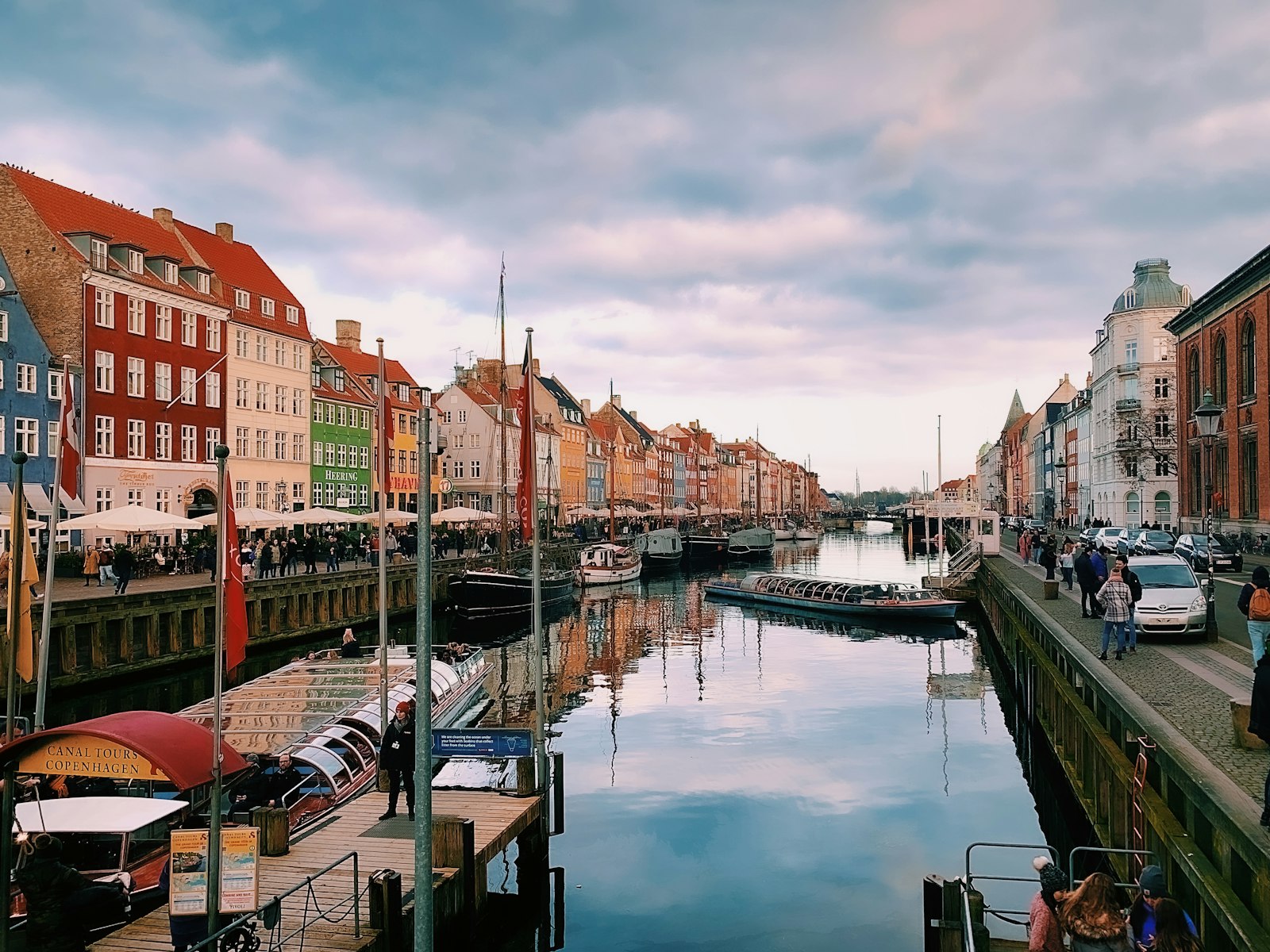
Copenhagen is a phenomenal city, but one of its greatest advantages is that it’s positioned perfectly as a base for exploring Danish and even Swedish territories. Everything from royal castles to dramatic white cliffs to charming medieval villages to world-class museums can be reached in 30 minutes to 2 hours by train. This means you can experience Copenhagen’s city energy while also escaping to fundamentally different environments without the logistics nightmare of moving hotels.
The Copenhagen area is part of a broader region (the Øresund Region, bridging Denmark and Sweden) with incredible diversity packed into relatively small distances. If you spend a week in Copenhagen and only see the city proper, you’re missing half the experience. Below are some of the best day trips that will expand your visit from “nice city visit” to “comprehensive regional exploration.”
1. Malmö, Sweden: 35 Minutes Away
Sweden is just across the Øresund Bridge from Copenhagen. Malmö is Sweden’s third-largest city and offers a completely different vibe from Copenhagen—slightly edgier, less touristy, with a thriving cultural scene and excellent restaurants.
What to Do: Explore the Altstadt (Old Town) with its medieval architecture, visit Malmö Castle (Malmöhus), wander the square at Lilla Torg (surrounded by charming buildings), and experience Sweden’s contemporary design and culture. The city is compact and walkable.
The Experience: Malmö feels more urban and less packaged than Copenhagen. It has excellent art museums (particularly the Moderna Museet focused on contemporary art), diverse restaurants, and a creative energy. The harbor area (Västra Hamnen) has impressive contemporary architecture and waterfront restaurants.
Getting There: The Øresund Train crosses the famous bridge connecting the two countries. It takes about 35 minutes and is genuinely fun—you watch the bridge approach and cross it. Trains run every 15-20 minutes.
Time Needed: 6-8 hours is comfortable for a satisfying day trip. You could do it in 4 hours, but that feels rushed.
2. Helsingør and Kronborg Castle: 45 Minutes Away
Kronborg Castle is one of Scandinavia’s most important Renaissance fortifications and the inspiration for Hamlet’s castle in Shakespeare’s tragedy. Even if Shakespeare isn’t your main interest, Kronborg is architecturally spectacular and situated dramatically on the Øresund Strait with views toward Sweden.
What to Do: Tour Kronborg Castle (genuinely impressive interior with royal chambers, dungeons, and military history), walk around the castle grounds (free), explore the medieval town of Helsingør, and enjoy waterfront views across toward Sweden. The castle earned UNESCO World Heritage status for good reason.
The Experience: Kronborg is dramatic and imposing in person. The castle’s scale and position make it feel genuinely important. The interior rooms show royal life and military strategy. The dungeons are suitably grim. The views from the ramparts across the strait are beautiful.
Getting There: S-train from Copenhagen (about 45 minutes). Trains run frequently. It’s one of the easiest day trips to organize.
Time Needed: 4-6 hours. You could do it in 3, but that undervalues the castle and town.
Food Note: Helsingør has excellent seafood restaurants taking advantage of the harbor location. Fresh fish is legitimate here.
3. Roskilde: 30 Minutes Away (UNESCO Viking Ships)
Roskilde is Denmark’s former capital and home to a spectacular cathedral (UNESCO World Heritage site) and the extraordinary Viking Ship Museum.
What to Do: Visit Roskilde Cathedral (burial place of Danish royalty, contains impressive monuments and architectural history), see the Viking Ship Museum (genuine reconstructed Viking ships and maritime history), explore the medieval town center, and enjoy the harbor area.
The Experience: The cathedral is massive and impressive—the contrast between its red-brick exterior and soaring interior is striking. The Viking Ship Museum is genuinely fascinating. Seeing actual Viking ships (or authentic reconstructions based on archaeological evidence) creates connection to history. The interactive elements let you understand Viking maritime technology and life.
Getting There: S-train from Copenhagen (about 30 minutes). Frequent service makes this very accessible.
Time Needed: 5-7 hours for a satisfying visit. 4 hours minimum.
4. Dragør: 30 Minutes Away (Charming Village Charm)
Dragør is a perfectly preserved medieval harbor village at the southern tip of Amager Island. It’s one of Denmark’s most charming villages—narrow streets, colorful houses, authentic harbor life, and genuinely picturesque aesthetics.
What to Do: Wander the village (it’s small enough to explore completely in an hour), visit the harbor (watch the boats, grab fish), enjoy excellent restaurants, and absorb small-town Danish life. There’s a museum (Dragør Museum) if you want structured activity, but the village itself is the main attraction.
The Experience: Dragør feels like stepping into a painting. The light on the colorful houses, the views across the harbor, the genuine lack of crowds despite proximity to Copenhagen—it all creates an almost dreamlike quality. This is where Copenhagen residents come to escape Copenhagen and experience quintessential Danish village life.
Getting There: Bus or a combination of metro and bus from Copenhagen (30-40 minutes). Less convenient than train-based day trips but still easy.
Time Needed: 3-4 hours is sufficient. The village is compact, and most time is spent sitting and absorbing atmosphere rather than sightseeing.
5. Hillerød and Frederiksborg Castle: 40 Minutes Away
Frederiksborg Castle is perhaps Denmark’s most impressive palace—a massive Renaissance structure built in the 17th century, partially destroyed by fire in the 1850s, then painstakingly restored. It’s one of Scandinavia’s most important architectural monuments.
What to Do: Tour the castle (the interior is genuinely grand with royal chambers, portraits, tapestries, and architectural details), explore the surrounding Baroque gardens (beautiful in any season, stunning in summer), visit the Museum of National History within the castle, and wander the town of Hillerød itself.
The Experience: Frederiksborg is massive and visually stunning. The exterior dominates the landscape—it looks like fantasy architecture brought to life. The interior shows royal life and tastes across centuries. The gardens are peaceful and well-maintained. The lake below the castle creates a beautiful setting.
Getting There: S-train from Copenhagen (about 40 minutes). Hillerød is the endpoint of one of the major S-train lines, so service is frequent and reliable.
Time Needed: 6-8 hours for a satisfying visit including the castle, gardens, and town exploration.
6. Møns Klint: 90 Minutes Away (Dramatic Coastal Cliffs)
Møns Klint is one of Scandinavia’s most dramatic natural attractions—towering white chalk cliffs rising 128 meters from the sea, creating an otherworldly landscape.
What to Do: Hike down to the beach at the base of the cliffs (about 200 steps), walk along the beach looking up at the cliffs, explore the chalk formations, visit the Geological Museum if interested in the science behind the cliffs, and enjoy pristine Baltic Sea coastal scenery.
The Experience: The cliffs are genuinely awe-inspiring. Their scale and color (brilliant white chalk against blue sea) create drama. The coastal environment feels removed from normal civilization. The hiking down and back up is manageable but involves stairs, making it mildly strenuous.
Getting There: Train from Copenhagen to Stege (about 60 minutes), then local transport to Møn Klint (another 20-30 minutes). Less convenient than closer day trips but worth the journey for the natural spectacle.
Time Needed: 8-10 hours for a full day trip including the journey. The cliffs themselves take 2-3 hours for a proper experience.
Best Season: Spring through fall. Summer is crowded. September and October offer excellent light and fewer people.
7. Tivoli Gardens Afternoon: 10 Minutes Away (Amusement Park Innovation)
Tivoli isn’t technically outside Copenhagen, but it’s different enough to qualify as a specialized visit. It’s one of the world’s oldest amusement parks (founded 1843) and represents a uniquely Scandinavian approach to entertainment.
What to Do: Ride roller coasters and rides, enjoy the beautiful gardens (genuinely attractive landscaping beyond just amusement park aesthetics), eat excellent food (Tivoli has surprisingly good restaurants), experience the atmosphere (which is generally charming rather than chaotic), and enjoy live entertainment.
The Experience: Tivoli is beautiful, which distinguishes it from most amusement parks. It’s not trying to be the most intense thrill experience—it’s trying to be beautiful and entertaining simultaneously. The mix of old and new rides, the focus on design, and the Scandinavian sensibility create something unique.
Getting There: Located right next to Hovedbanegården (Central Train Station). 10-minute walk or a couple of metro stops.
Time Needed: 4-6 hours depending on ride interest and crowd levels.
Cost Note: Tivoli requires admission (typically 13-17 EUR), and rides require additional payment or a wristband (40-60 EUR). It’s more expensive than traditional sightseeing but offers a different experience.
8. Hornbæk: 45 Minutes Away (North Coastal Village)
Hornbæk is a charming coastal village on Denmark’s north coast—combining small-town atmosphere with beach access and less crowding than more famous coastal areas.
What to Do: Relax on the beach, explore the village (small but charming with shops and restaurants), enjoy seafood at harbor-front restaurants, and experience casual Danish beach culture.
The Experience: Hornbæk is less spectacular than Møns Klint but more accessible. It offers the experience of Danish coastal life without drama. It’s where Copenhageners go for a low-key beach day, which means it has authenticity but fewer tourist attractions per se.
Getting There: Train from Copenhagen to Helsingør, then bus to Hornbæk (total about 45 minutes and involves a connection, making it slightly complicated).
Time Needed: 5-7 hours for a relaxing half-day beach experience.
9. Egeskov Castle: 90 Minutes Away (Medieval Fortress and Fairytale Setting)
Egeskov is one of Europe’s best-preserved Renaissance castles with a moat, actual medieval fortifications, and beautiful surroundings. It’s located on the island of Funen, south of Copenhagen.
What to Do: Tour the castle interior (excellently preserved), explore the grounds and beautiful gardens, see the vintage car collection and other collections housed in the castle buildings, and walk around the moat and surrounding area.
The Experience: Egeskov looks like fairy-tale castle architecture—the moat, the towers, the elegant proportions. The interior shows authentic historical living spaces across centuries. The surrounding gardens are beautiful and peaceful.
Getting There: Train to Odense (about 1 hour), then local transport to Egeskov (another 20-30 minutes). Slightly complicated logistics but manageable.
Time Needed: 8-10 hours for a full day trip including travel.
10. Ribe: 90 Minutes Away (Oldest Town in Denmark)
Ribe is Denmark’s oldest town (established 8th century) and preserves medieval architecture and atmosphere better than almost anywhere else in Scandinavia.
What to Do: Wander the medieval streets (genuinely atmospheric), visit Ribe Cathedral, climb Ribe Tower for views, eat at traditional restaurants, and experience authentic medieval town architecture and layout.
The Experience: Ribe feels like stepping back in time. The narrow medieval streets, the buildings, the cathedral—all create historical immersion. It’s not a museum reconstruction; it’s a genuine town that happened to preserve its medieval character.
Getting There: Train from Copenhagen (about 90 minutes). Direct trains run but aren’t hourly, so plan carefully.
Time Needed: 8-10 hours including travel.
11. Arken Museum of Modern Art: 30 Minutes Away
Arken is one of Scandinavia’s most impressive modern art museums, located in Ishøj south of Copenhagen. The building itself is architecturally significant (designed by Søren Robert Lund, built 1996).
What to Do: See contemporary art exhibitions (constantly changing), experience the striking architecture, enjoy the museum cafe, and potentially visit adjacent beach areas.
The Experience: Arken is for art lovers. The exhibitions are serious contemporary work. The building is itself a work of architecture. It’s less about sightseeing than about engaging with art and design.
Getting There: S-train from Copenhagen (about 30 minutes).
Time Needed: 3-5 hours depending on art interest.
12. Klampenborg and Bakken Amusement Park: 25 Minutes Away
Bakken is the world’s oldest amusement park (predating Tivoli by 100+ years) and offers a more casual, Danish approach to entertainment.
What to Do: Ride rides, walk through the park, enjoy the atmosphere, eat carnival food, and experience traditional Danish amusement park culture.
The Experience: Bakken is less elegant than Tivoli but more authentically Danish and accessible. It’s where local families spend weekends, making it feel less touristy. The rides are mix of vintage and modern, and the overall vibe is relaxed fun rather than intense thrills.
Getting There: S-train from Copenhagen (about 25 minutes).
Time Needed: 4-6 hours.
13. Copenhagen Zoo: 20 Minutes Away (If You Care About Zoos)
The Copenhagen Zoo is one of Europe’s better zoos, emphasizing conservation and reasonable animal habitat sizing. It’s not a must-do attraction, but if you have children or strong zoo interest, it’s reasonably well-done.
Getting There: S-train from Copenhagen (about 20 minutes).
14. Elsinore Brewery and Søbygaard Estate: 45 Minutes Away
If you’re interested in Danish beer and history, this combination works. Visit the historic Elsinore Brewery and tour the Søbygaard Estate (a preserved historical property).
Getting There: Train to Helsingør (45 minutes), then local connections.
15. Lund, Sweden: 60 Minutes Away (University Town and Medieval Architecture)
Lund is Sweden’s sixth-largest city and home to one of Scandinavia’s most important universities (founded 1666). It has excellent medieval architecture, particularly the impressive Lund Cathedral.
What to Do: Tour Lund Cathedral (Romanesque masterpiece), explore the university district, walk medieval streets, visit museums, and experience Swedish culture in a smaller, less overwhelming city than Stockholm or Gothenburg.
The Experience: Lund is beautiful and manageable in scale. The cathedral is one of Scandinavia’s most important religious buildings. The university district has intellectual and cultural energy.
Getting There: Train from Copenhagen via the Øresund Bridge (about 60 minutes).
Time Needed: 6-8 hours.
Practical Tips for Day Trips from Copenhagen
The Øresund Card: If doing multiple train-based day trips, consider the Øresund Pass for unlimited regional train travel.
Danish Transport: The DSB (Danish State Railways) operates trains throughout Denmark. They’re generally reliable and efficient.
Planning: Book accommodations in Copenhagen and base yourself there. Take day trips rather than moving hotels constantly.
Best Time: May-September for optimal weather. April and October offer good weather with fewer crowds.
Budget: Day trips are affordable. Train costs are 50-200 DKK (7-27 USD) depending on distance. Attractions add additional cost.
Physical Requirements: Most day trips involve walking but aren’t strenuous. Comfortable shoes are essential.
Copenhagen isn’t just Copenhagen—it’s the jumping-off point for exploring an entire region of exceptional beauty, history, and cultural significance. Use the city as your base and radiate outward to discover a much deeper Denmark than city visiting alone can provide.




Leave a Reply