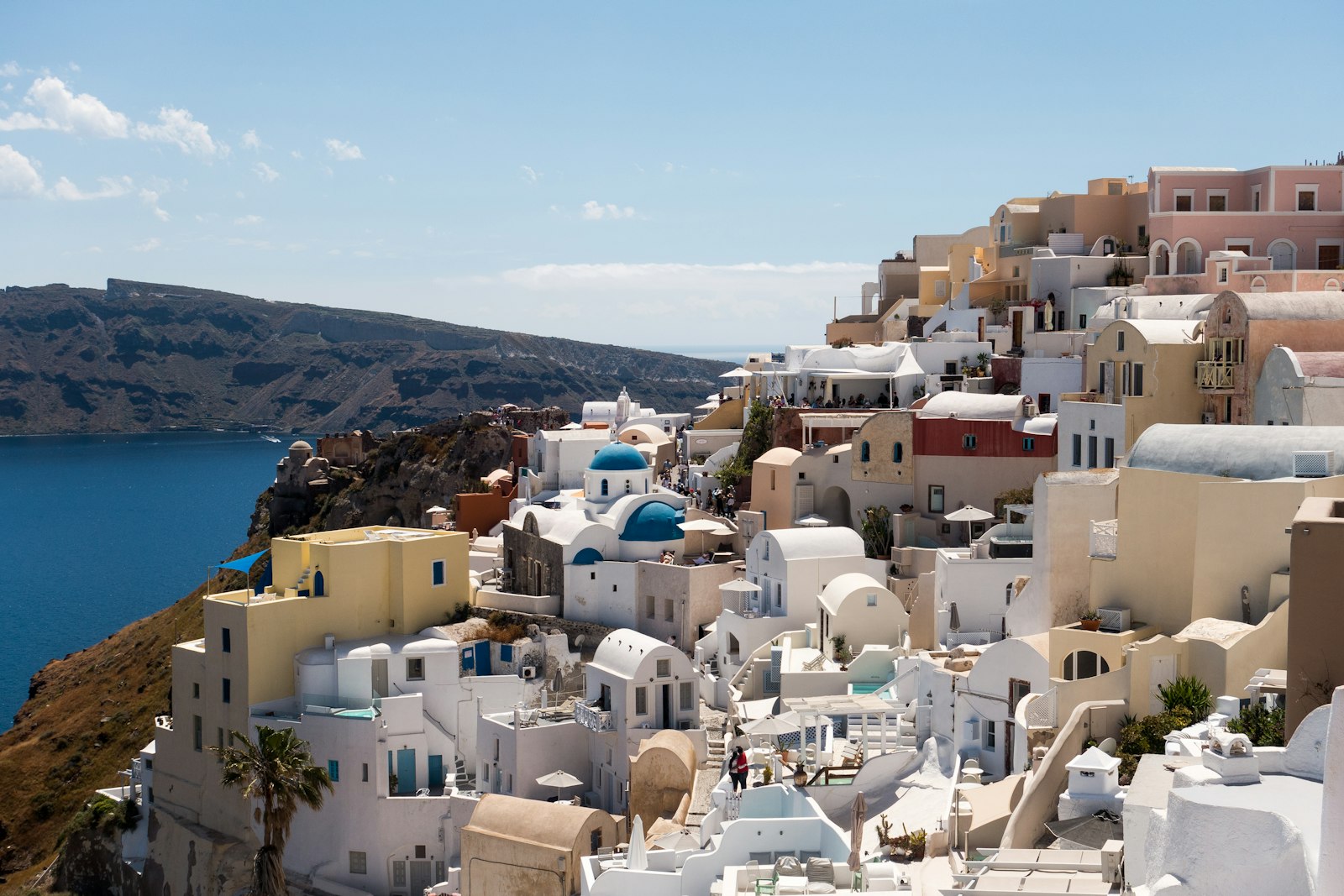
The Mediterranean glitters in the distance. You’ve saved up vacation days, cleared your calendar, and now you’re facing the ultimate travel dilemma: Greece or Italy? Both countries are absolutely extraordinary, and honestly, the “which is better?” question is a bit like asking whether sunshine or moonlight is superior. But let’s be real—you’ve got limited time and money, so we need to help you figure out which destination will give you the best experience for your travel style.
This isn’t about declaring a winner. It’s about understanding what each country offers and matching it to what you’re actually looking for. Because the truth is, the best destination is the one that aligns with your travel personality.
The Food Factor: Pasta Versus Olive Oil and Feta
Both countries have food cultures that could make you weep with happiness, but they’re fundamentally different experiences.
Italy: Refined Tradition with Regional Complexity
Italian food is about technique, tradition, and regional identity. Every single region has signature dishes that have been perfected over centuries. You’ve got the cream sauces of the north, the simple tomato-based dishes of central Italy, and the seafood-forward cooking of the south. Pasta is a whole world unto itself. There’s wine pairing at serious restaurants. There are rules and etiquette and deep cultural meaning behind nearly every dish.
This means Italian food is an intellectual experience as much as a sensory one. You’re tasting history, geography, and tradition. It’s expansive, nuanced, and often formal.
Greece: Fresh, Simple, and Unfussy
Greek food is about balance, freshness, and simplicity. Olive oil, feta, olives, herbs, tomatoes, and seafood—these are your main ingredients, used with clarity and restraint. You’ll find the same dishes in tavernas across the country because the food culture is more unified. There’s less regional variation and less pretense.
Greek food is communal and relaxed. You’re sharing mezze (small plates) with friends, eating at a taverna with your feet practically on the beach, dipping bread in tzatziki. It’s more about straightforward enjoyment and less about technique showcase.
The Verdict: Foodies who love learning about technique and regional traditions thrive in Italy. People who want delicious, fresh, simple food in a casual setting love Greece. If you care more about the experience than the complexity, Greece might be your winner.
Beaches: Island Life Versus Coastal Towns
Both countries have stunning coastlines, but the beach experience is quite different.
Italy: Dramatic Cliffs and Town Integration
Italian beaches often come with stunning backdrop drama. You’ve got the clifftop villages of the Amalfi Coast, where you’re eating limoncello in a restaurant and the Mediterranean is spread out below you. The beaches aren’t always huge sandy stretches; they’re often nestled below villages, accessible by stairs or little boats. Cinque Terre offers colorful villages on cliffs. The Adriatic coast has a more resort-style setup with organized beach clubs.
Italian beaches are integrated with towns and culture. You go to the beach, but you’re also immediately surrounded by restaurants, shops, history, and daily life. It’s less “escape to island paradise” and more “go to the beach while exploring a charming town.”
Greece: Island Paradise and True Escape
Greece’s islands offer that “your own private island” feeling that Italy can’t quite match. Santorini, Mykonos, Paros, Crete—these islands have pristine beaches, crystal-clear water, and a slower pace. Many Greek islands feel genuinely remote and untouched. You can rent a boat, visit uninhabited islands, swim in caves. The beaches are often long stretches of sand or pebble.
The downside is that Greek island infrastructure can be more basic than Italian resorts. Less luxury, fewer amenities sometimes, but more genuine escape.
The Verdict: If you want dramatic scenery with culture baked in, Italy. If you want to feel like you’ve found a secret island paradise and want to disconnect, Greece.
History and Ancient Sites: Ruins Versus Everything
Okay, both countries are basically open-air history museums. But the flavor of history is different.
Italy: Layers of Civilization
Italy’s history is the history of Western civilization stacked on top of itself. You’ve got Roman ruins, Medieval cities, Renaissance masterpieces, Baroque architecture—all within a few hours of each other. Rome is literally built on top of itself, with layers of history visible in the streets. Walking through Florence feels like walking through an art history textbook. Venice is a completely unique urban experience from centuries past.
Italian history is sophisticated, artistic, and deeply connected to Europe’s cultural development. It’s about understanding how modern Western civilization developed.
Greece: Ancient Grandeur and Island Culture
Greek history goes back further—we’re talking ancient Athens, the birthplace of democracy, mythology come to life, temples that still stand after 2,400 years. But Greek tourism tends to focus heavily on ancient sites. Delphi, Athens, Rhodes, Knossos in Crete—these are incredible, but once you’ve seen the ancient sites, the historical narrative becomes less dense than in Italy.
That said, Greek islands have their own unique cultural history and charm. You’re experiencing how people actually live on these islands, which is its own form of cultural immersion.
The Verdict: Art and architecture lovers gravitate toward Italy. Mythology enthusiasts and ancient history buffs love Greece. Italy has more layers of historical periods.
Cost: Budget Breakdown
Let’s be honest—cost matters.
Italy: Generally More Expensive
Italy’s tourism infrastructure is highly developed, which means prices reflect that. A plate of pasta in a touristy Roman restaurant will cost you 15-18 euros. A cappuccino in Venice’s Saint Mark’s Square? Nearly 4 euros for the standing price. Hotels are pricey, especially in famous cities. Wine can be expensive if you’re not hitting small family-run places.
You can travel cheaply in Italy if you stay in smaller towns, eat where locals eat, and travel during shoulder seasons. But major cities are expensive.
Greece: Generally Cheaper
Greece offers similar experiences at lower prices. An excellent dinner with wine might cost 30-35 euros for two people in a good taverna. A cappuccino is maybe 2-3 euros. Hotels, especially outside peak season, are reasonable. Wine is particularly good value.
This is especially true on islands outside the major tourist circuits. Greece rewards travelers who venture slightly off the beaten path with both affordability and authenticity.
The Verdict: If budget is a major factor, Greece wins. You get Mediterranean beauty and food culture at lower prices. Italy is still reasonable if you’re strategic, but Greece is naturally more budget-friendly.
Nightlife and Social Scene
Italy: Sophisticated Nights Out
Italian nightlife is sophisticated and relaxed. People go out late (dinner at 9 PM is normal), move between restaurants and bars, have wine and conversation. In cities like Rome, Florence, and Milan, you’ve got actual clubs, but the vibe is more about enjoying drinks with friends on a piazza than getting wild. There’s an elegance to Italian nightlife.
Greece: Beach Parties and Late Nights
Greek nightlife, especially on islands, is more party-oriented. Beach clubs, DJ sets, dancing until sunrise—this is the vibe. Mykonos is famous for its clubs. Even smaller islands often have beach bars with dancing. The Greek social scene is more casual and hedonistic.
If you’re looking for sophisticated wine bars and aperitivo culture, Italy. If you want to dance on a beach until 4 AM, Greece.
Ease of Travel and Getting Around
Italy: Excellent Infrastructure
Italy’s train system is reliable and efficient. Buses connect smaller towns. You can rent a car and navigate with relative ease. Getting from one place to another is straightforward. English is spoken more widely in tourist areas. Everything is well-developed for tourism.
Greece: More Varied Infrastructure
Greek trains are okay but less frequent than Italian ones. Ferries connect islands but schedules can be variable. Getting to smaller islands requires planning. English is spoken, but less consistently outside major tourist areas. Travel can feel more adventurous and less organized, which is either exciting or stressful depending on your personality.
The Verdict: If you want smooth, organized travel, Italy. If you’re up for a bit more adventure and don’t mind less predictability, Greece.
Best Seasons: Timing Your Trip
Italy: Extended Tourist Season
Italy works well from April through October. May and September are perfect—warm, not too hot, fewer crowds than July-August. Winter is quiet but chilly. The shoulder seasons (April-May, September-October) offer the best balance.
Greece: Summer Dominates
Greece is at its best May through September. July and August are hot and crowded. The water is warm enough to swim comfortably. Winter is mild but some islands close down. The shoulder seasons are ideal here too, but peak season is longer and more intense.
Deciding: A Quick Quiz
Choose Italy if:
- You’re passionate about art, architecture, and history
- You want sophisticated food experiences and wine culture
- You enjoy exploring cities on foot
- You like well-developed tourism infrastructure
- You’re interested in how past cultures shaped the modern world
- You want dramatic scenery with towns built into it
Choose Greece if:
The Honest Truth: You Might Want Both
Real talk? These countries work remarkably well together. You can take a budget flight from Italy to Greece (or vice versa) and combine them. Three weeks in Italy, one week in Greece. Or five days exploring Greece’s islands and then five days in Rome. They complement each other—the sophistication of Italy with the escape of Greece.
If you genuinely can’t choose, that’s probably your answer: don’t. Find a way to do both. Short flights, affordable accommodations, and reasonable prices make it totally feasible.
But if you truly must pick one, think about what you need from this trip. Need to feed your soul with beauty and culture? Italy. Need to escape, relax, and reset? Greece. Both will change you. Both deserve your time. And honestly, once you visit one, you’ll already be planning your return trip to the other.
The Mediterranean isn’t going anywhere. Whether you choose Greece or Italy first, you’re already making a great decision by going to either one.




Leave a Reply