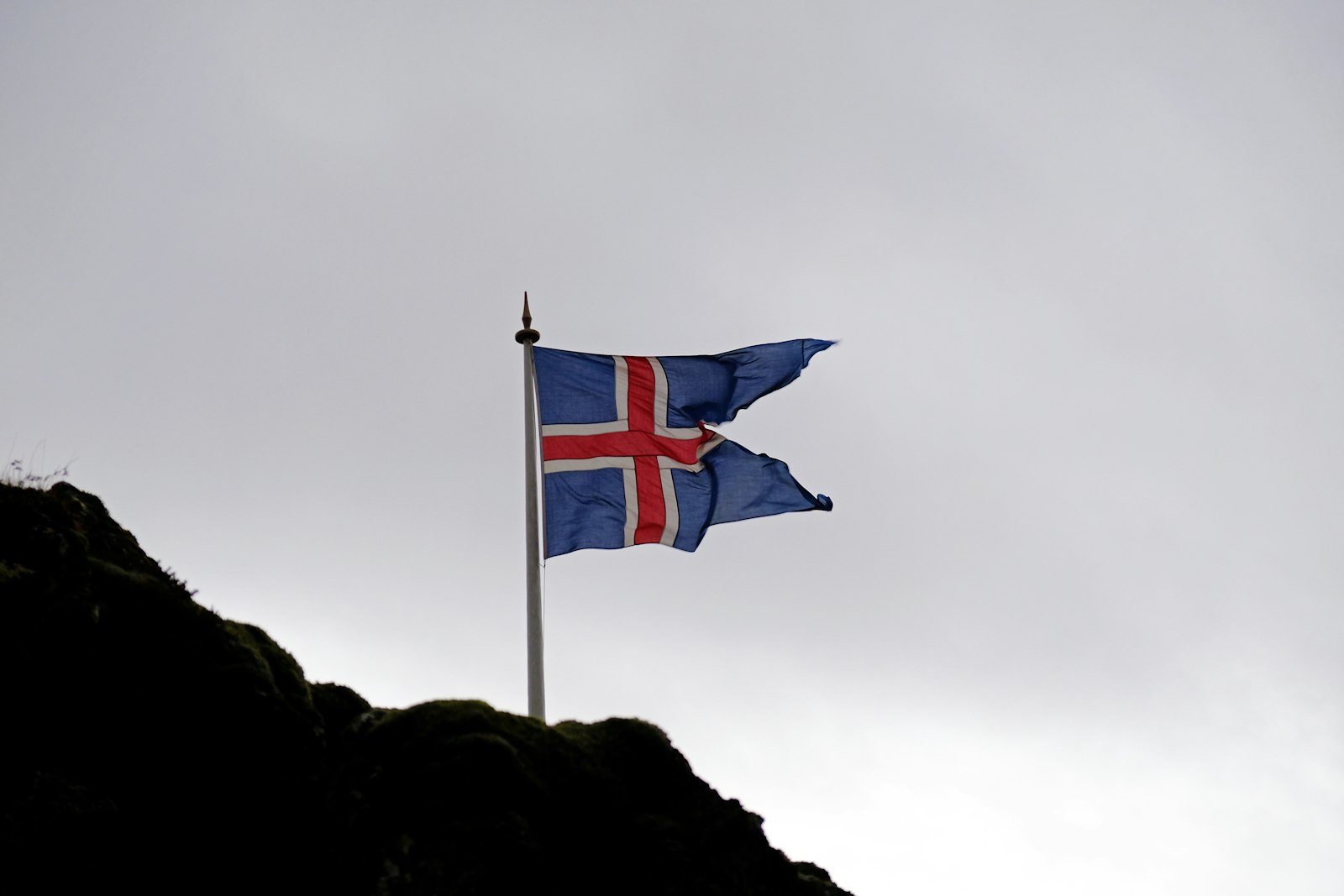
Everyone comes to Iceland for the Golden Circle and the Ring Road. Geysir erupts, Gullfoss thunders, glaciers gleam—it’s all incredible, and if that’s what you can do, do it. But here’s the thing: once you’ve seen those main attractions, or if you want to experience the Iceland that most tourists never find, you have to venture off the beaten path.
The hidden gems I’m about to share aren’t secret in the sense that locals are guarding them jealously, but they’re places that rarely appear in mainstream travel articles. They require a bit more effort to reach, they might not be Instagram-famous, and you’ll likely have them much more to yourself than you would at Iceland’s major attractions. This is where you find the real magic.
Westfjords: Where Iceland Feels Remote
If you want to experience Iceland the way it might have felt 50 years ago, the Westfjords are your answer. This is a region that juts out dramatically into the North Atlantic, creating a landscape of impossibly steep cliffs, tiny isolated towns, and scenery that will make you feel like you’ve traveled to another planet.
Why it matters: The Westfjords are sparsely populated. Villages have names like Flateyri and Ísafjörður, and many have more sheep than people. The landscape is raw, dramatic, and genuinely remote. You’ll pass through towns where you might see more Vikings in the local history museum than people on the current street.
What to see:
- Látrabjarg Cliffs: Europe’s westernmost point features 440-meter cliffs where millions of seabirds nest. Puffins arrive in spring (May-August) and create a sight that will absolutely wreck you emotionally. These birds are adorable, and they’re everywhere.
- Dynjandi Waterfall: A series of cascading waterfalls that looks like someone drew them on a landscape. Multiple tiers, increasing in power, creating a dramatic amphitheater of falling water.
- Small fishing villages: Places like Ísafjörður have character that you won’t find in more touristy areas. The people are friendly, the food is authentic, and you get actual Icelandic atmosphere rather than tourist-oriented experience.
Challenges: The roads can be rough, and winter access becomes questionable. It’s a 4-5 hour drive from Reykjavik, so you’re committing to time. But that distance is exactly why it’s quieter.
Best time: June through August, when the roads are good and the puffins are nesting.
Where to stay: Ísafjörður is the main town with decent accommodation. Smaller villages have guesthouses if you want to go even more remote.
Eastfjords: The Forgotten Coast
While tourists flock to the south coast, the Eastfjords remain beautifully quiet. This is Iceland’s eastern edge, where steep fjords cut into the landscape and tiny towns cling to the mountainsides.
Why it matters: The Eastfjords feel genuinely isolated. You’re as far from Reykjavik as you can get and still be in Iceland. The landscape is different from the south coast—more rugged, more forested (by Icelandic standards), more Nordic in feel.
What to see:
Challenges: It’s remote (5-6 hours from Reykjavik depending on exact location), and roads can be slow due to winding mountain passes. Winter access is questionable.
Best time: June through August for best road conditions and weather.
Where to stay: Seydisfjordur and Egilsstaðir both have decent accommodation. Staying in these towns means you’re visiting genuinely Icelandic places rather than touristy areas.
Snæfellsnes Peninsula Hidden Spots
Yes, Snæfellsnes is becoming more well-known, but most tourists only hit the main attractions like Kirkjufell and Lóndrangar. The hidden gems are in the quieter sections of this remarkable peninsula.
Why it matters: Snæfellsnes is incredibly diverse—you get coastline, mountains, lava fields, hot springs, and glaciers all on one peninsula. But venture beyond the main stops, and you’ll find sections that are genuinely undiscovered.
What to see:
Challenges: You need a car and time to explore thoroughly. The roads are good but winding.
Best time: June through September. Winter can have snow that closes secondary roads.
Where to stay: Stykkishólmur is a good base, or stay in Grundarfjörður for a smaller-town feel.
Reykjadalur Valley and Hot Spring Hiking
Close to Reykjavik (only about an hour away), Reykjadalur is a geothermal valley where you can hike to a river heated by hot springs, then bathe in naturally warm water surrounded by mountains.
Why it matters: This combines hiking and natural hot spring bathing without the crowds of Blue Lagoon or the infrastructure of developed geothermal areas. It’s just you, a river, and mountains.
The hike: It’s a 5-6 kilometer round trip (moderate difficulty) through moorland to a valley where hot water flows into a cold river, creating a temperature-perfect bathing opportunity. The landscape is otherworldly—steam rising from the valley, mountains on all sides, barely another person visible.
Best time: June through September. In winter, snow can make the hike challenging and the bathing less pleasant.
Water temperature: This varies. Sometimes it’s perfectly comfortable. Sometimes you’re mixing hot and cold water strategically. Part of the experience is figuring out the exact perfect spot.
What to bring: Swimsuit, towel, waterproof bag for electronics, water, snacks. Expect to get wet and muddy.
The experience: Soaking in a hot river surrounded by Icelandic wilderness is genuinely magical. It’s less manicured than developed hot springs, which is exactly what makes it special.
Askja and the Highlands
If you really want to get away from everything, the Highlands offer experiences that feel like you’re on another planet. Askja is a volcanic crater lake in the middle of Iceland’s interior.
Why it matters: The Highlands are genuinely remote. To reach places like Askja, you’re driving through barren lava fields, crossing rivers, seeing landscapes that are completely devoid of human infrastructure. It feels adventurous.
What to see:
Challenges: This is serious adventure. You need a high-clearance 4WD vehicle (not just regular 4WD—proper high-clearance vehicles are a must). The road involves river crossings and rough terrain. Road conditions can change rapidly. You need to be prepared with supplies, as there’s no civilization between points.
Best time: Only July and August. The interior is completely inaccessible other times.
Fitness required: You’re fine once you reach Askja, but access is the challenge.
Worth it? If you can handle the drive, absolutely. You’ll see Iceland that 99% of tourists never reach.
Mývatn Area Geothermal Wonders
Most tourists hit the popular geothermal spots. The Mývatn area in North Iceland has some incredible geothermal features that are less crowded.
Why it matters: This is genuine geothermal activity—bubbling mud pots, steam vents, unusual rock formations. The landscape is otherworldly, and you’re often not sharing it with crowds.
What to see:
Best time: June through September. Mývatn is in North Iceland and can have snow/ice other times.
The experience: This area feels less polished and touristy than Reykjavik-area geothermal spots, which means it feels more authentic.
Westman Islands: Day Trip or Overnight
Off the south coast, the Westman Islands (Vestmannaeyjar) are accessible by ferry and offer a different Icelandic experience—island life with dramatic cliffs and dark sand beaches.
Why it matters: These are actual inhabited islands with their own culture and character. The largest, Heimaey, has everything from medieval Viking settlements to modern puffin observation.
What to see:
How to get there: Ferry from Þorlákshöfn (about 30 minutes from Reykjavik) takes 30-45 minutes.
Where to stay: Heimaey has accommodation, or you can do it as a long day trip.
Best time: May through August for puffins and good weather.
Practical Tips for Hidden Gem Hunting
Rent the right vehicle: For many of these places, a regular car works. But for the truly remote areas (Highlands, some Westfjord roads), you need a proper 4WD with high clearance. Budget accordingly.
Check road conditions: Before heading anywhere remote, check road.is or contact local tourism offices. Conditions change, and you don’t want to get stranded.
Tell someone: Especially when exploring remote areas, let someone know where you’re going and when you expect to be back.
Bring supplies: Don’t assume you’ll find food or fuel near hidden gems. Pack water, snacks, emergency supplies. There might be gas stations, but they’re rare.
Don’t rush: The point of finding hidden gems is to experience them without constantly watching the clock. Build extra time into your itinerary.
Respect the landscape: These places are quiet because they’re not overrun. Help them stay that way by respecting the environment and local communities.
Embrace weather changes: Hidden gems often have more variable weather. Pack layers and be prepared for rapid changes.
Why Go Off the Beaten Path?
The obvious reasons: fewer crowds, more authentic experiences, landscapes that feel genuinely discovered rather than just observed. But here’s the deeper thing—getting off the beaten path in Iceland is how you actually connect with the country. When you’re alone (or nearly alone) on a black sand beach or in a remote valley, when you’re soaking in a hot spring with only mountains for company, when you’re driving through lava fields with no other vehicles visible—that’s when Iceland’s raw power and beauty hits you.
The Golden Circle and Ring Road are incredible and worthy of your time. But the hidden gems? They’re where the magic happens.
Pack well, plan smart, and get off the beaten path. Your Iceland experience will be infinitely richer for it.




Leave a Reply