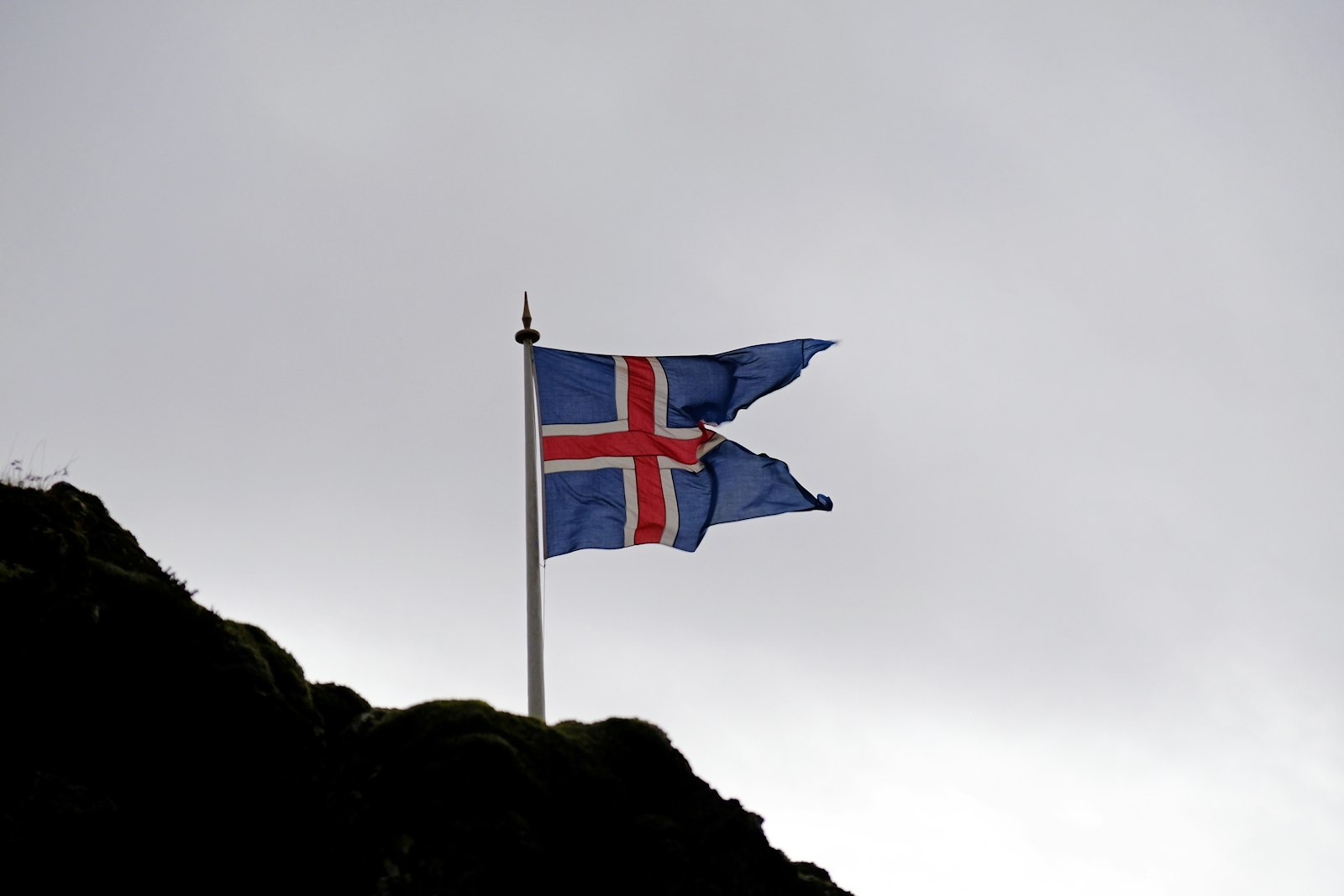
Iceland‘s west coast and the Snæfellsnes peninsula might be the most diverse and dramatic stretch of landscape in the entire country. In just a few days, you can go from exploring charming fishing villages to hiking on glacier-covered mountains, soaking in geothermal hot springs, and standing on black sand beaches backed by thousand-meter cliffs. This 5-day itinerary gives you the essentials while leaving room for your own discoveries.
Why the West Coast?
The west coast packs an incredible amount of variety into a relatively small area. You get the geological drama of South Iceland without the crowds. You get authentic Icelandic towns where people actually live, not just visit. You get some of the best hiking, the most dramatic coastlines, and experiences that feel genuinely undiscovered. It’s one of those regions that delivers everything Iceland promises, compressed into a road trip you can actually manage in a week.
Pre-Trip Planning
Rental car: You absolutely need a car. The roads are good (paved on the main routes), but you’ll need something reliable. In summer, a regular car works. In shoulder seasons or if you’re considering any highland roads, 4WD is safer.
Accommodation: Book in advance during peak season (July-August), but you have options from hotels to guesthouses to small family-run cottages. The smaller towns often have the most character.
Supplies: Stock up in Reykjavik or any larger town. Food and gas are available in smaller towns, but options are limited and prices are higher.
Road conditions: Check road.is before you travel. Most main roads are paved and reliable, but weather can cause changes.
Gas: The cost is real. Budget accordingly and refuel whenever you see a gas station.
Flexibility: This is a suggestion, not a law. If you find a place you love, stay longer. If weather forces changes, adapt.
Day 1: Reykjavik to Borgarnes and Snæfellsnes Begins
Distance: ~120 kilometers from Reykjavik to Snæfellsnes peninsula
Driving time: 2-2.5 hours depending on stops
Day overview: Today is about leaving the capital and entering the dramatic landscape of Iceland’s west. You’ll start exploring the Snæfellsnes peninsula, seeing some of its most famous attractions while settling into your first night.
Morning: Depart Reykjavik
Head north from Reykjavik toward Borgarnes on Route 1. Stop briefly in Borgarnes if you need supplies or a coffee, or push straight through to Snæfellsnes.
Late Morning: Glymur (Optional)
If you’re ambitious and early departing, you could detour to Glymur waterfall (see the dedicated article for full details). It requires a river crossing and takes about 3-4 hours total from the parking area. If you do this, you’ll be cutting into your afternoon schedule, so you have to decide if it’s worth it.
Midday: Head to Snæfellsnes Peninsula
From Borgarnes, head northwest on Route 54 toward Snæfellsnes. The landscape starts changing immediately—you’re entering the peninsula proper.
Early Afternoon: Kirkjufell and Kirkjufellfoss
Stop at Kirkjufell mountain (coordinates approximately 64.8844°N, 22.0444°W). This is Iceland’s most Instagram-famous mountain for good reason—it’s a perfect cone rising from moorland, often with a waterfall (Kirkjufellfoss) in the foreground if you hit the right conditions.
The actual iconic photo spot is about 1 kilometer north of the parking area along the coast road. Give yourself 30-45 minutes here for photos and exploring.
Pro tip: The best light is often in the evening or morning. If you arrive midday, the light is harsher. But the mountain is impressive regardless.
Mid-afternoon: Grundarfjörður
Continue west on Route 54 toward Grundarfjörður. This is a working fishing village that’s small, charming, and genuinely Icelandic. Park and walk around. The harbor is photogenic, especially in golden light. Grab coffee or food if you’re hungry—there’s a decent restaurant in the town center.
Late Afternoon: Lóndrangar Cliffs or Malarrif Lighthouse
Continue west and stop at Lóndrangar, a dramatic sea stack formation offshore from a black sand beach. This is one of Snæfellsnes’ most impressive landscape features—two basalt pillars rising from the ocean, backed by serious cliffs. You can walk right down to the beach and get close to these formations.
Alternatively (or additionally), visit Malarrif Lighthouse, a photogenic red and white structure perched on a hill overlooking the coast.
Evening: Settle in Stykkishólmur
Drive to Stykkishólmur for your first night. This charming small town sits on a peninsula with dramatic coastal views. The harbor is full of colorful houses that create perfect photos. The town has a few restaurants, cafes, and a genuine sense of being an actual Icelandic community rather than a tourist stop.
Where to stay: Stykkishólmur has guesthouses, hotels, and small cottages. Options range from basic to comfortable. Book in advance during peak season.
Dinner: There are a few restaurants in Stykkishólmur. Quality is decent, prices are Iceland prices (read: expensive). Alternatively, grab provisions from the small grocery store and self-cater.
Day 2: Exploring Snæfellsnes Peninsula Interior and Beaches
Distance: ~80-100 kilometers of driving depending on exact routes
Driving time: 3-4 hours of actual driving, but you’ll spend most of the day exploring rather than driving
Day overview: Today ventures into the quieter interior sections of Snæfellsnes and explores some of its most dramatic coastal landscapes.
Morning: Berserker’s Lair (Berserkjahraun Lava Field)
Start the day by exploring an ancient lava field just outside Stykkishólmur. This dark lava landscape is otherworldly—towering formations, moss-covered rocks, and a sense of being in a world that’s not quite normal. There’s a small trail system, and it’s genuinely beautiful.
Time needed: 1-2 hours for exploring
Late Morning: Snæfellsjökull Glacier View
Drive toward the western tip of Snæfellsnes to get views of Snæfellsjökull glacier. In good weather, this massive glacier-covered volcano is visible from many points on the peninsula. There are pulloffs with views, and if you’re up for it, there are hiking trails that approach the glacier.
The simplest experience is driving to viewpoints and taking photos. The full hike to the glacier is more serious and requires more time.
Time needed: 1-2 hours
Midday: Djúpalónssandur Black Sand Beach
Head south toward Djúpalónssandur, one of Snæfellsnes’ most dramatic beaches. This black sand beach is backed by enormous pebbles and surrounded by impressive sea cliffs. The landscape is genuinely otherworldly.
There’s a small parking area and a short walk to the beach. Spend time here exploring, photographing, and absorbing the drama of the landscape. The contrast between the black sand, colorful beach huts, and dramatic cliffs is striking.
Time needed: 1-2 hours
Pro tip: If you’re interested in Viking history, there’s a small museum in Hellnar (nearby) that discusses the area’s Norse settlement.
Afternoon: Hellnar and Arnarstapi
These two small villages are connected by a coastal trail and are among the most charming spots on Snæfellsnes. Hellnar is tiny—just a few houses and a cafe. Arnarstapi is similarly small but sits on a dramatic black sand beach backed by basalt formations.
Walk between them (about 2.4 kilometers along the coast), or drive between them. The walk is gorgeous if you have time. Both villages have cafes where you can grab food and coffee.
Time needed: 2-3 hours if you do the walk between them, or 1 hour if you just visit separately
Late Afternoon: Snæfellsjökull National Park Visitor Center
If you haven’t already, stop at the Snæfellsjökull National Park information center (in Arnarstapi or nearby). They have maps, information about hiking options, and can advise on conditions.
Evening: Return to Stykkishólmur or Stay West
You have options: return to Stykkishólmur for another night, or continue to a different base for exploring a new area. If you want variety, the small village of Hellnar or Arnarstapi would give you a different perspective. If you want comfort and services, Stykkishólmur is your best bet.
Day 3: West Coast and Hot Springs
Distance: ~80-120 kilometers depending on exact routing
Driving time: 3-4 hours of driving
Day overview: Today takes you away from Snæfellsnes proper, toward the west coast’s most dramatic landscapes and geothermal areas.
Morning: Departure with Coastal Views
Leave your current base and head south on Route 54 toward Route 1. If you stayed in Stykkishólmur, you’re essentially backtracking toward Reykjavik, then turning toward the Snæfellsnes south coast.
Late Morning: Reykjadalur Hot Spring Valley
This is a gem that’s relatively close to Reykjavik but feels genuinely isolated. The hike to Reykjadalur is about 5-6 kilometers round trip (moderate difficulty) through moorland to a valley where geothermally heated water flows into a cold river, creating a naturally warm bathing experience.
To get there: From Route 1, head toward Hveragerði. Look for signs and parking for Reykjadalur.
What to expect: A moderate hike through unusual landscape to a river where you can bathe surrounded by mountains and natural geothermal heat. This is less developed than Blue Lagoon but genuinely magical.
What to bring: Swimsuit, towel, waterproof bag for electronics, water, snacks.
Time needed: 3-4 hours total (includes hiking and soaking)
Afternoon: Hveragerði Geothermal Area
Near Reykjadalur, Hveragerði itself is a geothermal town where you can see steaming vents and natural hot springs. It’s less touristy than developed hot spring areas and has genuine character. There’s a small museum and walking paths through the geothermal area.
Time needed: 1-2 hours
Late Afternoon: Landmannalaugar (Optional but Recommended)
If you have time, energy, and weather is decent, detour toward Landmannalaugar. This highland area is famous for its colorful rhyolite mountains and is one of Iceland’s most spectacular landscapes.
Fair warning: Access is via highland road (Route 225, F-roads), which is unpaved and rough. You need a decent vehicle. In summer, it’s fine; in shoulder seasons, check conditions carefully.
If you go, you can do a short hike among the colored mountains or just drive through and soak in the views. The drive itself is the experience—passing through barren highlands, crossing rivers, seeing landscapes that feel primordial.
Time needed: 3-5 hours depending on how much you explore and how far you drive
Alternative: If you skip Landmannalaugar, you can explore other sections of south Iceland or spend more time soaking in hot springs.
Evening: Stay in Hveragerði or Move to South Coast
Hveragerði has accommodation and services. It’s a logical place to stay if you did Reykjadalur in the afternoon. Alternatively, continue toward the south coast and explore Jökulsárlón or other south coast attractions.
Day 4: Transition Day—South Coast Wonders
Distance: 150-200 kilometers depending on routing
Driving time: 3-5 hours of driving, but with significant stops
Day overview: This is a transition day. You’re moving from the west coast toward other regions while hitting some incredible stops along the way.
Morning Departure
Leave your current base early. You have options for where to go. Most logical is heading east toward the famous south coast attractions (Jökulsárlón, Vatnajökull glacier), but you could also explore more remote west coast areas depending on your preferences and time.
Morning/Midday Option 1: More West Coast Exploration
If you want to stay on the west coast, there’s still plenty to explore—the Westfjords, smaller fishing villages, Látrabjarg cliffs (if you have 4WD and time). These areas are genuinely remote and less visited.
Morning/Midday Option 2: Head toward South Coast
Take Route 1 east. Stop at:
- Hengill area if you want more hiking
- Seljalandsfoss waterfall (you can walk behind it)
- Skógafoss waterfall (powerful and dramatic)
- Skaftafell hiking area with multiple trail options
These are famous but worth the detour if you haven’t seen them yet. You can do a quick drive-by or spend hours hiking, depending on your preference.
Afternoon/Evening: Jökulsárlón Glacier Lagoon
One of Iceland’s most surreal landscapes—a glacial lake filled with icebergs calving from Breiðamerkurjökull glacier. The walk around the lagoon is easy and supremely photogenic. Icebergs float in the frigid water, creating a landscape that looks like it’s from another world.
Nearby is Diamond Beach, where icebergs wash up on black sand, creating a stunning contrast.
Time needed: 2-3 hours
Where to stay: Jökulsárlón has minimal accommodation. The nearest towns (Höfn, Skaftafell area) have more options. Book in advance.
Day 5: Return or Continue?
Distance: Variable, back toward Reykjavik or continuing on Ring Road
Day overview: Your final day is flexible. You can:
Option 1: Return to Reykjavik
Drive back toward Reykjavik, taking a different route or stopping at different locations than you passed on the way out. Total drive time is about 4-5 hours depending on stops. You could combine it with any south coast attractions you missed.
Option 2: Continue the Ring Road
If you have more time, the Ring Road continues east and can be extended into a longer Iceland adventure. Vatnajökull National Park, Eastfjords, and northern Iceland all have amazing things to see.
Option 3: Explore the Westfjords More Thoroughly
If you haven’t spent time there, use this day to drive toward the Westfjords and get a taste of that remote region.
Driving Tips for the West Coast
Roads are mostly good. The main routes (Routes 1, 54) are paved and well-maintained. Secondary roads can be rougher but are generally passable in summer with regular vehicles.
Weather changes fast. What’s sunny can become rainy or foggy within minutes. Pack layers and expect variability.
Stop for photos. You’ll pass incredible landscape constantly. Don’t be afraid to pull over for photos, but do so safely.
Gas up regularly. Don’t let your tank get below half-full. Gas stations exist but aren’t frequent.
Driving hours: Keep them reasonable. The long light in summer might tempt you to drive late, but you need rest.
Speed limits: They’re there for a reason. Roads can be narrow, and weather can deteriorate rapidly.
Food and Supplies
Self-catering: Stock up in Reykjavik or larger towns. You’ll save money and have more flexibility. Small shops exist in villages but have limited selection and higher prices.
Restaurants: Quality ranges, and prices are always high. Expect to pay 15-25 EUR for a lunch, 25-40+ EUR for dinner. Local recommendation is to eat at smaller, family-run places rather than tourist-focused restaurants.
Cafes: Almost every small town has a cafe. Coffee and light food are reasonably priced and good quality.
What to Pack
Best Time for This Itinerary
July and August: Most reliable weather, longest daylight, most services available. Also most crowded.
June and September: Good weather most days, fewer crowds, slightly shorter daylight. Roads are reliably open.
May and October: Possible but weather is less predictable. Some accommodation might be closed.
November through April: Many services and accommodations are closed. Weather is harsh. Roads can be dangerous. Not recommended unless you’re very experienced.
Final Thoughts
This 5-day itinerary gives you a genuine taste of Iceland’s west coast and dramatic landscapes without feeling rushed. You’ll see waterfalls, glaciers, geothermal areas, and fishing villages. You’ll have moments of “is this actually real?” when you’re standing in front of a landscape that looks Photoshopped.
The key is balance—you’ve got enough time to explore without feeling like you’re just checking boxes. Build in flexibility for weather changes and discoveries. If you find a place you love, stay longer. If you want to skip something, that’s fine too.
The west coast delivers everything Iceland promises. Pack well, stay flexible, and prepare for your understanding of natural beauty to be thoroughly expanded.
Now get out there.




Leave a Reply