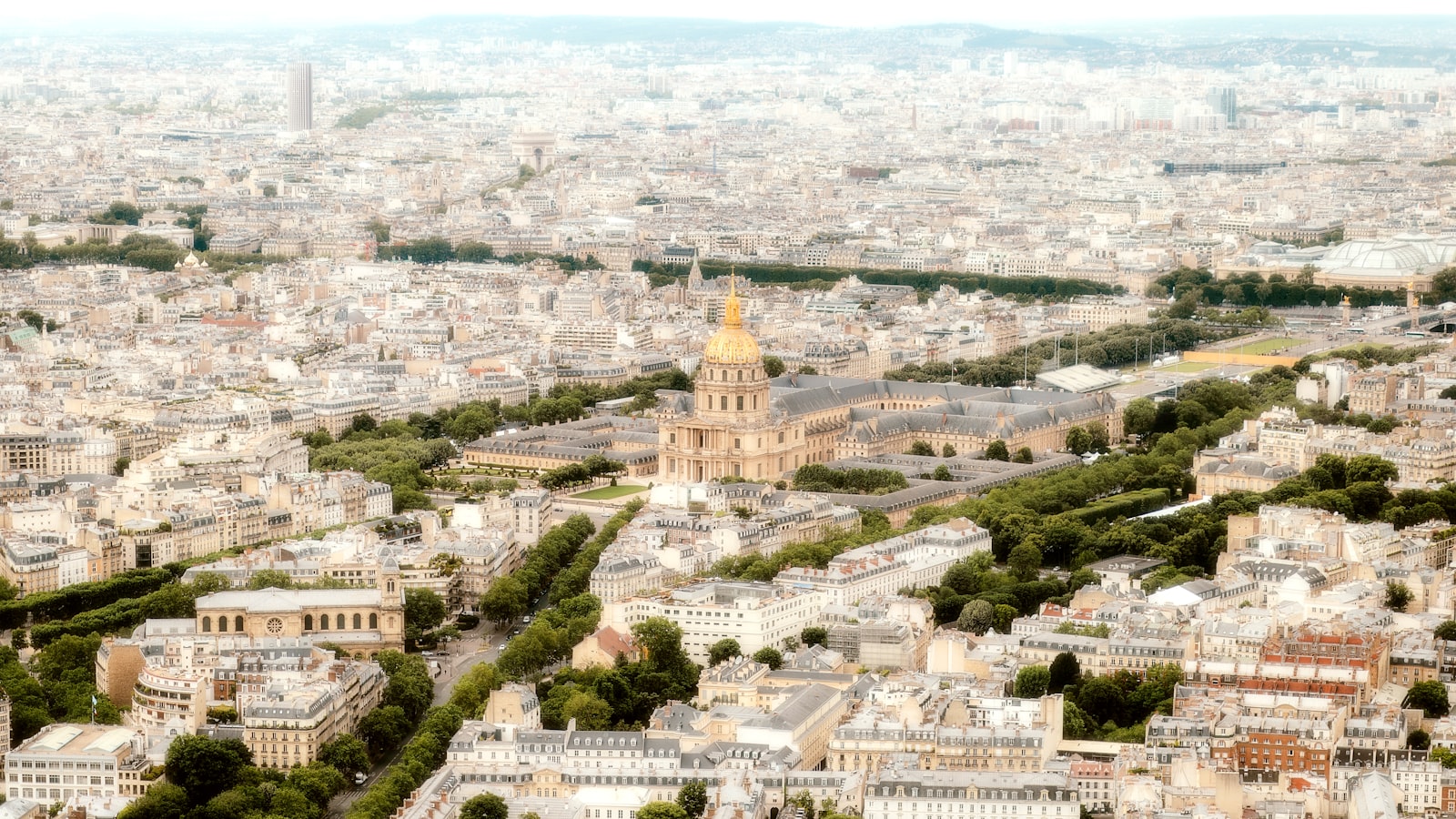
Let me stop you right there: no, Paris is not in Italy. We’ve all seen it happen—someone confidently asking this question at a dinner party, or maybe you’ve had a moment of geographic confusion yourself and wondered. It’s a reasonable question for people who aren’t super familiar with European geography, and honestly, Europe’s geography can be confusing with all its borders and regions and cities that sound vaguely similar.
But let’s clarify the geography quickly, and then let’s talk about the much more interesting thing: how to visit both Paris and Italy in one amazing trip, because that combination is genuinely one of the greatest travel experiences you can have.
The Geography: Where Things Actually Are
Paris is the capital of France, located in north-central France along the Seine River. Italy is its own country entirely, located south and east of France, across the Alps and the Mediterranean region. They share a border (France and Italy do), but they’re definitely separate countries with completely different cultures, languages, and cuisines.
The confusion probably happens because:
- Both are in Europe
- Both are famous, often mentioned together as top European destinations
- Both have amazing food, culture, and history
- People sometimes get European geography mixed up generally
But no, Paris is absolutely in France. Italy is Italy. They’re neighbors, but they’re different countries.
Why does this matter? Because if someone’s asking “is Paris in Italy?” they might actually be interested in visiting both places, which is an absolutely fantastic idea.
Why Both Together Is Actually Perfect
Here’s the thing: Paris and Italy work incredibly well together as a combined trip. They complement each other beautifully, offer contrasting experiences, and are surprisingly easy to visit in succession. This is probably why people conflate them mentally—they’re the two biggest European bucket-list destinations.
Different Vibes, Different Experiences
Paris is sophisticated, elegant, urban, architectural. It’s about world-class museums, romantic walks along the Seine, perfect croissants, intellectual conversations at cafes, and the sense of being in the world’s most glamorous city.
Italy (or at least the parts most tourists visit) is vibrant, chaotic, sensory, intimate. It’s about winding streets, dramatic history, passionate food culture, family-run restaurants, and feeling deeply connected to human culture that spans thousands of years.
Together, they give you the refined elegance of France and the warm, lived-in beauty of Italy. It’s a complete package.
Logistically They Work Together
You can fly into Paris, spend a few days there, then take a cheap flight to Italy (or even a train, depending on which part of Italy). From Paris, you can reach Milan, Venice, or Rome relatively easily. From Italy, you can return to Paris or fly home from an Italian airport.
The infrastructure makes this totally doable. You’re not scrambling to make complicated connections or spending excessive time in transit.
Planning Your Combined Paris and Italy Trip
Option 1: The Classic Week-Plus Itinerary
Days 1-3: Paris
Days 4-7: Northern Italy
Days 8-10: Central Italy
This gives you a balanced trip that hits the major experiences of both countries without feeling rushed.
Option 2: The Deep Dive
Days 1-4: Paris
Days 5-7: Northwestern Italy
Days 8-14: Central/Southern Italy
Option 3: The Reverse Order
Some people prefer to do Italy first, then Paris:
This works just as well. The advantage is ending in Paris if you want that as your final impression, or starting with Italy if you want to warm up before the big Paris experience.
Transportation Between Paris and Italy
Flying:
This is the easiest option. Budget airlines like Ryanair, EasyJet, and Wizz Air offer cheap flights from Paris to Italian cities. You’re looking at:
You’ll need to factor in airport time (arrive 2 hours early, wait for connections, etc.), so total travel time including airport stuff is usually 4-5 hours door-to-door.
Train:
The Paris-Milan route is doable by train. It’s about 18-20 hours with at least one connection (usually through Switzerland). Overnight trains exist and can be romantic but are slow. This makes sense only if you want the train experience itself; flying is faster and often cheaper.
Driving:
If you’re renting a car in Paris, you could theoretically drive south to Italy. It’s about 1,200-1,500 km depending on your route, which is 14-18 hours of driving. This only makes sense if you want to explore the French countryside or Switzerland along the way.
What to Skip and What’s Essential
Essential to Both Places:
Can Definitely Skip:
The point is: prioritize the experiences that matter to you personally rather than trying to see everything.
Practical Advice for Combined Trip
Money:
Factor in flight costs, which will be 30-150 euros between Paris and Italy. Budget is cheaper overall for Italy, so if you do Italy first, you might save money. Paris is pricier.
Language:
English is spoken moderately well in Paris (especially tourist areas, though Parisians famously prefer French). English is spoken less consistently in Italy but enough to get by. Learning a few basic phrases in both languages makes a huge difference in how people treat you.
Time:
Minimum for both places: 7 days (4 Paris, 3 Italy). Better: 10 days (4 Paris, 6 Italy). Ideal: 14 days (5 Paris, 9 Italy). Less than 7 days feels rushed.
Season:
April-May and September-October are ideal for both places. Summer is crowded and hot. Winter is possible but Paris can be gray and many Italian attractions get less sunny. Avoid July-August if possible.
Travel Insurance:
This is always smart but especially important when flying between countries. Make sure you’re covered for disruptions.
The Real Geographic Lesson
Here’s the thing: asking “is Paris in Italy” isn’t dumb. Europe’s geography can be genuinely confusing if you’re not familiar with it. Countries and regions have complicated histories, borders have shifted, and cities have changed names. But part of the joy of traveling to Europe is understanding how these places relate to each other geographically and culturally.
Paris and Italy are distinct places that offer completely different experiences. Visiting both helps you understand why each is special and how Europe’s diversity is its greatest strength.
Why You Should Actually Visit Both
You get the sophistication and elegance of Paris—the museums, the architecture, the refined dining culture, the sense of being in THE world capital of culture and fashion.
And then you get to Italy and experience something different: a messier, more human, more passionate version of culture. Italy feels less polished than Paris, more lived-in, more sensory. The food is less refined but more honest. The people are louder and more expressive. The history is everywhere but not always organized in museum-appropriate ways.
Together, they give you a complete picture of what makes Europe special. And honestly, once you’ve experienced both, you probably understand why people get them confused in the first place—they’re both so vivid and so big in popular imagination that they almost feel like they should be in the same place.
But they’re not. They’re neighbors in the grand European sense, and that’s even better because it means you get to experience two completely different approaches to beauty, culture, history, and food in one trip.
So no, Paris isn’t in Italy. But Paris plus Italy? That’s an absolutely perfect travel combination.




Leave a Reply