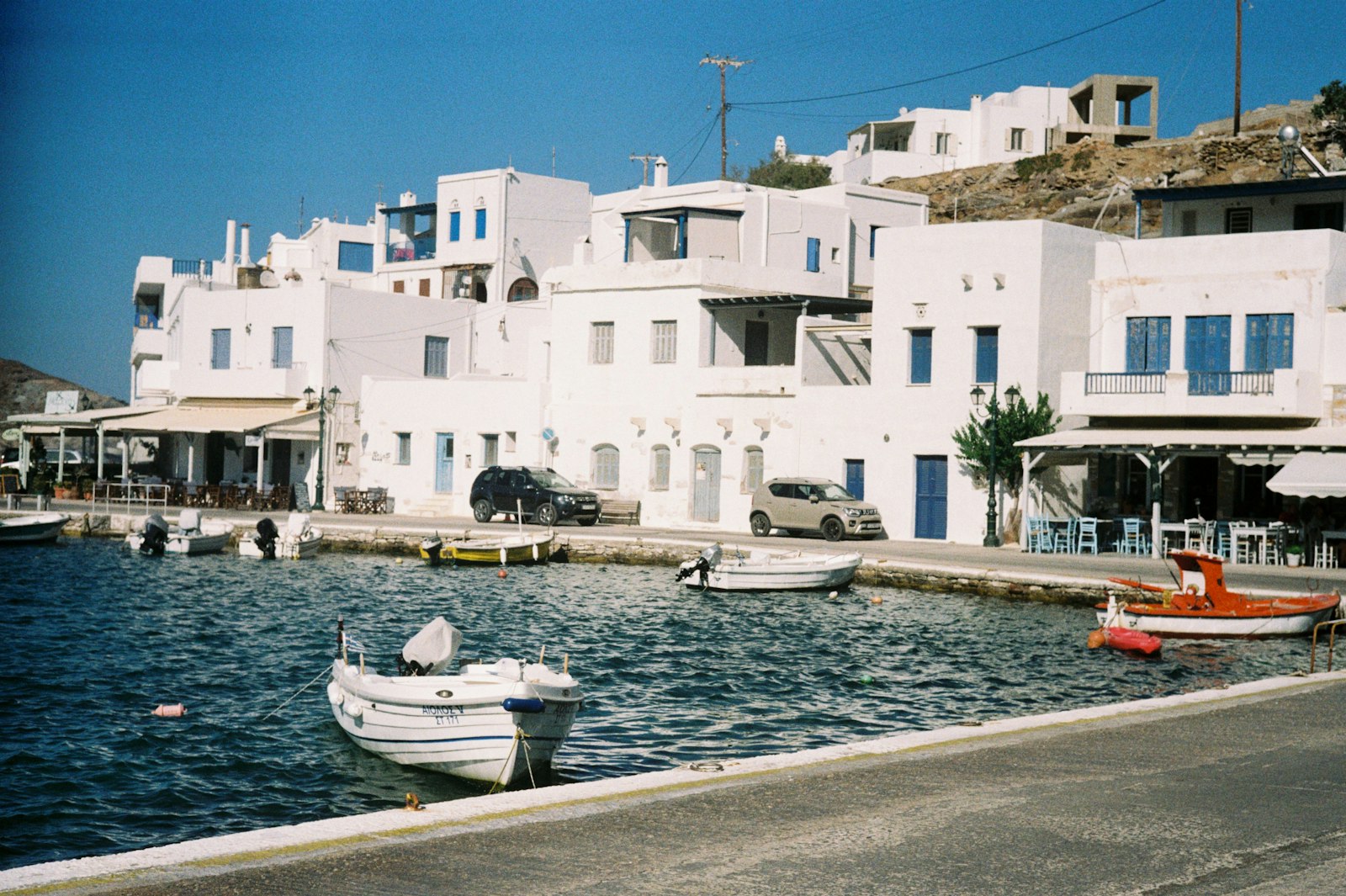
Tinos is that rare island that’s popular enough to have excellent infrastructure but quiet enough to feel genuinely undiscovered. If you’ve explored the major Cycladic islands and want something that offers cultural richness, natural beauty, excellent food, and authentic Greek life without the relentless tourist crowds, Tinos is your answer. This island is remarkable, underrated, and genuinely worth planning an entire trip around.
Why Tinos Is Special
Tinos occupies a unique position in the Cycladic tourism landscape. It gets significant pilgrimage tourism due to the famous Church of Panagia Evangelistria, bringing religious visitors year-round. But it doesn’t get the party-crowd tourism of Mykonos or Santorini‘s Instagram pilgrimage. The result is an island that feels genuinely Greek — locals still outnumber tourists, prices are reasonable, and you can eat and explore without the aggressive commercialization of more-famous islands.
The island’s geology is less dramatically volcanic than Santorini or Milos, but it’s visually beautiful nonetheless — rolling hills, traditional villages perched on ridges, olive groves, and clear Aegean views. The beaches are less famous than those of neighboring islands, which means they’re less crowded.
Culturally, Tinos has a unique identity centered on artistic traditions. The island is famous for traditional pottery, marble working, weaving, and other crafts. Many artists and artisans live here, and this creative energy permeates the island’s character.
Getting to Tinos
Ferry connections: Tinos has ferry service from Athens (Rafina port, about 4-5 hours) and from nearby islands. Ferries run daily or multiple times daily depending on season. Tinos is well-connected to other northern Cycladic islands like Mykonos, Delos, Syros, and Paros, making it easy to include in island-hopping itineraries.
Airports: There’s a small airport, but most travelers arrive by ferry.
The ferry experience: Arriving in Tinos by sea, seeing the port town of Chora and the church basilica dominating the skyline, gives you immediate sense of the island’s character. Unlike ferries to crowded islands, these are pleasantly mellow.
Chora (Town of Tinos): The Capital
Chora is Tinos’ main town and spiritual center. The massive white marble Church of Panagia Evangelistria sits on a prominent hill overlooking the port, visible from the water on arrival. This church is one of Greece‘s most important pilgrimage destinations, and the town exists partly around this religious significance.
Beyond the church, Chora is genuinely charming. The harbor is lined with fishing boats and tavernas serving fresh seafood. The old town streets wind upward from the waterfront through whitewashed buildings. There’s an archaeological museum, art galleries, and numerous traditional shops and kafeneia (coffee houses) where locals gather.
What to see in Chora:
Church of Panagia Evangelistria: The massive, marble-clad basilica dominates the skyline. It was built in the 19th century after a nun reportedly found an icon of the Virgin Mary at this location. The church is genuinely impressive architecturally. Whether you’re religious or not, the building itself is remarkable. The interior is ornate and elaborate. Women are expected to cover shoulders and legs when entering (standard Greek Orthodox church etiquette).
Harbor and waterfront: Walk the waterfront, watch fishing boats, sit at waterfront tavernas. It’s genuinely pleasant and atmospheric. The evening voula (evening stroll) here involves most of the town’s residents.
Old town streets: Wander upward from the harbor through narrow streets. You’ll find art galleries, traditional craft shops, small tavernas, and authentic residential areas. It’s genuinely charming without being aggressively touristy.
Archaeological Museum: Houses artifacts from the island’s Venetian period and earlier. It’s small but interesting if you’re historically inclined. Not a must-see but worth an hour if you have time.
Art galleries: Tinos has a legitimate art scene. Multiple galleries showcase local artists’ work. If contemporary or traditional art interests you, exploring galleries is rewarding.
Traditional Villages: The Real Tinos
Beyond Chora, Tinos’ traditional villages are where the island’s soul lives. These are authentic communities where life proceeds regardless of tourism. Here’s what makes Tinos special: you can visit these villages, eat at family tavernas run by locals, and genuinely connect with how Greek people actually live.
Pyrgos: Marble and Art
Pyrgos is famous for marble working and artistic traditions. The village is built on a ridge with dramatic views toward the sea. The main square is beautiful, marble pavements gleaming white. Workshops throughout the village produce marble sculptures, many sold at prices far lower than you’d pay in Mykonos.
Walking through Pyrgos, you see artisans working — not performing for tourists, but actually working on marble pieces. There’s a marble quarry visible outside town. The Museum of Marble Crafts explains the tradition. The village feels genuinely alive with artistic activity.
What to do: Walk around, visit workshops and galleries, buy directly from artisans (prices are reasonable, quality varies), eat lunch at a village taverna, visit the museum. Spend 2-3 hours minimum.
Eating: Taverna food here is authentic and excellent. Ask locals for recommendations; they’ll direct you to family-owned places.
Volax and Other Mountain Villages
Volax is a hilltop village with interesting granite rock formations (unusual in the Cyclades). The surrounding landscape is dramatic. The village itself is small but charming, with excellent views and a slow pace.
Other notable villages include Tinos (yes, there’s a village with the same name as the island), Trianataros, and numerous smaller communities throughout the island. Each offers authentic village experience, taverna meals, and opportunities to understand how Greek island life actually proceeds.
Dovecotes: Tinos’ Unique Architecture
Tinos is famous for traditional dovecotes — elaborate stone structures decorated with geometric patterns, used historically to house pigeons. Hundreds still dot the island, many beautifully decorated. They’re architectural unique to this island.
You’ll see dovecotes throughout the island, particularly around traditional villages. Some are fully functional; others are ruins. Photography-wise, they’re genuinely beautiful, especially as the sun colors stone red-orange at sunset.
Beaches: Less Famous, Less Crowded
Tinos has numerous beaches. They’re not as famous as Milos or Santorini beaches, which is the point — you find peaceful swimming without crowds.
Kionia Beach: Sandy, long, with shallow water — family-friendly and pleasant. There’s a taverna at the beach. It’s accessible by bus or short drive from Chora.
Agios Fokas Beach: Small, quiet, with tamarisk trees providing natural shade. Less developed than Kionia, more peaceful.
Porto Beach: On the north coast, less accessible, more remote. Scenic and quiet.
Glifada Beach: South coast, sandy, with good swimming. Less crowded than northern beaches.
Most beaches are rocky to sandy, clean, with clear water suitable for swimming and snorkeling. Few have intensive development. Umbrellas and loungers are available on some beaches but minimal at others. Pack a sun-hat and umbrella if you want shade assurance.
Hiking and Outdoor Activities
Tinos has excellent hiking possibilities. The island is relatively hilly, not dramatic like Santorini, but scenic nonetheless. Trails connect villages, pass through farmland and olive groves, and offer views toward neighboring islands.
Popular hikes include:
- Chora to Kionia via coastal route (easy, scenic)
- Villages to villages routes through interior (moderate, rural)
- Coastal cliff trails on windier northern coast (moderate, dramatic)
Most hikes are 5-15 km and accessible to people with reasonable fitness. Trail information is available at the port or tourist information.
Water sports are limited compared to more touristy islands. Swimming and snorkeling are great. Windsurfing exists but isn’t the scene it is on other islands.
Food and Wine Scene
This is where Tinos genuinely shines. The food is excellent, portions generous, and prices remarkably reasonable. Seafood is fresh — fishermen literally bring boats in at harbor and restaurants buy daily catch.
What to eat:
Where to eat:
Eating in Tinos is a genuine highlight. A meal with wine for two people runs €25-40, and quality is high.
Pilgrimage Tourism and the Church
The Church of Panagia Evangelistria brings significant pilgrimage tourism, especially for Greek Orthodox religious holidays (Annunciation Day, Assumption Day). During these periods, the island’s character shifts — more religious tourists, more devotional activity. If you’re spiritual or interested in Orthodox traditions, visiting during these times is interesting. If you prefer quiet, avoid them.
The church itself is beautiful regardless. Even if you’re not religious, the architecture, interior decoration, and the experience of visiting one of Greece’s most important religious sites is culturally valuable.
Cultural Experiences
Art galleries: Multiple galleries feature local and visiting artists. Photography, painting, sculpture, installations. Quality varies, but exploring galleries is enjoyable.
Craft workshops: You can visit marble working, pottery, weaving, and other traditional craft workshops. Some do demonstrations. Many sell work directly, often cheaper than tourist shops.
Local festivals: Various festivals occur throughout the year celebrating traditions, food, and culture. If you’re there during one, attending is genuinely rewarding.
Museum of Marble Crafts: In Pyrgos, explains the island’s artistic traditions. Small but informative.
Practical Logistics
Where to stay: Chora is most convenient with most accommodation and ferry connections. Villages like Pyrgos and Volax offer authentic experience but less infrastructure.
How to get around: Public buses connect major towns and villages. Rental cars and scooters offer flexibility. The island is small enough that nothing is far.
When to go: May-June and September-October are ideal. July-August are hot and busier. Winter is quiet but can be rainy.
Money: Tinos is reasonable for budget travel. Accommodation runs €40-80 for decent rooms. Meals are €10-20 per person. Overall, you can live well on €60-100/day.
Supplies: Chora has supermarkets, pharmacies, and essentials. Villages have fewer services, though many have small markets.
How Long to Stay
Minimum: 2-3 days to see Chora, visit a village or two, and experience the island’s pace.
Ideal: 4-5 days to get truly comfortable, hike, explore multiple villages, experience the food scene, and genuinely feel like a visitor rather than a tourist.
Extended: If you’re really into art, hiking, or wanting to slow down, a week works beautifully.
Many travelers do island-hopping and spend 2-3 days here en route to elsewhere. This works, but the island rewards longer stays with deeper experiences.
Tinos in Your Itinerary
As a northern Cyclades stop: Include in itinerary with Mykonos, Delos, Syros, Paros. It’s well-connected by ferry.
As an escape: If doing crowded islands (Santorini, Mykonos), Tinos makes an excellent quieter break.
Religious pilgrimage: If timing coincides with religious holidays, visiting the church becomes central to the experience.
Solo travelers: Tinos’ friendly atmosphere and safe, walkable towns work well for solo exploration.
Families: Beaches, villages, reasonable prices, and relaxed pace make it good for families.
Final Thoughts
Tinos is what Greek islands were like before mass tourism transformed some of them. It’s authentic, beautiful, culturally rich, and genuinely underrated. You won’t find nightclub parties or Instagram-perfect sunset views here. You’ll find real Greece — working villages, genuine hospitality, excellent food at reasonable prices, artistic tradition, and the kind of travel experience that actually connects you to place.
If you’re tired of Santorini’s crowds or Mykonos’ party scene, if you want to understand how Greek islanders actually live, if you value food and art and quiet over nightlife and massive sights, Tinos is calling. It’s one of the Cyclades’ best-kept secrets, and discovering it yourself is part of its charm.
Arrive without huge expectations, open yourself to wandering villages, eating local food, and talking to people you meet. That’s where Tinos’ magic lives.




Leave a Reply