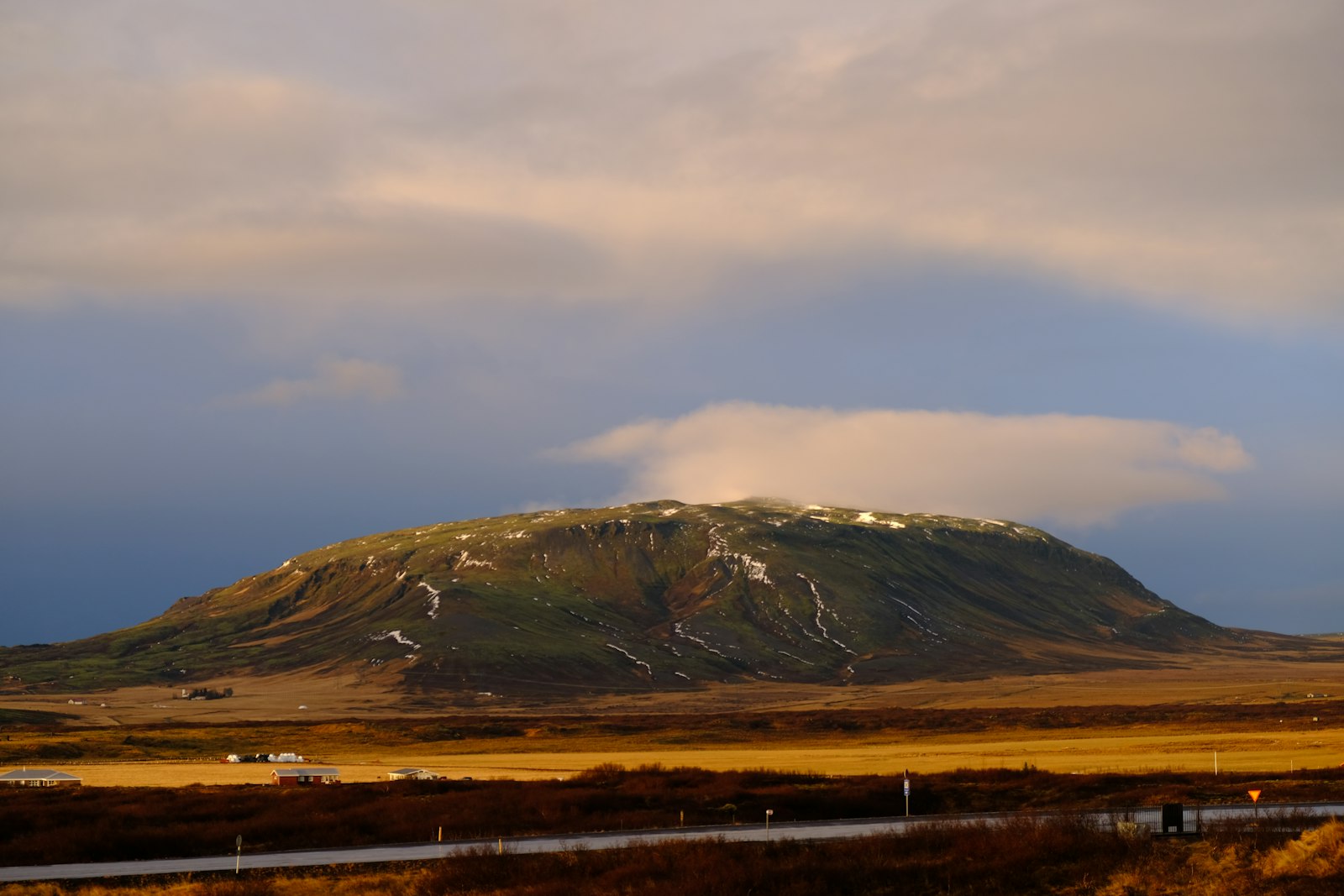
Let me be direct: probably not. Not because Iceland doesn’t have northern lights (it does, phenomenally), but because August is the worst possible month if aurora viewing is your goal. I’m going to explain why, what you should actually expect if you’re planning an August trip, and what you can do instead.
The Hard Truth About August and the Aurora
The northern lights (aurora borealis) require two things: solar activity and darkness. Iceland in August has exactly zero darkness. That’s not hyperbole—in Reykjavik in August, the sun doesn’t set below the horizon at all for about three weeks. Even at “night,” it’s twilight. The sky is never truly black.
The aurora is there. Solar particles are interacting with the magnetosphere. The aurora is absolutely happening above Iceland in August. You just can’t see it because the sky is never dark enough. It’s like trying to see stars during daylight—they’re there, but human eyes can’t detect them because of light pollution, except in this case, the light pollution is literally the sun hanging around all night.
The Midnight Sun in August
First, let’s talk about the midnight sun phenomenon. In August, you’ll experience extended daylight in Iceland. Here’s what that actually means:
In Reykjavik: Sunset occurs around 11:00 PM in early August and gets progressively earlier as the month goes on. Sunrise is around 4:00 AM. You get maybe three to four hours of genuine twilight, never true darkness.
In North Iceland: It’s even more extreme. Akureyri and northern locations get even less darkness.
The experience: This is either amazing or annoying depending on your preferences. You can hike at midnight if you want. You can read a book outside at 1:00 AM without artificial light. It’s genuinely surreal if you’ve never experienced it.
The aurora problem: True darkness doesn’t exist. Even the darkest time (around 2-3 AM) is still twilight, not darkness.
When Do Northern Lights Actually Appear in Iceland?
Northern lights season in Iceland is roughly September through March. But here’s the nuance:
September: Possible but getting increasingly dark toward the end of the month. Best in late September (September 20-30). Still not a guarantee.
October through February: Prime aurora season. Decent darkness, good chance of seeing them if solar activity cooperates. October, November, and February are good. December and January are darkest but cloudiest (more rain, more snow, more cloud cover). Statistically, October and February sometimes have better visibility.
March: Possible early in the month but decreasing as daylight increases.
April through August: Not possible. Too much daylight.
Solar Activity: The Second Factor
Even if you have darkness, you need solar activity. The sun goes through cycles of activity. During times of high solar activity (geomagnetic storms, coronal mass ejections), the aurora is more visible and more intense. During quiet periods, you might have darkness but no visible aurora.
You cannot predict solar activity weeks in advance with certainty. You can look at forecasts, but they’re not guaranteed. This is why aurora chasing is partially luck—you need darkness AND solar activity at the same time.
What To Do About August Aurora Dreams
If you’re absolutely set on seeing northern lights and you’re visiting in August, here are your realistic options:
Option 1: Accept You Won’t See Them This Trip
This is the adult response. You came to Iceland for other reasons. You’ll see waterfalls, glaciers, hot springs, and landscapes that are genuinely life-changing. The northern lights will still be there in September or October when you return.
This is actually the most honest advice. If aurora viewing is your primary goal, don’t visit in August.
Option 2: Plan for a Return Trip in Aurora Season
Commit to returning to Iceland in September, October, or February specifically for aurora hunting. During those months, if you spend multiple nights in areas with minimal light pollution and have reasonable solar activity, your chances increase dramatically.
Option 3: Explore Other Northern Countries in August
If your heart is set on seeing aurora in August, your options elsewhere are essentially zero, because the same midnight sun issue affects all northern latitudes in August. You’d have to travel to places near the Arctic Circle where there’s actual darkness—but even then, August is not aurora season.
Alternatively, if you really want to maximize aurora chances, visit northern countries in September or October instead.
What You Can Experience in August in Iceland Instead
Okay, so aurora is off the table. What can you actually do in Iceland in August that’s spectacular?
Midnight Sun Adventures
The extended daylight is genuinely amazing. You can:
- Hike at midnight under bright daylight
- Read outside without artificial light at 1:00 AM
- Photograph landscapes with continuous light
- Experience circadian rhythm disruption that’s honestly surreal
- Visit sites without dealing with crowds from headlamps and aurora chasers
Puffin Viewing
August is peak puffin season. These adorable seabirds are nesting and relatively easy to observe. Head to Látrabjarg cliffs in the Westfjords or Westman Islands. Puffins are ridiculously cute, and seeing hundreds or thousands of them is a genuinely emotional experience.
Hiking and Outdoor Activities
August has the best hiking weather of the year. You can:
Fishing
August is excellent for salmon and trout fishing if that’s your thing. Iceland has world-class fishing, and August is prime season.
Comfortable Weather
August is the warmest month (relatively speaking—we’re talking 12-15°C or 54-59°F). You can wear lighter layers and be more comfortable than in other seasons.
Photography
The continuous light creates interesting photography opportunities, though it lacks the drama of aurora photography or the golden light of shoulder seasons.
The Reality Check for August Travelers
If you’re already booked to visit Iceland in August, great. You’ll have an amazing time. Just don’t spend your evenings scanning the sky for northern lights. You won’t see them. Use your evenings to explore, hike, photograph midnight sun landscapes, or enjoy the unique experience of Icelandic summer.
If you have flexibility in timing and aurora is your primary goal, reschedule for September, October, or February.
If You’re Committed to August: Alternatives
Some people say “I don’t care, I want to try anyway.” Here are your best-case scenarios:
Late August in the far north: The very latest part of August sees slightly more darkness as you progress toward autumn. If you’re in the northernmost parts of Iceland (Akureyri, Grímsey island), darkness increases slightly. Still unlikely, but marginally better than early August.
South coast is darker: Southern Iceland gets slightly more darkness than the north in August. Still not true darkness, but marginally better. If you absolutely must try for aurora in August, the south is technically your best bet.
Multiple nights in dark locations: The more nights you spend in locations with minimal light pollution (away from towns, on highlands), the slightly better your chances if solar activity is exceptional. But honestly, you’re still fighting the midnight sun.
Aurora tour companies: They operate in August despite the poor odds. If you want the full experience (they’ll drive you around hunting for aurora), they exist. Just understand that their success rate in August is very, very low.
Northern Lights Photography in August?
If you brought expensive camera equipment hoping to photograph aurora in August, that was optimistic planning. You won’t get them. Your expensive long exposures will be wasted on twilight sky that’s not dramatic.
Use your equipment to photograph:
Should You Cancel Your August Trip?
No. Absolutely not. August is fantastic for Iceland. It’s just not fantastic for aurora viewing. These are different goals.
If you wanted:
The Bottom Line
Northern lights in Iceland in August are not a realistic goal. The midnight sun means the sky never gets dark enough. The physics doesn’t change based on how badly you want to see them.
Plan accordingly. If you’re visiting in August, embrace the midnight sun, plan hiking and outdoor activities, enjoy the puffins, and visit in September or October if aurora is important to you.
If you’re already visiting in August, you’ll still have one of the best trips of your life. You just won’t see the northern lights. That’s okay—there’s plenty of other magic happening.
When to Actually Come for Aurora
For the best realistic chance of seeing northern lights in Iceland:
October: Good balance of darkness and good weather. Solar activity is still strong from summer storms. Crowds are lower than winter months.
February: Similar to October—decent darkness, good solar activity on average, and better weather than December/January.
September (late month): Getting darker toward the end of the month. Still good for hiking and other activities.
November and January: Most darkness (December is darkest), but also most cloud cover. Many nights are cloudy, making aurora invisible even if they’re happening.
Book your September or October trip now. Thank me when you see the aurora dancing across the sky at 2:00 AM surrounded by Icelandic mountains.
August in Iceland is amazing—just not for aurora. Plan accordingly, and you’ll have an incredible experience regardless.




Leave a Reply