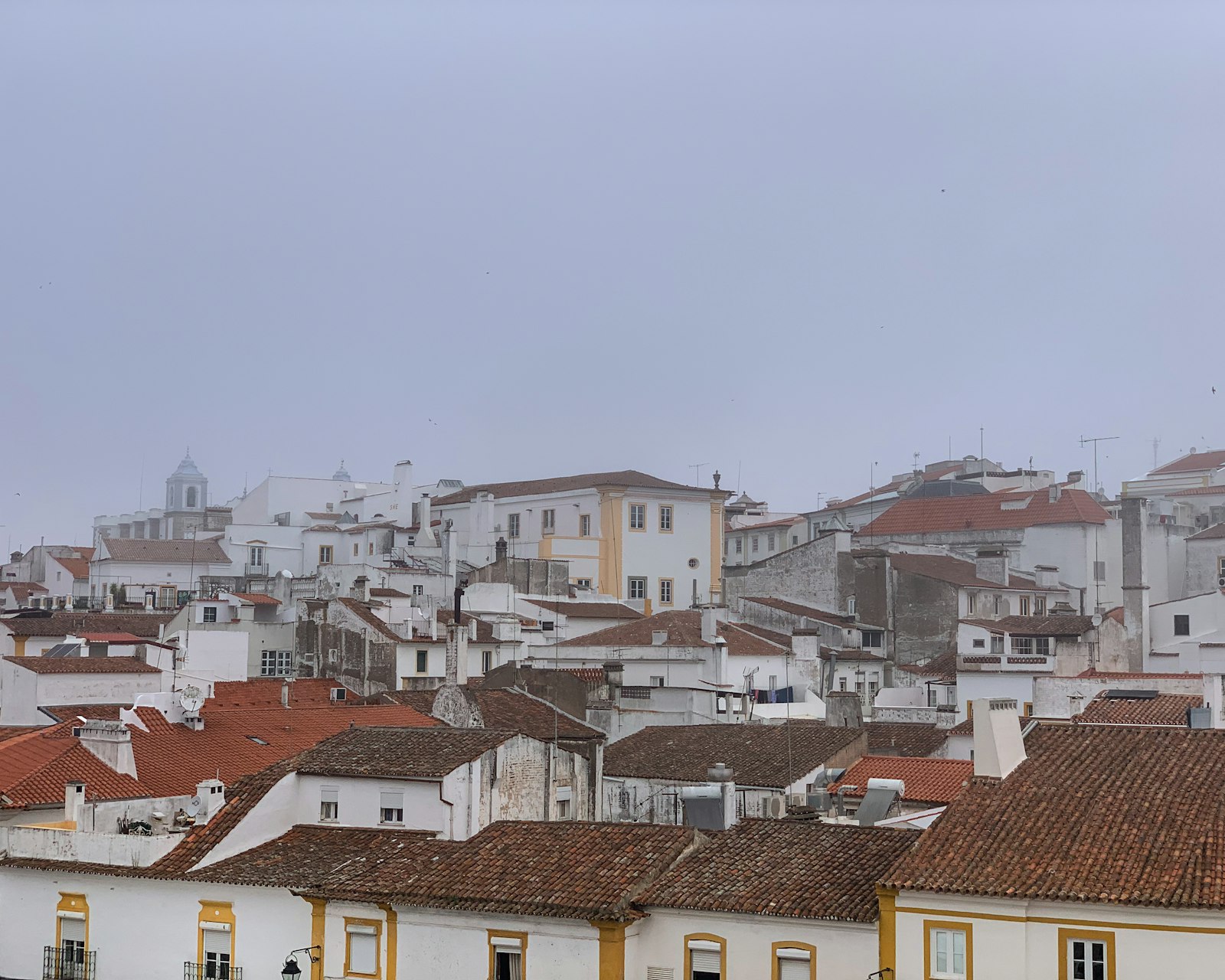
The question itself sounds almost silly. Portugal? Snow? Isn’t Portugal supposed to be perpetually sunny, full of beaches and port wine and endless golden light? But here’s the delightful truth that surprises most visitors: yes, it snows in Portugal. Not everywhere, not constantly, but it happens—and when it does, it transforms Portugal into something entirely different from the sun-soaked postcard version.
Winter in Portugal is genuinely underrated. While much of Europe shivers through gray December days, Portugal offers a completely different experience: cooler temperatures that make exploring cities actually pleasant, fewer tourists, dramatically lower prices, and yes, the possibility of snow in certain regions. Let’s dig into what actually happens in Portugal when winter arrives.
Where Does It Snow in Portugal?
The short answer: the mountains. Portugal isn’t like Switzerland or the Alps, but it does have mountain ranges, and the Serra da Estrela region particularly gets legitimate snow during winter months.
Serra da Estrela: This is Portugal’s highest mountain range, located in the central part of the country. The highest peak, Torre, reaches 1,993 meters—not high by Alpine standards, but high enough to guarantee snow and cold weather. The Serra da Estrela is dramatically beautiful: steep valleys, wooded slopes, dramatic ridge lines, and expansive views. Snow here can be substantial, sometimes creating proper winter scenery from December through February.
Other Mountain Regions: The Peneda-Gerês National Park in the north and the mountains near the Spanish border can also get snow, though conditions vary year to year. These are less reliable than Serra da Estrela but offer spectacular winter trekking possibilities.
The Coastal and Urban Areas: Cities like Lisbon and Porto essentially never see snow at sea level. Temperatures might drop to single-digit Celsius at night, but actual snowfall is extremely rare—maybe once or twice per decade, and it rarely sticks. This is one reason people come to Portugal in winter: it’s genuinely pleasant and mild compared to the rest of Europe.
Winter Weather Across Regions
The Algarve (South): The southern coast is mild even in winter, typically ranging from 8-15°C. Rain is more common than snow. This is where you’d come if you wanted beach time in winter—not always sunny, but rarely cold or miserable.
Lisbon Region: Temperatures typically range from 8-14°C in winter. Mostly dry with occasional rainy periods. Snow is extremely rare, but the light is spectacular and the city is less crowded.
Porto and Central Coast: Similar to Lisbon, typically 7-12°C. More rainfall than the south, more wind, but still relatively mild. The dramatic coastline around Porto is stunning in winter light.
Serra da Estrela and Mountain Regions: Expect 0-5°C at best, with potential for snow, ice, and challenging conditions. Bring proper winter gear. This is legitimately cold.
The North (Border Regions): The far north near the Spanish border gets colder, sometimes dropping below freezing, with occasional snow. This is the closest Portugal gets to true central European winter.
Winter Travel: What It’s Actually Like
December: Often still pleasant, with autumn lingering into early December. Fewer tourists than summer but more than January-February. Some rain begins in earnest mid-month. Prices start dropping significantly.
January: The deepest winter season. Temperatures are at their lowest, snowfall in the mountains is most reliable. Fewer tourists, lowest prices of the year. Some days are gray and rainy, but others are brilliantly sunny. The weather is genuinely unpredictable.
February: Similar to January but occasionally warming slightly toward spring. Still reliably cold in the mountains, still mild on the coast. Still the best prices. February can surprise you with some genuinely beautiful days.
Weather Reality: Portugal’s winter weather is notoriously changeable. You might get a sunny, warm day followed by rainy, cool days, then another burst of sunshine. This unpredictability makes it different from the coast in summer (predictably hot) or the Alps in winter (predictably cold).
Serra da Estrela in Winter: The Experience
If you’re coming to Portugal specifically for snow and winter scenery, Serra da Estrela is where you need to be. The region transforms in winter—snow-covered peaks, crystalline light, and absolute silence in the mountains create a completely different aesthetic than summer green.
What You’ll Find:
- Proper snow from December through February (though conditions vary year to year)
- Hiking trails that become challenging winter treks with snow and ice
- A ski resort (small, by European standards) with a few runs and lifts
- Mountain villages (like Guarda and Covilhã) with authentic Portuguese character
- Dramatic scenic drives through snow-covered peaks
- Genuine winter sport opportunities for those interested
Popular Activities:
What to Expect: It’s cold. If you come here in January, you’re dealing with actual winter. Bring proper winter clothing—waterproof jacket, warm layers, hiking boots suitable for ice, hat, gloves, all of it. The mountains don’t care that it’s Portugal; they care about altitude and physics.
The villages in Serra da Estrela have genuine character because they’re not tourist creations. You’re seeing real Portuguese mountain communities where people have lived for centuries. The food is hearty and excellent. The pace is genuinely slow.
Why Winter Portugal Is Underrated
Price: This is the single biggest advantage. Accommodation prices in winter (especially January-February) are 30-50% less than summer. Restaurants have fewer tourists, allowing locals to dominate the scene. Everything feels less expensive and more authentic.
Solitude: Winter is when Portugal belongs to the Portuguese. You can visit major sights without the summer crowds. Castles, monasteries, and scenic overlooks are yours with minimal competition.
Light Quality: Winter light in Portugal is extraordinary. The sun sits lower, creating dramatic shadows and golden hues at different times of day. Photographers absolutely love winter here.
Weather for Exploring: Summer heat can make walking around cities genuinely unpleasant. Winter temperatures (especially on the coast) are perfect for exploring on foot. You’re comfortable moving around without overheating.
Authenticity: With fewer summer tourists, you encounter more genuine Portugal. Restaurants serve locals, shops are genuine, and you’re not in a tourist bubble.
Variety: You can hike in snow-covered mountains in the morning and be on a 15°C coast in the afternoon if you want. The diversity of experiences is remarkable.
Practical Winter Travel Tips
What to Pack:
Accommodation Considerations: Book places with heating. Some smaller Portuguese accommodations have charm but mediocre heating. Verify this is available. City hotels are generally fine.
Transportation: Driving in winter mountain areas (Serra da Estrela especially) can require winter tires or chains in snow. Buses run reliably but less frequently in winter. Allow extra time for travel.
Restaurant Timing: Many restaurants still close early in winter (around 9-10 PM). Plan dinner earlier than summer if you’re in smaller towns.
Attractions: Major sights remain open, but hours might be shorter. Verify opening times, especially for smaller museums and castles.
Clothing Layers: The single biggest mistake visitors make is underdressing for winter Portugal. It’s cooler than summer, and wind along the coast makes it feel colder than the thermometer indicates. Layers are your friend.
Is Winter Portugal Right for You?
Yes if: You prefer fewer tourists, enjoy lower prices, want to experience a different side of Portugal, enjoy winter landscapes (even if not skiing), appreciate solitude, want excellent light for photography, or are flexible with weather.
Maybe if: You absolutely need consistent sunshine, your tolerance for rain is low, or you specifically need beach weather.
Probably not if: You’re looking for a guaranteed sunny beach vacation (go in summer instead), or you have strong preferences for warm weather.
The Honest Truth About Winter in Portugal
Winter in Portugal is genuinely beautiful, genuinely affordable, and genuinely authentic. It’s not always sunny—some days will be gray and rainy. Some days will be chilly. But those downsides are precisely what keep the tourists away and keep prices low.
The snow in Serra da Estrela reminds you that Portugal has real mountains and real winter. The mild temperatures on the coast remind you that you don’t need Caribbean heat to enjoy travel. The emptier streets and authentic restaurants remind you why traveling in the off-season is often more rewarding than peak season tourism.
So if someone asks you “Does it snow in Portugal?”—yes, it does. More importantly, Portugal in winter is a completely worthwhile, underrated experience that offers something genuinely different from the summer postcard version. If you’re flexible with timing and appreciate authentic travel, winter might be the best time to discover Portugal.




Leave a Reply