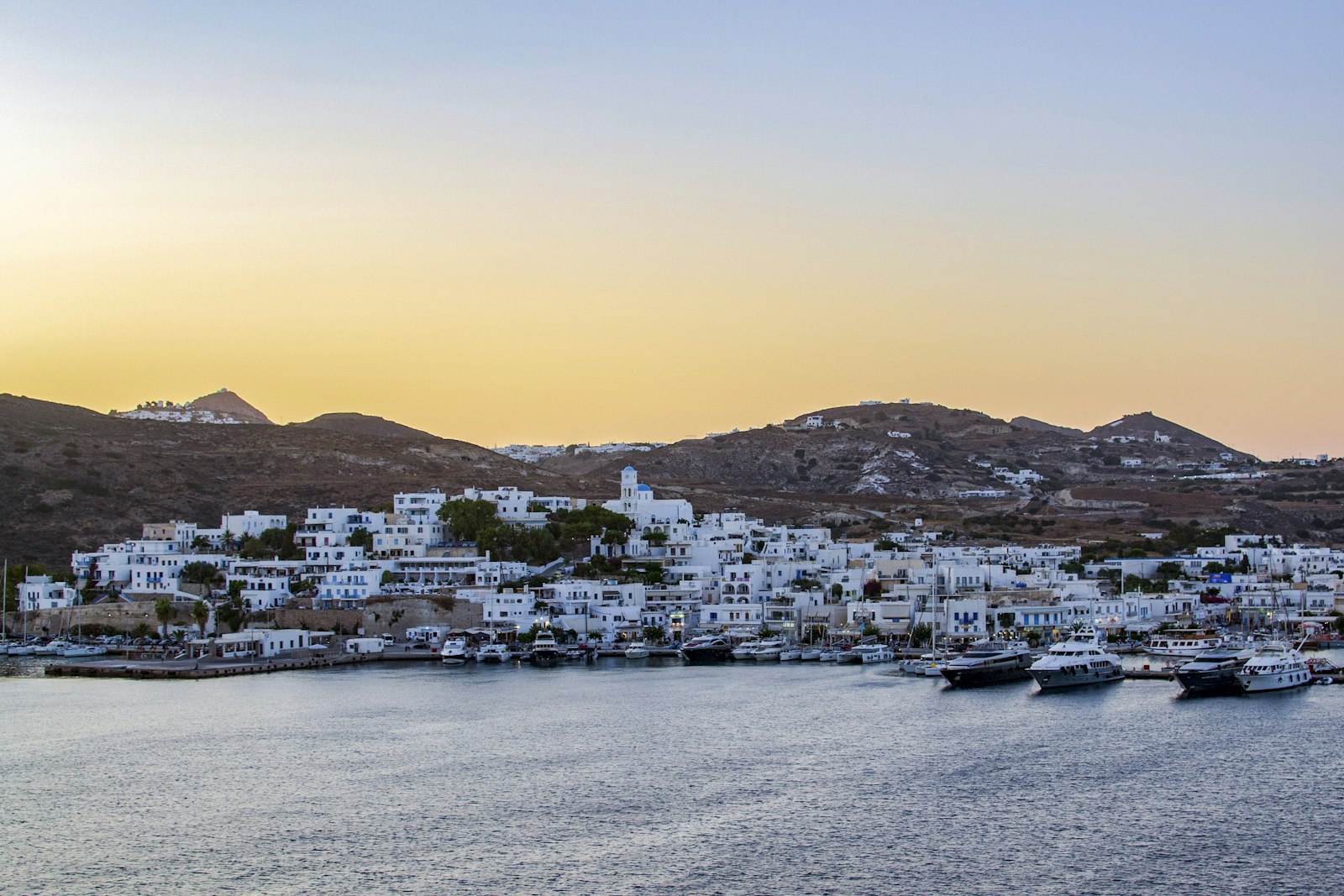
Milos is one of Greece‘s most geologically dramatic islands, famous for stunning landscapes shaped by volcanic activity over millions of years. The result is something visually unlike anywhere else in the Cyclades — colorful rock formations, hidden coves, dramatic cliffs, and beaches that seem almost alien in their beauty. But beyond the Instagram-worthy sights, Milos offers genuine cultural experiences, water activities, and the kind of unhurried island life that makes Greek travel special. Here are the best things to do while you’re here.
The Beaches: Nature’s Masterpieces
1. Sarakiniko Beach
Sarakiniko is the island’s most famous beach, and deservedly so. This crescent-shaped cove is surrounded by dramatic white-gray volcanic rock formations, with bright turquoise water creating an almost surreal color contrast. The rocks are smoothed by centuries of waves and look almost otherworldly.
The beach has minimal sand — mostly smooth rock — so it’s perfect for sunbathing even without a traditional sandy beach. There’s one beach bar for drinks and snacks. It gets busy in peak season but not overwhelmingly so. The water is pristine. Swimming and snorkeling are excellent. It’s absolutely worth the trip.
Tip: Arrive early or later in afternoon to miss crowds. The rock formations create natural shade in some areas.
2. Kleftiko Beach
Kleftiko is accessible only by boat, and that’s partly what makes it magical. This dramatic beach is backed by impossibly tall cliffs and caves once used by pirates (hence the name). The water is so clear that you can see fish and rocky formations beneath the surface from your boat.
Most visitors take organized boat trips from Adamas or Pollonia. The journey takes about 30 minutes each way. You typically get time to swim and snorkel, sometimes with the option to explore sea caves. On some trips, you can swim into caves illuminated by sunlight filtering through cracks in the rock.
Tip: Book boat trips the day before. Morning departures tend to have calmer seas and better lighting for photography. Bring snorkeling gear if you have your own — rental is available but sometimes pricey.
3. Firiplaka Beach
Firiplaka is a more remote, less-visited beach with a completely different vibe from Sarakiniko. It’s surrounded by colorful cliffs with bands of yellow, brown, and reddish volcanic rock. The beach has soft sand and shallow, clear water, making it ideal for families. It’s genuinely beautiful and worth the effort to reach.
You’ll need a car or scooter, and the final approach involves some rough road. Parking can be limited. But the effort is rewarded with a less-crowded, equally stunning beach experience.
Tip: The approach road is rough. Don’t attempt it on a scooter unless you’re very comfortable with rough terrain.
4. Tsigrado Beach
Hidden below a tiny village of the same name, Tsigrado is accessed by descending a narrow tunnel carved through the rock. It feels genuinely adventurous, like you’re discovering a secret. The beach is small, golden-sandy, and surrounded by dramatic cliffs. The water is clear and excellent for swimming.
The tunnel descent takes maybe a minute and isn’t difficult, just interesting. The beach gets some tourists but far fewer than major beaches. The overall experience feels more adventurous and intimate than typical beach visits.
Tip: Wear shoes with good grip. The tunnel is slippery in spots. Bring water and sunscreen; there are no facilities.
5. Paleochori Beach and Hot Springs
Paleochori is unique because it has natural thermal springs that bubble up on the beach, mixing hot water with the cool sea. Floating in the hot water while watching the Aegean around you is surreal and relaxing. The beach itself is pebbly and less visually dramatic than others, but the thermal experience makes it special.
The springs don’t have commercial infrastructure; it’s authentic and local. Bring reef shoes if you have them — the underwater rocks can be sharp.
Tip: Go in late afternoon when it’s less busy and temperatures are warmer. The thermal water is pleasantly warm, not scorching.
6. Gerakas Beach
A quieter, less-touristy golden-sand beach on the northeast coast, Gerakas is perfect if you want swimming and relaxation without the visual drama of other beaches. It’s relatively uncrowded, with clear water and a gentle approach.
Tip: There’s minimal infrastructure, so bring supplies.
Towns and Villages: Culture and Authentic Greece
7. Plaka Village
Plaka is Milos’ most picturesque village — whitewashed houses, blue shutters, and narrow streets cascading down a hillside. The views from the top are spectacular. There’s a small, atmospheric castle and the Cave Church of Thalassitra with Byzantine icons.
The village is compact and rewarding to walk through. Tavernas offer good food with views. It’s touristy but not aggressively so. Spend at least an afternoon and evening here.
Tip: Wear good walking shoes. The streets are narrow and steep. Go at sunset for magical light.
8. Klima
Klima is extraordinary — a handful of traditional fishermen’s houses in bright colors (blue, yellow, red, green) built directly over the water. These are genuine working boat garages called “syrmata,” not tourist attractions. It’s one of Greece’s most photographed locations and for good reason.
It’s very small (walkable in ten minutes) but thoroughly atmospheric. Go early morning or at sunset when light is best. Watch fishermen going about their work. Eat at one of the couple of tavernas. It’s deeply charming.
Tip: There’s limited parking. Arrive early or use a shuttle service if available.
9. Adamas Waterfront
Adamas is working harbor and practical hub, but the waterfront is genuinely pleasant. Fishing boats, fresh seafood tavernas, and genuine Greek life make for good evening wandering. It’s not as picturesque as Plaka but more authentic.
Tip: Walk the waterfront at sunset. Stop for coffee or ouzo at a waterfront cafe.
10. Paleochori Village
Beyond the beach and thermal springs, the village itself is charming and genuinely rural. Tavernas serve excellent seafood. It’s one of the most authentic villages on the island, relatively untouched by tourism.
Boat Trips and Water Activities
11. Boat Trip to Kleftiko Caves
Beyond just beach time, exploring sea caves and rock formations by boat is an unforgettable experience. Multiple boat operators run various itineraries — some include snorkeling, some explore multiple beaches, some focus on caves and geological formations.
These trips typically run €30-50 per person, take 3-5 hours, and are excellent value. You see parts of the island inaccessible from land.
Tip: Book in advance during peak season. Morning departures are often calmer.
12. Snorkeling at Various Spots
Milos has excellent snorkeling. The water clarity is remarkable, and you’ll see colorful fish, octopuses, and the occasional moray eel. Boat trips often include snorkeling time, or you can snorkel from beaches.
Tip: Bring your own gear if possible — rentals work but personal equipment is usually better. The rocky coasts are excellent for snorkeling; sandy beaches less so.
Historical and Cultural Sites
13. Milos Archaeological Museum
The museum houses the famous Venus of Milos (or a replica — the original is in the Louvre), plus excellent collections of ancient pottery, sculptures, and artifacts. The museum is small but impressive. It provides context for the island’s long history.
Tip: Spend an hour here. Combine with a walk through the nearby village.
14. Catacombs of Milos
Used by early Christians in the 1st-5th centuries, these underground burial chambers are unique in Greece and historically significant. They’re accessed through a modern museum structure. It’s atmospheric and fascinating, providing context for early Christian history in the Aegean.
The guided tours are informative and not terribly long. It’s genuinely different from other tourist activities.
Tip: Tours run regularly. Wear comfortable shoes — there’s some walking and stairs.
15. Cave Church of Thalassitra
Located near Plaka, this cave church was built inside a cave and decorated with Byzantine icons. It’s small, atmospheric, and genuinely atmospheric. The setting — a cave overlooking the sea — is remarkable.
Tip: It may not always be open; check locally.
Natural Attractions and Outdoor Activities
16. Sulfur Mines
Milos has a fascinating geological history including mining of sulfur and other minerals. Old mining sites are scattered around the island, and while mining is no longer commercially significant, the landscape tells the story of this history. Some tours include visits to old mines and explanations of geological formations.
Tip: The landscape is genuinely fascinating if you’re interested in geology.
17. Natural Hot Springs at Paleochori
Beyond the beach experience, understanding the geology of hot springs is interesting. The underwater springs mixing with seawater create temperature gradients you can experience while floating.
18. Hiking Coastal Trails
Milos offers several coastal hiking routes with exceptional views. Hikes range from easy waterfront walks to more challenging cliff-edge trails. The scenery — dramatic cliffs, volcanic formations, sea views — is constantly spectacular.
Popular hikes include routes along the southwestern coast accessing remote beaches and viewpoints.
Tip: Start early, bring lots of water, wear sun protection. The island can be hot, and there’s minimal shade on open trails.
Food and Wine Experiences
19. Local Taverna Meals
Milos’ food scene is genuinely excellent. Fresh seafood, traditional Greek dishes, local products, and reasonable prices make eating one of the island’s best experiences. Sit at waterfront tavernas, eat what locals eat, and enjoy authentic Greek hospitality.
Tip: Eat where you see Greeks eating. Ask hotel staff for recommendations. The best meals are often at modest-looking places.
20. Wine and Cheese Tasting
Local producers make modest quantities of wine and cheese. Some open for tastings. It’s a pleasant way to support local production and taste island specialties.
Tip: Ask about local producers when you arrive. They’re happy to receive visitors.
Relaxation and Evening Activities
21. Sunset Observation at High Points
Multiple high points around Milos offer spectacular sunset views — particularly from Plaka castle, or along the rim road. Watching the sun set over the Aegean while the volcanic landscape glows orange and red is genuinely magical.
Tip: Scout locations earlier in day, then position yourself for sunset viewing. Many people gather at obvious spots; find your own vantage point for a more peaceful experience.
Practical Considerations
Getting Around: Most activities require a rental car or scooter (or spending on taxis). The island is small enough that you can reach any activity within 20 minutes from most bases.
Time and Pacing: Milos is best appreciated without rushing. Spend at least 3-4 days if possible. This lets you enjoy beaches, towns, and water activities without feeling pressured. If you have only 2 days, prioritize Sarakiniko and Kleftiko by boat.
Best Time to Visit: May-June and September-October offer ideal weather without peak-season crowds. July-August is very hot, and beaches get crowded. Winter (November-March) has variable weather and some services close.
Costs: Milos is reasonably priced. Boat trips run €30-50. Archaeological sites are €5-8. Meals at tavernas are €10-20 per person. It’s possible to have an excellent day for €50-100 total spending (excluding accommodation).
Photography: Milos is remarkably photogenic. Golden hour light (sunrise and sunset) is magical. High-quality photos are genuinely easy if you show up with a decent camera and basic composition sense. If you’re into photography, Milos is rewarding.
Final Thoughts
Milos succeeds because it offers variety — dramatic beaches alongside authentic villages, boat adventures alongside quiet relaxation, cultural history alongside natural exploration. The island rewards both active adventurers and people seeking peaceful beach time.
The best approach is to plan loose frameworks but leave flexibility. Arrive with must-see items (Sarakiniko, Kleftiko, Plaka, Catacombs), then let the days unfold. The weather, local recommendations, and your mood should guide daily choices.
Milos isn’t about checking boxes; it’s about experiencing an island that feels genuinely different from typical Mediterranean destinations. Every activity here connects you to the island’s geology, history, and authentic Greek culture.




Leave a Reply