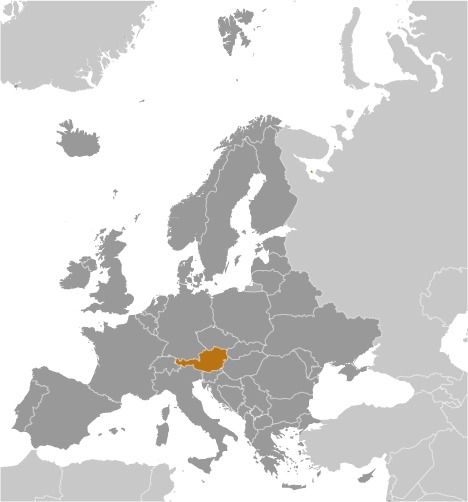
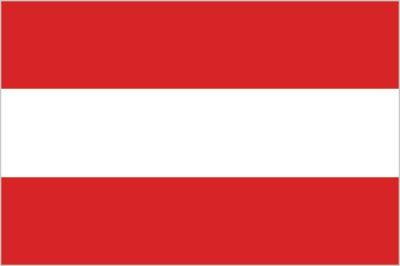
Austria
Your complete guide to Austria
Quick Facts
Capital
Vienna
Population
8,859,449
Languages
German (official nationwide) 88.6%, Turkish 2.3%, Serbian 2.2%, Croatian (official in Burgenland) 1.6%, other (includes …
Currency
euros (EUR)
Area
83,871 sq km
Government
Federal parliamentary republic
About Austria
Austria lies at the heart of Europe, a landlocked Alpine republic whose imperial past left it with a cultural legacy far exceeding its modest size. From the Baroque grandeur of Vienna to the soaring peaks of Tyrol, the country offers an extraordinary concentration of art, music, architecture, and natural beauty.
Once the center of the vast Habsburg Empire, Austria today is a prosperous, politically neutral nation that serves as a hub for international diplomacy — Vienna hosts the United Nations, OSCE, and OPEC. The economy blends advanced manufacturing, tourism, and a strong service sector, while the social safety net ranks among Europe's most comprehensive.
Austrian identity is deeply intertwined with music and the outdoors. The country that produced Mozart, Haydn, Schubert, and the Strauss dynasty remains a global capital of classical music, while its ski resorts, hiking trails, and crystal-clear lakes draw millions of visitors year-round.
History
Austria's history is inseparable from the Habsburg dynasty, which ruled from the thirteenth century until 1918, building an empire that at its height encompassed much of Central Europe, the Low Countries, Spain, and overseas territories. Vienna served as the seat of the Holy Roman Empire and later the Austro-Hungarian Empire, one of the great powers of the nineteenth century.
The empire's collapse after World War I created a small, landlocked republic that struggled economically before being annexed by Nazi Germany in 1938. After World War II, Austria was occupied by the Allied powers until 1955, when the Austrian State Treaty restored sovereignty on the condition of permanent neutrality. Since then, Austria has thrived as a stable democracy and joined the European Union in 1995.
Once the center of power for the large Austro-Hungarian Empire, Austria was reduced to a small republic after its defeat in World War I. Following annexation by Nazi Germany in 1938 and subsequent occupation by the victorious Allies in 1945, Austria's status remained unclear for a decade. A State Treaty signed in 1955 ended the occupation, recognized Austria's independence, and forbade unification with Germany. A constitutional law that same year declared the country's "perpetual neutrality" as a condition for Soviet military withdrawal. The Soviet Union's collapse in 1991 and Austria's entry into the EU in 1995 have altered the meaning of this neutrality. A prosperous, democratic country, Austria entered the EU Economic and Monetary Union in 1999.
CIA World Factbook
Culture & Society
Austrian culture is synonymous with music — the Vienna Philharmonic, the Salzburg Festival, and the city's legendary opera and concert halls attract audiences from around the world. Beyond classical music, the coffeehouse tradition is a UNESCO-recognized cultural practice, and the country's culinary canon — Wiener Schnitzel, Sachertorte, Apfelstrudel — reflects centuries of cross-cultural exchange within the old empire. Alpine folk customs, from yodeling to Krampus parades, add a distinctly regional flavor.
Languages: German (official nationwide) 88.6%, Turkish 2.3%, Serbian 2.2%, Croatian (official in Burgenland) 1.6%, other (includes Slovene, official in southern Carinthia, and Hungarian, official in Burgenland) 5.3% (2001 est.)
Religions: Catholic 57%, Eastern Orthodox 8.7%, Muslim 7.9%, Evangelical Christian 3.3%, other/none/unspecified 23.1% (2018 est.)
Ethnic Groups: Austrian 80.8%, German 2.6%, Bosnian and Herzegovinian 1.9%, Turkish 1.8%, Serbian 1.6%, Romanian 1.3%, other 10% (2018 est.)
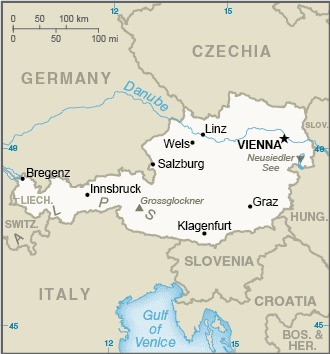
Maps
Articles About Austria
Culture
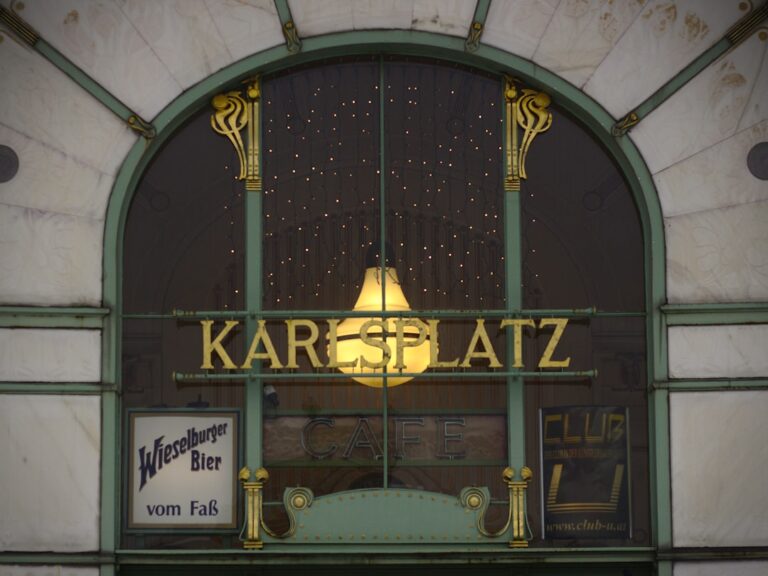
The Café Culture of Vienna: Where Coffee Is an Art Form
In 2011, UNESCO added Vienna's coffee house culture to its list of intangible cultural heritage, recognizing what Viennese residents have…
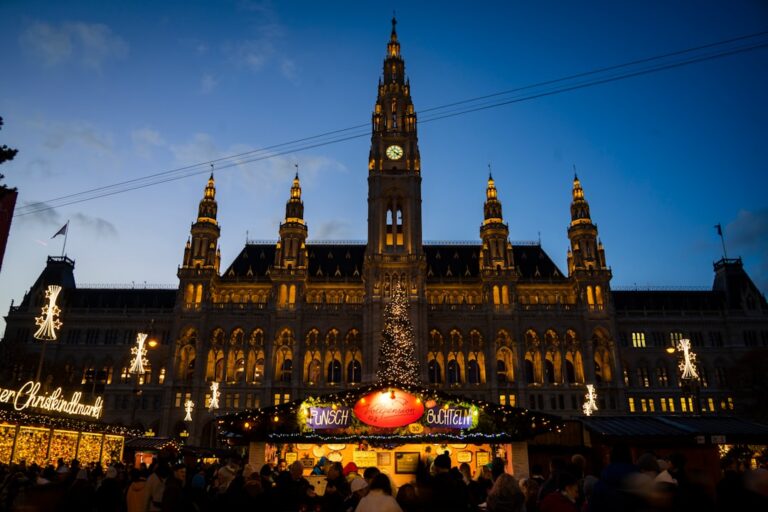
Christmas Markets Ranked: Which European Cities Do It Best?
When the first chill of November settles over the continent, something magical happens in the squares and plazas of European…
History
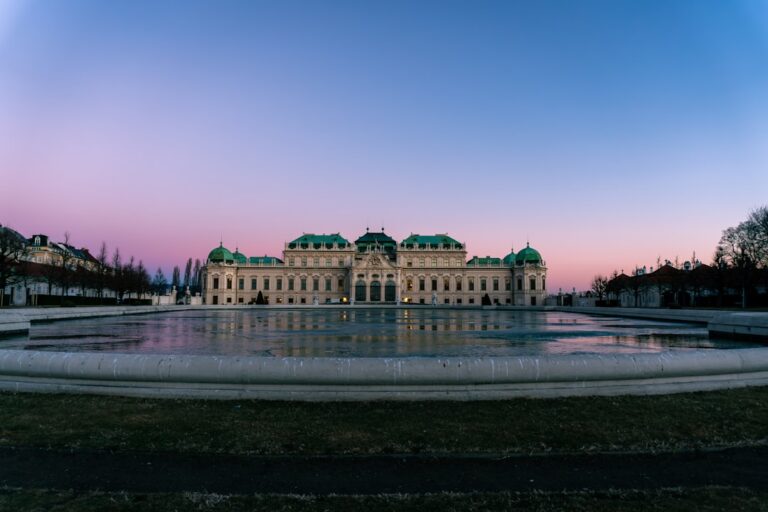
The Habsburg Empire’s Architectural Legacy from Vienna to Zagreb
For over six centuries, the House of Habsburg ruled an empire that at various times encompassed Austria, Hungary, Bohemia, Croatia,…