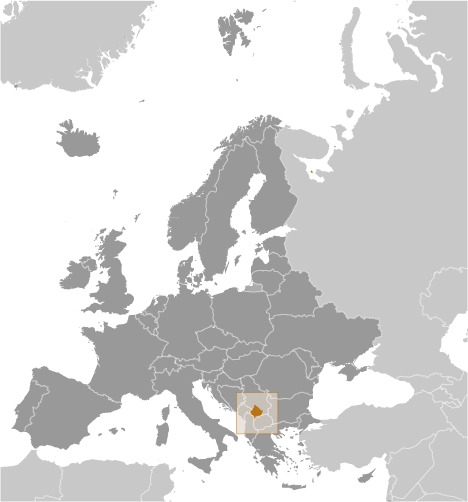
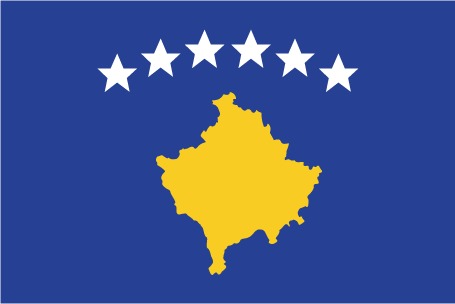
Kosovo
Your complete guide to Kosovo
Quick Facts
Capital
Pristina (Prishtine, Prishtina)
Population
1,932,774
Languages
Albanian (official) 94.5%, Bosnian 1.7%, Serbian (official) 1.6%, Turkish 1.1%, other 0.9% (includes Romani), unspecifie…
Currency
euros (EUR)
Area
10,887 sq km
Government
Parliamentary republic
About Kosovo
Kosovo is one of Europe's youngest nations, having declared independence from Serbia in 2008. This small, landlocked territory in the central Balkans is home to a predominantly Albanian population and a rich tapestry of Ottoman, Serbian Orthodox, and modern cultural influences.
Pristina, the capital, is a youthful, energetic city where Ottoman-era mosques stand alongside brutalist Yugoslav buildings and sleek new cafés. The country's medieval Serbian Orthodox monasteries — particularly Gračanica and the Patriarchate of Peć — are UNESCO World Heritage Sites that testify to Kosovo's complex multi-ethnic past.
Despite the challenges of contested sovereignty (not all UN member states recognize Kosovo), the country has made significant strides in building democratic institutions, and its young, tech-savvy population is one of Europe's most optimistic about the future.
History
Kosovo's history is deeply contested between Albanian and Serbian narratives. The region was the heartland of the medieval Serbian kingdom, and the 1389 Battle of Kosovo Polje is foundational to Serbian national mythology. Under Ottoman rule from the fifteenth century, the ethnic Albanian population grew to become the majority.
The twentieth century brought incorporation into Yugoslavia, autonomy within Serbia (revoked in 1989 by Slobodan Milošević), the devastating Kosovo War of 1998–1999, and NATO intervention. A period of UN administration followed before Kosovo declared independence in 2008 — a status recognized by over 100 countries but still disputed by Serbia and several other states.
The central Balkans were part of the Roman and Byzantine Empires before ethnic Serbs migrated to the territories of modern Kosovo in the 7th century. During the medieval period, Kosovo became the center of a Serbian Empire and saw the construction of many important Serb religious sites, including many architecturally significant Serbian Orthodox monasteries. The defeat of Serbian forces at the Battle of Kosovo in 1389 led to five centuries of Ottoman rule during which large numbers of Turks and Albanians moved to Kosovo. By the end of the 19th century, Albanians replaced Serbs as the dominant ethnic group in Kosovo. Serbia reacquired control over the region from the Ottoman Empire during the First Balkan War of 1912. After World War II, Kosovo's present-day boundaries were established when…
CIA World Factbook
Culture & Society
Kosovar culture blends Albanian and Balkan traditions. The Ottoman heritage is visible in the old bazaars, hammams, and mosques of Prizren, considered Kosovo's cultural capital. Traditional music features the çifteli (a two-stringed instrument), and the cuisine — flija (layered pancake), tavë kosi (baked lamb with yogurt), and Turkish-influenced sweets — reflects centuries of cross-cultural exchange.
Languages: Albanian (official) 94.5%, Bosnian 1.7%, Serbian (official) 1.6%, Turkish 1.1%, other 0.9% (includes Romani), unspecified 0.1% (2011 est.)
Religions: Muslim 95.6%, Roman Catholic 2.2%, Orthodox 1.5%, other 0.1%, none 0.1%, unspecified 0.6% (2011 est.)
Ethnic Groups: Albanians 92.9%, Bosniaks 1.6%, Serbs 1.5%, Turk 1.1%, Ashkali 0.9%, Egyptian 0.7%, Gorani 0.6%, Romani 0.5%, other/unspecified 0.2% (2011 est.)
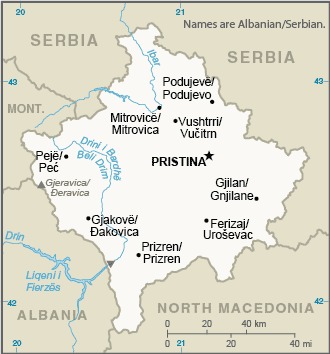
Maps
Articles About Kosovo
Articles
We're still writing about Kosovo. Check back soon or browse the category archive.