Norway
Your complete guide to Norway
Quick Facts
Capital
Oslo
Population
5,467,439
Languages
Bokmal Norwegian (official), Nynorsk Norwegian (official), small Sami- and Finnish-speaking minorities
Currency
Norwegian kroner (NOK)
Area
323,802 sq km
Government
Parliamentary constitutional monarchy
About Norway
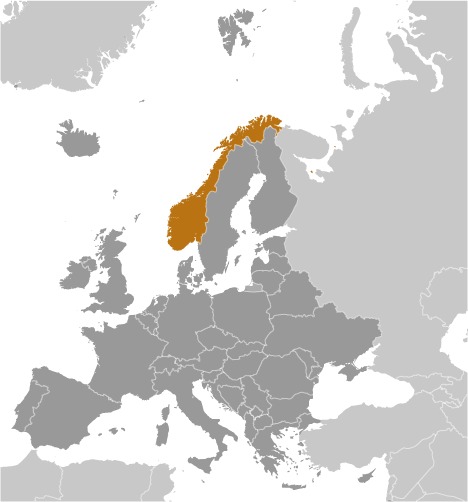
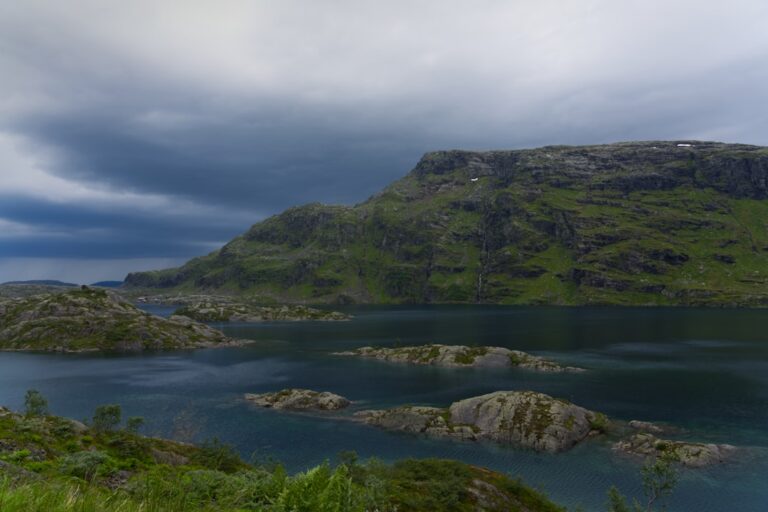
Norway stretches along the western edge of Scandinavia, a long, narrow country of spectacular fjords, northern lights, and midnight sun. Its coastline, if straightened, would stretch halfway around the world, and the dramatic landscapes — from the Lofoten Islands to the Hardangervidda plateau — are among Europe's most awe-inspiring.
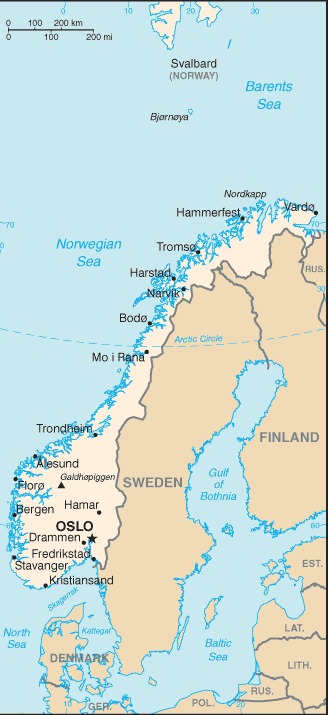
Oslo, the capital, has reinvented itself in recent decades with striking waterfront architecture (the Opera House, the Munch Museum) and a vibrant food and cultural scene. Bergen, Tromsø, and Stavanger each offer distinct gateways to Norway's natural wonders.
Buoyed by vast oil and gas reserves managed through the world's largest sovereign wealth fund, Norway enjoys one of the highest standards of living on the planet. Despite its petroleum wealth, the country is a leader in electric vehicle adoption and environmental policy, and it consistently ranks at the top of the UN Human Development Index.
History
Norway's history begins with the Vikings, whose longships carried them from Scandinavian fjords to Iceland, Greenland, and North America. Medieval Norway was a significant North Atlantic power before entering a union with Denmark that lasted from 1380 to 1814 — a period during which Norwegian culture and language were subordinated to Danish influence.
The forced union with Sweden (1814–1905) ended peacefully, and independent Norway built a modern social democracy. German occupation during World War II (1940–1945) was fiercely resisted. The discovery of North Sea oil in the late 1960s transformed the economy, and Norway chose to remain outside the EU in referendums in 1972 and 1994, preferring EEA membership.
Two centuries of Viking raids into Europe tapered off following the adoption of Christianity by King Olav TRYGGVASON in 994; conversion of the Norwegian kingdom occurred over the next several decades. In 1397, Norway was absorbed into a union with Denmark that lasted more than four centuries. In 1814, Norwegians resisted the cession of their country to Sweden and adopted a new constitution. Sweden then invaded Norway but agreed to let Norway keep its constitution in return for accepting the union under a Swedish king. Rising nationalism throughout the 19th century led to a 1905 referendum granting Norway independence. Although Norway remained neutral in World War I, it suffered heavy losses to its shipping. Norway proclaimed its neutrality at the outset of World War II, but was nonetheless…
CIA World Factbook
Culture & Society
Norwegian culture is shaped by the landscape — the fjords, mountains, and long winters that forged a tradition of outdoor recreation (friluftsliv) and self-reliance. The literary tradition runs from the Viking sagas through Ibsen's revolutionary dramas to contemporary crime fiction. Music ranges from Edvard Grieg's Romantic compositions to a thriving black metal scene. Traditional cuisine features cured salmon (gravlaks), brown cheese (brunost), and stockfish, while the New Nordic movement has elevated Norwegian ingredients to global acclaim.
Languages: Bokmal Norwegian (official), Nynorsk Norwegian (official), small Sami- and Finnish-speaking minorities
Religions: Church of Norway (Evangelical Lutheran – official) 70.6%, Muslim 3.2%, Roman Catholic 3%, other Christian 3.7%, other 2.5%, unspecified 17% (2016 est.)
Ethnic Groups: Norwegian 83.2% (includes about 60,000 Sami), other European 8.3%, other 8.5% (2017 est.)
Maps
Articles About Norway
Culture
Quality of Life in the UK Ain’t What It Used To Be - What About Norway?
Mario Vitanelli is a writer and blogger who specializes in international politics and finance, retirement and investment for www.iexpats.com.
History
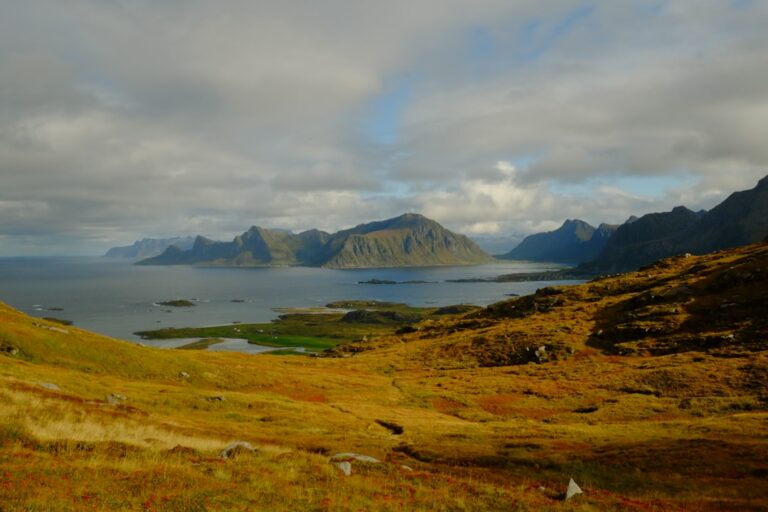
Viking History Trail: Following the Norse Across Scandinavia
The Viking Age, spanning roughly from 793 AD when Norse raiders attacked Lindisfarne monastery to 1066 when Harald Hardrada fell…
Destinations
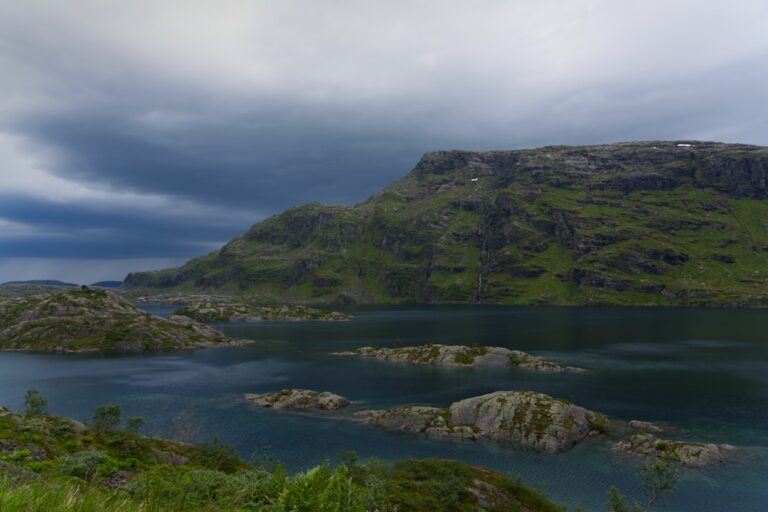
Northern Norway: Chasing the Midnight Sun
There is a moment, standing on the shore of a fjord at two in the morning, when the sun hangs…
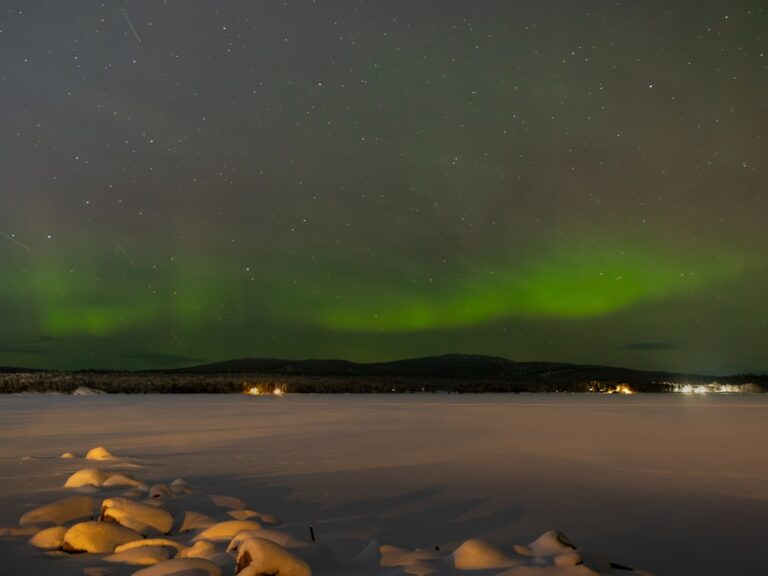
Lapland Beyond Santa: Sami Culture and Arctic Wilderness
For most visitors, Lapland means one thing: Santa Claus.
Travel
Northern Norway: Chasing the Midnight Sun
There is a moment, standing on the shore of a fjord at two in the morning, when the sun hangs…
Lapland Beyond Santa: Sami Culture and Arctic Wilderness
For most visitors, Lapland means one thing: Santa Claus.