Spain
Your complete guide to Spain
Quick Facts
Capital
Madrid
Population
50,015,792
Languages
Castilian Spanish (official nationwide) 74%, Catalan (official in Catalonia, the Balearic Islands, and the Valencian Com…
Currency
euros (EUR)
Area
505,370 sq km
Government
Parliamentary constitutional monarchy
About Spain
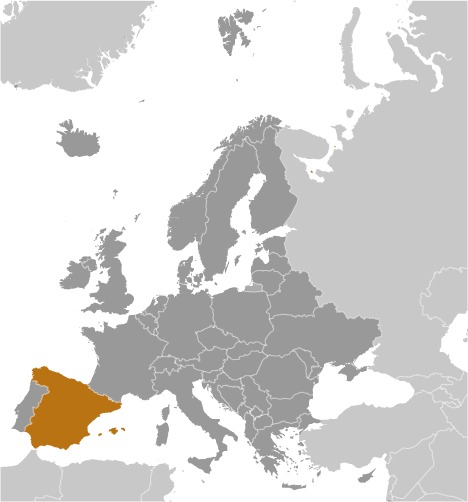
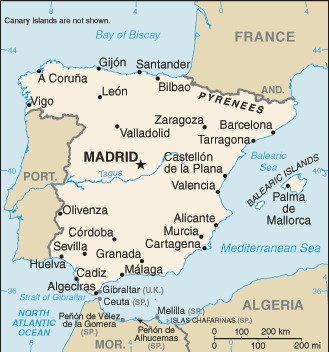
Spain occupies most of the Iberian Peninsula, a diverse kingdom of autonomous communities whose regional identities — Catalan, Basque, Galician, Andalusian — create a country of extraordinary variety within a single state. From the arid meseta of Castile to the green Atlantic coast of Galicia, from Moorish Andalusia to modernist Barcelona, Spain resists any single characterization.
Madrid, the capital, is a city of wide boulevards, world-class art museums (the Prado, the Reina Sofía), and a social life that stretches deep into the night. Barcelona dazzles with Gaudí's visionary architecture, and Seville, Granada, Valencia, Bilbao, and San Sebastián each claim their own cultural gravity.
Spain is the euro zone's fourth-largest economy, one of the world's top tourist destinations, and a global leader in renewable energy. Its social transformation since the end of Franco's dictatorship in 1975 — from authoritarian backwater to vibrant democracy — is one of modern Europe's great success stories.
History
Spain's history is a pageant of civilizations: Phoenician traders, Roman legions, Visigothic kingdoms, and nearly eight centuries of Moorish rule that left an indelible architectural and cultural legacy. The Reconquista culminated in 1492 — the same year Columbus sailed for the Americas under the Spanish crown, inaugurating a vast colonial empire.
The Spanish Empire declined from the seventeenth century, and the nineteenth and twentieth centuries brought civil wars, the loss of overseas colonies, and the devastating Spanish Civil War (1936–1939), which installed Franco's dictatorship. The transition to democracy after Franco's death in 1975, guided by King Juan Carlos I, is a model of peaceful political transformation. Spain joined NATO in 1982 and the European Community in 1986.
Spain's powerful world empire of the 16th and 17th centuries ultimately yielded command of the seas to England. Subsequent failure to embrace the mercantile and industrial revolutions caused the country to fall behind Britain, France, and Germany in economic and political power. Spain remained neutral in World War I and II, but suffered through a devastating civil war (1936-39). A peaceful transition to democracy following the death of dictator Francisco FRANCO in 1975, and rapid economic modernization (Spain joined the EU in 1986) gave Spain a dynamic and rapidly growing economy, and made it a global champion of freedom and human rights. More recently, Spain has emerged from a severe economic recession that began in mid-2008, posting four straight years of GDP growth above the EU average.…
CIA World Factbook
Culture & Society
Spanish culture is a feast for the senses. Flamenco — with its passionate singing, guitar, and dance — is the soul of Andalusia, while the Basque Country and Catalonia maintain their own rich artistic traditions. Spanish cuisine varies enormously by region: tapas in the south, pintxos in the Basque Country, paella in Valencia, and jamón ibérico everywhere. The siesta, the paseo, and the late-night dinner express a relationship with time and pleasure that is distinctly Spanish.
Languages: Castilian Spanish (official nationwide) 74%, Catalan (official in Catalonia, the Balearic Islands, and the Valencian Community (where it is known as Valencian)) 17%, Galician (official in Galicia) 7%, Basque (official in the Basque Country and in the Basque-speaking area of Navarre) 2%, Aranese (official in the northwest corner of Catalonia (Vall d'Aran) along with Catalan, <5,000 speakers)
Religions: Roman Catholic 68.9%, atheist 11.3%, agnostic 7.6%, other 2.8%, non-believer 8.2%, unspecified 1.1% (2019 est.)
Ethnic Groups: Spanish 86.4%, Moroccan 1.8%, Romanian 1.3%, other 10.5% (2018 est.)
Maps
Articles About Spain
Culture
Why Europeans Eat Dinner So Late (And How to Adjust)
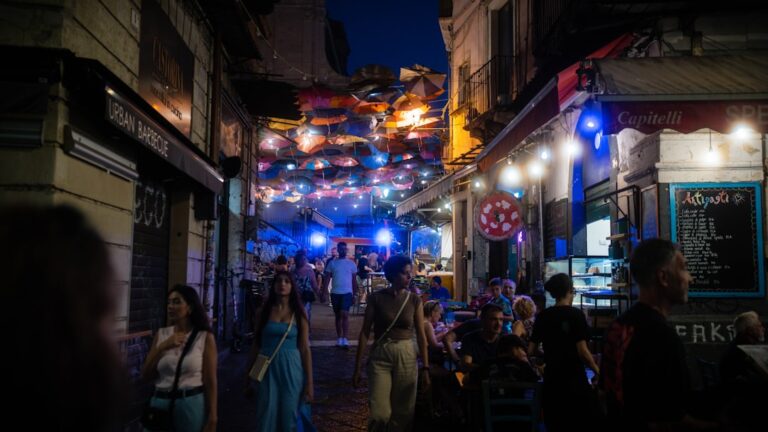
It is 9:30 on a Tuesday night in Madrid, and the restaurants are just starting to fill. Families with young…
The Siesta Is Dying: How Southern Europe Is Changing
For centuries, the midday break was as much a part of Mediterranean life as olive oil and stone churches. Shops…
Europe's Strangest Festivals: Tomato Fights, Cheese Rolls, and Baby Jumping
Europe takes its festivals seriously, and by seriously, we mean completely absurdly.
History
The Camino de Santiago: 1,000 Years of Pilgrimage
Every year, hundreds of thousands of people from around the world lace up their boots and walk across northern Spain…
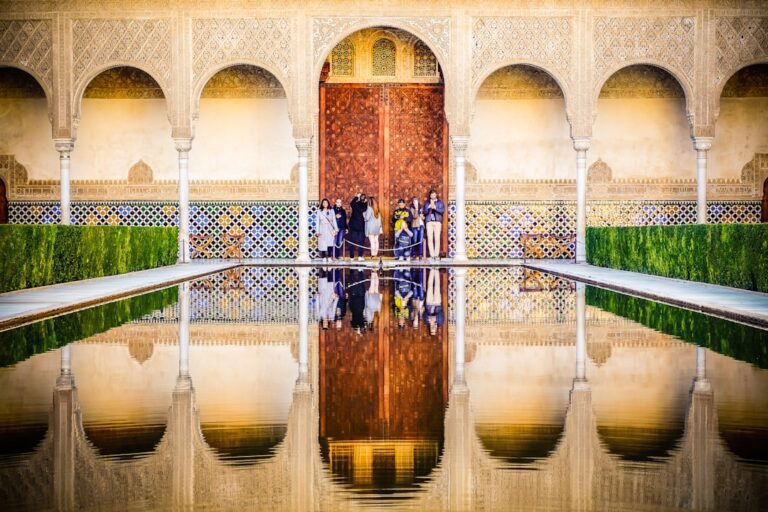
The Moorish Legacy in Southern Spain: Architecture and Beyond
For nearly 800 years, from the Umayyad conquest of 711 AD to the fall of Granada in 1492, much of…
Destinations
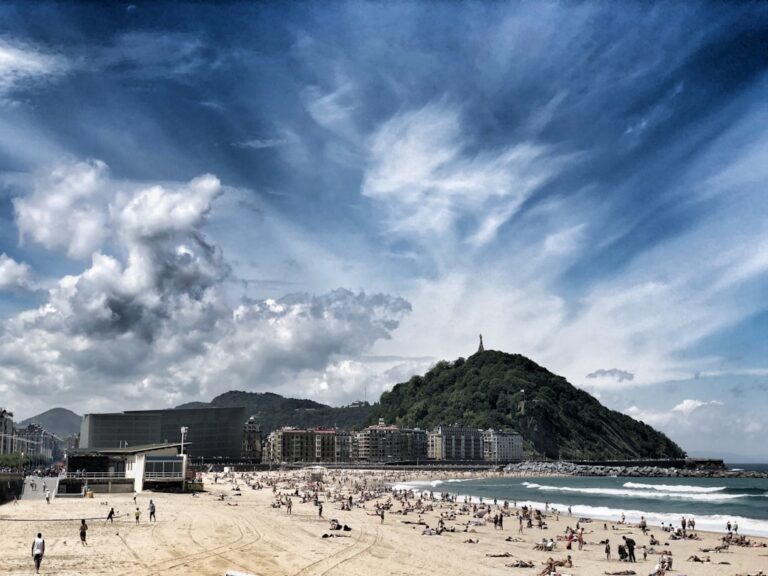
The Basque Country: Europe's Most Mysterious Culture
Straddling the border between Spain and France along the Bay of Biscay, the Basque Country is unlike anywhere else in…
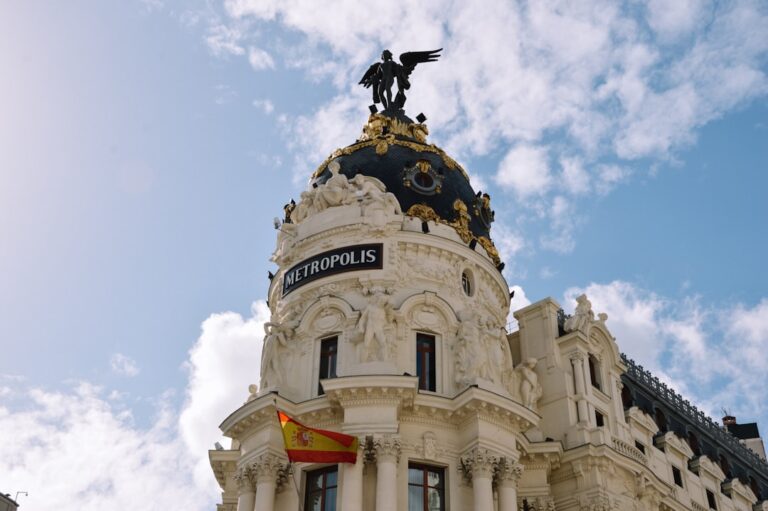
Insider’s guide to Madrid: the lesser-known art of Spain’s crowning capital
When it comes to art, Madrid knows few rivals.
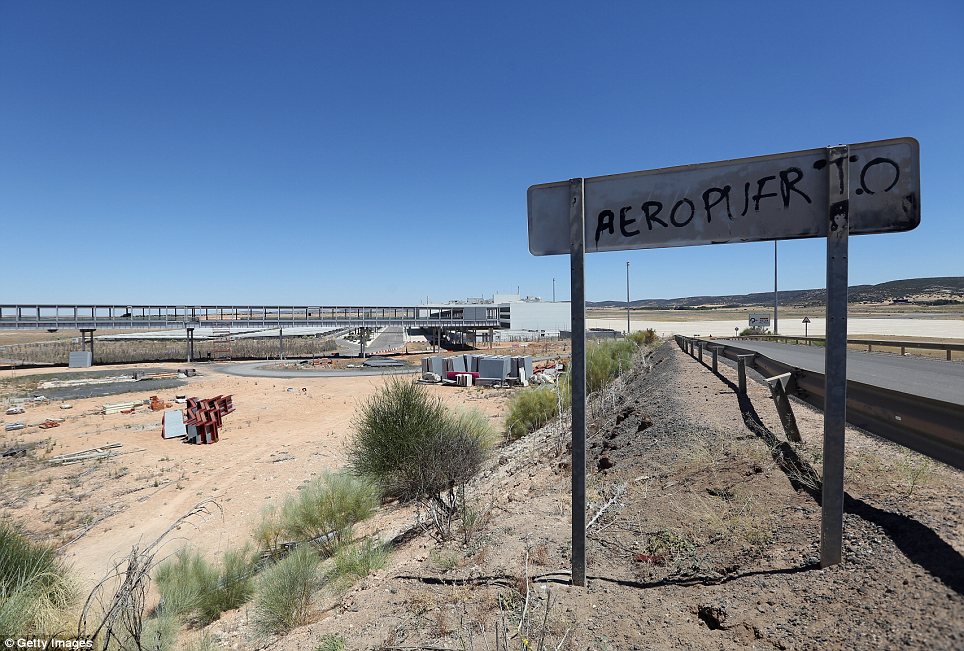
Spain's Brand New Abandoned Airport
Much in Spain is feeling the affects of their current economic troubles.
Travel
Europe's Strangest Festivals: Tomato Fights, Cheese Rolls, and Baby Jumping
Europe takes its festivals seriously, and by seriously, we mean completely absurdly.
The Basque Country: Europe's Most Mysterious Culture
Straddling the border between Spain and France along the Bay of Biscay, the Basque Country is unlike anywhere else in…
Food & Drink
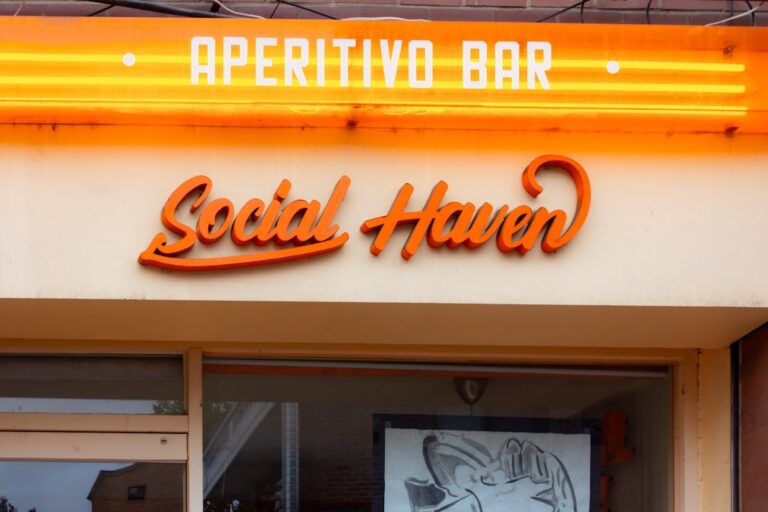
A Beginner's Guide to Spanish Tapas: What to Order and How
Tapas are not a meal. They are an attitude.