You have a splitting headache in Barcelona, a suspicious rash in Berlin, or an upset stomach in Athens. Back home, you would wander into a CVS or Walgreens and grab what you need off the shelf. In Europe, the experience is profoundly different — and in many ways, considerably better. European pharmacies are not just stores that happen to sell medicine. They are frontline healthcare institutions staffed by highly trained professionals who can diagnose minor ailments, recommend treatments, and save you an expensive trip to the doctor.
The Green Cross: Your Beacon of Relief
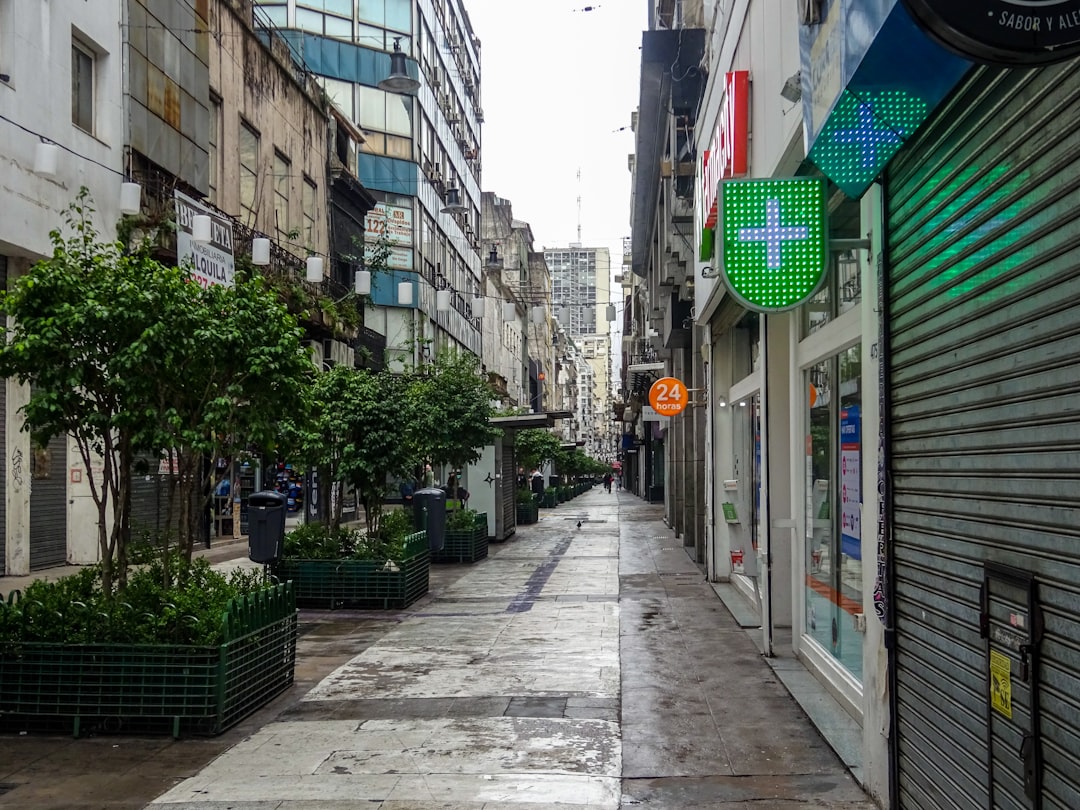
The first thing you need to know is how to find a pharmacy. Look for the green cross — usually an illuminated LED sign that glows or flashes — mounted on the building exterior. This symbol is nearly universal across Europe, from Lisbon to Tallinn. In France, it is the pharmacie. In Germany, the Apotheke. In Italy and Spain, the farmacia. In Greece, the farmakeío. Whatever the language, that green cross means help is nearby.
The Pharmacist as Healthcare Provider
European pharmacists undergo rigorous university training — typically five to six years — and are authorized to do far more than their American counterparts in a retail setting. Walk into a French pharmacie with a sore throat, and the pharmacist will examine you, ask detailed questions, and recommend a specific treatment. In Spain, pharmacists can prescribe certain medications that would require a doctor visit in the United States. Italian pharmacists routinely perform basic health checks, including blood pressure measurements. This is not a casual clerk pointing you toward aisle seven; this is a consultation with a medical professional.
Over-the-Counter Differences
One of the biggest adjustments for American travelers is that many medications freely available on store shelves in the US are kept behind the counter in Europe. You cannot simply grab a box of ibuprofen off a rack in most European countries. You must ask the pharmacist for it. This applies to common painkillers, antihistamines, cold remedies, and digestive aids. Conversely, some medications that require prescriptions in the US — certain antibiotics, stronger anti-inflammatories, and some topical treatments — can be dispensed by European pharmacists without a prescription, depending on the country.
Brand names also differ significantly. The ibuprofen you know as Advil might be sold as Nurofen in the UK, Dolormin in Germany, or Moment in Italy. Acetaminophen (Tylenol) is called paracetamol throughout Europe, sold under brands like Doliprane in France, Ben-u-ron in Germany, and Tachipirina in Italy. Bring a list of the generic names of any medications you rely on. A pharmacist who has never heard of Benadryl will immediately recognize diphenhydramine.
Prescriptions and Insurance
Transferring an American prescription to a European pharmacy is generally not possible. European pharmacies do not recognize US prescriptions. If you take daily medication, bring enough to last your entire trip plus a few extra days as a buffer. Carry medications in their original labeled bottles, and keep a copy of your prescription or a letter from your doctor listing your medications by generic name. If you run out or lose your medication, a European doctor can write a local prescription — another reason travel insurance with medical coverage is essential.
Hours, Holidays, and Night Pharmacies
European pharmacies typically keep regular business hours — roughly 9 a.m. to 7 p.m., Monday through Saturday — but every city and town operates a rotation system for nights, Sundays, and holidays. In France, the pharmacie de garde system ensures at least one pharmacy is open at all times. In Germany, a sign posted on the door of any closed Apotheke will direct you to the nearest open one. In Spain, look for the farmacia de guardia. Many countries also have apps and websites that show which pharmacies are currently open.
Tips for Your Visit
- Learn a few key words: headache (mal de tête, Kopfschmerzen, mal di testa), stomach pain, allergy, cough.
- European pharmacies also sell high-quality skincare, sunscreen, and cosmetics — French pharmacy brands like La Roche-Posay and Bioderma are beloved worldwide.
- Prices are often regulated and surprisingly affordable compared to US pharmacy costs.
- If the pharmacist cannot help, they will refer you to a doctor or clinic — and can often call ahead for you.
The European pharmacy is an institution that Americans often discover with delighted surprise. It combines convenience, expertise, and genuine care in a way that puts many American retail pharmacy experiences to shame. That glowing green cross is not just a sign — it is a promise of competent, personal healthcare, even when you are far from home.




Leave a Reply