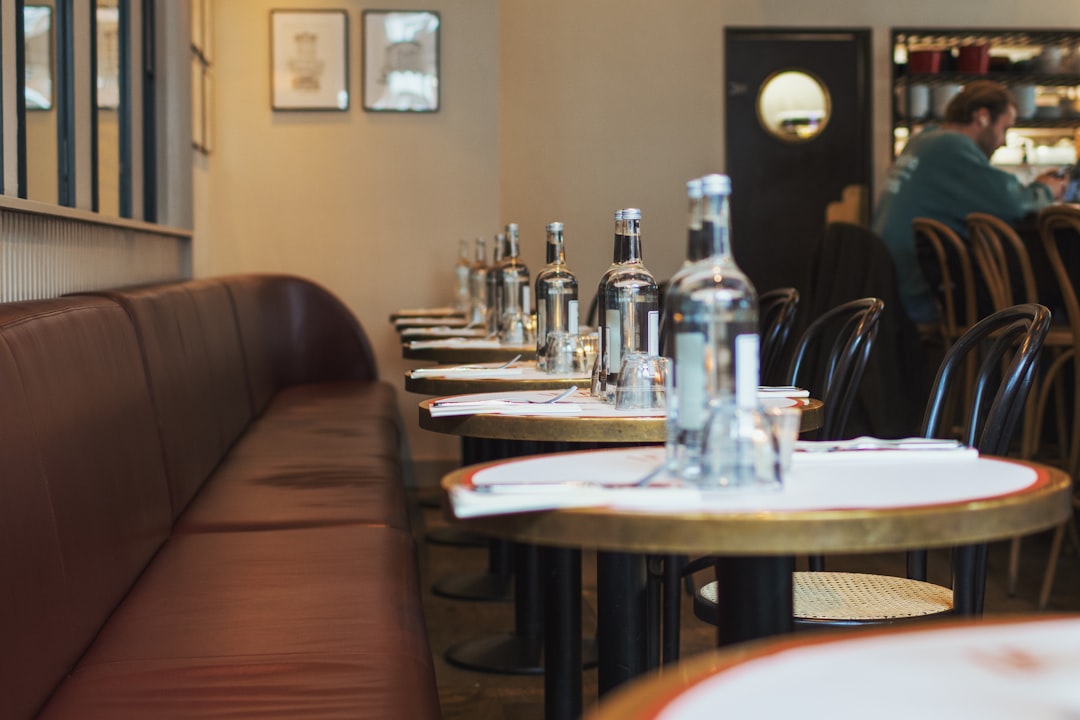
Few topics cause American travelers more anxiety than tipping in Europe. At home, the rules are deeply ingrained — 20 percent at restaurants, a dollar per drink at the bar, tips for the hotel maid, the taxi driver, the hairdresser. In Europe, the entire framework shifts. Servers earn living wages. Service charges are often included in the bill. And in some countries, leaving a large tip can be confusing or even mildly insulting. Understanding the local tipping culture is not just about money — it is about showing respect for how each country structures its service economy.
The Fundamental Difference
In most European countries, restaurant workers receive a full salary with benefits, including healthcare and paid vacation. The price on the menu is the price you pay, and it is designed to cover all costs, including fair compensation for the staff. This is why European restaurant prices sometimes seem higher than their American equivalents — the labor cost is already baked in. Tipping, where it exists, is a gesture of appreciation for good service, not a financial necessity for the server.
Germany and Austria
The German approach to tipping is elegant in its simplicity: round up. If your bill is 27 euros, you hand over 30 and say “stimmt so” (keep the change). For larger meals, leaving 5 to 10 percent is generous and appreciated. In Austria, the custom is similar, though Viennese café culture sometimes warrants a slightly more generous tip, particularly if you have occupied a table for two hours reading newspapers. Important: you tell the server the total amount you wish to pay when they come to collect, rather than leaving money on the table after they leave.
France
French restaurant bills include a mandatory service charge — service compris — typically 15 percent. Your server has already been paid through this charge. Leaving an additional tip is not expected, but it is a kind gesture for excellent service. A euro or two on the table, or rounding up the bill, is perfectly appropriate. At a fine dining restaurant, you might leave five to ten percent on top of the service charge, but even this is optional. At a café where you had just a coffee, leaving the small coins from your change is sufficient.
Italy
Italy has the coperto — a cover charge of one to three euros per person that appears on your bill. This is not a tip; it is a standard fee that covers bread, table setting, and service. Some restaurants also add a servizio charge. If neither appears on your bill, leaving a euro or two per person is a nice gesture. Italians themselves rarely tip at casual restaurants, though they might round up at higher-end establishments. Do not leave 20 percent — it will bewilder your server.
United Kingdom and Ireland
The UK is the European country where tipping most closely resembles American customs, though at lower percentages. Ten to twelve percent is standard at sit-down restaurants, and many now add an optional service charge to the bill. You are within your rights to ask for it to be removed if service was poor. At pubs, tipping is not expected when ordering at the bar, though you might offer the bartender a drink by saying “and one for yourself.” In taxis, rounding up to the nearest pound is customary.
Scandinavia
Denmark, Sweden, Norway, and Finland have some of the best-compensated service workers in the world. Tipping is genuinely optional and minimal. Rounding up a restaurant bill or leaving 5 to 10 percent for exceptional service is appreciated but never expected. Many transactions are cashless, and the card reader may not even prompt for a tip. Do not feel guilty about paying the exact amount — nobody else at the restaurant is tipping either.
Iceland
Tipping in Iceland is essentially nonexistent. Service workers are well paid, prices already reflect this, and locals do not tip. If you leave a tip, the server will likely be surprised and may even try to return it. Simply pay your bill and say thank you.
Eastern Europe
In Poland, the Czech Republic, Hungary, and other Central and Eastern European countries, tipping culture falls between Western European modesty and American generosity. Ten percent is a standard and appreciated tip at restaurants. In Budapest, be cautious at restaurants that add a service charge automatically — check your bill before tipping on top of it. In Prague, the tourist-heavy restaurants sometimes expect tips, but locals rarely leave more than rounding up.
When Not to Tip
- At fast food or counter-service restaurants anywhere in Europe
- When a service charge is already included (unless service was truly outstanding)
- At self-service hotel breakfast buffets
- In Iceland, period
- When the waiter has been genuinely rude (rare, but it happens)
The golden rule is this: when in doubt, round up. You will never offend anyone by leaving a modest tip in Europe, and you will never be expected to leave a large one. Relax, pay fairly, and trust that the server is being compensated properly by their employer — the way it probably should work everywhere.




Leave a Reply