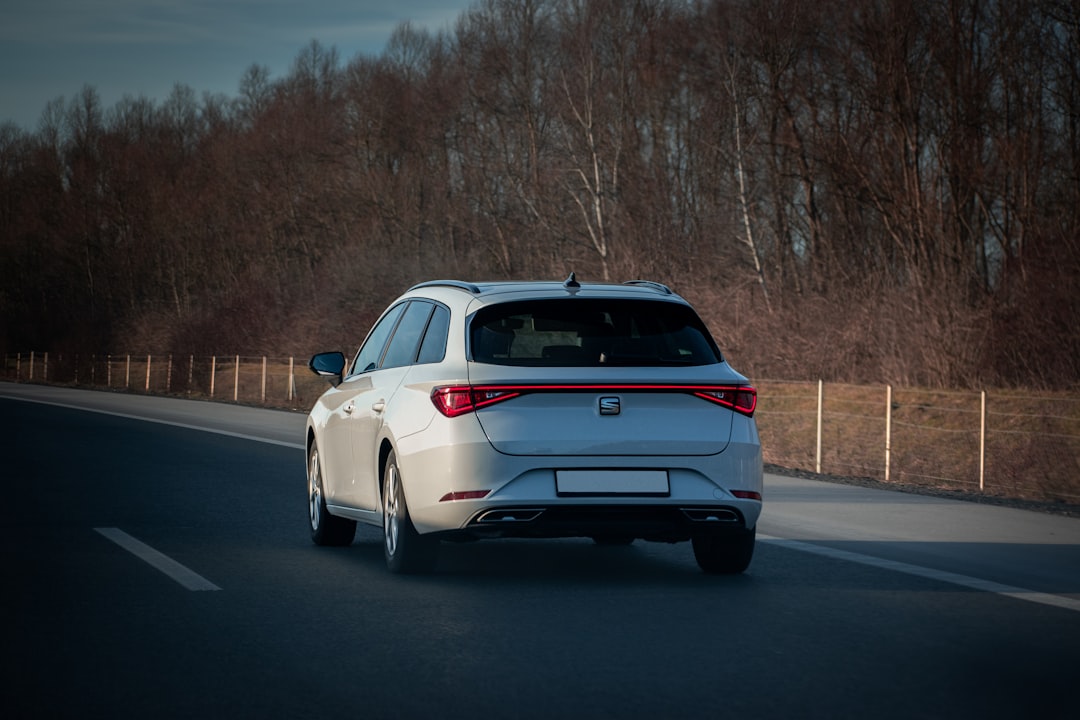
BlaBlaCar is one of those European travel tools that most Americans have never heard of but millions of Europeans use every week. Founded in France in 2006, it is a ridesharing platform that connects drivers with empty seats to passengers heading the same direction. Think of it as organized hitchhiking with ratings, verified profiles, and set prices. For budget travelers, it fills gaps between cities that trains and buses serve poorly, often at a fraction of the cost.
How It Works
Drivers post their upcoming trips on BlaBlaCar listing their route, departure time, available seats, and price. Passengers search for rides, request a seat, and pay through the platform. Prices are set by the driver but BlaBlaCar provides a recommended range based on fuel costs and distance. A typical ride costs about €0.06 per kilometer, meaning a 300-kilometer trip might cost €15-25. The platform takes a service fee on top. After the ride, both driver and passenger rate each other, building a trust-based community.
Payment is handled entirely online. You book and pay through the BlaBlaCar app or website, and the driver receives the payment after the trip is completed. This eliminates the awkwardness of cash exchanges and provides some protection for both parties.
Where BlaBlaCar Works Best
BlaBlaCar is most popular in France (where it was born), Spain, Italy, Germany, Poland, and Portugal. It is particularly valuable on routes between mid-sized cities that lack direct train connections. Paris to coastal Brittany, Madrid to small Andalusian towns, Rome to Puglia, or Krakow to smaller Polish cities are exactly the kind of routes where BlaBlaCar shines. It is less useful in countries with excellent, cheap rail networks like Switzerland, or in the UK where the platform has lower adoption.
Safety Features
BlaBlaCar has built reasonable safety measures into the platform. Drivers and passengers verify their identity through government ID and phone number confirmation. Profile ratings from previous rides give you a sense of reliability. The platform shows the driver’s experience level (newcomer, experienced, ambassador) based on completed rides and ratings. You can see the driver’s photo, vehicle details, and read reviews before booking.
Practical safety advice: share your trip details with someone who is not traveling with you, sit in the back seat if you are uncomfortable, and trust your instincts. If a profile looks suspicious or a driver asks to arrange payment outside the platform, decline and find another ride. The vast majority of BlaBlaCar experiences are completely fine, but basic precautions apply as with any interaction with strangers.
The Social Element
One distinctive feature of BlaBlaCar is the chattiness rating. Drivers rate themselves as “I love to chat,” “I’m chatty when I feel like it,” or “I prefer quiet rides.” This is a thoughtful touch that sets expectations for both parties. Many travelers report that BlaBlaCar rides have been among their best cultural experiences in Europe, chatting with locals about their city, getting restaurant recommendations, and practicing the language. Others simply want an affordable ride with headphones in, and that is equally acceptable.
Luggage and Practical Details
Most drivers can accommodate one medium suitcase or backpack per passenger in the trunk, but it is polite to mention your luggage when booking. If you are traveling with unusually large or heavy bags, message the driver in advance. Meeting points are arranged through the app, typically at easily findable locations like gas stations, parking lots near highway entrances, or specific addresses. Be punctual since unlike a bus, the driver will not wait long. Five minutes of grace is standard, but longer delays may result in the driver leaving and you losing your fare.
BlaBlaCar vs FlixBus
For many European routes, BlaBlaCar and FlixBus compete directly. FlixBus offers the reliability of fixed schedules, guaranteed seats, and no social interaction required. BlaBlaCar is often faster (cars take direct routes while buses make multiple stops), sometimes cheaper, and occasionally the only option on routes buses do not serve. BlaBlaCar departure times are flexible, limited by when drivers happen to be traveling. For popular routes, you might have a dozen ride options per day. For obscure routes, you might have one or none.
Alternatives by Country
While BlaBlaCar dominates European ridesharing, some countries have local alternatives. In Germany, ride2go and Mitfahrgelegenheit existed before BlaBlaCar absorbed much of the market. In Eastern Europe, local Facebook groups for ridesharing remain popular alongside BlaBlaCar. In Scandinavia, ridesharing groups exist but usage is lower since public transport is generally excellent.
Download the BlaBlaCar app before your trip, set up your profile with a photo and verification, and check it whenever you are planning inter-city travel. It will not replace trains and buses as your primary transport, but for specific routes and situations, it is an invaluable tool that most tourists overlook entirely.



Leave a Reply