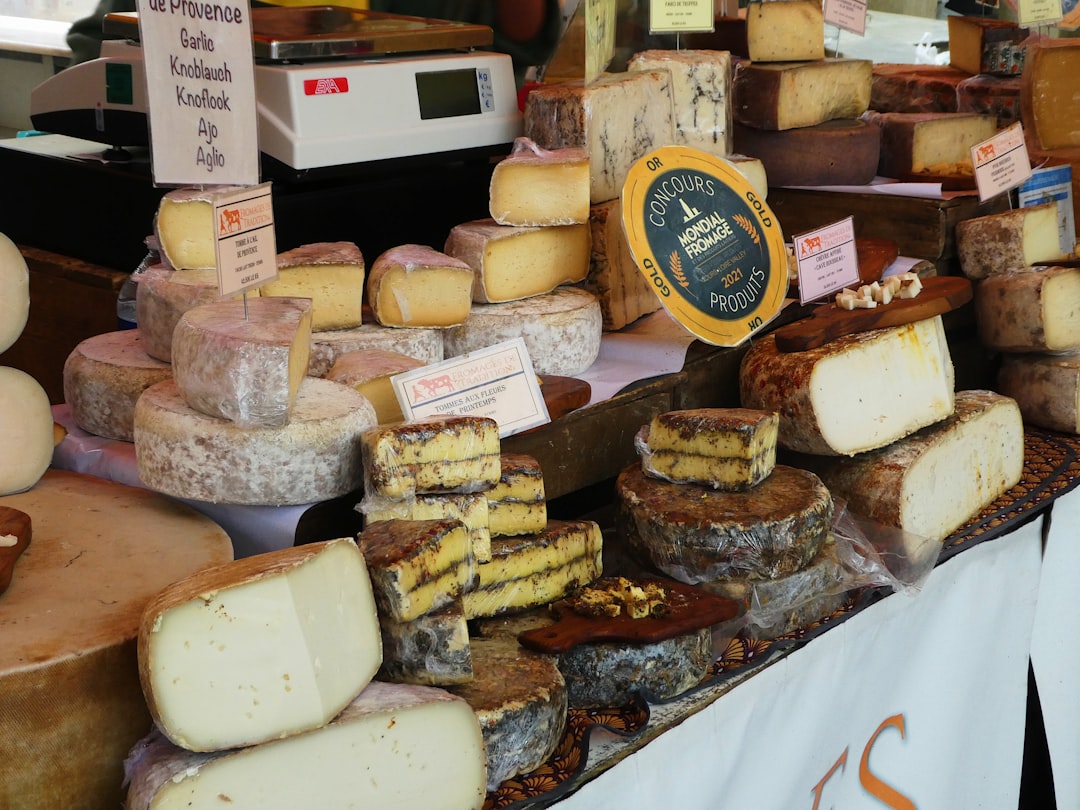
France produces over 1,200 varieties of cheese, and Charles de Gaulle once asked how anyone could govern a country with so many. The answer, of course, is that you don’t govern such a country — you eat your way through it. A road trip dedicated to French cheese is one of the most rewarding culinary journeys in Europe, winding through green pastures, medieval villages, and ancient caves where mold is considered a delicacy.
Normandy: Where It All Begins
Start in Normandy, the spiritual home of Camembert. The village of Camembert itself is little more than a crossroads, but the surrounding countryside is dotted with small producers who still make this iconic soft cheese using raw milk and hand-ladled curd. Visit the Maison du Camembert in Vimoutier for context, then seek out a fermier version at a local market — the difference between an artisan Camembert and the pasteurized supermarket version is like comparing a live concert to a ringtone. Pair it with local cider from a roadside producer, and you’ll understand why Normans are so fiercely proud of their terroir. Livarot and Pont-l’Eveque, the other great Normandy cheeses, deserve equal attention. Livarot, wrapped in strips of sedge grass, has a pungent aroma that belies its surprisingly mild, meaty flavor.
Burgundy: The Stinky Heart of France
Drive south into Burgundy and the cheeses become bolder. Epoisses, washed in Marc de Bourgogne brandy during its aging process, is so aromatic that it’s famously banned from public transport in France. Visit the Fromagerie Berthaut in the village of Epoisses to see production firsthand. The rind turns a sunset orange as the cheese ripens, and the interior becomes a spoonable, umami-rich cream that pairs magnificently with a glass of Burgundy Pinot Noir. The town of Citeaux, home to the Cistercian abbey, also produces a wonderful washed-rind cheese made by the monks themselves — only available at the abbey or select local shops.
Auvergne: Volcanic Pastures, Ancient Cheeses
The Auvergne region, with its volcanic landscapes and high-altitude pastures, produces some of France’s most underrated cheeses. Cantal, one of the oldest French cheeses, comes in young (jeune), medium (entre-deux), and aged (vieux) varieties. The aged version develops an earthy, almost nutty complexity that rivals any cheddar. Saint-Nectaire, made from the milk of Salers cows grazing on mineral-rich volcanic soil, has a mushroomy, grassy flavor that speaks of its terroir. Stop at the open-air markets in Salers or Saint-Flour, where farmers sell wheels directly from their farms. Fourme d’Ambert, the region’s blue cheese, is milder and creamier than Roquefort, making it an excellent entry point for blue cheese novices.
Savoy: Alpine Traditions
In the French Alps, cheese is not just food — it’s fuel for mountain life. Reblochon, the key ingredient in tartiflette, is a creamy, nutty disc originally made in secret by farmers who would incompletely milk their cows during inspections, then finish the milking to make cheese from the richer second milk. Beaufort, often called the “Prince of Gruyeres,” is produced in massive wheels in mountain cooperatives called fruitieres. Visit one in the Beaufortain valley to watch cheesemakers stir enormous copper vats. In winter, these cheeses star in fondue and raclette, but in summer they’re best enjoyed on a wooden board with a glass of Apremont or Roussette de Savoie.
Roquefort: The King in His Cave
No French cheese pilgrimage is complete without descending into the natural caves of Roquefort-sur-Soulzon. The limestone fissures called fleurines create a unique microclimate of constant temperature and humidity where Penicillium roqueforti mold transforms sheep’s milk cheese into something extraordinary. Societe and Papillon both offer cave tours, and tasting the cheese in the environment where it was born — damp, cool, with the faint smell of earth and age — is an experience no cheese counter can replicate. Pair a slice with Sauternes or a local Marcillac red, and you’ll taste centuries of tradition in a single bite.
Practical Tips for Cheese Road Tripping
- Visit fromageries in the morning when cheese is freshest and staff are least rushed
- Always ask to taste before buying — it’s expected, not rude
- Bring a cooler bag for the car, especially in summer
- Markets (marches) are the best places to meet small producers who don’t have shops
- Learn the phrase “Je peux gouter?” (May I taste?) — it will serve you well
A cheese road trip through France is an education in geography, history, and patience. Each region’s cheese tells the story of its landscape, its animals, and the people who have been perfecting their craft for generations. Pack the car, crack the window, and follow your nose.




Leave a Reply