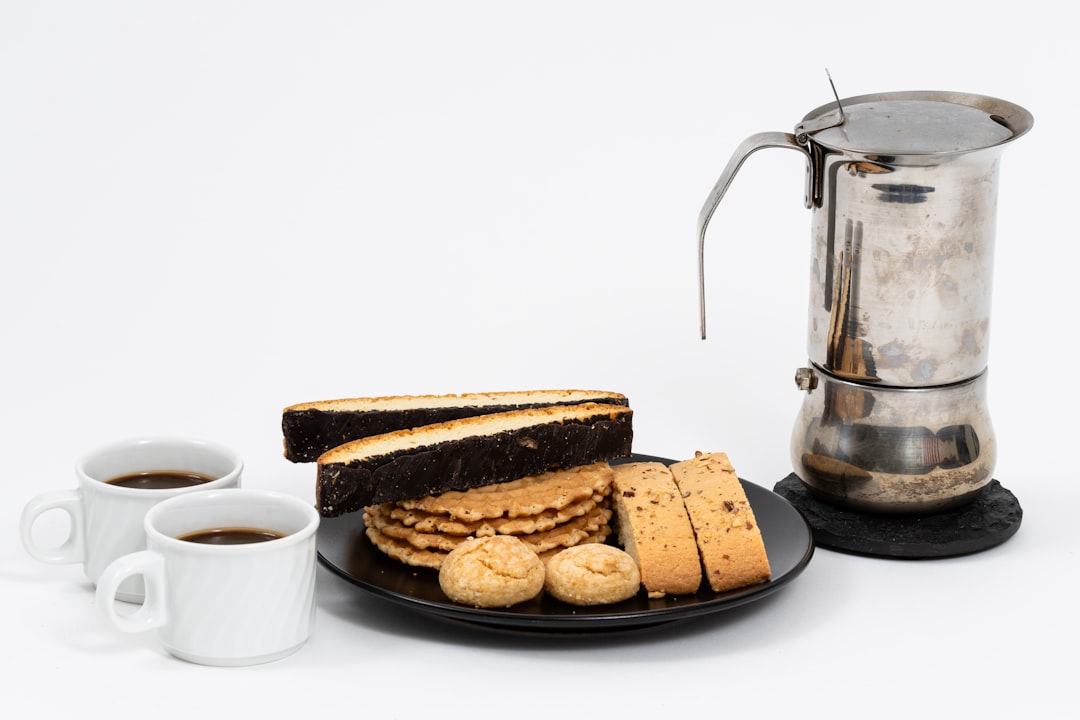
Italian coffee culture is beautiful, efficient, and ruthlessly judged. Order wrong and you’ll get the pitying smile reserved for tourists who wear sandals with socks. Order right and you’ll experience one of life’s great small pleasures: a perfect shot of espresso, consumed standing at a marble bar, in roughly ninety seconds. Here is everything you need to know to pass as someone who knows what they’re doing.
The Fundamental Rules
First: “un caffe” in Italy means espresso. Always. If you ask for “a coffee,” you will receive a tiny cup of concentrated perfection, not a mug of drip filter. This is not a suggestion. There is no filter coffee. Espresso is coffee. Coffee is espresso. Accept this and move on.
Second: cappuccino is a morning drink, consumed before 11am, ideally with a cornetto (croissant). Ordering a cappuccino after lunch or, God forbid, after dinner, marks you as a foreigner more effectively than a fanny pack and a selfie stick. Italians believe that the combination of hot milk and a full meal is digestively catastrophic. Whether this is science or superstition is irrelevant. It is law. The only acceptable milky coffee after noon is a caffe macchiato — espresso “stained” with a tiny splash of milk. Even a latte macchiato is pushing it.
How Ordering Actually Works
In many traditional Italian bars, especially in southern Italy, you pay first at the cash register (la cassa), receive a receipt (lo scontrino), then take that receipt to the bar and place your order with the barista. This two-step system confuses tourists who stand at the bar waiting to be served while the barista stares at them expectantly. In more modern or northern establishments, you may order and pay at the bar directly. When in doubt, watch what locals do for thirty seconds before approaching.
There is a crucial price distinction: standing at the bar (al banco) costs significantly less than sitting at a table (al tavolo). In a touristy piazza in Rome or Venice, a cappuccino at the bar might cost 1.50 euros while the same drink at a table overlooking the square costs five or six. This isn’t a scam; it’s the price of real estate. The bar experience is better anyway — faster, more authentic, and you’ll rub elbows with locals doing their daily ritual.
The Menu You Didn’t Know You Needed
Beyond the standard caffe and cappuccino, Italian coffee culture offers a vocabulary of variations. A caffe lungo is a longer espresso with more water passed through the grounds — not an Americano, which is espresso with hot water added after. A caffe ristretto is an even shorter, more concentrated shot for serious enthusiasts. Caffe corretto means “corrected” with a splash of grappa, sambuca, or brandy — perfectly acceptable at any hour and practically medicinal in winter. A caffe freddo is a cold sweetened espresso, pre-mixed and served in a small glass, essential in summer. A caffe shakerato is espresso shaken with ice and sometimes sugar until frothy, served in a martini glass — arguably the most elegant coffee drink ever invented.
Regional Specialties Worth Seeking Out
In Lecce, in the deep south of Puglia, caffe leccese is espresso served over ice with almond milk — a revelation on a hot afternoon. In Turin, the bicerin is a layered masterpiece of espresso, drinking chocolate, and cream, served in a small glass at Caffe al Bicerin, which has been making them since 1763. Naples considers itself the true capital of Italian coffee and has a case: Neapolitan espresso is typically stronger, sweeter, and served in a preheated cup with the kind of crema that looks like caramel mousse. The “caffe sospeso” tradition — paying for an extra coffee left “suspended” for someone who can’t afford one — was born here and is one of the loveliest customs in European food culture.
What to Never, Ever Order
- A “Grande” or “Venti” anything — those are Starbucks words, and Starbucks struggled mightily to even exist in Italy
- Flavored syrups (vanilla, caramel, hazelnut) — Italian coffee is not a dessert delivery system
- Decaf with any expectation of respect — it exists (caffe decaffeinato or “un deca”) but is ordered with slight shame
- Iced cappuccino — the concept makes Italians physically uncomfortable
- Anything in a to-go cup — coffee is a ritual, not a commute accessory
Italian coffee culture is not about complexity. It’s about precision, ritual, and the belief that some things in life should be done quickly, done well, and done standing up. Master these rules and you’ll earn the barista’s nod — the highest compliment in Italian gastronomy.




Leave a Reply