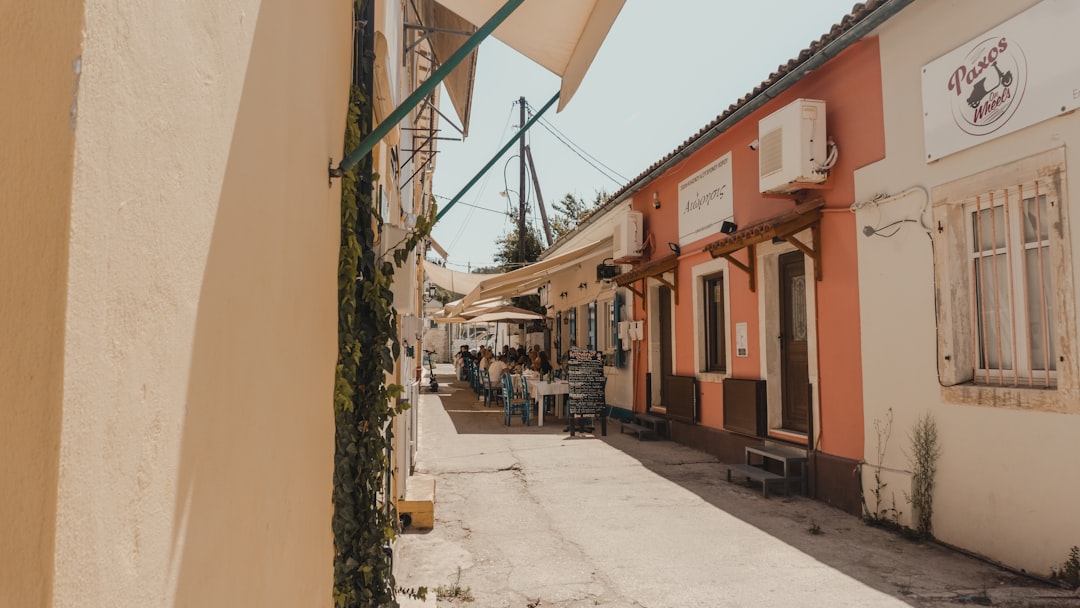
The Greek taverna is not a restaurant. It’s a philosophy. A place where meals last three hours, arguments about politics count as entertainment, and the owner’s mother is probably in the kitchen making the same dishes her mother taught her. If you approach a taverna expecting the efficiency of a fast-casual chain, you will be disappointed. If you approach it expecting one of the warmest, most generous dining experiences in Europe, you will not be.
How Ordering Actually Works
Greeks don’t order individual main courses. They order a spread of mezedes — small shared plates — that arrive whenever they’re ready, not in any particular sequence. A proper taverna order for four people might include a horiatiki salata (Greek salad), tzatziki, taramasalata (fish roe dip), grilled octopus, fried zucchini, a plate of fava (yellow split pea puree), some grilled halloumi, and eventually a larger dish like lamb chops or grilled fish. Everything goes in the center of the table and everyone eats from everything. Ordering your own personal dish and guarding it is considered deeply strange. The phrase “tha parome merika mezedakia” (we’ll have some small plates) will earn you nods of approval from the waiter.
The Bread Charge and Other Mysteries
When you sit down, bread and sometimes olives or a small dip will appear without being ordered. This is the koverto (cover charge), and it will appear on your bill, typically one to two euros per person. This is not a scam. It’s tradition. The bread is for mopping up olive oil and dips, and refusing it would be like refusing a handshake. Accept it graciously and use it as it’s intended — as a utensil.
Wine in a traditional taverna comes by the carafe — house wine, usually from a local producer, sometimes made by the owner’s family. It arrives in a metal or glass pitcher and costs a fraction of bottled wine. In most tavernas, especially on the islands and in rural areas, this bulk wine is excellent — fresh, slightly rustic, and perfectly suited to the food. Ordering an expensive bottle from the wine list when the house wine is good is considered a bit pretentious. Taste the house red and white before deciding.
Fish, Meat, and the Kilo Question
Fresh fish in Greek tavernas is priced by the kilogram, not by the plate. This catches tourists off guard when a sea bream that looked modestly priced on the menu arrives as a forty-euro line item. Always ask to see the fish, confirm the weight, and do the math before ordering. This is completely normal and expected — even locals do it. The waiter will show you the fish on ice and weigh it in front of you. Grilled whole fish with lemon, olive oil, and oregano is one of Greece‘s greatest dishes, but only if you know what you’re paying for.
Meat dishes tend to be more straightforward. Lamb (arnaki) in all forms is the national protein — slow-roasted, grilled as chops, stewed with artichokes. Paidakia (grilled lamb chops) are a taverna staple, best ordered pink in the middle, though many tavernas cook them well-done by default. Souvlaki and gyros are street food rather than taverna dishes, though many casual tavernas serve excellent versions.
The Bill: A Battle of Generosity
When the meal ends — and it will end slowly, with fruit, perhaps a complimentary plate of watermelon or a small carafe of raki — the bill must be fought over. Splitting the bill evenly is common among friends, but if a Greek host has invited you, they will insist on paying with an intensity that borders on physical confrontation. Let them. Resisting too much is rude; accepting too quickly is also rude. The correct move is to protest twice, reach for your wallet once, and then gracefully concede while saying “tin epomeni fora ego” (next time, me). Tipping is not obligatory, but leaving five to ten percent or rounding up generously is the right thing to do.
Other Things Worth Knowing
- Lunch is traditionally the main meal, served from 2-4pm; dinner starts at 9pm or later
- Seasonal menus are a sign of quality — if a taverna serves the same dishes year-round, it’s buying frozen
- Shouting “Opa!” is for tourists; Greeks say it spontaneously during celebrations, not on command
- Children are welcome everywhere, at all hours — Greek dining is a family affair
- The best tavernas often have the worst decor: plastic chairs, paper tablecloths, and fluorescent lights are badges of authenticity
The Greek taverna is one of the last places in Europe where food is still treated as a communal act rather than a consumer transaction. Sit down, order generously, eat slowly, argue cheerfully, and leave when the owner turns the lights off. That’s how it’s done.




Leave a Reply