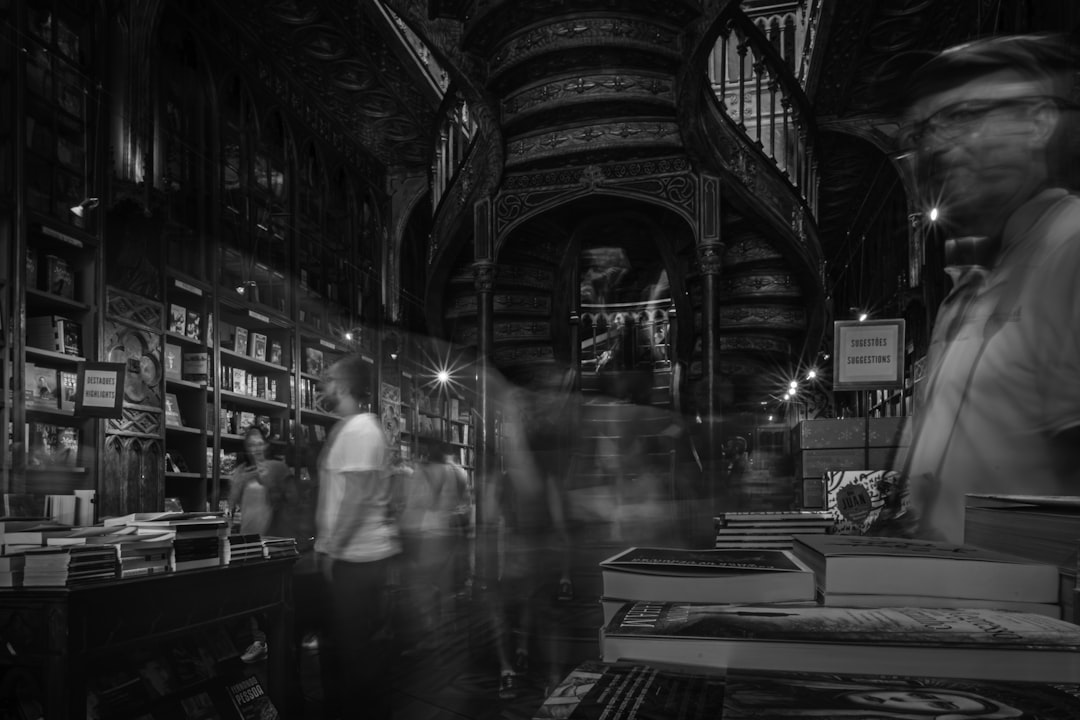
Every great novel creates a sense of place, and Europe’s greatest cities have been mapped as much by their writers as by their cartographers. Walking through Dublin with Joyce, wandering London with Dickens, or getting lost in Prague with Kafka adds an extraordinary dimension to travel, the physical world layered with imagined lives and fictional events. Here is a literary traveler’s guide to Europe, matching great books with the real places that inspired them.
Dublin: James Joyce’s Ulysses
No city in the world is more thoroughly captured in a single novel than Dublin in Ulysses. Joyce’s 1922 masterpiece follows Leopold Bloom through a single day, June 16, 1904, across the streets, pubs, and landmarks of Dublin, and the city celebrates Bloomsday on that date every year with readings, re-enactments, and pub crawls that trace Bloom’s route. You can visit Sweny’s Pharmacy (where Bloom bought a bar of lemon soap, they still sell it), Davy Byrne’s pub (where he ate a gorgonzola sandwich), and the Martello Tower at Sandycove (where the novel opens), which now houses the James Joyce Museum. Even if you have never read Ulysses, walking Dublin’s literary trail reveals a city whose character has barely changed in essentials.
London: Charles Dickens
Dickens’ London is a city of fog, gaslight, and stark social contrast, and while the Victorian slums have long been demolished, the London he described is still visible in layers. The Charles Dickens Museum in Bloomsbury, his actual home on Doughty Street where he wrote Oliver Twist and Nicholas Nickleby, preserves his study and personal effects. The Inns of Court, where legal London has operated for centuries, appear throughout Bleak House. Borough Market and its surrounding streets evoke the bustling, chaotic London of David Copperfield. The George Inn in Southwark, London’s last surviving galleried coaching inn, is the kind of establishment Dickens described in multiple novels and reportedly drank in himself.
St. Petersburg: Fyodor Dostoevsky
No writer has captured the psychological weight of a city like Dostoevsky did with St. Petersburg. Crime and Punishment maps onto the city with almost cartographic precision. Scholars have identified the building where Raskolnikov lived (on Stolyarny Lane), the route he walked to the pawnbroker’s apartment, and the Haymarket Square (Sennaya Ploshchad) where he experienced his crisis of conscience. The Dostoevsky Museum, in his final apartment on Kuznechny Lane, preserves the room where he wrote The Brothers Karamazov. Walking these streets in the eerie half-light of a Petersburg white night is profoundly atmospheric.
Prague: Franz Kafka
Kafka’s Prague is a city of labyrinthine bureaucracy and oppressive architecture, and stepping into the narrow streets of the Old Town, you understand immediately why. Kafka was born at the edge of Old Town Square (the birthplace is now a small exhibition), lived in the tiny houses of Golden Lane within Prague Castle, and worked in the imposing Workers’ Accident Insurance Institute. The Kafka Museum on the Vltava riverbank offers an immersive journey through his life and works. Prague’s particular atmosphere, the weight of its buildings, the maze of its streets, the constant sense of being watched by stone facades, remains intensely Kafkaesque.
More Literary Destinations
- Paris (Hemingway): A Moveable Feast maps Hemingway’s 1920s Paris: Shakespeare and Company bookshop, Les Deux Magots cafe, and the Luxembourg Gardens where he claimed to have caught pigeons for dinner when broke.
- Yorkshire (Brontes): The Bronte Parsonage Museum in Haworth and the wild moors above it, which inspired Wuthering Heights, are a pilgrimage for Bronte devotees. Top Withens, a ruined farmhouse on the moor, is the traditional model for the Earnshaw home.
- Transylvania (Bram Stoker): Stoker never visited Romania, but his Dracula has made Bran Castle one of Romania’s top attractions. The real Transylvania is far more interesting than the Dracula myth. Medieval Saxon towns like Sighisoara offer genuine Gothic atmosphere.
- Harry Potter Locations (J.K. Rowling): Platform 9 3/4 at King’s Cross Station, the Bodleian Library in Oxford (doubling as Hogwarts’ library), the Glenfinnan Viaduct in Scotland (the Hogwarts Express bridge), and Edinburgh’s Elephant House cafe where Rowling wrote the early chapters.
Reading a novel before visiting its setting, or rereading it while there, transforms both the book and the place. Pack a paperback alongside your guidebook. You will see more than other tourists do, because you will see the invisible city layered beneath the visible one.




Leave a Reply