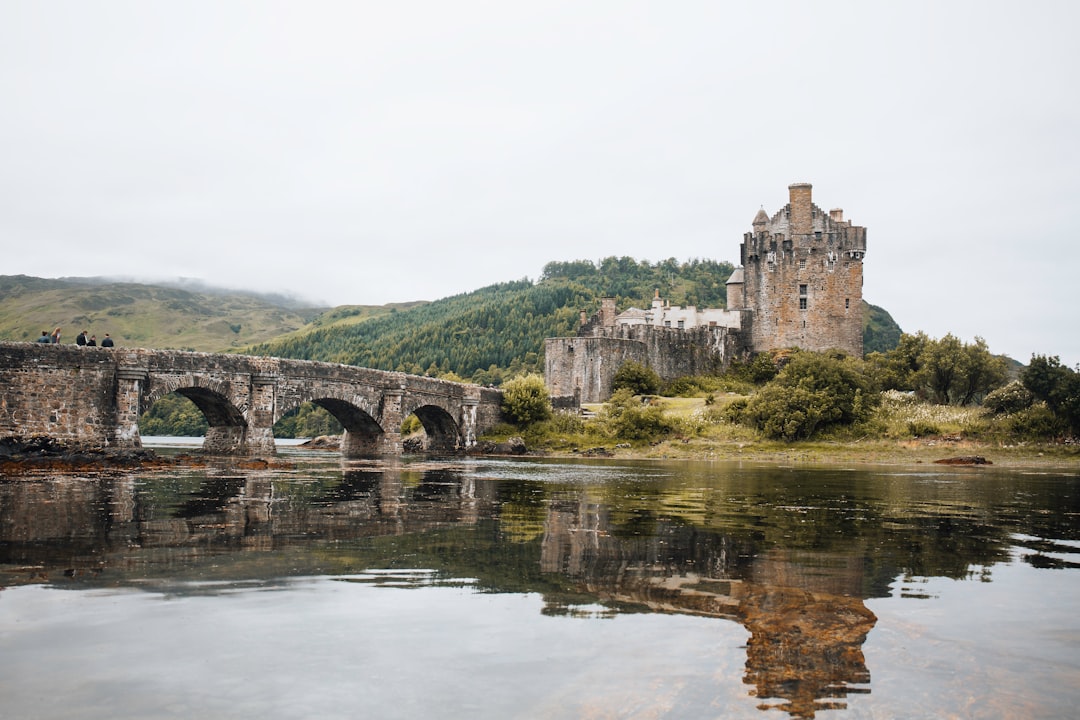
Few aspects of European history have been as romanticized, commodified, and misunderstood as Scotland’s clan system. The image of tartan-clad Highland warriors charging into battle to the sound of bagpipes is powerful and enduring, but the reality of clan life was far more complex, more brutal, and ultimately more tragic than the souvenir-shop version suggests. Understanding the clan system — its origins, its social structure, its destruction, and its modern reinvention — is essential to understanding Scotland itself.
Origins of the Clan System
The word “clan” derives from the Gaelic “clann,” meaning children or family. The Scottish clan system was a form of social organization based on kinship, real or perceived, that developed in the Highlands and Islands from at least the eleventh century. Each clan was led by a chief who held authority not through feudal land tenure but through the loyalty of his kinsmen. Clan members shared a common ancestor — or believed they did — and bore the chief’s surname, though many clansmen were not blood relatives but adopted members, tenants, or allies who had placed themselves under the chief’s protection.
The clan was simultaneously a family, a military unit, a political entity, and an economic community. The chief allocated land, settled disputes, led the clan in war, and was expected to provide hospitality. In return, clansmen owed military service, rents (often paid in cattle), and personal loyalty. The system was hierarchical but not rigidly so — a chief who failed his people could, in theory, be replaced. The relationship was mutual, built on obligation rather than mere obedience.
Tartan and Kilt: Separating Myth from History
The association of specific tartans with specific clans is largely a nineteenth-century invention. Historical evidence suggests that before the eighteenth century, tartan patterns were associated with regions rather than families — a weaver in a particular area would produce cloth with whatever dyes were locally available, creating regional patterns. The modern kilt itself — the tailored, pleated garment familiar today — was likely invented around 1720 by Thomas Rawlinson, an English industrialist who found the traditional belted plaid too cumbersome for his Highland workers. After the Dress Act of 1746 banned Highland dress following the Jacobite defeat at Culloden, tartan became a symbol of resistance. When the ban was lifted in 1782, a tartan revival followed, culminating in King George IV’s famous visit to Edinburgh in 1822, stage-managed by Sir Walter Scott, during which the king appeared in full Highland regalia — a sight that would have astonished actual Highlanders.
Culloden: The End of the Clan System
The Battle of Culloden on April 16, 1746, was the last pitched battle fought on British soil and the death knell of the clan system. The Jacobite army of Charles Edward Stuart (“Bonnie Prince Charlie”), composed largely of Highland clansmen fighting for the restoration of the Stuart monarchy, was destroyed in less than an hour by the government forces of the Duke of Cumberland. Perhaps 1,500 Jacobites were killed on the battlefield, with many more hunted down and executed in the brutal reprisals that followed. The battlefield, managed by the National Trust for Scotland, is one of the most affecting historical sites in Britain. The visitor center provides excellent context, and walking among the clan grave markers — simple stones bearing names like “Clan MacGillivray,” “Clan Fraser,” “Mixed Clans” — brings the human cost into sharp focus.
The Highland Clearances
The destruction that Culloden began, the Highland Clearances completed. In the late eighteenth and nineteenth centuries, Highland landlords — many of them clan chiefs or their descendants — evicted tens of thousands of tenants from their ancestral lands to make way for more profitable sheep farming. Entire communities were forcibly removed, their houses burned to prevent return. The Clearances scattered Highlanders to the slums of Glasgow and Edinburgh, to Canada, Australia, and the United States. The Strathnaver Trail in Sutherland traces the route of some of the most notorious evictions, passing ruined villages and interpretive panels. The legacy of the Clearances is a landscape of haunting emptiness — vast, beautiful, and largely uninhabited moors and glens that were once home to thriving communities.
Clan Castles to Visit
- Dunvegan Castle (Isle of Skye) — seat of Clan MacLeod for over 800 years and the oldest continuously inhabited castle in Scotland. Home to the legendary Fairy Flag, a fragile silk banner believed to have magical protective powers.
- Eilean Donan (Loch Duich) — one of Scotland’s most photographed castles, spectacularly sited on a small island at the junction of three lochs. Originally a Mackenzie stronghold, it was destroyed after the 1719 Jacobite Rising and painstakingly rebuilt in the early twentieth century.
- Glamis Castle (Angus) — childhood home of the Queen Mother, legendarily haunted, and seat of the Earls of Strathmore. Its turreted silhouette is the quintessential Scottish baronial castle.
Today, clan gatherings and Highland games keep the tradition alive, and millions of people worldwide claim clan connections through their surnames. The system that produced these connections was imperfect, often violent, and ultimately destroyed by forces both external and internal. But it was also a genuine form of community — one that shaped Scottish identity in ways that persist far beyond the Highlands and far beyond Scotland itself.




Leave a Reply