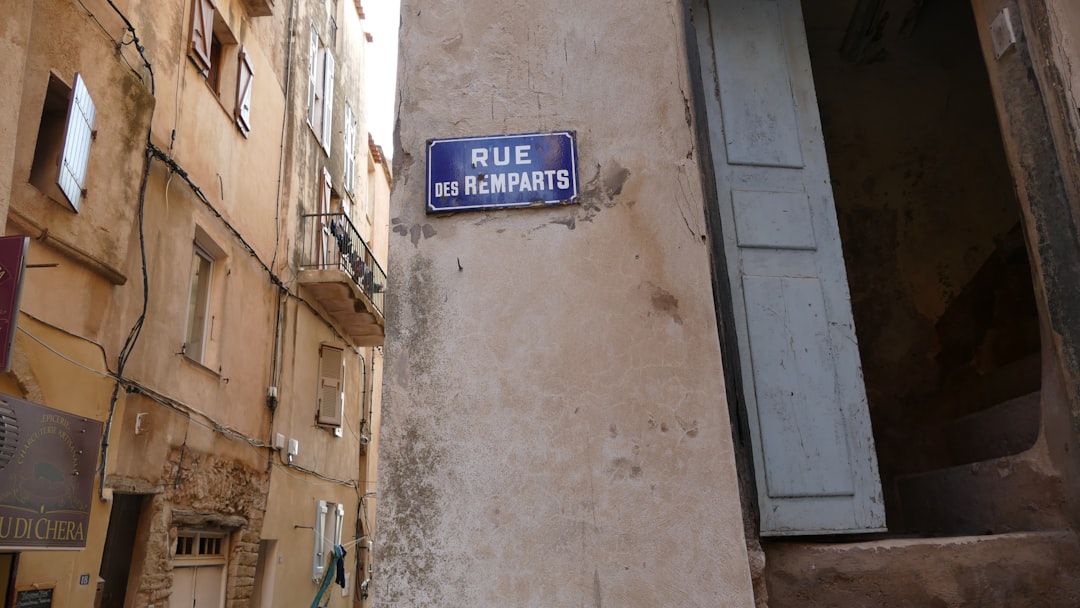
If you want to truly connect with French people, especially younger Parisians and locals in hip neighborhoods, you need to venture beyond your textbook French. French slang is vibrant, creative, and constantly evolving. While you don’t need to master it to survive in France, understanding common slang will help you feel less like a tourist and more like someone who actually knows what’s going on.
French slang is called argot (ar-GOH) or langage familier (lahn-GAZH fah-mee-LYAY), and it’s a fascinating window into contemporary French culture. From verlan—a playful form of backwards slang—to regional variations and internet abbreviations, the French language is far more dynamic than most textbooks suggest.
What is Verlan? The Coolest French Slang
Verlan is arguably the most iconic form of French slang. It’s created by rearranging syllables, often inverting them, to create new words. The term “verlan” itself comes from l’envers (lahn-VERS), which means “backwards.” Young Parisians have been playing with verlan for decades, and it remains incredibly popular.
Here’s how it works: Take a word, reverse its syllables, and sometimes trim letters to make it pronounceable. For example:
- Chelou (shuh-LOO) — From “louche” (loosh), which means “weird” or “odd.” “C’est chelou!” means “That’s weird!”
- Keuf (kuhf) — From “flic” (fleek), meaning “cop.” “Attention, les keufs!” means “Watch out, the cops!”
- Chelà (shuh-LAH) — From “l’école” (lay-KOHL), meaning “school.”
- Chelou pas (shuh-LOO pah) — “Not weird”—used when something is actually totally normal.
- Ouf (oof) — From “fou” (foo), meaning “crazy.” “T’es ouf!” means “You’re crazy!”
- Chelmi (SHEL-mee) — From “miche,” a word for bread or butt (used affectionately).
- Chelou grave (shuh-LOO GRAHV) — “Seriously weird” or “totally strange.”
- Chelou dégeu (shuh-LOO day-GUH) — “Disgustingly weird” (dégeu is slang for disgusting).
- Chelà pas terrible — From school, “not great school.”
- Chelà la mort — “School is death” (exaggerated expression of boredom).
Modern Youth Slang
Beyond verlan, French young people use contemporary slang that changes rapidly, especially on social media and in urban environments. Here are terms you’ll actually hear:
Informal Greetings Among Friends
If you’re befriending young Parisians or hanging out in casual settings, you’ll hear these casual greetings:
Slang for Money, Food, and People
French slang is particularly rich when it comes to describing money, food, and people:
Money:
Food:
People:
Texting and Social Media Abbreviations
French people text using many abbreviations, similar to English. Here are common ones:
Regional Slang Differences
France has distinct regional variations, and slang can differ significantly depending on where you are:
Parisian/Northern French:
Parisians pride themselves on their slang. The northern region has the most recognizable contemporary slang, especially among young people. Parisian slang is what you’ll hear in popular music and media.
Marseille/Southern French:
The South has a reputation for being more laid-back. Southern slang includes:
Québécois French (Canada):
While you’re in France, it’s worth knowing that Québécois has its own vibrant slang, quite different from metropolitan French. Some differences:
Slang to Avoid (And Why)
Some slang should be avoided entirely, especially by tourists. Understanding them is fine; using them is risky.
Avoid these terms:
The safest approach: stick to lighter slang like “chelou,” “sympa,” and “c’est dingue.” These are widely understood and safe to use.
How French Slang Has Evolved
French slang has evolved dramatically over the past few decades, largely due to technology and cultural shifts:
1970s-1980s: Verlan was at its peak of popularity, especially in Paris. Classic verlan terms like “chelou” and “keuf” became mainstream.
1990s-2000s: Hip-hop culture influenced French slang heavily, particularly in urban areas. Terms from North African and West African immigrants became integrated into mainstream French.
2000s-2010s: Technology and texting created new abbreviations. “LOL,” English borrowings, and internet slang became common.
2010s-Present: Social media, TikTok, and streaming platforms have accelerated slang evolution. Young people constantly create new terms, often combining English and French, or playing with words in creative ways.
Current trends:
The Attitude Behind Slang
Understanding French slang isn’t just about memorizing words—it’s about understanding the attitude. French slang is:
Practical Tips for Using Slang as a Traveler
1. Listen more than you speak: The best way to learn slang is to hear it in context. Spend time in cafes, listen to French music, and watch French films.
2. Don’t overdo it: Using one or two slang terms naturally is cool; trying to speak entirely in slang sounds unnatural and potentially offensive.
3. Save verlan for the right moment: Use verlan with young people or in casual settings. It’s not appropriate for formal situations.
4. Learn from context: When you hear slang you don’t understand, ask a friendly local what it means. Most French people enjoy explaining their language.
5. Embrace being a learner: If you get something wrong, laugh it off. Parisians especially respect people who make genuine efforts to connect.
6. Follow social media: Follow French TikTokers, YouTubers, and Instagram accounts to stay current with evolving slang.
Final Thoughts
Mastering French slang won’t happen on a two-week vacation, and honestly, you don’t need to. But understanding the basics—especially verlan terms and common youth slang—will deepen your connection to French culture and help you feel less like a clueless tourist.
The beauty of French slang is that it’s alive and constantly evolving. It’s a reflection of how French people actually speak, with all its creativity, humor, and attitude. By learning a bit of slang, you’re not just learning words; you’re learning how French people see the world.
So next time someone says “C’est chelou!” or “Grave sympa,” you’ll know exactly what they mean—and maybe you’ll even use it correctly yourself. Bonne chance (bun SHAHNCE)—good luck!




Leave a Reply