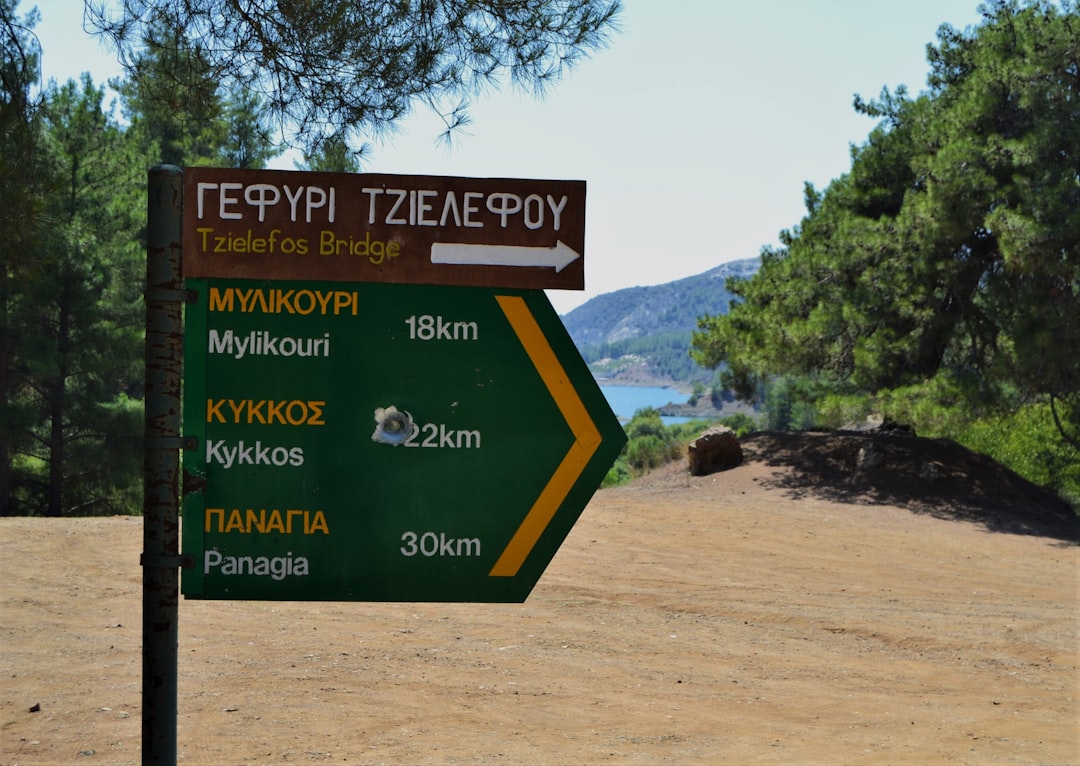
Arriving in Greece can feel overwhelming when you don’t speak the language, but here’s the good news: Greeks are incredibly welcoming to travelers who make even a modest effort to speak their language. You don’t need to be fluent, but knowing a few essential phrases will transform your Greek experience from pleasant to truly magical. This guide covers everything you need to navigate daily interactions, from greeting locals to ordering food to asking for directions.
Greetings and Basic Pleasantries
Greeks are warm and social people who appreciate friendly interactions. Starting conversations with proper greetings goes a long way.
“Kalispéra” / Καλησπέρα
(kah-lee-SPEH-rah) – Good evening
Use this after sunset, which can be quite late in summer Greece.
“Kalimméra” / Καλημέρα
(kah-lee-MEH-rah) – Good morning
Start conversations at the taverna or market with this cheerful greeting.
“Kalinikhta” / Καληνύχτα
(kah-lee-NEEKH-tah) – Good night
Perfect for saying goodnight to your hotel staff or dinner companions.
“Yia sou” / Γειά σου (singular, informal)
(yah-SOO) – Hello / Hi
This is the casual, friendly way to greet someone close in age or someone you’ve met before.
“Yia sas” / Γειά σας (plural, formal)
(yah-SAHS) – Hello (formal)
Use this with elderly people, authority figures, or when you want to be respectful.
“Andío” / Αντίο
(ahn-DEE-oh) – Goodbye
A warm, casual way to part ways.
“Antío sas” / Αντίο σας
(ahn-DEE-oh SAHS) – Goodbye (formal)
More respectful version for departing from hotel staff or restaurant owners.
The Confusing Greek Head Nod
Here’s something that catches almost every English-speaking traveler off guard: the gesture for “no” in Greece is completely opposite to what you’re used to. When a Greek person tilts their head back slightly and raises their eyebrows, they’re saying “no.” Even more confusing, they might make a subtle clicking sound with their tongue or say “mé” while doing this. What looks like a “yes” nod to you might actually mean “no” to a Greek person. If you want to be absolutely clear, stick to words rather than nodding. When you say “yes,” Greeks will nod their head down like everywhere else, but be prepared for the opposite gesture meaning “no.”
Please, Thank You, and Polite Expressions
Politeness in Greece opens doors and hearts. These basic courtesy phrases are essential.
“Parakaló” / Παρακαλώ
(pah-rah-kah-LOH) – Please / You’re welcome
This versatile word means both “please” when asking and “you’re welcome” when responding to thanks.
“Efharistó” / Ευχαριστώ
(ef-hah-ree-STOH) – Thank you
Express genuine gratitude with this word.
“Efharistó pólí” / Ευχαριστώ πολύ
(ef-hah-ree-STOH POH-lee) – Thank you very much
When someone really helps you out, show extra appreciation.
“Óhi próvlima” / Όχι πρόβλημα
(OH-hee PROH-vlee-mah) – No problem
Use this to brush off apologies or assure someone that everything is fine.
“Siggnómi” / Συγγνώμη
(see-GHNO-mee) – Excuse me / Sorry
Need to get past someone on a crowded street? This is your phrase.
“Signomiésai” / Συγγνωμένος (if you’re male)
(see-ghno-MEH-nos) – I’m sorry
Deeper apology if you’ve made a mistake.
Yes and No (And Why the Head Nod Matters)
“Neh” / Ναι
(neh) – Yes
Simple and straightforward. You can use a downward head nod here.
“Óhi” / Όχι
(OH-hee) – No
Remember the backward head tilt you’ll see from Greeks!
“Malista” / Μάλιστα
(mah-LEE-stah) – Yes (formal/emphatic)
Use this when you really mean it or in official situations.
Asking for Help
One of the most important skills while traveling is knowing how to ask for assistance.
“Boríte na me voithísete?” / Μπορείτε να με βοηθήσετε;
(boh-REE-teh nah meh voh-ee-THEE-seh-teh) – Can you help me?
The universal rescue phrase for tourists in distress.
“Miló angliká?” / Μιλάτε αγγλικά;
(mee-LAH-teh ahn-ghlee-KAH) – Do you speak English?
You might be pleasantly surprised how many Greeks do.
“Den katalavéno” / Δεν καταλαβαίνω
(then kah-tah-lah-VEH-noh) – I don’t understand
Say this clearly and slowly if you’re confused.
“Signomiésai, lála síga-síga” / Συγγνώμη, μίλησε σιγά-σιγά
(see-ghno-MEH-seh, MEE-lah-seh see-GAH-see-GAH) – Sorry, speak slowly please
Greeks are usually happy to slow down their speech for tourists.
“Púnda íne…?” / Πού είναι…;
(POO EE-neh) – Where is…?
Fill in the blank with the place you’re seeking.
“Píso míla to thélo” / Πόσο κοστίζει;
(POH-so koh-stee-ZEE) – How much does it cost?
Essential for shopping and ordering.
Numbers One Through Ten
You’ll use numbers constantly for ordering, paying, and understanding prices.
- Éna / Ένα (EH-nah) – 1
- Dío / Δύο (THEE-oh) – 2
- Tría / Τρία (TREE-ah) – 3
- Tésera / Τέσσερα (TEH-seh-rah) – 4
- Pénde / Πέντε (PEN-deh) – 5
- Éxi / Έξι (EH-xee) – 6
- Eptá / Επτά (ehp-TAH) – 7
- Okhto / Οκτώ (ohk-TOH) – 8
- Enéa / Εννέα (eh-NEH-ah) – 9
- Théka / Δέκα (THEH-kah) – 10
Days of the Week
When planning activities or understanding when businesses are closed, you’ll need the days of the week.
Basic Questions for Travelers
“Éxete…?” / Έχετε…;
(EH-heh-teh) – Do you have…?
Use this when looking for specific items or services.
“Títa óra klíni?” / Τί ώρα κλείνετε;
(tee OH-rah KLEE-neh-teh) – What time do you close?
Critical for planning your evening.
“Títa óra aníxi?” / Τί ώρα ανοίγετε;
(tee OH-rah ah-nee-YEH-teh) – What time do you open?
Plan your day accordingly.
“Ine kalá?” / Είναι καλό;
(EE-neh kah-LOH) – Is it good? (asking about food, products, etc.)
Get recommendations from locals.
“Thélo…” / Θέλω…
(THEH-lo) – I want…
Complete this with what you’re seeking.
Hotel Check-In Essentials
“Écho miá kratísi ónom…” / Έχω μια κράτηση όνομα…
(EH-ho mee-AH KRAH-tee-see OH-no-mah) – I have a reservation under the name…
Provide your surname.
“Thélo éna thóma ja…” / Θέλω ένα δωμάτιο για…
(THEH-lo EH-nah tho-MAH-tee-oh yah) – I want a room for…
Specify the number of people and nights.
“Écho mérízes?” / Έχετε θέα της θάλασσας;
(EH-heh-teh thEH-ah tees tha-LAH-sahs) – Do you have sea view rooms?
A reasonable request on Greek islands.
“Fígha ti óra prépi na apalifsso to thóma?” / Τι ώρα πρέπει να αφήσω το δωμάτιο;
(tee OH-rah PREH-pee nah ah-FEE-so toh tho-MAH-tee-oh) – What time do I need to leave the room?
Understand checkout times to avoid issues.
Buying Tickets
Whether for ferries, museums, or local attractions, you’ll need these phrases.
“Thélo éna ísio ya…” / Θέλω ένα εισιτήριο για…
(THEH-lo EH-nah ee-see-TEE-ree-oh yah) – I want a ticket for…
Specify your destination or attraction.
“Thélo théo ísia” / Θέλω δύο εισιτήρια
(THEH-lo THEE-oh ee-see-TEE-ree-ah) – I want two tickets
Adjust the number as needed.
“Póso kostízi?” / Πόσο κοστίζει;
(POH-so koh-stee-ZEE) – How much is it?
Perfect for any purchase inquiry.
“Ine éan óra to théo?” / Ποια ώρα είναι το δρομολόγιο;
(pee-AH OH-rah EE-neh toh tho-mo-LOH-yee-oh) – What time is the departure?
Essential for ferry and transport schedules.
Conclusion
These essential phrases will carry you through most everyday interactions in Greece. Greeks deeply appreciate when tourists make an effort to speak their language, and you’ll find that this small gesture opens countless doors. Don’t worry about perfection—your enthusiasm and effort matter far more than flawless pronunciation. Keep this guide handy, practice the phrases before you arrive, and you’ll have conversations with locals that become among your favorite travel memories. Kalí óri! (Have a good journey!)




Leave a Reply