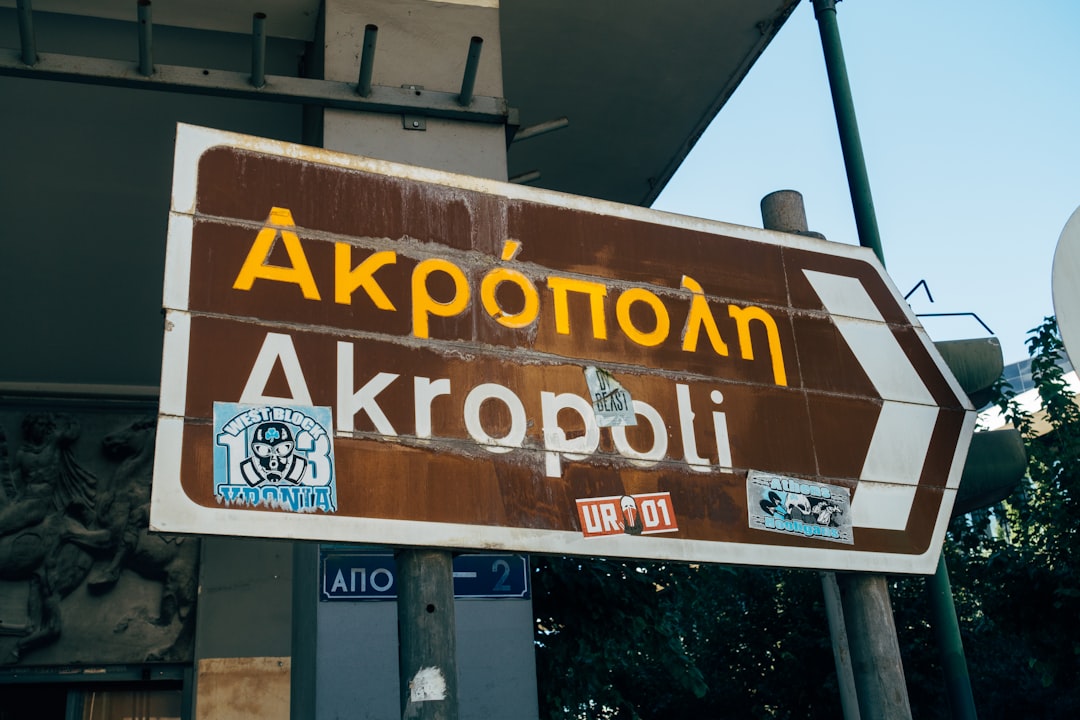
Learning formal Greek is wonderful, but if you really want to connect with locals and understand the Greece beyond guidebooks, you need to learn how Greeks actually talk on the streets. Greek slang is colorful, expressive, and absolutely central to Greek culture. From the island communities to Athens nightlife, slang is where the real personality of the Greek language shines through. This guide will help you decode street Greek and maybe even drop a few words that’ll make your Greek friends grin.
The King of Greek Slang: Malaka and All Its Uses
No single word better represents Greek casual speech than “Malaka” / Μαλάκα (mah-LAH-kah). This word is notoriously difficult for foreigners to understand because it has at least a dozen different meanings depending on context, tone, and who’s saying it. In its most basic form, it’s a crude insult. But Greeks use it constantly in ways that range from insulting to affectionate to completely neutral depending on the situation.
The word can mean:
- A genuine insult when said harshly to someone who’s done something wrong
- A term of endearment between male friends (“Hey, you lucky malaka!”)
- A casual greeting, like “buddy” or “dude”
- An expression of exasperation or frustration (“Oh, malaka, I forgot my wallet”)
- A term of admiration (“That was a malaka move!”)
The key to understanding when it’s affectionate versus insulting is context and tone. When Greek friends are joking around, malaka is being used affectionately. When someone says it while seriously angry, it’s genuinely insulting. The safest approach as a tourist is to listen to how locals use it before attempting it yourself. When used between friends laughing together, it’s acceptable casual speech. When directed at someone in a serious tone, it’s definitely offensive.
Essential Slang Words and Expressions
“Re” / Ρε
(reh) – Hey
A super casual way to get someone’s attention. Very much like saying “hey” or “yo” in English. You’ll hear this constantly on the streets.
“Réspita” / Ρεσπίτα
(reh-SPEE-tah) – Used at the end of sentences for emphasis
Similar to “re,” this makes speech more casual and friendly. “Parakaló, éna néro, réspita” (Please, a water, hey)
“Ela!” / Έλα!
(EH-lah) – Come on! / Let’s go!
An expression of encouragement or excitement. You’ll hear Greeks say this constantly.
“Ela nóe!” / Έλα ρε!
(EH-lah reh) – Come on, seriously? / No way!
Expression of disbelief or calling someone out.
“Ópi!” / Ώπα!
(OH-pah) – Whoa!
Used when surprised or to warn someone. You’ll hear this in tavernas when someone’s carrying multiple plates.
“Aá!” / Αχ!
(ah) – Ah! / Wow!
An exclamation of surprise or realization.
“Ne, kaliméra” / Ναι, καλημέρα
(neh, kah-lee-MEH-rah) – Yeah, good morning (said sarcastically)
Greeks love sarcasm, and this is a classic sarcastic response.
Casual Greeting Variations
Greeks have numerous informal ways to greet each other that you won’t find in textbooks.
“Ti káneis?” / Τι κάνεις;
(tee KAH-nes) – What are you up to? / How are you?
More casual than formal greetings.
“Ti yínetai?” / Τι γίνεται;
(tee YEE-neh-teh) – What’s happening? / What’s up?
Very casual, very street.
“Kalá?” / Καλά;
(kah-LAH) – Good? / Alright?
A minimal greeting that expects a minimal response.
“Óla kalá?” / Όλα καλά;
(OH-lah kah-LAH) – Everything good?
More interested version of the above.
Texting Abbreviations: Greek Greeklish
Greece has revolutionized texting by developing “Greeklish”—Greek written with Latin characters. This emerged because Greek keyboards are slower on phones, and young Greeks developed a system of using Latin letters to represent Greek sounds. While texting, you’ll see:
“k” instead of “και” (keh) – and
“ti” instead of “τι” (tee) – what
“8a” instead of “θα” (tha) – will
“ya” instead of “για” (ya) – for
“ws” instead of “ως” (os) – as/until
A typical Greek text might look like: “k ti 8a kaneis tora? 8a rtho ws 9 mesovoli?” (And what will you do now? Will you come around 9 in the afternoon?)
Greeklish has become so common that many young Greeks use it even when texting on keyboards with Greek letters available. Older Greeks often find it completely incomprehensible, which has led to some generational confusion. As a tourist, you don’t need to master Greeklish, but understanding it when you see it can be helpful.
Athens Versus Island Greek
Greek has regional variations, and nowhere is this more apparent than the difference between Athenian Greek and island Greek.
Athens Greek tends to be faster-paced, more urban slang-filled, and influenced by the cosmopolitan nature of the city. Athenians are known for being witty and sarcastic. They use more slang, speak faster, and their Greek is heavily influenced by English and other languages due to Greece’s position as a major international hub.
Island Greek is generally slower, more traditional, and less slang-heavy. Island communities have preserved more traditional Greek language patterns. Island residents speak more deliberately, and you’ll hear more formal speech even in casual situations. The island dialect also features some unique words not found in the mainland dialect.
Crete deserves special mention—Cretan dialect (Kritika) is so different that many Greeks from other parts of the country find it challenging to understand! Cretans famously take pride in their unique language patterns.
Youth Slang: What the Teenagers Are Saying
Greek youth have developed their own slang that evolves constantly. Some current favorites include:
“Vasanizo” / Βασανίζω
(vah-sah-NEE-zo) – Literally “torture,” but used to mean “I’m suffering” or “this is bad”
Used sarcastically: “Vasanízome na kano tin ergasía” (I’m tortured trying to do this work)
“Skarosa” / Σκαρώσα
(skah-ROH-sah) – To mess something up / to ruin something
“Skarosa ta páta!” (I messed up my plans!)
“Xápla” / Χάπλα
(HAH-plah) – Boring / uncool person
“Aftos o tipos ine xamplá” (That guy is boring)
“Gela” / Γέλα
(YEH-lah) – Laugh
Not slang exactly, but used constantly: “Sti gela tou!” (That’s laughable!)
“Drin” / Δρυν
(dreen) – Weird
“Ine lígo drin afto” (That’s a bit weird)
“Krapáli” / Κραπάλη
(krah-PAH-lee) – Hangover
Greek students know this word well: “Écho megáli krapáli simeron” (I have a huge hangover today)
Cultural Concepts Without English Equivalents
Some Greek slang words describe feelings and concepts that don’t have easy English translations. These are essential to understanding Greek culture.
“Kefi” / Κέφι
(KEH-fee) – A state of joy, high spirits, and passion
Kefi is the feeling when you’re dancing at a taverna, ouzo flowing, music playing, and you’re completely in the moment. It’s beyond happiness—it’s a spiritual state of exuberance. “Écho kefi” (I’m in a state of kefi) means you’re feeling joyful and passionate about life.
“Filotimo” / Φιλότιμο
(fee-LOH-tee-mo) – Honor, dignity, and doing the right thing
This concept is deeply embedded in Greek culture. It means acting with integrity and honor, treating others with respect, and maintaining your dignity. It’s bigger than just being nice—it’s a moral code.
“Sikiá” / Σικιά
(see-kee-AH) – Shade, but also gossip or drama
In Greek, “sikiá” can literally mean shade, but it also means gossip or spreading drama. “Vlépo pollí sikiá” (I see a lot of gossip happening).
“Yialo” / Γιάλο
(YAH-lo) – Sponging off someone, living without working
“Aftos kanei yialo stus yonís tou” (That guy is sponging off his parents).
Regional and Local Expressions
Different regions have their own expressions that can be puzzling if you’re not familiar with them.
“Pópa!” / Πόπα! (Cretan)
(POH-pah) – An exclamation expressing surprise or dismay
You’ll hear this constantly in Crete instead of standard Greek exclamations.
“Aman!” / Αμάν! (Various regions)
(ah-MAHN) – Enough! Stop!
An expression of exasperation used throughout Greece but with strongest roots in older generations and rural areas.
“Gamóto!” / Γαμώτο!
(gah-MOH-toh) – Damn!
A mild expletive expressing frustration.
How to Use Slang Without Offending People
The most important rule about Greek slang is understanding context. Young Greeks use slang constantly and find it charming when tourists attempt it, but there are important boundaries:
Popular Slang Phrases Tourists Hear
“Sta kála!” / Στα καλά!
(stah kah-LAH) – Roughly “to the good!” or “cheers!”
Said when toasting or expressing hope for something.
“Ne kaliméra!” / Ναι καλημέρα!
(neh, kah-lee-MEH-rah) – Right, good morning (sarcastic response)
Used sarcastically when you’re clearly wrong about something.
“Tha to thélo yá tin agoría” / Θα το ήθελα για την αγορά
(tha toh THEH-lo yah tin ah-go-RAH) – That would be good for the market
Sarcastic way of saying something is bad or not worth much.
Conclusion
Greek slang is where the soul of the language lives. While formal Greek helps you navigate practical situations, slang helps you connect with the actual people of Greece. Don’t be afraid to attempt these words and phrases—Greeks almost universally appreciate the effort, and your mistakes will often earn you affectionate laughter and corrections. The casual, expressive nature of Greek culture means that street talk is actually quite forgiving. Every Greek you meet will have their own unique way of mixing formal and informal speech, and that’s completely normal and acceptable. Mastering a bit of slang will transform your experience from being a tourist to being someone who’s genuinely engaged with Greek culture. Kalí óri, ré! (Have a good journey, buddy!)




Leave a Reply