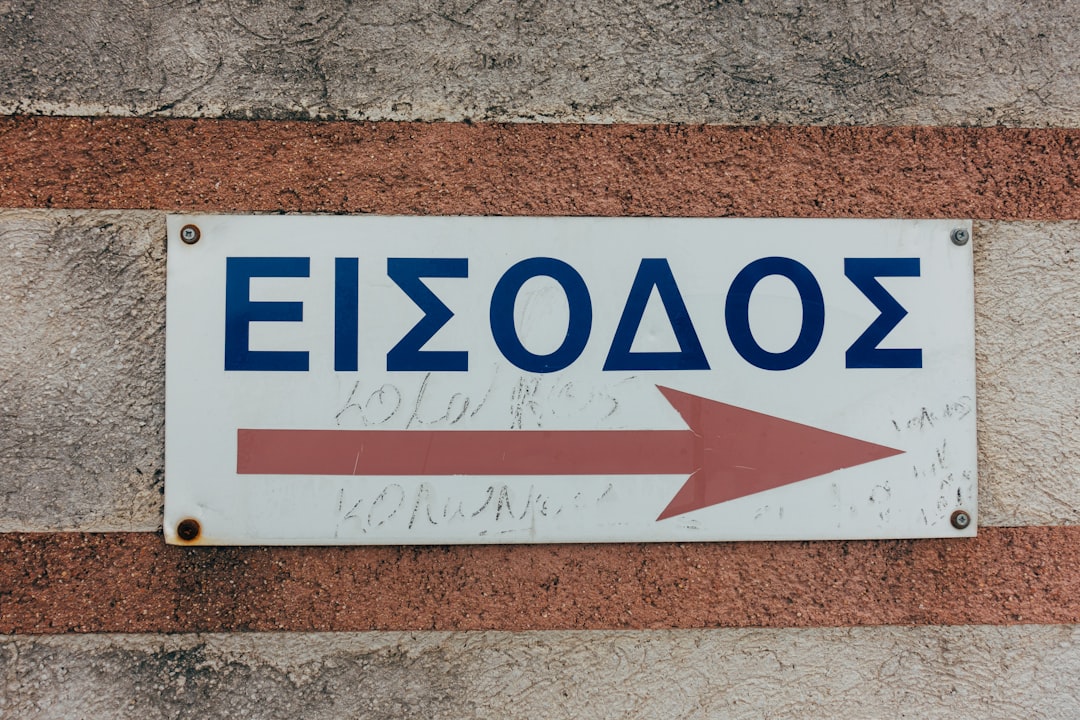
While we all hope our trips to Greece are filled with sunshine, ouzo, and perfect memories, it’s important to be prepared for emergencies and safety situations. Knowing how to communicate clearly when something goes wrong could be the difference between a quick resolution and a stressful disaster. This guide covers emergency services, medical situations, police interactions, and safety vocabulary you hopefully won’t need but absolutely should know before traveling to Greece.
Emergency Numbers and Services
First and foremost, memorize these emergency numbers. They’re easy to remember and critical in emergencies:
“112” (International emergency number)
Works throughout Greece for any emergency.
“166” (Police emergency line)
For police assistance, theft, accidents.
“100” (Police general line)
Non-emergency police calls.
“199” (Fire department)
For fires and fire-related emergencies.
“161” (Coast Guard)
For marine emergencies or rescue at sea.
Calling Emergency Services
“Thélo tin politía!” / Θέλω την αστυνομία!
(THEH-lo teen ahs-too-no-MEE-ah) – I want the police!
“Thélo to asthenofóro!” / Θέλω το ασθενοφόρο!
(THEH-lo toh ahs-theh-no-FO-ro) – I need an ambulance!
“Thélo tin pyrosbessia!” / Θέλω την πυροσβεστική!
(THEH-lo teen pee-ros-ves-TEE-kee) – I need the fire department!
“Híhi éna atíhhima!” / Έχει ένα ατύχημα!
(EH-hee EH-nah ah-TOOKH-ee-mah) – There’s an accident!
“Boithía! Boithía!” / Βοήθεια! Βοήθεια!
(vo-EE-thee-ah) – Help! Help!
“En vózzia óran!” / Ένας νεκρός!
(EH-nahs neh-KROS) – Someone is dead!
Use this in cases of serious trauma when someone is unconscious and not breathing.
“Éna átomo ine travmatiméno!” / Ένα άτομο είναι τραυματισμένο!
(EH-nah AH-to-mo EE-neh trah-vah-tee-SMEH-no) – Someone is injured!
“Thélo léskalo ya asfáleia.” / Χρειάζομαι άμεση βοήθεια.
(HREE-ah-zo-meh AH-meh-see vo-EE-thee-ah) – I need immediate help.
“Pulú tin thefatíri mou.” / Πού την διεύθυνσή μας.
(POO teen thee-EF-thin-see mas) – Give me the address.
Say this if you’re on the phone and need to relay your location.
“Thélis na ísun sa stin opín…” / Θέλω να ξέρουν ότι είμαι…
(THEH-lo nah ksEH-roun OH-tee EE-meh) – I want them to know I’m at…
Tell the dispatcher where you are.
Medical Emergencies: At the Hospital or Doctor’s Office
“Eksitiria spítali” / Νοσοκομείο
(no-so-ko-MEE-o) – Hospital
“Thélo yatró!” / Θέλω γιατρό!
(THEH-lo yah-TRO) – I need a doctor!
“Thélo therapía yia…” / Θέλω θεραπεία για…
(THEH-lo theh-rah-PEE-ah yah) – I need treatment for…
“Éhó alérya se…” / Έχω αλλεργία σε…
(EH-ho ah-ler-YEE-ah seh) – I’m allergic to…
Follow with the allergen (penicillin = penikillíni, latex = latex, peanuts = arahidés, etc.)
“Páno na… méros tou somatos mou vríski…” / Πονάει το…
(po-NAH-ee toh) – It hurts… (point to the body part)
“Echó pyretó.” / Έχω πυρετό.
(EH-ho pee-reh-TOH) – I have a fever.
“Echó kímata.” / Έχω κρύωση.
(EH-ho KREE-o-see) – I have a cold.
“Echó metakári/kópono.” / Έχω πονοκέφαλο.
(EH-ho po-no-KEH-fah-lo) – I have a headache.
“Echó stomáhi-kópono.” / Έχω στομαχόπονο.
(EH-ho sto-mah-KHO-po-no) – I have stomach pain.
“Echó diarrói.” / Έχω διάρροια.
(EH-ho thee-AH-rree-ah) – I have diarrhea.
“Echó emékó.” / Έχω έμετο.
(EH-ho EH-meh-to) – I’m vomiting.
“Echó apraxía/énda.” / Έχω κατάγματα.
(EH-ho kah-TAH-gah-tah) – I have broken bones / fractures.
“Míla angliká yatré?” / Μιλάτε αγγλικά γιατρέ;
(mee-LAH-teh ahn-ghlee-KAH yah-TREH) – Do you speak English, doctor?
“Thélo tin opín mas.” / Θέλω όλη τη διάγνωσή σας.
(THEH-lo OH-lee tee thee-AH-gno-see sahs) – I want your full diagnosis.
“Ti thérapía miazó?” / Ποια θεραπεία μου συμβουλεύετε;
(pee-AH theh-rah-PEE-ah mou seem-voo-LEH-veh-teh) – What treatment do you recommend?
Pharmacy Visits
“Farmakío” / Φαρμακείο
(far-mah-KEE-o) – Pharmacy
Look for this sign or the Greek pharmacist symbol (a caduceus).
“Thélo…” / Θέλω…
(THEH-lo) – I want/I need…
Follow with the medication name.
“Thélo psihrísmata yia…” / Θέλω φάρμακα για…
(THEH-lo FAR-mah-kah yah) – I need medicine for…
“Échete aspigrína?” / Έχετε ασπιρίνη;
(EH-heh-teh ahs-pee-REE-nee) – Do you have aspirin?
“Échete ibuproféni?” / Έχετε ιβουπροφένη;
(EH-heh-teh ee-vou-pro-FEH-nee) – Do you have ibuprofen?
“Échete antihistamíni?” / Έχετε αντιισταμίνη;
(EH-heh-teh ahn-tee-ees-tah-MEE-nee) – Do you have antihistamine?
“Échete lotion yia érithima?” / Έχετε κρέμα για έγκαυμα;
(EH-heh-teh KREH-mah yah ENG-kav-mah) – Do you have burn cream?
“Échete anti-thrombós?” / Έχετε αντι-θρόμβωση;
(EH-heh-teh ahn-tee-THROM-vo-see) – Do you have anticoagulant?
“Thélo kréma ya dermatítida.” / Θέλω κρέμα για δερματίτιδα.
(THEH-lo KREH-mah yah der-mah-TEE-tee-dah) – I want cream for dermatitis/skin irritation.
“Pós na tin líro?” / Πώς να το λάβω;
(POS nah toh LAH-vo) – How do I take it?
“Pósí tin éggira stin níréra?” / Πόσα γράμματα στο νερό;
(PO-see GHRAH-mah-tah sto neh-RO) – How much do I dissolve in water?
“Ísai prosékhi yia…” / Έχει παρενέργειες;
(EH-hee pah-reh-NER-yees) – Does it have side effects?
Police Interactions
“Thélo na pió tin astynomía.” / Θέλω να αναφέρω κάτι στην αστυνομία.
(THEH-lo nah ah-nah-FEH-ro KAH-tee stin ahs-too-no-MEE-ah) – I want to report something to the police.
“Éhohe vándalo sta…” / Μου έκλεψαν το…**
(mou EH-klep-san toh) – They stole my…
“Mou éklepathe i tsánta.” / Μου έκλεψαν την τσάντα.
(mou EH-klep-san teen TSAN-tah) – They stole my bag.
“Krevés yia…” / Χρειάζομαι…
(HREE-ah-zo-meh) – I need…
“Thélo afían pólida…” / Θέλω αναφορά αστυνομίας για…
(THEH-lo ah-nah-fo-RAH ahs-too-no-MEE-as yah) – I want a police report for…
Important for insurance claims.
“Thélo na milísso me yatró spíti yia…” / Θέλω να μιλήσω με δικηγόρο.
(THEH-lo nah mee-LEE-so meh thee-kee-GO-ro) – I want to speak with a lawyer.
“Ín Amerikianos.” / Είμαι Αμερικανός.
(EE-meh ah-meh-ree-kah-NOS) – I’m American.
State your nationality so they can contact your embassy if needed.
“Thélo na siló stin presvia mou.” / Θέλω να επικοινωνήσω με την πρεσβεία μου.
(THEH-lo nah eh-pee-kee-no-NEE-so meh teen pres-VEE-ah mou) – I want to contact my embassy.
“Thélis na vímo eínai dikaío mou na ékhó yatró stin tíri stoun astynomíkó.” / Έχω δικαίωμα να έχω δικηγόρο;
(EH-ho thee-KAH-yo-mah nah EH-ho thee-kee-GO-ro) – Do I have the right to have a lawyer?
Lost or Stolen Items
“Mou éklepsathe…” / Μου έκλεψαν…
(mou EH-klep-san) – They stole my…
“Échasa to…” / Έχασα το…**
(EH-hah-sah toh) – I lost my…
“To diavatiríó mou!” / Το διαβατήριό μου!
(toh thee-ah-vah-TEE-ree-o mou) – My passport!
This is serious. Contact your embassy immediately.
“To portófoli mou!” / Το πορτοφόλι μου!
(toh por-to-FO-lee mou) – My wallet!
“I kárta tis trapézis mou!” / Η κάρτα της τράπεζας μου!
(ee KAR-tah tis TRAP-eh-zis mou) – My bank card!
“Ta klidia tou domatiou!” / Τα κλειδιά του δωματίου!
(tah KLEE-thee-ah too tho-MAH-tee-ou) – My room keys!
“Thélo afían yia tin asífaleia.” / Θέλω αναφορά για ασφάλεια.
(THEH-lo ah-nah-fo-RAH yah ahs-FAH-lee-ah) – I need a report for insurance.
“Pós mborí na metaférso ta léfta?” / Πώς μπορώ να πάρω χρήματα;
(POS bor-O nah PAH-ro KHREH-mah-tah) – How can I get money?
Ask about sending money via Western Union or contacting your bank.
Car and Scooter Emergencies
“To aftokinító mou échei vlávi.” / Το αυτοκίνητό μου έχει βλάβη.
(toh af-to-KEE-nee-to mou EH-hee VLAH-vee) – My car has broken down.
“Échóko elátira.” / Έχω τροχαίο ατύχημα.
(EH-ho tro-khah-EE toh ah-TOOKH-ee-mah) – I’ve had a traffic accident.
“To scooter échei provlíma.” / Το σκούτερ έχει πρόβλημα.
(toh SKOO-ter EH-hee PROV-lee-mah) – The scooter has a problem.
“Échó vlávi sto refreáksion.” / Έχω βλάβη στο φρένο.
(EH-ho VLAH-vee sto FREH-no) – I have brake problems.
“I detéra échei stígma.” / Ένα λάστιχο έχει τρύπα.
(EH-nah LAHS-tee-kho EH-hee TREE-pah) – A tire has a hole.
“Thélo mekhaniká.” / Θέλω μηχανικό.
(THEH-lo mee-khah-nee-KO) – I need a mechanic.
“Pú ine i plísion benzinádiko?” / Πού είναι το κοντινότερο βενζινάδικο;
(POO EE-neh toh kon-tee-NO-teh-ro vehn-zee-NAH-thee-ko) – Where is the nearest gas station?
“Thélo na kléso tin inómi.” / Θέλω να ειδοποιήσω την ασφάλεια αυτοκινήτου.
(THEH-lo nah ee-tho-po-EE-so teen ahs-FAH-lee-ah af-to-kee-NEE-too) – I need to notify my car insurance.
Beach and Water Safety
“Próshira! Akáteros ploion!” / Προσοχή! Απαγορεύεται το κολύμπι!
(pro-so-KHEE, ah-pah-go-REH-veh-teh toh ko-LEEM-bee) – Caution! Swimming is forbidden!
“Thélo voíthi! Síma sto neró!” / Θέλω βοήθεια! Είμαι στο νερό!
(THEH-lo vo-EE-thee-ah, EE-meh sto neh-RO) – Help! I’m in the water!
“To kimatéo ine signaleó ti símmra.” / Ο κυματισμός είναι επικίνδυνος σήμερα.
(o kee-mah-teez-MOS EE-neh eh-pee-KEEN-thee-nos SEE-meh-rah) – The waves are dangerous today.
“Échete psóriotis/lifeguárd?” / Έχετε ψυχοσωματικό;
(EH-heh-teh psee-kho-SO-mah-tee-ko) – Do you have a lifeguard?
“Den prépi na kolimbó épan échí forá.” / Δεν πρέπει να κολυμπώ εδώ;
(then PREH-pee nah ko-leem-PO eh-THO) – I shouldn’t swim here?
“Psaláka/Tsímaná ine stó neró?” / Ψάρια/Μέδουσες είναι στο νερό;
(PSAH-rah-kah/MEH-thoo-ses EE-neh sto neh-RO) – Are there sharks/jellyfish in the water?
“Échó éktvríma ya méthusa.” / Έχω τραύμα από μέδουσα.
(EH-ho TRAH-vee-mah ah-PO MEH-thoo-sah) – I have a jellyfish sting.
Heatstroke and Heat-Related Emergencies
“Thélo neró!” / Θέλω νερό!
(THEH-lo neh-RO) – I want water!
“Échó kaúsona.” / Έχω καύσωνα.
(EH-ho KAH-vo-nah) – I have heatstroke.
“Échó íliovóma.” / Έχω ηλιακό έγκαυμα.
(EH-ho ee-lee-ah-KO ENG-kav-mah) – I have sunburn.
“Échó vertígo.” / Έχω ζάλη.
(EH-ho ZAH-lee) – I’m dizzy.
“Thélo i ófío skoní.” / Θέλω σκιά.
(THEH-lo SKEE-ah) – I want shade.
“Échó kríyos.” / Έχω ψύχος.
(EH-ho PSKEE-hlos) – I’m cold.
This can be a symptom of advanced heatstroke—get help immediately.
“Thélis na se ágomai yía…” / Θέλω να καθίσω.
(THEH-lo nah kah-THEE-so) – I want to sit down.
Asking for Help in General Situations
“Boríte na meh voithísete?” / Μπορείτε να με βοηθήσετε;
(bo-REE-teh nah meh vo-ee-THEE-seh-teh) – Can you help me?
“Échá problímatiká sto hotel.” / Έχω πρόβλημα στο ξενοδοχείο.
(EH-ho PROV-lee-mah sto kseh-no-tho-KHEE-o) – I have a problem at the hotel.
“To wifi théen léptou.” / Το WiFi δεν λειτουργεί.
(toh WEE-fee then lee-TUR-yee) – The WiFi doesn’t work.
“To nerá thermó théen érkhétai.” / Το ζεστό νερό δεν έρχεται.
(toh zes-TOH neh-RO then ER-kheh-teh) – The hot water isn’t coming.
“Thélo na álaxo thóma.” / Θέλω να αλλάξω δωμάτιο.
(THEH-lo nah ah-LAH-xo tho-MAH) – I want to change rooms.
“Thélo to diefthintí.” / Θέλω τον διευθυντή.
(THEH-lo ton thee-eff-THEEN-tee) – I want to speak with the manager.
Embassy and Important Contacts
If something serious happens, you may need to contact your embassy or consulate.
“Thélo na síno pín tin presvia.” / Θέλω την ηλεκτρονική διεύθυνση της πρεσβείας.
(THEH-lo teen ee-lek-tro-nee-KEE thee-EFF-thin-see tis pres-VEE-ahs) – I want the embassy website/contact.
“Pú ine i presvia tis amerikaniká?” / Πού είναι η πρεσβεία της Αμερικής;
(POO EE-neh ee pres-VEE-ah tis ah-meh-ree-KEE) – Where is the US embassy?
“Thélo na síno pín ston konsuló.” / Θέλω να επικοινωνήσω με το προξενείο.
(THEH-lo nah eh-pee-kee-no-NEE-so meh to prok-seh-NEE-o) – I want to contact the consulate.
For major countries, embassies are in Athens. For Australia, Canada, UK, USA, and others, look up their Athens addresses before traveling. It’s helpful to have this information stored in your phone.
Important Health and Safety Vocabulary
“Asífaleia” / Ασφάλεια
(ahs-FAH-lee-ah) – Safety / Insurance
“Emvolio” / Εμβόλιο
(em-VO-lee-o) – Vaccine
“Dósi” / Δόση
(THO-see) – Dose
“Psíhroma” / Ψύχραιμος
(PSKEE-hray-mos) – Cold / Distant
(Important because cold medicines are different from cold syrups)
“Farmáko” / Φάρμακο
(far-MAH-ko) – Medicine
“Gráma” / Γράμμα
(GHRAH-mah) – Prescription
“Eksíteriki” / Εξωτερική
(ek-so-teh-ree-KEE) – External (for topical medicines)
“Esoteriki” / Εσωτερική
(eh-so-teh-ree-KEE) – Internal (for medicines you swallow)
Final Safety Tips
Keep these important phone numbers written down or saved in your phone:
- Your embassy or consulate
- Your hotel
- Your travel insurance company
- Your bank (for stolen cards)
- Emergency services (112, 166, 100, 199)
It’s also wise to:
Conclusion
While we hope you never need these phrases, knowing them provides peace of mind and could be genuinely lifesaving in an emergency. Greeks are generally helpful and will do their best to assist tourists in distress, but being able to communicate clearly about what you need dramatically increases the chances of getting appropriate help quickly.
The key in any emergency is staying calm and communicating as clearly as you can. Even if your Greek isn’t perfect, getting the main words across—”help,” “doctor,” “police,” “accident”—is what matters. Most emergency responders in tourist areas speak some English, but having these Greek words as backup ensures clear communication when it counts most.
Keep this guide accessible throughout your trip, practice the emergency numbers, and travel with confidence knowing you’re prepared. Greece is a safe country for travelers, and with these tools at your disposal, you’re ready for whatever the trip might bring. Kalí óri ki asífali taxithía! (Have a good and safe journey!)




Leave a Reply