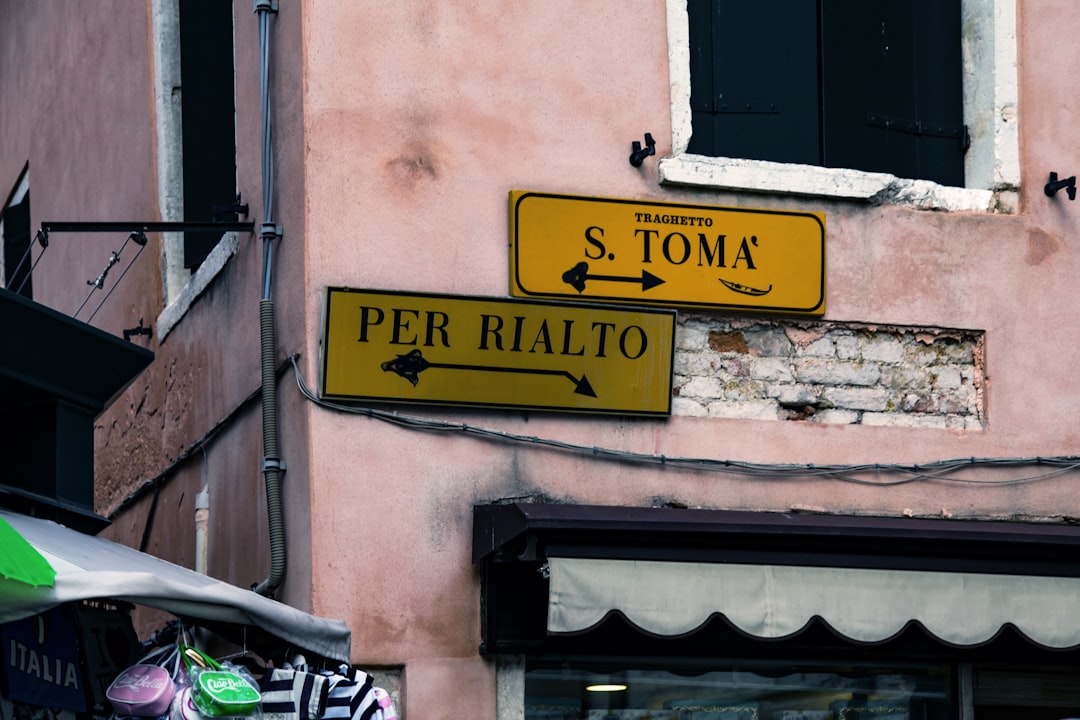
If you want to truly connect with Italy beyond the typical tourist experience, you need to understand how Italians actually speak—not the formal Italian taught in classrooms, but the vibrant, expressive slang that flows through piazzas, bars, and living rooms across the country. Italian slang is an art form that reflects centuries of regional pride, humor, and a certain irreverent attitude toward life. This guide will help you decode the language of the streets and understand why a single phrase can carry an entire attitude.
Essential Italian Slang: The Phrases Everyone Uses
Che Figata! (keh fee-GAH-tah) – How Cool/Awesome!
This is perhaps the most versatile slang expression in Italy. You can use it for anything genuinely impressive—a beautiful sunset, a skillful soccer move, a friend’s new apartment, or literally anything that triggers enthusiasm. The root word figa technically has crude origins, but figata has been genericized enough that it’s socially acceptable in most contexts. You’ll hear it constantly from young Italians.
“Che figata! La tua macchina nuova!” (Keh fee-GAH-tah! Lah TOO-ah MAHK-kee-nah NOO-vah!) – “How awesome! Your new car!”
Boh (boh) – I Don’t Know/Who Knows/Whatever
This is the ultimate expression of Italian shoulder-shrugging indifference. It’s usually accompanied by an actual shrug or dismissive hand gesture. Boh conveys the sense that something is unknowable, unimportant, or not worth worrying about. It’s conversational shorthand for existential uncertainty delivered with style.
“Quando arriva il treno?” “Boh.” (KWAN-doh ah-REE-vah eel TREH-no? Boh.) – “When does the train arrive?” “Who knows.”
Dai! (dah-ee) – Come On!/Let’s Go!/No Way!
Dai is an exclamation of encouragement, frustration, or disbelief depending on context and tone. When stretched out—Daaaaaai!—it can express genuine frustration. Quick and sharp—Dai!—it means let’s do this. The beauty of dai is that tone conveys meaning as much as the word itself.
“Dai, andiamo al bar!” (Dah-ee, ahn-dee-AH-moh ahl bar!) – “Come on, let’s go to the bar!”
“Mi piace la pizza senza formaggio.” “Dai! Stai scherzando!” (Mee pee-AH-cheh lah PEET-sah SEN-zah for-MAHJ-joh. Dah-ee! Stah SKER-tsan-doh!) – “I like pizza without cheese.” “No way! Are you joking?”
Magari (mah-GAH-ree) – If Only/Maybe/Hopefully
This word captures a particularly Italian sentiment—longing, wishing, hoping against hope. It’s what you say when something sounds wonderful but improbable. It can mean “maybe,” “if only,” “hopefully,” or all three simultaneously, depending on context.
“Magari vado in vacanza a Capri!” (Mah-GAH-ree VAH-doh een vah-KAHN-tsah ah KAH-pree!) – “If only I could go on vacation to Capri!”
“Mi piacerebbe essere milionario.” “Magari!” (Mee pee-ah-cheh-REH-beh EHS-seh-reh meel-yo-NAH-reo. Mah-GAH-ree!) – “I’d like to be a millionaire.” “If only!”
Che Strano (keh STRAHN-no) – How Strange/That’s Weird
When something doesn’t quite add up or seems odd, Italians express it with che strano. It’s a simple observation delivered with a certain amount of skepticism or amusement.
“Ha mangiato sei pizze in una sera. Che strano!” (Ah mahn-JAH-toh say PEET-seh een OO-nah SEH-rah. Keh STRAHN-no!) – “He ate six pizzas in one evening. How strange!”
Non Mi Dire! (non mee DEE-reh) – You Don’t Say!/No Kidding!/No Way!
This phrase is often shortened to just Non mi dire! with the tone of someone who has just heard shocking or surprising news. It’s like “Get out of town!” in English—a expression of disbelief mixed with interest.
“Hanno aumentato i prezzi di nuovo.” “Non mi dire!” (AHN-noh ow-men-TAH-toh ee PREHT-see dee NOO-oh-voh. Non mee DEE-reh!) – “They raised prices again.” “You don’t say!”
Cavoli! (KAH-voh-lee) – Darn!/Geez! (mild oath)
This is a family-friendly alternative to stronger expletives, literally meaning “cabbages.” It’s what older relatives say when they want to express frustration but maintain respectability.
“Ho perso l’autobus.” “Cavoli!” (Oh PEHR-so l’ow-toh-BOOS. KAH-voh-lee!) – “I missed the bus.” “Darn!”
Informal Greetings: How Young Italians Say Hello
Among friends and peers, forget the formal approach:
Ciao, come va? (CHOW, KOH-meh vah?) – Hey, how’s it going? (literally “How are you going?”)
Yo/Ehi (yoh/EH-ee) – Hey! (very informal)
Bella! (BEHL-lah!) – Hey! (literally “beautiful,” used between friends of any gender)
Che ne dice? (keh neh DEE-cheh?) – What’s up? (literally “What do you say?”)
Niente di nuovo (nee-EN-teh dee NOO-oh-voh) – Nothing new (standard response to “come va?”)
Tutto bene (TOOT-toh BEH-neh) – Everything’s good (standard response)
Italian Texting Abbreviations: The Digital Shorthand
Italians use texting abbreviations similarly to English speakers, but with some unique variations:
xchè – because (per + ché)
x – for/because
cmq – anyway (comunque)
tk – thanks (grazie)
Msg – message
tvb – want to tell you (ti voglio bene)
Ma nn – But no/But not
Ognl – Everyone (ognuno)
Tt – All/Everyone (tutti)
These abbreviations flow through Italian WhatsApp conversations and social media, creating a uniquely Italian digital dialect.
Regional Slang: Italy Speaks Many Dialects
One of the most fascinating aspects of Italian is how radically different regional dialects and slang can be. Italy was unified only in 1861, and linguistic unity came even later. Many regions still speak dialects that are practically separate languages.
Roman Slang (Romanesco)
Romans are known for their slightly sardonic wit and have slang to match:
Frocio (FROH-choh) – This is a crude term that Romans sometimes use for anything useless or broken (though it’s offensive when used toward people).
Stocazzo (stoh-KAHT-soh) – A very Roman curse expression meaning “none of your business.”
Comodo (KOH-moh-doh) – “Easy” or “take it easy,” spoken with characteristic Roman nonchalance.
Romans sprinkle their speech with diminutives and have a particular way of shortening words—‘sta instead of questa (this), ‘llo instead of quello (that).
Neapolitan Slang
Naples is the soul of passionate Italian expression. Neapolitan slang reflects centuries of history and a certain anarchic spirit:
Che scaramantia! (keh skah-rah-MAHN-tee-ah!) – How unlucky! (from superstition beliefs)
Sfuculiento (sfoo-koo-lee-EN-toh) – Something ridiculous or absurd.
Sfaticato (sfah-tee-KAH-toh) – A lazy person.
Neapolitan has such distinctive characteristics that it’s often considered a separate language. Many Neapolitans will code-switch between Italian and their dialect depending on context.
Milanese Slang
Milan, being Italy’s economic powerhouse, has more cosmopolitan and trendy slang:
Brichén (bree-KEN) – Cool/stylish person (from the English “bright”).
Barbera (bar-BEH-rah) – Uncouth or uncultured person.
Fisc (fesk) – Cool/awesome (Milanese version of cool).
Milanese borrows more from English than other Italian dialects, reflecting the city’s international business culture.
Sicilian Slang
Sicily has been influenced by Arabic, Spanish, and Norman rule, giving it uniquely colorful slang:
Scasatu (skah-sah-TOO) – Something broken or ruined (from Arabic roots).
Galanti (gah-LAHN-tee) – Elegant or refined person.
Bagatella (bah-gah-TEHL-lah) – Something worthless or trivial.
Sicilian dialect is so distinct that mainland Italians sometimes struggle to understand it.
Hand Gestures as Language
In Italy, your hands are as important as your words. Certain gestures carry entire conversations:
Common Italian Hand Gestures
The Pinched Fingers Together Gesture (fingers and thumb together, hand facing up) – “What do you want?” or “I don’t know.” Often paired with a head tilt for emphasis.
The Cheek Scratch (scratching your cheek with your index finger) – “That person is sly” or “Watch out for them.”
The Hand-Under-Chin Flip (flicking your fingers forward from under your chin) – “I don’t care” or “Get out of here.”
Circling Your Ear – “That person is crazy.”
The Double Hand Wave-Off – “Goodbye” or “I’m done with this conversation.”
Italians use these gestures so naturally that they continue using them while on the phone, even though the other person can’t see them. Some elderly Italians wave their hands so expressively that you could follow the conversation just by watching their gestures.
Youth Slang: What Younger Italians Are Saying
Italian youth have developed increasingly creative slang, especially influenced by internet culture:
Cringe (krinj) – Embarrassing/cringeworthy (borrowed from English).
Flex (fleks) – To show off.
Vibe (vibe) – Atmosphere/feeling (borrowed from English).
Sta – Short for stai (you are), used extremely casually.
Tipo (TEE-poh) – “Like” or “basically” (literally “type”).
Acceso (ah-CHEH-soh) – Heated/angry (literally “lit”).
Spacciato (spah-CHAH-toh) – Done for/ruined.
Young Italians on TikTok and Instagram have created an even more abbreviated version of Italian slang, mixing English and Italian in ways that baffle older generations.
Italian Dialects: Almost Separate Languages
The key thing to understand about Italian is that what you learn as “Italian” is actually the Tuscan dialect elevated to national standard. Regional dialects are so different that linguists debate whether they should be classified as separate languages entirely.
A speaker of Sicilian, Sardinian, and Venetian might have difficulty understanding each other without code-switching to standard Italian. Each region has:
- Different vocabulary for common objects
- Different pronunciation rules
- Different grammar structures
- Different cultural attitudes embedded in the language
This linguistic fragmentation is why Italians are intensely proud of their regional identity. When you visit different regions, you’re not just experiencing different landscapes and cuisines—you’re encountering genuinely different languages and cultures.
Practical Tips for Understanding Italian Slang
When visiting Italy, you don’t need to use slang constantly—but understanding it will make you feel more connected to the actual experience. Listen carefully in bars, markets, and public transportation. You’ll hear the same expressions repeatedly.
Pay attention to tone and context. The same word can mean different things depending on inflection. An Italian’s ability to convey nuance through tone is part of what makes the language so musical and expressive.
Don’t be afraid to ask what something means. Young Italians especially appreciate when foreigners show genuine interest in their language and culture beyond the tourist Italian of guidebooks.
Finally, remember that slang is constantly evolving. The expressions young Romans use today might be outdated in five years, especially with how rapidly internet culture moves. But the core slang—boh, dai, magari, che figata—these are timeless expressions that will serve you well for years to come.
Buona fortuna speaking like a local!




Leave a Reply