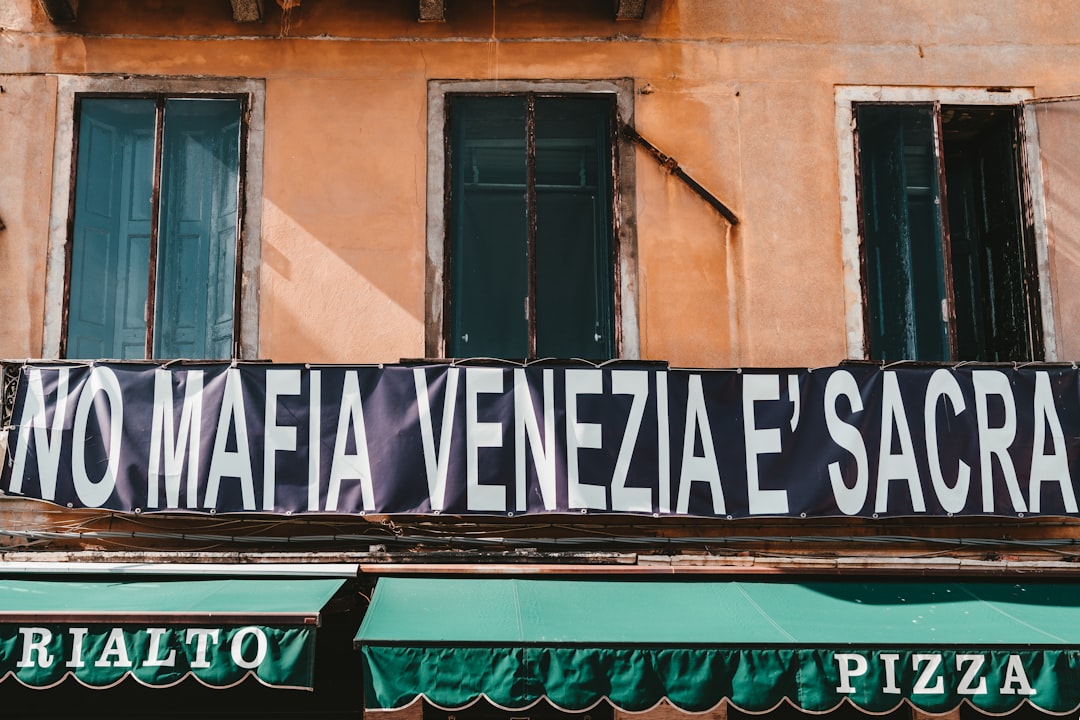
DISCLAIMER: This article contains strong language and is intended purely for educational and cultural understanding. The phrases included are presented as linguistic information for travelers who want to understand Italian culture more deeply, not as language to use casually or offensively. Understanding what words are insulting in another culture is actually a sign of respect and cultural awareness. Context matters enormously—a word that’s mild among close friends might be gravely offensive to a stranger.
If you’ve watched Italian films or spent time around passionate Italians, you’ve probably noticed one thing: they’re not shy about strong language. Italian insults and expletives are legendary for their creativity, theatrical delivery, and often baffling literal meanings. Unlike English, where insults tend to be straightforward, Italian insults frequently involve elaborate metaphors, body parts, and references to family honor that can seem almost poetic in their absurdity.
Mild Insults: The Everyday Dismissals
These expressions are used casually among friends or in moments of mild frustration. They’re not seriously offensive, but they wouldn’t be appropriate in formal situations:
Stupido/Stupida (stoo-PEE-doh/stoo-PEE-dah) – Stupid (person). The gendered versions matter in Italian—you match the gender to the person being addressed.
Sciocco/Sciocca (SHOK-koh/SHOK-kah) – Foolish/silly person.
Scemo/Scema (SHEH-moh/SHEH-mah) – Idiot/dimwit. This is fairly casual and might be used even among friends joking around.
Buono a nulla (bwoh-NOH ah NOOL-lah) – Good for nothing (literally). It suggests someone is useless or lazy.
Pigrone/Pigrona (pee-GROH-neh/pee-GROH-nah) – Lazy person. From pigro (lazy).
Pazzo/Pazza (PAHT-soh/PAHT-sah) – Crazy person. Italians use this liberally for someone doing something foolish.
Imbecille (eem-beh-CHEEL-leh) – Imbecile. Slightly more serious than stupido.
These mild insults are acceptable fodder for friendly teasing or expressing momentary frustration. A parent might call a child scemo for doing something foolish, similar to “silly” in English.
Moderate Insults: Getting More Serious
These phrases cross into genuine territory of being insulting, and you wouldn’t use them casually with someone unless you were genuinely annoyed:
Cretino/Cretina (kreh-TEE-noh/kreh-TEE-nah) – Cretin. This carries more sting than stupido and suggests genuine contempt.
Deficiente (deh-fee-CHEN-teh) – Deficient/retarded. This is considered offensive in contemporary Italian society and shouldn’t be used casually.
Buffone (boof-FOH-neh) – Clown/buffoon. Used when someone is acting ridiculously or making a fool of themselves.
Vigliacco/Vigliacca (veel-YAH-koh/veel-YAH-kah) – Coward. A serious insult implying lack of courage.
Bugiardo/Bugiarda (boo-jar-DOH/boo-jar-DAH) – Liar. Directly questioning someone’s honesty.
Sporco (SPOR-koh) – Dirty (person). Can be used literally or figuratively to suggest moral corruption.
Maleducato/Maleducata (mah-leh-doo-KAH-toh/mah-leh-doo-KAH-tah) – Rude/ill-mannered. Suggests someone lacks basic decency.
Stronzo/Stronza (STROHN-tsoh/STROHN-tsah) – A more aggressive insult. Not quite at expletive level but moving that direction.
Strong Expletives: The Serious Stuff
TRIGGER WARNING: The following section contains strong profanity for educational purposes only.
These are genuine curse words in Italian. You’ll hear them in films, among friends in heated arguments, or during moments of genuine anger. They’re not suitable for polite company:
Cazzo (KAHT-soh) – A crude reference to male genitalia used as an expletive. It’s probably the most common Italian curse word.
Cazzo! – Used like “Fuck!” or “Damn!” by itself.
Che cazzo? (keh KAHT-soh?) – What the fuck? Expression of confusion or anger.
Vaffanculo (vah-fahn-KOO-loh) – Go fuck yourself. This is the classic aggressive Italian insult, often shortened to vaffanc.
Merda (MEHR-dah) – Shit. Used similarly to English.
Che merda! (keh MEHR-dah!) – What shit! Expression of disgust.
Porco (POR-koh) – Literally “pig,” but used as a curse word, often in combinations like Porco dio! (which we’ll get to below).
Bastardo/Bastarda (bas-TAR-doh/bas-TAR-dah) – Bastard. More serious when used as a curse than in English.
Figlio di puttana (FEEL-yo dee poot-AHN-nah) – Son of a bitch (literally “son of a prostitute”). This is fighting words in Italian.
Testa di cazzo (TES-tah dee KAHT-soh) – Dickhead (literally “head of a dick”). Self-explanatory.
Stronzo (STROHN-tsoh) – Asshole/shit-for-brains. More serious than in English usage.
The Uniquely Italian Phenomenon: Bestemmie (Religious Swearing)
Here’s where Italian profanity becomes truly distinctive from English—the concept of bestemmia (beh-STEM-mee-ah), which translates as “blasphemy” or religious swearing. This is nearly unique to Italy and is taken far more seriously than comparable expressions in English.
Bestemmie involve invoking God, saints, or religious figures in insulting or angry contexts. They’re shockingly common in everyday Italian speech, especially among older generations, yet they’re simultaneously considered deeply offensive by religious people and officially illegal in some contexts.
Porco Dio (POR-koh DEE-oh) – Pig God. One of the most common bestemmie, used to express extreme frustration. An English equivalent might be “Goddammit!” but it’s far more offensive in Italian.
Madonna (mah-DOHN-nah) – Used as a curse invoking the Virgin Mary. Extremely common, sometimes almost casually, which shocks English speakers.
Cristo! (KREES-toh) – Christ! Used like an expletive.
Dio mio! (DEE-oh MEE-oh) – My God! Can be used as a curse rather than just an expression.
Satana (sah-TAH-nah) – Satan. Sometimes used as a curse.
Diavolo (dee-AH-voh-loh) – Devil. Used as an exclamation of frustration or anger.
The thing about bestemmie is that they’re often used almost unconsciously by secular Italians as a linguistic habit rather than a genuine religious statement. However, older, religious Italians find them genuinely offensive. Using bestemmie is technically illegal in some Italian regions under archaic blasphemy laws, though enforcement is extremely rare.
English speakers should be aware that swearing in Italian—especially bestemmie—carries more cultural weight than similar expressions in English, which makes them even more shocking to Italians when foreigners use them.
Creative Italian Insults: The Artistry of Abuse
Italian has a delightful tradition of creative, unexpected insults that mix humor with hostility:
Testa di cavolo (TES-tah dee kah-VOH-loh) – Cabbage head (stupid person). The absurdity is part of the humor.
Testaccia (tes-TAHCH-chah) – Big stubborn head.
Naso di patata (NAH-soh dee pah-TAH-tah) – Potato nose (to insult someone’s appearance).
Capra (KAH-prah) – Goat (stupid or annoying person). Often used by one region insulting another.
Tacchino (tahk-KEE-noh) – Turkey (stupid person).
Asino (AH-see-noh) – Donkey/ass (stupid person).
Pezzo di merda (PET-soh dee MEHR-dah) – Piece of shit. The alliteration makes it somehow even more insulting.
Coglione/Cogliona (kohl-YOH-neh/kohl-YOH-nah) – Testicle/idiot. A very Italian style of insult based on body parts.
The creativity here reflects Italian’s general expressiveness. Where English might say “asshole,” Italian offers “piece of shit,” “donkey,” “cabbage head,” or any number of colorful alternatives.
Regional Differences in Insults
Different regions have their own particularly colorful insults:
Roman Insults (Romanesco)
Romans are known for a certain sardonic quality to their insults:
Puppaggine – Nonsense (very Roman, sounds almost cute but is insulting).
Zozzone (tsohts-SOH-neh) – Slob/dirty person (very Roman).
Neapolitan Insults
Neapolitans are masters of elaborate, creative insults:
Sfaticato (sfah-tee-KAH-toh) – Lazy bum.
Scaramantia – Unlucky person (from superstition).
Sicilian Insults
Stupidazza (stoo-pee-DAHT-sah) – A particularly Sicilian way of saying someone is stupid.
Babbaleo – A silly or foolish person (very Sicilian).
The Art of the Italian Hand Gesture Insult
Many Italian insults include hand gestures that somehow make them worse:
The Middle Finger – Works the same as in English, but Italians often combine it with other gestures for maximum effect.
The Double Hand Flip – Both hands making a flipping gesture while saying something insulting. It adds disdain to the words.
The Cheek Scratch – Scratching your cheek with your index finger while insulting someone suggests they’re sly or deceitful.
The Hand Under the Chin Flip – This gesture combined with an insult is extraordinarily dismissive.
Italians will sometimes deliver an entire insult-laden argument using mostly hand gestures and facial expressions, with minimal actual words.
When and Why Italians Use Strong Language
Italians use strong language in several contexts:
Among close friends – Friends freely insult each other in ways that would seem harsh if overheard by strangers. It’s a sign of comfort and closeness.
During heated arguments – If someone is genuinely angry, you’ll hear the strongest language.
During sports – Soccer fans are famous for absolutely colorful language during matches.
During traffic incidents – Italian drivers will absolutely let loose with full-throated expletives at other drivers.
In films and entertainment – Italian cinema and TV are far less censored regarding language than American media.
Importantly, context and relationship determine what’s acceptable. A parent might use scemo with a child affectionately, but that same word from a stranger would be insulting. Swearing among close friends is normal; swearing at someone you’ve just met is fighting words.
Cultural Context: Why Italian Swearing Is So Intense
Italian communication is inherently passionate and expressive. The language evolved in a Mediterranean culture where emotional expression is valued. Strong language isn’t necessarily indicative of aggression—it can simply be part of animated conversation.
Additionally, Italian has a particularly strong concept of family honor and personal dignity. Insults that reference someone’s family lineage, intelligence, or character are taken more seriously than in more reserved cultures. This is why figlio di puttana (son of a bitch) carries such weight—it’s attacking someone’s family.
The religious component of bestemmie reflects Italy’s historical role as the seat of Catholicism. Even secular Italians use these expressions, but they carry more psychological weight than their English equivalents.
Practical Advice for Travelers
You don’t need to use Italian insults to travel successfully. In fact, non-native speakers using strong language often come across as trying too hard or disrespectful. However, understanding these words is genuinely useful because:
- You’ll hear them constantly in everyday Italian conversation
- Understanding them helps you grasp the full emotional content of what’s being said
- Recognizing insults helps you understand if someone is genuinely angry or just being passionate
- It prevents accidental offense from appearing ignorant of cultural norms
Listen more than you speak. Pay attention to when Italians use strong language and in what contexts. This teaches you far more about Italian culture than any guidebook can.
Most importantly, never use bestemmie unless you’re genuinely trying to offend. They carry a weight in Italian culture that English speakers rarely understand, and using them marks you as either dangerously ignorant or aggressively hostile.
The beauty of learning Italian insults is that it shows you care enough about the language and culture to understand it at a deeper level. That understanding, used responsibly, brings you closer to authentic Italian conversation.
Buona fortuna, and may your Italian never require actual fighting words!




Leave a Reply