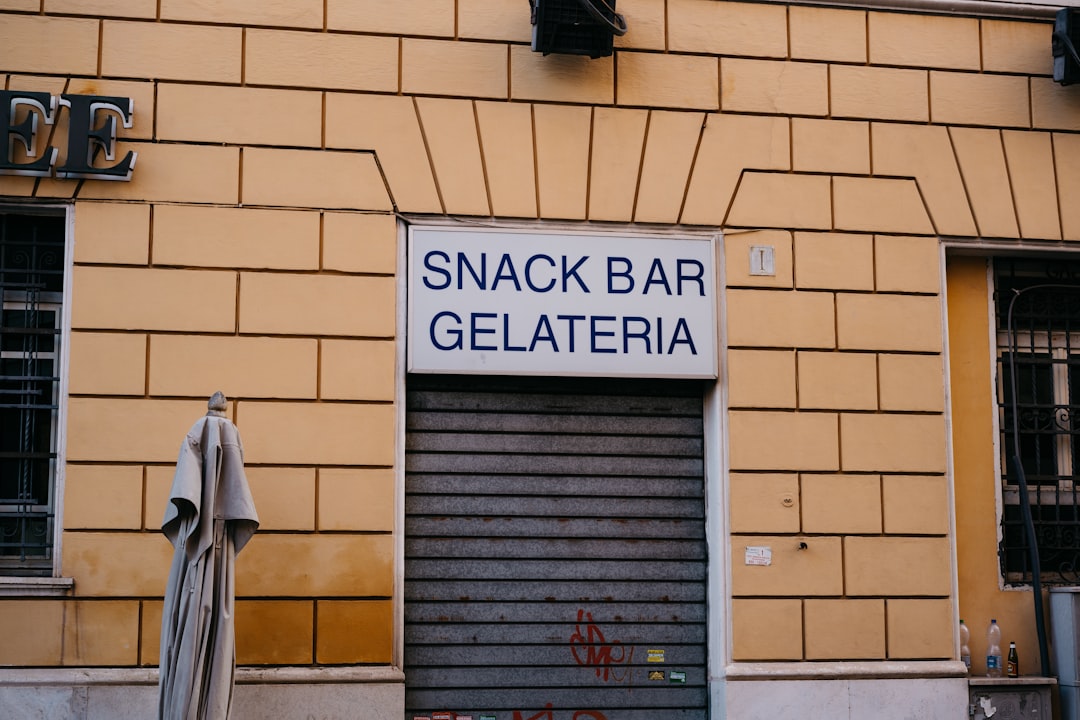
If there’s one universal truth about Italy, it’s that food is a language all its own. Italians don’t just eat—they communicate about food, debate it, defend regional recipes, and treat dining as a cultural and social event of the highest importance. Learning to navigate Italian menus, understand wine terminology, and order food correctly isn’t just practical; it’s an essential part of experiencing authentic Italy. This guide will help you move confidently through Italian dining culture and understand the sacred rules that govern food and drink.
The Structure of an Italian Meal: From Aperitivo to Digestivo
First, understand how a traditional Italian meal is structured. It’s completely different from American dining, and knowing the progression helps you understand menus and order appropriately:
L’aperitivo (lah ah-pehr-ee-TEE-voh) – The pre-meal drink and snack. Usually something light with a drink.
L’antipasto (lahn-tee-PAHS-toh) – The appetizer course. Literally “before the pasta.” Often includes cured meats, cheeses, vegetables, and seafood.
Il primo (eel PREE-moh) – The first course, almost always pasta, risotto, or soup. This is the heart of the meal.
Il secondo (eel seh-KON-doh) – The second course, typically meat or fish.
Il contorno (eel con-TOR-noh) – The side dish, usually vegetables.
L’insalata (leen-sah-LAH-tah) – Salad, often served after the main course.
Il formaggo e la frutta (eel for-MAHJ-joh eh lah FROO-tah) – Cheese and fruit.
Il dolce (eel DOHL-cheh) – Dessert.
Il caffè (eel kah-FEH) – Coffee (usually espresso).
Il digestivo (eel dee-jes-TEE-voh) – After-dinner liqueur to aid digestion.
A traditional full Italian meal can span multiple hours and include all of these components, though many modern Italians (especially for lunch) will skip courses or eat more simply.
Ordering at Restaurants: The Essential Phrases
Vorrei una tavola per due (vor-RAY OO-nah TAH-voh-lah pehr DOO-eh) – I would like a table for two.
Avete una tavola libera? (ah-VEH-teh OO-nah TAH-voh-lah LEE-beh-rah?) – Do you have a free table?
Potremmo aspettare? (poh-TREH-moh ahs-peht-TAH-reh?) – Can we wait?
Qual è la specialità della casa? (kwal EH lah speh-chahl-ee-TAH DEHL-lah KAH-sah?) – What is the house specialty?
Che mi consiglia? (keh mee kon-SEEL-yah?) – What do you recommend?
Vorrei… (vor-RAY) – I would like… (followed by the dish name).
Mi porta… (mee POR-tah) – Bring me… (more casual, often used with waiters you know).
Ancora una bottiglia di vino, per favore (AHN-koh-rah OO-nah bot-TEEL-yah dee VEE-noh, pehr fah-VOR-eh) – Another bottle of wine, please.
Il conto, per favore (eel KON-toh, pehr fah-VOR-eh) – The check, please.
Accettate carte di credito? (ah-cheh-TAH-teh KAR-teh dee KREH-dee-toh?) – Do you accept credit cards?
Understanding Italian Menus: Navigation Guide
Italian menus can be overwhelming because they feature regional specialties that don’t translate well. Here are the key sections and how to read them:
Menu del Giorno (MEH-noo dehl JOR-noh) – Menu of the day. Often offers fixed-price options and is typically cheaper and fresher than the regular menu.
Specialità della Casa (speh-chahl-ee-TAH DEHL-lah KAH-sah) – House specialties. Usually the chef’s pride.
Piatti Consigliati (pee-AHT-tee kon-seel-YAH-tee) – Recommended dishes. Pay attention to these.
Paste e Risotti (PAHS-teh eh ree-SOT-tee) – Pasta and risotto dishes. The primi.
Carni (KAR-nee) – Meat dishes.
Pesce (PEHS-cheh) – Fish dishes.
Verdure (vehr-DOO-reh) – Vegetable dishes.
Formaggi (for-MAHJ-jee) – Cheeses.
Dolci (DOHL-chee) – Desserts.
Ordering Food: Critical Phrases for Dietary Needs
Sono vegetariano/vegetariana (SO-noh vehj-eh-tar-ee-AH-noh/vehj-eh-tar-ee-AH-nah) – I am vegetarian (gender-dependent).
Sono vegano/vegana (SO-noh VEH-gah-noh/VEH-gah-nah) – I am vegan.
Ho un’allergia (oh oo-nahl-LEHR-jee-ah) – I have an allergy.
Sono allergico/allergica a… (SO-noh ahl-lehr-JEE-koh/ahl-lehr-JEE-kah ah) – I am allergic to…
Contiene noci? (kon-tee-EH-neh NOH-chee?) – Does it contain nuts?
Contiene pesce? (kon-tee-EH-neh PEHS-cheh?) – Does it contain fish?
Senza formaggio, per favore (SEN-zah for-MAHJ-joh, pehr fah-VOR-eh) – Without cheese, please.
Senza aglio (SEN-zah AHL-yoh) – Without garlic.
Poco sale (POH-koh SAH-leh) – Little salt.
Cotto ben fatto (KOT-toh ben FAHT-toh) – Well done (for meat).
Al sangue (ahl SAHN-gweh) – Rare (literally “bloody”).
Media cottura (MEH-dee-ah kot-TOO-rah) – Medium.
The Wine Vocabulary You Need to Know
Italy produces some of the world’s greatest wines, and understanding wine terminology opens a whole dimension of dining:
Vino rosso (VEE-noh ROHS-soh) – Red wine.
Vino bianco (VEE-noh bee-AHN-koh) – White wine.
Vino rosato (VEE-noh roh-sah-TOH) – Rosé wine.
Spumante (spoo-MAHN-teh) – Sparkling wine (like Prosecco).
Secco (SEK-koh) – Dry wine.
Dolce (DOHL-cheh) – Sweet wine.
Corposo (kor-POH-soh) – Full-bodied.
Leggero (lehj-JEH-roh) – Light (in body).
DOC (Denominazione di Origine Controllata) – A quality designation meaning the wine is from a controlled geographic region and follows specific production standards.
DOCG (Denominazione di Origine Controllata e Garantita) – The highest Italian wine quality designation, with “Garantita” meaning guaranteed. If you see DOCG, it’s going to be excellent (and more expensive).
IGT (Indicazione Geografica Tipica) – A lower classification but can still indicate good wine.
When ordering wine, you can simply point to something on the wine list and say Un calice di questo, per favore (OON KAH-lee-cheh dee KWES-toh, pehr fah-VOR-eh) – “A glass of this, please.”
The Sacred Rules of Italian Coffee
Coffee in Italy is sacred, ritualistic, and governed by unwritten rules that locals follow religiously. Understanding these rules shows respect for the culture:
Rule 1: Cappuccino Is ONLY for Breakfast
This is the most important rule. Cappuccino is a breakfast drink. Ordering it after 11 AM marks you as a tourist. After breakfast, Italians drink espresso or ristretto (a stronger, more concentrated espresso). This is not negotiable.
Un cappuccino (oon kah-poo-CHEE-noh) – A cappuccino.
Rule 2: Espresso Is the Default
When you order “caffè,” you get a small, strong black coffee—an espresso shot.
Un caffè (oon kah-FEH) – An espresso.
Un espresso (oon es-PRES-soh) – Explicitly ordering espresso (same thing).
Rule 3: The Variations
Un espresso doppio (oon es-PRES-soh DOP-pee-oh) – A double espresso (literally “double”).
Un ristretto (oon rees-TREHT-toh) – A shorter, more concentrated shot (literally “restricted”).
Un lungo (oon LOO-ngo) – A longer espresso shot, closer to an American “long black.”
Un caffè americano (oon kah-FEH ah-meh-ree-KAH-noh) – An espresso diluted with hot water (Italians do offer this for Americans, but with a knowing smile).
Un caffè corretto (oon kah-FEH kor-REHT-toh) – An espresso “corrected” with a splash of liqueur (usually grappa).
Rule 4: Milk Variations (Afternoon Only)
Un caffè latte (oon kah-FEH LAHT-teh) – Espresso with steamed milk. Acceptable after breakfast.
Un macchiato (oon mahk-kee-AH-toh) – Espresso “marked” with just a small amount of milk foam.
Un caffè freddo (oon kah-FEH FRED-doh) – Iced coffee (increasingly popular in summer).
Rule 5: Ordering at a Bar vs. Table
Italians traditionally stand at the bar counter (al banco) to have their coffee—it’s cheaper and faster. Sitting at a table (al tavolo) costs more. You typically order and pay at the counter first, then take your receipt to the barista.
Un caffè al banco (oon kah-FEH ahl BAHN-koh) – An espresso at the counter.
Un caffè al tavolo (oon kah-FEH ahl TAH-voh-loh) – An espresso at a table.
Gelato Vocabulary: The Language of Italian Ice Cream
Gelato is serious business in Italy. It’s not ice cream—it’s a distinct category with its own culture and terminology.
Un gelato (oon jeh-LAH-toh) – An ice cream cone or cup.
Un cono (oon KOH-noh) – A cone.
Una coppetta (OO-nah kop-PET-tah) – A cup.
Quanti sapori? (KWAN-tee sah-POR-ee?) – How many flavors? (gelato shops usually sell by the number of flavors, not the size).
Uno scoop/Due scoop/Tre scoop – One scoop/Two scoops/Three scoops (English word is often used in modern Italy).
Gusti disponibili (GOOS-tee dis-poh-nee-BEE-lee) – Available flavors.
Common flavato flavors:
Vaniglia (vah-NEEL-yah) – Vanilla
Cioccolato (choh-koh-LAH-toh) – Chocolate
Fragola (FRAH-goh-lah) – Strawberry
Nocciola (noh-CHOH-lah) – Hazelnut
Pistachio (pees-TAH-kee-oh) – Pistachio
Limone (lee-MOH-neh) – Lemon
Crema (KREH-mah) – Cream (vanilla-based but richer)
Zabaione (tsah-bah-YOH-neh) – Zabaglione (egg and Marsala wine flavor)
A key thing about gelato: quality matters enormously. Look for a gelateria where the gelato is piled high and covered (not displayed in low trays). Read reviews. Ask locals where they get their gelato. This isn’t just ice cream—it’s an experience.
Pizza Terminology: More Than Just Crust
Italian pizza has specific terminology and regional styles:
Una pizza margherita (OO-nah PEET-sah mar-gehr-EE-tah) – The classic pizza with tomato, mozzarella, and basil.
Una pizza al taglio (OO-nah PEET-sah ahl TAHL-yoh) – Pizza sold by the slice (literally “by the cut”).
Una pizza al forno (OO-nah PEET-sah ahl FOR-noh) – Pizza baked in a wood-fired oven (the traditional way).
Impasto (eem-PAHS-toh) – The dough/crust.
Cornicione (kor-nee-choh-NEH) – The crust edge (the part you might fold).
Forno a legna (FOR-noh ah LEH-nyah) – Wood-fired oven.
Regional pizza variations matter:
Pizza Napoletana (PEET-sah nah-poh-leh-TAH-nah) – Neapolitan pizza: thicker crust, very wet, traditionally only three ingredients.
Pizza al Taglio (Roman) – Roman style: thin crust, rectangular, sold by weight.
Pizza Siciliana (PEET-sah see-chee-lee-AH-nah) – Sicilian: thick, square, and often topped with breadcrumbs.
Regional Dishes and Menu Items Worth Knowing
Every region has signature dishes you’ll see on menus:
Risotto ai Funghi (ree-sot-TOH ah-ee FOON-ghee) – Risotto with mushrooms (Northern Italy).
Osso Buco (OS-soh BOO-koh) – Braised veal shank (Milan).
Bistecca alla Fiorentina (bis-TEK-kah ahl-lah fee-ren-TEE-nah) – Florentine-style steak (Tuscany).
Cacio e Pepe (KAH-choh eh PEH-peh) – Cheese and pepper pasta (Rome).
Spaghetti alla Carbonara (spah-GHET-tee ahl-lah kar-boh-NAH-rah) – The famous bacon, egg, and cheese pasta (Rome).
Ravioli (rah-vee-OH-lee) – Filled pasta (various regions).
Pesto Genovese (PES-toh jen-oh-VEH-seh) – Basil sauce, originally from Genoa.
Arancini (ah-rahn-CHEE-nee) – Fried risotto balls (Sicily).
Panettone (pah-neh-TOH-neh) – Christmas fruit bread (common everywhere but especially in Milan).
Tiramisu (tee-rah-mee-SOO) – Mascarpone and espresso layered dessert (Veneto).
Shopping at Markets: Vendor Vocabulary
Quanto costa al kilo? (KWAN-toh KOS-tah ahl KEE-loh?) – How much per kilogram?
Voglio mezzo kilo (VOH-lyoh MEHT-soh KEE-loh) – I want half a kilogram.
Un etto (oon ET-toh) – 100 grams (basic market measurement).
Due etti (DOO-eh ET-tee) – 200 grams.
Mi dia tre etti di prosciutto (mee DEE-ah treh ET-tee dee pro-SHOO-toh) – Give me 300 grams of prosciutto.
È fresco? (EH FRES-koh?) – Is it fresh?
È di stagione? (EH dee stah-JOH-neh?) – Is it seasonal?
Posso assaggiare? (POS-soh ahs-sahj-JAH-reh?) – Can I taste it?
Market vendors appreciate if you show genuine interest in their products and ask questions about quality. Never just point—use words. Italians respect engagement with food even in its most basic commercial form.
The Tipping Question: What You Need to Know
Tipping in Italy is NOT like the United States. Service is included in the bill (servizio compreso – ser-VEE-tzee-oh kohm-PREHS-oh). You don’t need to tip 15-20%. A small rounding up or leaving a few euros if service was exceptional is appreciated but not expected.
Servizio compreso (ser-VEE-tzee-oh kohm-PREHS-oh) – Service included.
Servizio non compreso (ser-VEE-tzee-oh non kohm-PREHS-oh) – Service not included.
When in doubt, ask: Il servizio è compreso? (eel ser-VEE-tzee-oh EH kohm-PREHS-oh?) – Is service included?
The Golden Rule: Respect Food, Respect the Culture
In Italy, food is treated as art, history, and love combined. Italians debate regional recipes with passion, defend their grandmother’s cooking methods, and consider food discussions as important as any other cultural topic.
When ordering, show respect. Ask about ingredients. Show appreciation for what you’re eating. Don’t request modifications that fundamentally alter a dish—Italians find this insulting. If something is offered to you, accept it graciously.
Most importantly, slow down. Italians typically spend two to three hours on a meal. Sit, talk, enjoy. This is the Italian way, and understanding this attitude toward food—that it’s not fuel but rather communication, celebration, and culture—is key to truly experiencing Italy.
Buon appetito!




Leave a Reply