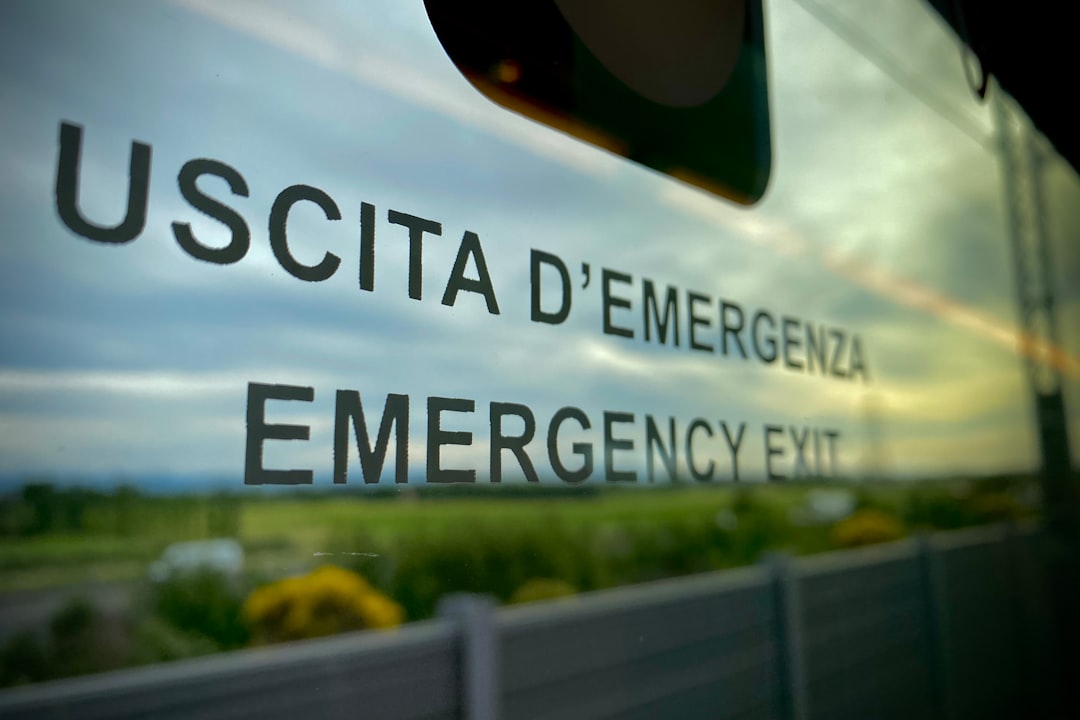
No traveler wants to imagine needing emergency phrases, but being prepared for medical emergencies, police interactions, lost documents, or other crises is genuinely important. Italy is generally a safe country for tourists, but accidents happen, belongings go missing, and sometimes you need to communicate with authorities or medical professionals quickly. This guide provides the vocabulary and phrases you need to handle serious situations calmly and effectively. Hopefully, you’ll never need these phrases, but knowing them provides peace of mind.
Emergency Services: Calling for Help
The Most Important Numbers
112 (uno-uno-due) – General emergency number (works for police, ambulance, fire—call this one if unsure).
113 (uno-uno-tre) – Polizia Nazionale (police, non-urgent).
115 (uno-uno-cinque) – Vigili del Fuoco (firefighters).
118 (uno-uno-otto) – Ambulanza (ambulance).
112 is the absolute most important number. It’s the universal emergency number in the EU and will direct you to whatever service you need.
Making an Emergency Call
“Ho bisogno di aiuto!” (oh bee-ZOH-nyoh dee ah-YOO-toh!) – I need help! (most urgent)
“Chiamo l’ambulanza!” (kee-AH-moh lahm-boo-LAHN-tsah!) – I’m calling an ambulance!
“Dove sono? Mi trovo in via…numero…” (DOH-veh SOH-noh? Mee TROH-voh een VEE-ah…NOO-meh-roh) – Where am I? I am on…street…number…
“C’è stato un incidente” (cheh STAH-toh oon een-chee-DEN-teh) – There has been an accident.
“Una persona è ferita” (OO-nah pehr-SOH-nah EH feh-REE-tah) – A person is injured.
“Una persona è incosciente” (OO-nah pehr-SOH-nah EH een-koh-SHEN-teh) – A person is unconscious.
“Ho ingerito qualcosa di tossico” (oh een-jeh-REE-toh kwal-KOH-sah dee TOS-see-koh) – I have ingested something toxic.
“Sto soffocando” (stoh sof-foh-KAHN-doh) – I am choking.
“Sono stato punto/punto da un’ape/vespa” (SOH-noh STAH-toh POON-toh dah oon AH-peh/VES-pah) – I have been stung by a bee/wasp.
“Ho una reazione allergica grave” (oh OO-nah reh-ahk-tsee-OH-neh ahl-lehr-JEE-kah GRAH-veh) – I have a serious allergic reaction.
“Non posso respirare” (non POS-soh res-pee-RAH-reh) – I can’t breathe.
When calling emergency services, stay calm, speak clearly, and provide your location. Operators in Italy speak Italian primarily, though English speakers will try to help if available.
Medical Emergencies: The Hospital and Urgent Care
Getting to Medical Care
“Dove’è l’ospedale più vicino?” (doh-VEH los-peh-DAH-leh pee-oo VEE-chee-noh?) – Where is the nearest hospital?
“Ho bisogno di un medico urgentemente” (oh bee-ZOH-nyoh dee oon MEH-dee-koh oor-jen-TEH-men-teh) – I need a doctor urgently.
“Dove’è il pronto soccorso?” (doh-VEH eel PROHN-toh sok-KOR-soh?) – Where is the emergency room? (literally “first aid”)
“Chiama un’ambulanza per favore!” (kee-AH-mah oon-ahm-boo-LAHN-tsah pehr fah-VOR-eh!) – Call an ambulance please!
“Mi puoi portare all’ospedale?” (mee poo-oy por-TAH-reh ahl-los-peh-DAH-leh?) – Can you take me to the hospital?
“Ho un’assicurazione medica internazionale” (oh oo-nahs-see-koo-rah-tsee-OH-neh MEH-dee-kah een-tehr-nah-tsee-oh-NAH-leh) – I have international medical insurance.
Describing Medical Problems
“Mi fa male la testa” (mee fah MAH-leh lah TES-tah) – I have a headache.
“Mi fa male lo stomaco” (mee fah MAH-leh loh STOH-mah-koh) – I have a stomachache.
“Mi fa male il cuore/il petto” (mee fah MAH-leh eel KWO-reh/eel PET-toh) – I have chest pain.
“Mi fa male il braccio/la gamba” (mee fah MAH-leh eel BRAHT-choh/lah GAHM-bah) – My arm/leg hurts.
“Ho la febbre” (oh lah FEB-breh) – I have a fever.
“Mi sento male” (mee SEN-toh MAH-leh) – I feel sick.
“Ho vomitato” (oh voh-mee-TAH-toh) – I’ve vomited.
“Ho diarrea” (oh dee-ahr-REH-ah) – I have diarrhea.
“Soffro di asma” (SOF-froh dee AHS-mah) – I have asthma.
“Ho problemi di cuore” (oh PROH-bleh-mee dee KWO-reh) – I have heart problems.
“Sono diabetico/diabetica” (SOH-noh dee-ah-BEH-tee-koh/dee-ah-BEH-tee-kah) – I am diabetic.
“Ho la pressione alta” (oh lah pres-see-OH-neh AHL-tah) – I have high blood pressure.
“Mi sono infortunato/infortunata” (mee SOH-noh een-for-too-NAH-toh/een-for-too-NAH-tah) – I have been injured.
“Mi sono rotto il braccio/la gamba” (mee SOH-noh ROT-toh eel BRAHT-choh/lah GAHM-bah) – I have broken my arm/leg.
In the Hospital
“Dov’è il bagno?” (doh-VEH eel BAHN-yo?) – Where is the bathroom?
“Ho bisogno di medicine” (oh bee-ZOH-nyoh dee meh-dee-CHEE-neh) – I need medicine.
“Posso avere acqua, per favore?” (POS-soh ah-VEH-reh AHK-kwah, pehr fah-VOR-eh?) – Can I have water, please?
“Quando posso andare a casa?” (KWAN-doh POS-soh AHN-dah-reh ah KAH-sah?) – When can I go home?
“Mi serve una ricetta” (mee SER-veh OO-nah ree-CHET-tah) – I need a prescription.
“Posso contattare l’ambasciata?” (POS-soh kon-taht-TAH-reh lahm-bah-SHAH-tah?) – Can I contact the embassy?
Pharmacy Visits: Farmacia Vocabulary
“Dov’è una farmacia?” (doh-VEH OO-nah far-mah-CHEE-ah?) – Where is a pharmacy?
“Dov’è la farmacia di turno?” (doh-VEH lah far-mah-CHEE-ah dee TUR-noh?) – Where is the 24-hour pharmacy? (Italian cities have rotating pharmacies open at night)
“Mi serve qualcosa per…il dolore/la febbre/la diarrea” (mee SER-veh kwal-KOH-sah pehr…eel doh-LOH-reh/lah FEB-breh/lah dee-ahr-REH-ah) – I need something for…pain/fever/diarrhea.
“Sono allergico a…” (SOH-noh ahl-lehr-JEE-koh ah) – I am allergic to…
“Prendo già medicina. Posso prendere questo?” (PREN-doh jah meh-dee-CHEE-nah. POS-soh PREN-deh-reh KWES-toh?) – I’m already taking medicine. Can I take this? (Important for interactions).
“Quante pillole al giorno?” (KWAN-teh PEEL-loh-leh ahl JOR-noh?) – How many pills per day?
“Prima o dopo i pasti?” (PREE-mah oh DOH-poh ee PAHS-tee?) – Before or after meals?
“Quali effetti collaterali?” (KWAH-lee ef-FET-tee kohl-lah-teh-RAH-lee?) – What side effects?
Police Interactions: Authority Vocabulary
Interactions with Italian police are usually professional and courteous. However, it’s important to communicate clearly.
Types of Police
Carabinieri (kah-rah-bee-nee-EH-ree) – Military police (usually in towns and rural areas).
Polizia Nazionale (poh-lee-ZEE-ah nah-tsee-oh-NAH-leh) – National police (in cities).
Vigili Urbani (VEE-jee-lee OOR-bah-nee) – Municipal police (traffic, parking violations).
Common Situations
“Ho perso il mio passaporto” (oh PEHR-soh eel MEE-oh pahs-sah-POR-toh) – I have lost my passport.
“Mi è stato rubato il portafoglio” (mee EH STAH-toh roo-BAH-toh eel por-tah-FOHL-yoh) – My wallet has been stolen.
“Mi è stata rubata la borsa” (mee EH STAH-tah roo-BAH-tah lah BOR-sah) – My bag has been stolen.
“Sono stato/stata derubato/derubata” (SOH-noh STAH-toh/STAH-tah deh-roo-BAH-toh/deh-roo-BAH-tah) – I have been robbed.
“Mi è stato rubato il telefono” (mee EH STAH-toh roo-BAH-toh eel teh-LEH-foh-noh) – My phone has been stolen.
“Ho bisogno di fare una denuncia” (oh bee-ZOH-nyoh dee FAH-reh OO-nah deh-OON-chah) – I need to file a police report.
“Possibile che il mio alloggio sia stato scassinato” (pos-SEE-bee-leh keh eel MEE-oh ahl-LOH-joh see-ah STAH-toh skah-zee-NAH-toh) – It’s possible my accommodation was broken into.
If You’re Stopped by Police
“Buonasera, agente” (bwon-ah-SEH-rah, ah-JEN-teh) – Good evening, officer.
“Mi scusi, qual è il problema?” (mee SKOO-zee, kwal EH eel PROH-bleh-mah?) – Excuse me, what is the problem?
“Mi può mostrare il documento?” (mee POO-oh MOHS-trah-reh eel doh-koo-MEN-toh?) – Can you show me the document? (asking them, though they’ll typically show you first).
“Qual è l’infrazione?” (kwal EH leen-frah-tsee-OH-neh?) – What is the violation?
“Non capisco bene l’italiano” (non kah-PEES-koh BEH-neh lee-tahl-YAH-noh) – I don’t understand Italian well.
“Potete parlare più lentamente?” (poh-TEH-teh par-LAH-reh pee-oo len-tah-MEN-teh?) – Can you speak more slowly?
“Posso chiamare l’ambasciata?” (POS-soh kee-ah-MAH-reh lahm-bah-SHAH-tah?) – Can I call the embassy?
“Ho diritto a un avvocato?” (oh dee-REET-toh ah oon ahv-voh-KAH-toh?) – Do I have the right to a lawyer?
Italian police are generally professional. Always be respectful, don’t resist, and remember that your rights as a foreigner are protected by international law.
Car Breakdowns and Traffic Accidents
Mechanical Issues
“La macchina non avvia” (lah MAHK-kee-nah non AHV-vee-ah) – The car won’t start.
“Ho una gomma a terra” (oh OO-nah GOM-mah ah TER-rah) – I have a flat tire.
“Posso usare il telefono?” (POS-soh OO-sah-reh eel teh-LEH-foh-noh?) – Can I use the phone?
“Dove’è il prossimo benzinaio?” (doh-VEH eel PROS-see-moh ben-zee-NAH-yoh?) – Where is the nearest gas station?
“Chiama l’assistenza stradale” (kee-AH-mah lahss-sees-TEN-tsah strah-DAH-leh) – Call roadside assistance.
Traffic Accident
“C’è stato un incidente” (cheh STAH-toh oon een-chee-DEN-teh) – There has been an accident.
“Fortunatamente, nessuno è ferito” (for-too-nah-tah-MEN-teh, NES-soo-noh EH feh-REE-toh) – Fortunately, no one is hurt.
“Chiama la polizia!” (kee-AH-mah lah poh-lee-ZEE-ah!) – Call the police!
“Mi serve il numero della polizia stradale” (mee SER-veh eel NOO-meh-roh DEHL-lah poh-lee-ZEE-ah strah-DAH-leh) – I need the highway police number.
“Qual è il numero di targa dell’altra macchina?” (kwal EH eel NOO-meh-roh dee TAR-gah DEHL-lah AHL-trah MAHK-kee-nah?) – What is the license plate number of the other car?
“Ha una assicurazione?” (ah OO-nah ahss-see-koo-rah-tsee-OH-neh?) – Do you have insurance?
“Mi serve il numero della tua assicurazione” (mee SER-veh eel NOO-meh-roh DEHL-lah TOO-ah ahss-see-koo-rah-tsee-OH-neh) – I need your insurance number.
“Ho il numero di testimoni” (oh eel NOO-meh-roh dee tes-tee-MOH-nee) – I have witness numbers.
Lost or Stolen Documents
Reporting Loss/Theft
“Ho perso il mio passaporto” (oh PEHR-soh eel MEE-oh pahs-sah-POR-toh) – I have lost my passport.
“Mi è stato rubato il passaporto” (mee EH STAH-toh roo-BAH-toh eel pahs-sah-POR-toh) – My passport has been stolen.
“Ho perso i documenti d’identità” (oh PEHR-soh ee doh-koo-MEN-tee dee-den-tee-TAH) – I have lost my identity documents.
“Mi è stato rubato il portafoglio con documenti” (mee EH STAH-toh roo-BAH-toh eel por-tah-FOHL-yoh con doh-koo-MEN-tee) – My wallet with documents has been stolen.
“Ho bisogno di un certificato di smarrimento” (oh bee-ZOH-nyoh dee oon cher-tee-fee-KAH-toh dee smahr-ree-MEN-toh) – I need a lost property certificate (for insurance purposes).
Contacting Your Embassy
“Dov’è l’ambasciata americana/britannica/canadese?” (doh-VEH lahm-bah-SHAH-tah ah-meh-ree-KAH-nah/bree-TAHN-nee-kah/kah-nah-DEH-seh?) – Where is the American/British/Canadian embassy?
“Ho bisogno di contattare l’ambasciata” (oh bee-ZOH-nyoh dee kon-taht-TAH-reh lahm-bah-SHAH-tah) – I need to contact the embassy.
“Ho perso il passaporto. Qual è il processo per ottenere un documento di emergenza?” (oh PEHR-soh eel pahs-sah-POR-toh. Kwal EH eel PROH-ches-soh pehr ot-teh-NEH-reh oon doh-koo-MEN-toh dee eh-mehr-JEN-tsah?) – I have lost my passport. What is the process for getting an emergency document?
“Ho bisogno di estensione del visto/permesso di soggiorno” (oh bee-ZOH-nyoh dee es-ten-see-OH-neh dehl VIS-toh/pehr-MES-soh dee sohj-JOR-noh) – I need an extension of my visa/residence permit.
Most embassies are responsive to genuine emergencies and can issue emergency travel documents.
Fire and Evacuation
If There’s a Fire
“Fuoco! Fuoco!” (foo-OH-koh! foo-OH-koh!) – Fire! Fire!
“Chiama il 115 – I vigili del fuoco!” (kee-AH-mah eel uno-uno-cinque – ee VEE-jee-lee dehl FOO-oh-koh!) – Call 115 – the firefighters!
“Evacuare immediatamente!” (eh-vah-koo-AH-reh eem-meh-dee-ah-TAH-men-teh!) – Evacuate immediately!
“Dov’è l’uscita di emergenza?” (doh-VEH LOO-shee-tah dee eh-mehr-JEN-tsah?) – Where is the emergency exit?
“Non usare l’ascensore!” (non OO-sah-reh lahsh-EN-sor-eh!) – Don’t use the elevator!
“Scendi le scale!” (SHEN-dee leh SKAH-leh!) – Go down the stairs!
Heat-Related Emergencies
Italy can be brutally hot in summer. Heat-related issues are real:
“Ho colpo di calore” (oh KOL-poh dee kah-LOH-reh) – I have heat stroke.
“Mi sento debolezza dal caldo” (mee SEN-toh deh-boh-LET-sah dahl KAHL-doh) – I feel weakness from the heat.
“Ho bisogno di acqua fresca” (oh bee-ZOH-nyoh dee AHK-kwah FRES-kah) – I need fresh water.
“Ho disidratazione” (oh dis-ee-drah-tah-tsee-OH-neh) – I am dehydrated.
“C’è un posto ombrato dove posso riposaree?” (cheh oon POS-toh ohm-BRAH-toh DOH-veh POS-soh ree-poh-SAH-reh?) – Is there a shaded place where I can rest?
Mental Health and Distress
While less emphasized, mental health support is important:
“Ho un attacco di panico” (oh oon aht-TAHK-koh dee PAH-nee-koh) – I am having a panic attack.
“Mi sento sopraffatto/sopraffatta” (mee SEN-toh soh-prah-FAHT-toh/soh-prah-FAHT-tah) – I feel overwhelmed.
“Ho bisogno di parlare a qualcuno” (oh bee-ZOH-nyoh dee par-LAH-reh ah kwal-KOO-noh) – I need to talk to someone.
“Posso sedermi qui un momento?” (POS-soh seh-DEHR-mee kwee oon moh-MEN-toh?) – Can I sit down here for a moment?
General Safety Phrases
“Io non sto bene” (ee-oh non stoh BEH-neh) – I am not well.
“Ho paura” (oh pah-OO-rah) – I am afraid.
“Aiutami” (ah-YOO-tah-mee) – Help me.
“Va tutto bene?” (vah TOOT-toh BEH-neh?) – Is everything okay? (asking someone else).
“Sono sicuro/sicura?” (SOH-noh see-KOO-roh/see-KOO-rah?) – Am I safe? (asking if a situation is safe).
“Questo posto è sicuro?” (KWES-toh POS-toh EH see-KOO-roh?) – Is this place safe?
Important Reminders About Safety in Italy
First, Italy is generally safe for tourists. Violent crime is rare. However, pickpocketing in major tourist areas (Rome, Venice, Milan) is extremely common. Stay alert in crowds, keep valuables secured, and don’t leave belongings unattended.
Second, Italian healthcare is excellent, and emergency care is responsive. Having travel insurance is smart but don’t hesitate to seek care if you need it.
Third, if you’re involved in any serious incident, contact your embassy immediately. They have resources to help you navigate Italian bureaucracy and ensure your rights are protected.
Finally, trust your instincts. If a situation feels wrong, it probably is. Leave and find help. Italians are generally helpful to travelers in genuine distress.
Peace of Mind
Memorizing emergency phrases isn’t about being paranoid—it’s about confidence and preparedness. Knowing you can communicate clearly if something goes wrong allows you to relax and enjoy your travels more fully. Most importantly, emergency phrases are rarely needed. The vast majority of Italy travel is joyful, memorable, and incident-free.
Speriamo che non avrai bisogno di queste frasi! (Hopefully you won’t need these phrases!)




Leave a Reply