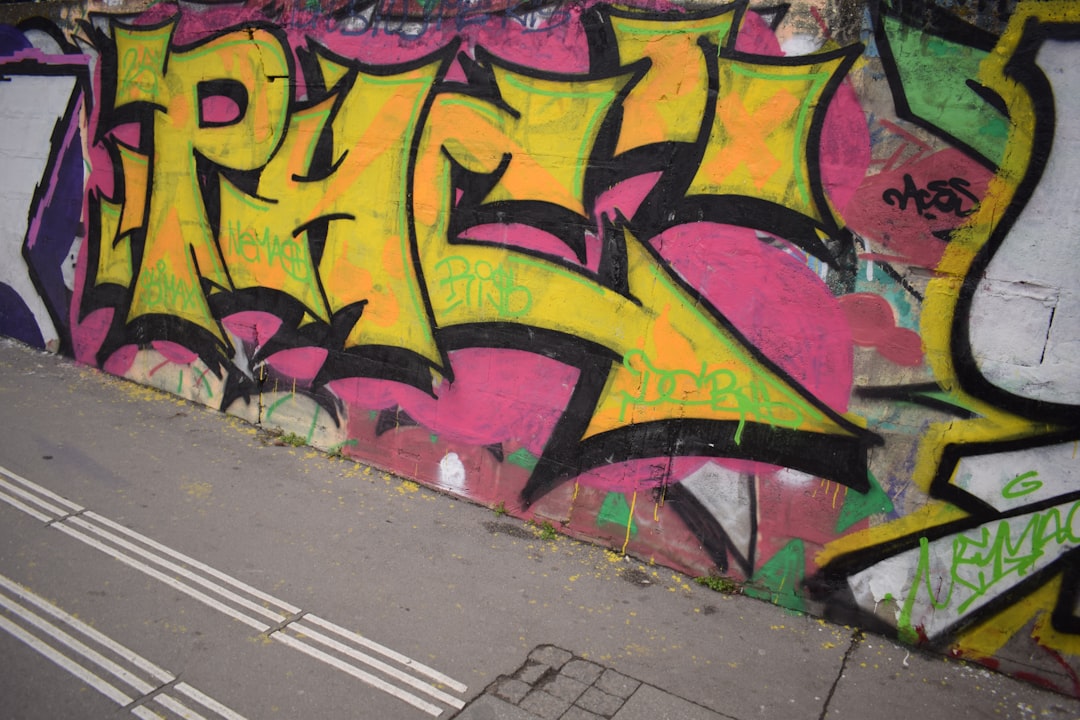
Once you’ve mastered the basic Dutch phrases, you might notice that actual Dutch people don’t always speak the formal, textbook Dutch you’ve learned. Like any language, Dutch has a vibrant slang culture, regional variations, and constantly evolving street talk. Learning slang is where you move from being a tourist to sounding like someone who actually understands Dutch culture. The good news? Dutch slang is fun, creative, and often surprisingly logical once you understand the patterns.
The Netherlands is a linguistically diverse country, influenced by its colonial history, immigrant communities, and youth culture. Understanding some slang will deepen your appreciation of the Dutch language and help you navigate social situations more authentically. This guide covers the most useful, common, and culturally important Dutch slang you’ll actually hear—not just archaic expressions from the 1980s.
The Most Important Word: Gezellig
Before we dive into slang, we need to talk about gezellig (khuh-ZEL-ikh), which might be the most uniquely Dutch word you’ll encounter. It’s almost impossible to translate into English because it captures something essentially Dutch. Gezellig roughly means “cozy,” “pleasant,” “fun,” or “convivial,” but it’s more nuanced than any single English word.
Imagine sitting with friends in a warm café on a rainy Amsterdam evening, with hot chocolate and candles, having meaningful conversations—that’s gezellig. It’s about the atmosphere, the company, and the moment coming together. Dutch people use this word constantly, and you’ll hear it everywhere from café descriptions to party invitations to describing a night out with friends.
Wat een gezellige avond! (VAT ayn khuh-ZEL-uh-khuh AH-vont!) – What a pleasant evening!
The Dutch are so passionate about gezelligheid (the noun form of the concept) that they consider it a fundamental part of their cultural identity. Understanding what makes something gezellig is key to understanding Dutch social culture.
The Versatile “Lekker”
Lekker (LEK-er) is perhaps the most overused and beloved word in contemporary Dutch slang. Originally meaning “delicious” or “tasty,” it has evolved into a multipurpose adjective that can mean almost anything positive, depending on context.
Lekker eten (LEK-er AY-tun) – Delicious food
Lekker weer (LEK-er VAYR) – Nice weather
Lekker warm (LEK-er VARM) – Pleasantly warm
Dat is lekker (dat is LEK-er) – That’s nice/good/cool
Ga lekker fietsen (khah LEK-er FEET-sun) – Go have fun cycling
Lekker ding (LEK-er DING) – Cool person/attractive person
The word has become so ubiquitous that young Dutch people use it almost as a filler word, similar to “awesome” or “cool” in English. You’ll hear it constantly, and using it appropriately will make you sound more naturally Dutch.
Cool and Contemporary Slang
Chill (CHIL) – Chill/relax
Borrowed from English, but used extensively in Dutch. “Laten we chillen” means “let’s relax/chill out.”
Cool (KOOL) – Cool
Another English borrowing that’s deeply embedded in Dutch youth culture.
Gaaf (KHAHF) – Awesome/cool
An older slang term still in use, particularly by older generations. “Dat is echt gaaf!” (That’s really awesome!)
Tof (TOFF) – Cool/neat
Similar to “gaaf,” this term is somewhat dated but still used. More common among older Dutch people.
Epic (AY-pik) – Epic
Used to describe something amazing or impressive, borrowed from English but fully adopted into Dutch.
Sick (SIK) – Sick/amazing
Another English borrowing used by younger Dutch speakers to mean something is really good.
Cringe (KRINJ) – Cringe/embarrassing
The English word is used directly, especially when describing something awkward or embarrassing.
Casual Greetings and Informal Speech
Yo (YO) – Hey
Used mostly by younger Dutch speakers in very casual settings. You’ll hear this in Amsterdam and other cities.
Wassup (VAT-SUP) – What’s up?
Another English borrowing, used by youth culture.
Gast (KHAST) – Dude/mate/guy
A term of friendly address. “Hé gast, hoe gaat het?” (Hey dude, how’s it going?)
Kameraad (kah-muh-RAHT) – Comrade/buddy
A more old-fashioned friendly term, though still used occasionally.
Makker (MAK-er) – Mate/buddy
Another friendly term, slightly less common than “gast.”
Broer (BROOR) – Brother
Used affectionately between friends, regardless of actual family relation. Very common in urban areas.
Negative and Dismissive Slang
Blaah (BLAH) – Blah/boring
Used to describe something dull or uninteresting. Can also be spelled “bla” or “bleh.”
Flauw (FLAW) – Lame/not funny
“Dat grapje is flauw” (That joke is lame). Also used to describe weak attempts at humor.
Stom (STOM) – Stupid/dumb
A straightforward insult, though not extremely harsh. Often used in friendly banter.
Irritant (ir-i-TANT) – Irritating
Self-explanatory, used to describe annoying people or situations.
Sucks (SUKS) – Sucks
The English word is used directly by Dutch speakers, particularly younger ones.
Kut (KUT) – Sucks/damn
A mild expletive used to express frustration. “Kut! Ik ben mijn portemonnee kwijt!” (Damn! I lost my wallet!)
Amsterdam-Specific Slang
Amsterdam, as the capital and a hub of youth culture and tourism, has developed some unique slang patterns, though these are spreading throughout the country.
Tatoeage-cultuur spreekt – Body modification and tattoo culture is deeply embedded in Amsterdam’s subculture
Miljoenenjacht (mil-YOH-nun-yakt) – The hunt for wealth/success, a cultural observation about Amsterdam’s competitive atmosphere
Rood (ROOT) – Red (as in Amsterdam’s Red Light District)—used in specific contexts
Coffeeshop (KOH-fee-shop) – Café with cannabis (legally sold in the Netherlands)
The term “Amsterdammer” refers to someone from Amsterdam, and there’s a distinct Amsterdam accent and way of speaking that’s recognizable to other Dutch people.
Youth Slang and Gen Z Dutch
Younger Dutch speakers have their own evolving vocabulary:
Lit (LIT) – Exciting/amazing
Popular with Gen Z to describe something fun or cool.
Vibe (VAYB) – Vibe
Used to describe the general feeling or atmosphere. “Dit café heeft een mooie vibe” (This café has a nice vibe).
No cap (NOH KAP) – No lie/for real
English phrase used by younger Dutch speakers. “No cap, dat was echt grappig!” (No lie, that was really funny!)
Dope (DOHP) – Cool/awesome
Another English borrowing used by Dutch youth to mean something is really good.
Flex (FLEKS) – Show off/brag
“Niet zo flexen” (Don’t show off like that).
Salty (SALT-ee) – Bitter/upset
When someone is annoyed or upset about something. “Waarom ben je zo salty?” (Why are you so bitter?)
Regional Differences in Dutch
The Netherlands, despite being a small country, has significant regional language variations. Different provinces have different accents, slang, and even some vocabulary differences.
Southern Dutch (Brabant and Limburg): These regions speak with a different accent and some unique vocabulary. Southern Dutch is more guttural and sounds different to people from the north. The south also retained more Catholicism, which influenced their dialects.
Northern Dutch (Groningen, Friesland): The northern dialects are distinct and harder for other Dutch people to understand. Groningen particularly has its own recognizable accent.
Eastern Dutch (Gelderland): This region has variations too, though they’re less distinct than the north-south divide.
Western Dutch (Amsterdam, Rotterdam, The Hague): These major cities have slightly different urban dialects influenced by immigration and contemporary culture.
Interestingly, the Dutch themselves are very aware of these regional differences and make jokes about them. Don’t be surprised if Dutch people tease each other about their regional accents!
Flemish vs. Dutch Dutch
You might also encounter Flemish Dutch if you travel to Belgium. While mutually intelligible, Flemish (spoken in Flanders, the Dutch-speaking part of Belgium) has distinct pronunciation, vocabulary, and slang differences.
Flanders-specific terms:
- Flipper (FLIP-er) – A playful name for a Flemish person’s way of speaking
- Voeten (VOO-tun) – Regional word differences
- Pronunciation differences, particularly with the “G” sound being less guttural
The Dutch and Flemish people sometimes make good-natured jokes about each other’s accents and vocabulary. The differences are noticeable to native speakers but won’t significantly impair communication.
Indonesian and Surinamese Influences
Dutch slang and vocabulary have been enriched by immigration from former colonies. Indonesia was a Dutch colony until 1945, and Suriname until 1975. This colonial history has left linguistic marks on contemporary Dutch.
Indonesian-influenced words:
Surinamese influences:
These influences are particularly strong in Amsterdam and other major cities where immigration has been significant.
English Loanwords
Contemporary Dutch has absorbed numerous English loanwords, particularly in technology, business, and youth culture:
Computer (kom-PYU-ter) – Computer
Internet (IN-ter-net) – Internet
Email (EE-mayl) – Email
Selfie (SEL-fee) – Selfie
Download (DOWN-lohd) – Download
Parking (PAR-king) – Parking
Recycling (ruh-SY-kling) – Recycling
The Dutch have embraced English loanwords extensively, particularly in technology and business contexts. This is partly because the Netherlands is highly international and English-proficient.
Texting and Online Slang
If you’re communicating with Dutch friends via text or social media, you’ll encounter different abbreviations and slang:
Lol (LOL) – Laugh out loud (same as English)
Omg (OMG) – Oh my God (same as English)
Btw (BTW) – By the way (same as English)
Fyi (FYI) – For your information (same as English)
Jij bent becomes je bent in casual writing, and sometimes just j
Je (yuh) – You (casual)
Mn or m’n – My (abbreviated)
Mkay – Okay (very casual, influenced by English)
Mwah – Kiss sound (used in casual texting)
Dutch texting culture isn’t dramatically different from English, but you’ll notice the casualness increases significantly in informal text communications.
Understanding Dutch Directness
Finally, it’s important to note that Dutch slang and casual speech often sounds more harsh or direct than English speakers expect, partly because of the Dutch cultural characteristic of directness. When a Dutch person says “Dat is stom” (That’s stupid), they’re not necessarily being aggressive—it’s just straightforward communication. This directness extends to humor, which can be quite blunt.
The Dutch appreciate honesty and directness over politeness that masks truth. So if a Dutch friend says something that seems rude by English standards, they likely mean well and are just being characteristically Dutch—direct, honest, and without pretense.
Conclusion
Learning slang and street talk helps you move beyond tourist-level Dutch and start understanding the language as it’s actually spoken. Gezellig nights out, lekker meals with friends, and casual banter with locals become much richer when you understand the nuances of contemporary Dutch. Don’t be afraid to use these terms—Dutch people find it charming when visitors attempt their slang, and you’ll be met with encouraging smiles and corrections. Plus, you’ll earn the respect of sounding like you actually understand their culture, which is worth far more than perfect pronunciation. Veel sterkte with your Dutch slang studies!




Leave a Reply