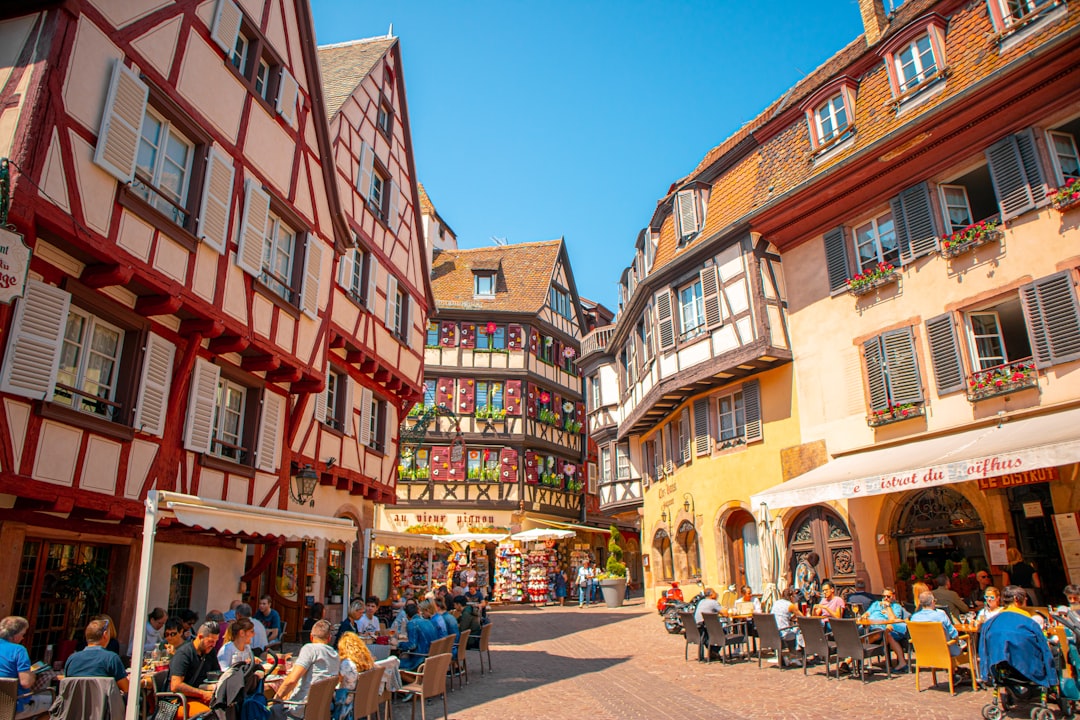
One of the absolute highlights of traveling in Poland is the food. Polish cuisine is hearty, delicious, and deeply connected to tradition and regional identity. But as much as the flavors will blow you away, the culinary vocabulary will test your Polish skills. From ordering in restaurants to navigating menus at bustling markets, understanding food-related Polish vocabulary is not just practical—it’ll enhance your entire dining experience in ways that pure translation apps simply can’t match.
Polish food culture is a journey through history, geography, and family traditions. Whether you’re enjoying a formal dinner in a historic restaurant or grabbing quick food at a milk bar, knowing the language will help you make meaningful choices and connect with locals over their favorite dishes. Let’s dive into the delicious world of Polish gastronomic vocabulary.
Ordering at Restaurants: Essential Phrases
Stolik dla dwóch osób (stol-EEK dah DVOOKH oh-SUHP) – A table for two people
Czy mamy rezerwację? (CHY MAH-my reh-zer-VAH-tsyah) – Do we have a reservation?
Proszę menu (PROH-sheh MEH-noo) – The menu, please
Czy jest dziś specjalność domu? (CHY yest DZHEESH speh-tsyahl-NOSHCH DOH-moo) – What’s the special today?
Jakie macie piwa? (YAH-kyeh MAH-tsyeh PEEV-ah) – What beers do you have?
Czym jest to danie? (CHIM yest toh DAH-nyeh) – What is this dish?
Czy to jest ostre? (CHY toh yest OH-streh) – Is this spicy?
Jestem wegetarianinem (YEH-stem veh-geh-tahr-YAH-nee-nem) – I’m a vegetarian (said by a man; wegetarianką for women)
Jestem wegan (YEH-stem VEH-gan) – I’m vegan
Mam alergię na… (mahm ah-LER-gyeh nah) – I have an allergy to…
Bez ostrych przypraw, proszę (bez OH-strich pshih-PRAHF, PROH-sheh) – No spicy seasonings, please
Co mi Pani/Pan poleca? (tsoh mee PAH-nee/pahn poh-LEH-tsah) – What do you recommend?
Podziel na dwóch (poh-DZHYEL nah DVOOKH) – Split between two (for sharing a dish)
Rachunek, proszę (rah-HOO-nek, PROH-sheh) – The bill, please
Czy mogę prosić o wodę? (CHY MOH-geh PROH-shee oh VOH-deh) – Could I have water, please?
Understanding Polish Menus
Potrawy kuchni polskiej (poh-TRAH-vih KOOKH-nee POHL-skyey) – Dishes of Polish cuisine
Przystawki (pshih-STAHT-kee) – Appetizers
Zupa (ZOO-pah) – Soup (crucial in Polish dining)
Drugie danie (DROO-gyeh DAH-nyeh) – Main course
Dessert/Deser (DEH-ser) – Dessert
Napoje (nah-POH-yeh) – Beverages
Na wynos (nah VIH-nos) – To go / Takeout
Jadalnia/Restauracja (yah-DAHL-nyah / res-tow-rah-TSYAH) – Dining room / Restaurant
Traditional Polish Dishes (Pronunciation Guide)
Pierogi (pye-ROH-ghee) – Dumplings filled with potato and cheese, meat, sauerkraut and mushrooms, or fruit. This is the quintessential Polish dish. “Pierogi ruskie” (pye-ROH-ghee ROO-skyeh) are filled with potatoes, cheese, and onions.
Bigos (BEE-gos) – A hunter’s stew made with sauerkraut, fresh cabbage, and various meats. It’s often served with potatoes or rye bread.
Żurek (ZHOO-rek) – A sour rye soup, usually with sauerkraut, potatoes, onions, and sometimes meat. It’s traditionally served inside a hollowed-out rye bread bowl.
Barszcz (BARSHCH) – Beet soup, often clear and served with uszka (OO-shka) – small dumplings. There’s also barszcz ukraiński (bar-SHCH oo-krah-EEN-skee) – a richer, meatier Ukrainian-style beet soup.
Rosół (ROH-sool) – Clear broth, typically made from chicken or beef, often served with noodles. It’s considered soul food in Poland.
Kotlety mielone (kot-LEH-tih myeh-LOH-neh) – Polish-style breaded meat patties (similar to schnitzel), usually pork or veal
Kielbasa/Kiełbasa (kyel-BAH-sah) – Polish sausage, of which there are many varieties
Oscypek (oh-TSIH-pek) – A smoked cheese from the Tatra Mountains, distinctive and delicious
Sernik (SER-neek) – Polish cheesecake (very different from American cheesecake, more like a custard-based confection)
Paczki (POWNCH-kee) – Filled pastries, similar to donuts, often enjoyed on Fat Thursday before Lent
Zupy (ZOO-pih) – Soups (plural), absolutely central to Polish meals
Kalafior (kah-lah-FYO-r) – Cauliflower
Mizeria (mee-ZEH-ryah) – A cucumber salad with sour cream, a classic accompaniment
Kopytka (koh-PIT-kah) – Small pasta that looks like hoofprints, often served with stews
Kluski (KLOOS-kee) – Dumplings, various types
Allergies & Dietary Requirements
Mam alergię na aromatachy (mahm ah-LER-gyeh nah ah-roh-mah-TAH-kee) – I have a shellfish allergy
Czy to zawiera mąkę? (CHY toh zah-VYEH-rah MOWN-keh) – Does this contain flour?
Czy to zawiera mleko? (CHY toh zah-VYEH-rah MLEH-koh) – Does this contain milk?
Czy to zawiera jaja? (CHY toh zah-VYEH-rah AH-yah) – Does this contain eggs?
Czy to zawiera orzechy? (CHY toh zah-VYEH-rah oh-ZHEH-khih) – Does this contain nuts?
Czy to zawiera ryby? (CHY toh zah-VYEH-rah RIH-bih) – Does this contain fish?
Bez cukru (bez TSOO-kroo) – Without sugar
Bez soli (bez SOH-lee) – Without salt
Bez tłuszczu (bez TWOO-shchoo) – Without fat
Vodka Culture & Drinking Vocabulary
Poland’s relationship with vodka is legendary and deeply embedded in the culture. Understanding vodka-related vocabulary is almost as important as understanding food vocabulary.
Wódka (VOO-dkah) – Vodka (the national spirit)
Kiełka (KYE-wkah) – A small vodka shot glass (literally means a sprout)
Kieliszek (kyeh-LEE-shek) – A shot glass or small drinking glass
Zara (ZAH-rah) – Down the hatch! A traditional Polish toast
Na zdrowie! (nah ZDROV-yeh) – To your health! (the standard toast, literally “to health”)
Piwko (PEEV-koh) – A little beer (affectionate diminutive)
Piwo (PEEV-oh) – Beer
Jasne piwo (YAH-sneh PEEV-oh) – Light/lager beer
Ciemne piwo (TYEM-neh PEEV-oh) – Dark beer
Kraftowe piwo (KRAF-toh-veh PEEV-oh) – Craft beer
Zmrok (ZMROHK) – Twilight (colloquial for beer)
Browar (BROH-var) – Brewery
Piwnicy (peev-NEE-tsih) – Beer bars/cellars (traditional Polish bars)
Śliwowica (shlee-voh-VEE-tsah) – Plum vodka
Żytnia (ZHIT-nyah) – Rye vodka
Żubrówka (zhoo-BROOF-kah) – Bison grass vodka (distinctive with a blade of grass in the bottle)
Spirytus (spee-RIH-toos) – Neutral grain alcohol (extremely strong, 96% proof)
Beer Boom: Poland’s Craft Beer Revolution
Poland has experienced a massive craft beer explosion in recent years. Warsaw and Kraków now have thriving craft beer scenes:
Rzemieślnicze piwo (zheh-myesh-LEETSH-nyeh PEEV-oh) – Craft beer (literally “artisanal beer”)
IPA (ee-peh-AH) – India Pale Ale (the letters are pronounced separately)
Porter (POR-ter) – Porter beer
Stout (stout) – Stout beer (English word used in Polish)
Lager (LAH-ger) – Lager
Pszeniczny (psheh-NEE-tsiny) – Wheat beer
Piwo z chmielem (PEEV-oh s HNYEH-lem) – Hoppy beer
Browary sieciowe (BROH-vah-rih syeh-TSYOH-weh) – Chain breweries
Browary niezależne (BROH-vah-rih nyeh-zah-LEH-zhneh) – Independent breweries
Milk Bar Culture: Bar Mleczny
A uniquely Polish institution is the bar mleczny (bar MLETCH-ny) – literally a milk bar. These casual, affordable, traditional restaurants serve Polish comfort food quickly and cheaply:
Bar mleczny (bar MLETCH-ny) – Milk bar (the establishment)
Bigos do domu (BEE-gos doh DOH-moo) – Bigos to take out
Żurek (ZHOO-rek) – The sour rye soup, a milk bar staple
Placki ziemniaczane (PLAH-tsee zyem-nyah-CHAH-neh) – Potato pancakes
Flaki (FLAH-kee) – Tripe stew (popular in milk bars)
Czernina (cher-NEE-nah) – Duck blood soup (traditional, less common now)
Miska (MEE-skah) – A bowl
Talerz (TAH-lesh) – A plate
Sztućce (SHTOOTS-tseh) – Utensils/cutlery
Market Shopping: Food Vocabulary
When shopping at Polish markets (especially hala – HAH-lah, or market hall):
Warzywa (var-ZIH-vah) – Vegetables
Owoce (oh-VOH-tseh) – Fruits
Pomidor (poh-mee-DOR) – Tomato
Cebula (tseh-BOO-lah) – Onion
Chleb (hlep) – Bread
Piekarnia (pyeh-KAR-nyah) – Bakery
Mięso (MYEN-soh) – Meat
Drób (droop) – Poultry
Ryba (RIH-bah) – Fish
Ser (ser) – Cheese
Mleko (MLEH-koh) – Milk
Jogurt (YOH-gurt) – Yogurt
Jajka (AH-kah) – Eggs
Ile to kosztuje? (EE-leh toh KOH-shtoo-yeh) – How much is this?
Kilogram (kee-loh-GRAM) – Kilogram
Sztuka (SHOOS-kah) – A piece/item (singular)
Dwie sztuki (dvyeh SHTOS-kee) – Two pieces
Tipping & Restaurant Etiquette
Czy mogę prosić rachunek? (CHY MOH-geh PROH-shee rah-HOO-nek) – Could I have the bill?
Razem czy oddzielnie? (RAH-zem CHY od-DZHY-el-nyeh) – Together or separate bills?
Czy mogę płacić kartą? (CHY MOH-geh PWAH-tseech KAR-tah) – Can I pay by card?
Proszę zmianę (PROH-sheh ZMYAH-neh) – Keep the change (literally “I ask for change”)
Tipping in Poland is not obligatory like in the US, but it’s appreciated. Rounding up or leaving 10% for good service is normal. You can simply say Oddaj sobie (OHD-dyhy SOH-byeh) – “Keep it for yourself” when paying to leave a tip.
Coffee Culture
Kawa (KAH-vah) – Coffee
Czarna kawa (CHAR-nah KAH-vah) – Black coffee
Kawa z mlekiem (KAH-vah z MLEH-kyem) – Coffee with milk
Espresso (es-PRES-oh) – Espresso
Cappuccino (kah-poo-CHEE-noh) – Cappuccino
Latte (LAH-teh) – Latte
Kawiarnia (kah-vyahr-NYAH) – Coffee shop
Special Occasions & Food Celebrations
Dożynki (doh-ZHI-nkee) – Harvest festival celebrations
Andrzejki (ahn-DRZEY-kee) – St. Andrew’s Eve (November 30), with special traditions
Wigilijne (vee-GHEE-lyeh) – Christmas Eve traditions
Obiad wigilijny (oh-BYAHD vee-GHEE-lyeh) – Christmas Eve dinner
Polish food culture is inseparable from celebration and tradition. By learning this vocabulary, you’re not just learning to order dinner—you’re learning to participate in a culture that takes food seriously as a connector of people, seasons, and history.
The beauty of Polish cuisine is that it’s meant to be shared, discussed, and enjoyed slowly. When you order a traditional dish and can ask about its origins or ingredients in Polish, you’re participating in something meaningful. So practice these phrases, don’t be shy about asking questions, and most importantly, enjoy every bite of this incredible cuisine.
Smacznego! (smahch-NEH-goh) – Bon appétit! (Polish people say this to everyone eating nearby, not just their table)




Leave a Reply