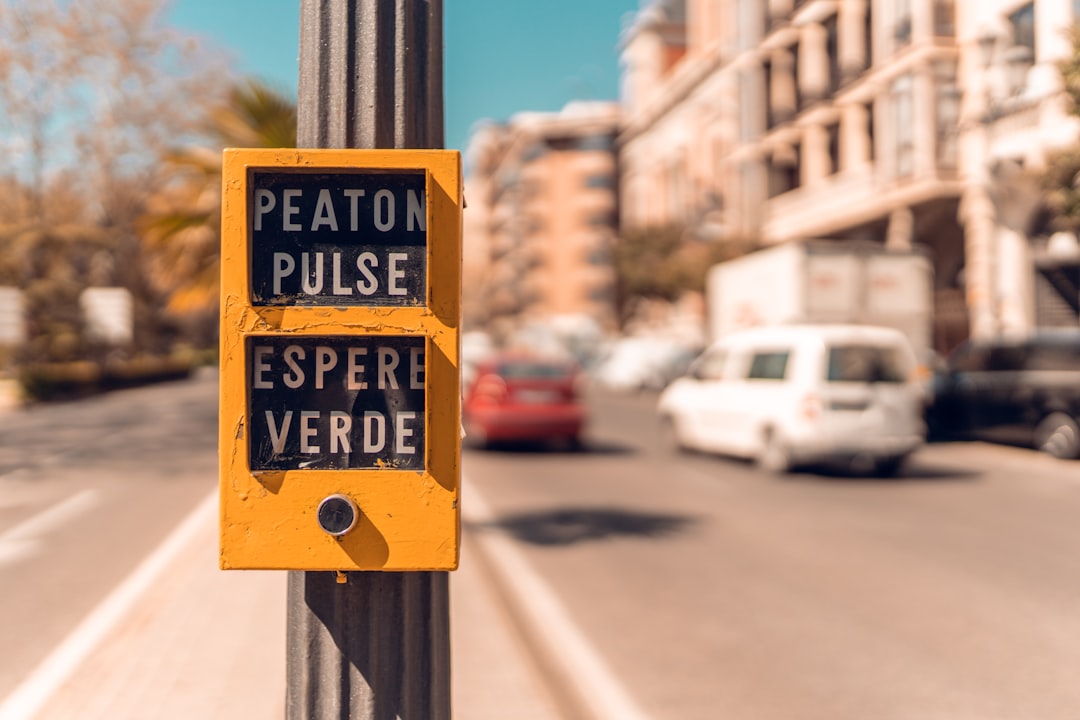
If you want to truly blend in during your Spanish adventures—to chat with locals in bars, understand what teenagers are laughing about, and sound like something other than a textbook—you need to know Spanish slang. Spain‘s slang is vibrant, regional, and constantly evolving, with a uniquely Spanish flavor that differs significantly from Latin American Spanish. This guide will arm you with the street language that makes you sound less like a tourist and more like someone who actually belongs.
The Essentials: Slang You’ll Hear Everywhere
Tío/Tía (tee-oh/tee-ah) = Literally “uncle/aunt,” but means “guy/girl” or “buddy”; used constantly in casual conversation
“¿Qué tal, tío?” (keh tahl, tee-oh) = “What’s up, man?”
Mola/Molar (moh-lah/moh-lar) = It’s cool/to be cool; one of the most essential Spanish slang words
“Ese concierto molaba muchísimo” (eh-seh kohn-see-er-toh moh-lah-bah moo-chee-see-moh) = “That concert was really cool”
Guay (gwah-ee) = Cool/awesome; slightly more casual than “mola”
“¡Qué guay!” (keh gwah-ee) = “How cool!”
Flipar (flee-par) = To freak out, to be blown away, to flip out
“Me flipó la película” (meh flee-poh lah peh-lee-koo-lah) = “The movie blew my mind”
“Estoy flipando” (es-toy flee-pahn-doh) = “I’m freaking out”
Vale (bah-leh) = OK/alright; you’ll hear this constantly in Spain more than anywhere else
“Vale, vamos” (bah-leh, bah-mohs) = “OK, let’s go”
Currar (koo-rrar) = To work (slang)
“¿Dónde curras?” (dohn-deh koo-rrahs) = “Where do you work?”
Pasta (pahs-tah) = Money; literally means “pasta”
“No tengo pasta” (noh ten-goh pahs-tah) = “I don’t have money”
Guiri (gee-ree) = A tourist or foreigner; can be affectionate or mildly derogatory
Usually used when locals are talking about tourists among themselves
Chapuza (chah-poo-sah) = A bodge job or something poorly done
“Ese trabajo es una chapuza” (eh-seh trah-bah-hoh es oo-nah chah-poo-sah) = “That work is a mess/bodge job”
Cursi (koor-see) = Tacky, kitsch, or corny
“Las decoraciones de Navidad aquí son muy cursi” (lahs deh-koh-rah-see-oh-nes deh nah-vee-dahd ah-kee sohn moo-ee koor-see) = “The Christmas decorations here are very tacky”
Slang for Food and Going Out
Comer (koh-mer) = To eat (standard word, but used in slang contexts)
Ir de pinchos (eer deh peen-chos) = To go bar hopping for tapas
“¿Vamos de pinchos?” (bah-mohs deh peen-chos) = “Should we go for tapas?”
Caña (kahn-yah) = A small beer (literally means “cane”)
“Una caña, por favor” (oo-nah kahn-yah, por fah-vor) = “A small beer, please”
Zumo (soo-moh) = Juice (Castilian Spanish; different from Latin American “jugo”)
Jamón (hah-mohn) = Ham; used in slang for attractive people
“Ese tío está de jamón” (eh-seh tee-oh es-tah deh hah-mohn) = “That guy is hot”
Churro (choo-rroh) = A fried pastry; also Spanish slang for an attractive person or something appealing
“¡Qué churro!” (keh choo-rroh) = “What a fox!” (referring to an attractive person)
Ir a tomar algo (eer ah toh-mar al-goh) = To go out for a drink
The most common way to suggest going out socially
Youth Slang and Contemporary Expressions
Tronco (trohn-koh) = Buddy/dude; affectionate term among young people
“¿Qué tal, tronco?” (keh tahl, trohn-koh) = “What’s up, dude?”
Pasta/Duros (pahs-tah/doo-rohs) = Money; “duros” literally means “hard” but refers to currency
“He gastado toda la pasta” (eh gahs-tah-doh toh-dah lah pahs-tah) = “I’ve spent all my money”
Estar de buen/mal rollo (es-tar deh boo-en/mahl roh-yoh) = To be in a good/bad mood
“Estoy de mal rollo hoy” (es-toy deh mahl roh-yoh oy) = “I’m in a bad mood today”
Un roll (oon rohl) = A vibe or situation
“Hay buen roll aquí” (ah-ee boo-en rohl ah-kee) = “There’s a good vibe here”
Petardo (peh-tar-doh) = A boring person or situation; literally “firecracker”
“Ese tipo es un petardo” (eh-seh tee-poh es oon peh-tar-doh) = “That guy is boring”
Loco/Loca (loh-koh/loh-kah) = Crazy; often used affectionately
“¡Estás loco!” (es-tahs loh-koh) = “You’re crazy!” (affectionate)
Estarradas (es-tar-rah-dahs) = To be very drunk or exhausted
“Anoche nos pusimos estarrás” (ah-noh-cheh nos poo-see-mohs es-tar-rahs) = “Last night we got absolutely wasted”
Estar al loro (es-tar ahl loh-roh) = To be alert/aware
“Estoy al loro de lo que dice” (es-toy ahl loh-roh deh loh keh dee-cheh) = “I’m paying attention to what they’re saying”
Regional Slang Differences
Spain’s regional diversity means slang varies significantly across the country. Here are some regional variations you might encounter:
Andalusian Spanish (Southern Spain)
Andalusian Spanish drops consonants at the end of words and has distinctive features:
Vosotros is less commonly used; often replaced by “ustedes” (more like Latin American Spanish)
“Ná” or “Na” (nah) = Nothing; sounds like “nada” but dropped
“¿Qué hay?” (keh ah-ee) = “What’s up?” in Andalusian greeting style
Madrid Slang (Madrileño)
Merengue (meh-ren-geh) = A mess or disaster
Estar hecho una mierda (es-tar eh-choh oo-nah mee-er-dah) = To be a mess (more vulgar)
Catalan Influence (Barcelona)
Catalan speakers often use Catalan loanwords in Spanish:
Tapat = A little something (from Catalan)
Basque Region
Less slang borrowing, but locals in Basque country maintain very strong regional identity and may use Basque words
Slang for Money, People, and Situations
Pavos (pah-vohs) = Money; literally “turkeys”
“Cuesta cinco pavos” (kwes-tah seen-koh pah-vohs) = “It costs five euros” (informal)
Talego (tah-leh-goh) = A thousand pesetas (old currency); used nostalgically or for round sums
“Costó un talego” (kohs-toh oon tah-leh-goh) = “It cost a thousand” (euros, typically)
Tío bueno (tee-oh boo-eh-noh) = A hot guy; literally “good guy”
Tía buena (tee-ah boo-eh-nah) = A hot girl
Fulano (foo-lah-noh) = What’s-his-name or some guy
Mengano (men-gah-noh) = Some other guy
Used when you don’t remember someone’s name or referring to unspecified people
“Fulano me dijo que…” (foo-lah-noh meh dee-hoh keh) = “Some guy told me that…”
Pelotilla (peh-loh-tee-yah) = A brown-noser; someone who acts superior
Estirado (es-tee-rah-doh) = Stuck-up or snobby
Currante (koo-rran-teh) = A worker; someone who works hard
What NOT to Say: Slang to Avoid
While Spain is generally more relaxed about profanity than English-speaking countries, certain slang terms can cause offense:
Gilipollas (hee-lee-poh-yahs) = Jackass/idiot; very common but definitely derogatory
Only use among close friends who use it with you first
Joder (hoh-der) = A stronger expletive; heard frequently but still considered vulgar
¡Joder! = “Damn it!”
Cabrón (kah-brohn) = Bastard; ranges from playful among friends to serious insult
Context is everything with this word
Chorizo (choh-ree-thoh) = A sausage, but also slang for a petty thief
Don’t call someone a “chorizo” unless you mean they’re dishonest
Vago (bah-goh) = Lazy/vagabond
Not technically slang but can be insulting if said seriously
Texting Slang and Internet Spanish
Young Spanish people use abbreviations similar to English texting:
Xq = por qué (why)
Qlq = cualquier (any)
Tqm = Te quiero mucho (I love you)
TBH or Ntp = No te preocupes (don’t worry)
Jajaja or Hahaha = Laughter (Spanish typically uses J’s instead of H’s)
Lol = Used exactly as in English, increasingly common
How Spanish Slang Differs from Latin American Slang
Several slang terms used in Spain are completely different in Latin America, which can lead to hilarious misunderstandings:
Computadora vs. Ordenador
Spain: ordenador (or-deh-nah-dor)
Latin America: computadora (kohm-poo-tah-dor-ah)
Conducir vs. Manejar
Spain: conducir (kohn-doo-theer) = to drive
Latin America: manejar (mahn-eh-har) = to drive
Zumo vs. Jugo
Spain: zumo (soo-moh) = juice
Latin America: jugo (hoo-goh) = juice
Coche vs. Carro/Auto
Spain: coche (koh-cheh) = car
Latin America: carro (kar-roh) or auto (ow-toh) = car
Coger (to take)
In Spain, “coger” is completely innocent and means “to take” or “to catch”
In parts of Latin America, it’s a vulgar term, so Spanish speakers are careful not to use it
Practice and Integration
The best way to absorb Spanish slang is through immersion. Listen to Spanish films and TV shows, follow Spanish social media accounts, and don’t be afraid to ask locals to teach you local expressions. You’ll find that even the most touristy areas of Spain have locals who love helping travelers understand the “real” language.
Remember that slang is about relationship and context. Using tío with a shopkeeper might seem presumptuous, but using it with other travelers or young people at a bar signals camaraderie and breaks down barriers. Master these expressions, and you’ll transform from a guidebook-toting tourist into someone who can genuinely participate in Spanish conversation, humor, and culture.




Leave a Reply