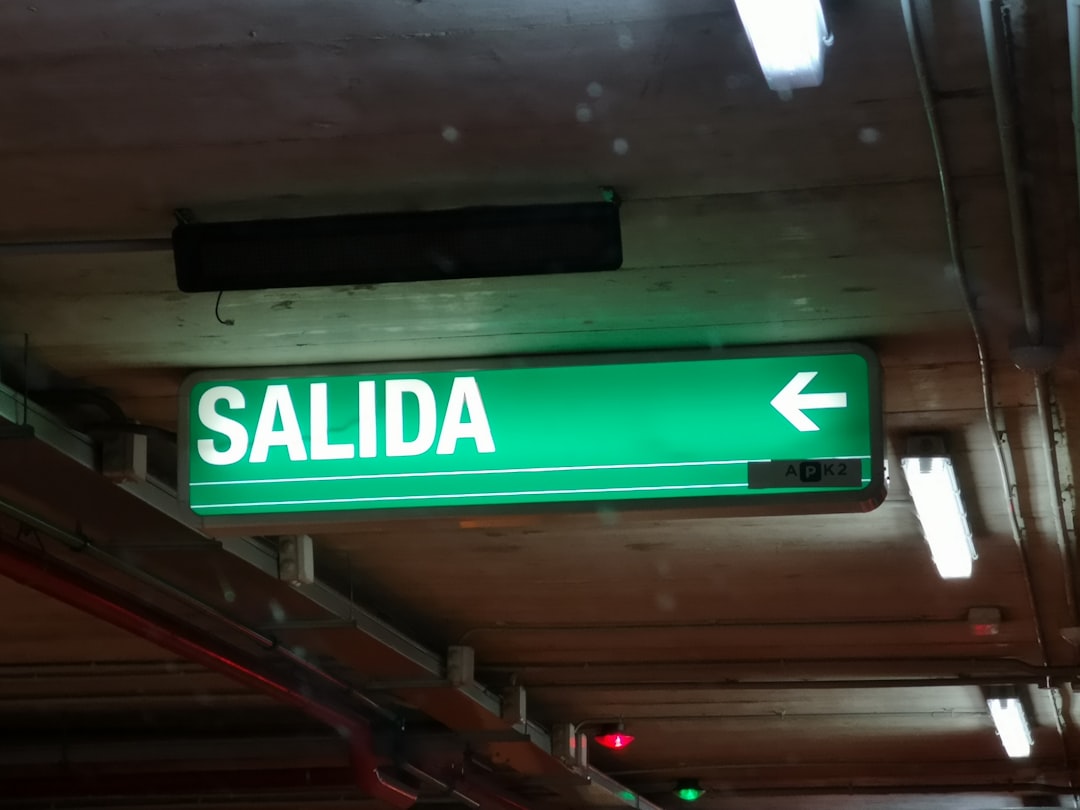
One of the most distinctive features of Castilian Spanish—the version spoken in Spain and the standard taught in schools—is its pronunciation. While Spanish spelling is remarkably phonetic compared to English (what you see is generally what you say), there are specific sounds and pronunciation rules that can trip up English speakers. This guide will help you sound less like a tourist and more like someone who has studied the language. The good news: Spanish pronunciation is actually more logical and consistent than English!
The Magic of Spanish Vowels: Your Foundation
Spanish has five vowels, and they’re beautifully consistent. Unlike English, where vowels have multiple pronunciations, Spanish vowels sound the same way every single time.
A = Always sounds like the “a” in “father”
mesa (meh-sah) = table
casa (kah-sah) = house
mañana (mahn-yah-nah) = tomorrow
The sound is clear and open; never wavers
E = Always sounds like the “e” in “met” (short “eh” sound)
mesa (meh-sah) = table
leche (leh-cheh) = milk
verde (ber-deh) = green
Never like “me” or the long “e” sound in English
I = Always sounds like “ee” in “see”
sí (see) = yes
ciudad (thee-oo-dahd) = city
piso (pee-soh) = floor/apartment
Consistently bright and clear
O = Always sounds like the “o” in “more” (short “oh” sound)
como (koh-moh) = like/as
solo (soh-loh) = alone
poco (poh-koh) = little
Never like “oh” as in English “go”
U = Always sounds like “oo” in “boot”
una (oo-nah) = one/a
puro (poo-roh) = pure
fruta (froo-tah) = fruit
Consistently the “oo” sound
Pro tip: Spanish vowels are pure—they don’t glide or change within a word. This is opposite to English, where many vowels diphthongize. Spanish vowels are crisp and decisive.
Diphthongs (two vowels together) are pronounced by saying each vowel:
ai/ay = “ah-ee” sound: aire (ah-ee-reh) = air, gracias (grah-thee-ahs) = thank you
ei/ey = “eh-ee” sound: ley (leh-ee) = law
oi/oy = “oh-ee” sound: hoy (oh-ee) = today
ua = “oo-ah” sound: cuadro (kwah-droh) = picture
ue = “weh” sound: rueda (roo-eh-dah) = wheel, fuego (fweh-goh) = fire
uo = “oo-oh” sound: cuota (koo-oh-tah) = fee
The Legendary Lisp: Understanding “Ceceo” and “Distinción”
This is what makes Castilian Spanish sound different from Latin American Spanish or even some southern Spanish dialects. The “lisp” or lisped “th” sound that English speakers notice in Spanish isn’t an accident—it’s a linguistic feature called distinción (dee-stee-nthee-ohn).
C (before e or i) = pronounced with a “th” sound (English “th” as in “think”)
Z = also pronounced with a “th” sound
This is called ceceo (theh-theh-oh) = the lisping tendency
gracias (grah-thee-ahs) = thank you (NOT “grass-ee-ahs”)
cena (theh-nah) = dinner (NOT “kay-nah”)
zona (thoh-nah) = zone (NOT “zoh-nah”)
cinco (theen-koh) = five
ciudadano (thee-oo-dah-dah-noh) = citizen
hacer (ah-ther) = to do/make
lápiz (lah-peeth) = pencil
The Spanish “th” is softer than the English “th”—it’s created by placing your tongue between your teeth very slightly and making a “th” sound, but keeping it gentle and almost whistling-like.
C (before a, o, or u) = normal “k” sound
car (kar) = car
cosa (koh-sah) = thing
cuadro (kwah-droh) = picture
Context matters: Is the “c” before a vowel sound like “e” or “i”? Lisp. Before “a,” “o,” or “u”? Normal “k” sound.
The Rolled R: Spain’s Most Feared Sound
English speakers often worry most about the Spanish R. The good news: you don’t need to roll it perfectly to be understood. However, learning the difference between r (single/soft) and rr (rolled/multiple vibration) shows you’re serious about Spanish.
Single R = a quick tap sound, like tapping the roof of your mouth once with your tongue
pero (peh-roh) = but (one quick tap)
para (pah-rah) = for (one quick tap)
English speakers can often substitute this with a normal “r” sound, and most Spanish speakers will understand
Rolled R (RR or R at the beginning) = multiple rapid vibrations of your tongue against the roof of your mouth
perro (peh-rroh) = dog (multiple taps/roll)
rápido (rah-pee-doh) = fast (roll at the beginning)
regalo (reh-gah-loh) = gift (roll at the beginning)
guitarra (gee-tar-rah) = guitar (roll at the end)
How to learn the rolled R: Start by saying “butter” very quickly—that tapping sound in English is close to a single Spanish “r.” For the rolled R, imagine the motor sound a small child makes: “brrrrrr.” That’s the idea. Spanish rolled R is multiple vibrations in rapid succession.
Advanced tip: Spaniards understand that foreigners struggle with the rolled R. Don’t be embarrassed if your R sounds too American—most Spanish speakers will understand you. It’s not a barrier to comprehension.
The J Sound: Harsher Than You Expect
The Spanish J and sometimes the G (before e or i) make a guttural “h” sound that comes from the back of the throat, like the German “ch” in “Bach.”
J = A harsh “h” sound from the back of the throat
jota (hoh-tah) = the letter J or a Spanish dance
jamón (hah-mohn) = ham
jota (hoh-tah) = letter J
junio (hoo-nee-oh) = June
juez (hwez) = judge
G (before e or i) = Same harsh “h” sound
gente (hen-teh) = people
general (heh-neh-rahl) = general
girasol (hee-rah-sohl) = sunflower
G (before a, o, u) = Normal “g” sound as in English “go”
gato (gah-toh) = cat
gordo (gor-doh) = fat
guiso (goo-ee-soh) = stew
The key: Is “g” followed by “e” or “i”? Make a harsh back-of-throat “h” sound. Otherwise, normal “g.”
Think of the Spanish J as slightly less harsh than the German “ch,” but more guttural than the English “h.” It’s produced in the throat, not with the lips or teeth. Spanish speakers will notice if you pronounce “jamón” as “hah-mohn” like a normal English “h”—you’ll sound American. The real Spanish “j” is distinctly guttural.
The Ñ: A Unique Spanish Sound
The ñ is one of the most distinctly Spanish letters, and it’s not found in English.
Ñ = Sounds like “ny” in “canyon”
mañana (mahn-yah-nah) = tomorrow
niño (nee-nyoh) = child
español (es-pahn-yohl) = Spanish
caña (kahn-yah) = cane/small beer
baño (bahn-yoh) = bathroom
compañía (kohm-pahn-yee-ah) = company
The sound is made by putting your tongue in the position for “n” but moving it slightly back in your mouth, creating that “ny” sound. It’s essentially a palatalized “n”—an “n” pronounced with the hard palate involved.
This is crucial to learn correctly because using “n” instead of “ñ” can change meaning:
año (ahn-yoh) = year
ano (ah-noh) = anus (oops!)
Get the ñ right, and you’re clearly making an effort with Spanish pronunciation.
The LL Sound: Regional Variation
The LL is one place where Spanish pronunciation varies significantly across the Spanish-speaking world:
In Castilian Spanish (central Spain):
LL = Sounds like English “ll” in “million”
lluvia (yoo-bee-ah) = rain
llamada (yah-mah-dah) = call
llano (yah-noh) = plain/flat
Castilian Spanish uses “ll” like the “y” in “yes”
In other parts of Spain and Latin America:
LL = Sometimes pronounced like English “ll” (softer “y” sound)
In Argentina and Uruguay: Often sounds like “sh” or “zh”
llevar in Buenos Aires sounds more like “sheh-var”
For the purpose of this guide focused on Castilian/European Spanish, use the “y” sound for “ll.” It’s the most standard approach for the Spanish taught in Spain’s schools.
B and V: They’re Actually the Same
This surprises many English speakers: in Spanish, B and V are pronounced identically!
B and V = Usually sound like English “b” as in “ball”
burro (boo-rroh) = donkey
vivir (bee-beer) = to live
verdad (ber-dahd) = truth
ventana (ben-tah-nah) = window
Between vowels, B and V can soften slightly to a “b” sound that’s close to a “v,” but they’re not as hard as English “v.” The key: they’re the same letter in Spanish, just written differently. Don’t overthink this—pronounce them both as English “b” and you’ll be fine.
The H: Silent and Ignored
H = Always silent in Spanish
hola (oh-lah) = hello
hacer (ah-ther) = to do/make
habitación (ah-bee-tah-thee-ohn) = room
hermano (er-mah-noh) = brother
hueso (weh-soh) = bone
This is straightforward: the H is just not pronounced. It’s a remnant of Spanish etymology but doesn’t produce sound in modern Spanish.
Stress and Accent Marks: The Rhythm of Spanish
Spanish has clear stress patterns that affect how words sound:
Words ending in a consonant (except N or S): Stress the last syllable
español (es-pahn-YOHL) = Spanish
accesibilidad (ak-the-see-bee-lee-DAHD) = accessibility
Words ending in a vowel, N, or S: Stress the second-to-last syllable
casa (KAH-sah) = house
español is an exception; ends in L so you stress the last syllable
compañía (kohm-pahn-YEE-ah) = company
gatos (GAH-tohs) = cats
vienen (bee-EH-nen) = they come
Accent marks (tildes): Show where to stress if it breaks the rule
ópera (OH-peh-rah) = opera (breaks the rule; marked with accent)
música (MOO-see-kah) = music (marked with accent)
teléfono (teh-LEH-foh-noh) = telephone (marked with accent)
The accent mark essentially says “stress here, even though it breaks the normal rules.”
Common Pronunciation Challenges for English Speakers
The Double L (LL) vs. Y confusion
English speakers initially pronounce LL as “ll” when it should be “y”
Practice: lluvia (yoo-bee-ah) = rain, NOT “loo-bee-ah”
The D sound
Spanish D between vowels is softer than English “d”
lado (lah-doh) is softer, more like “lah-doh” where the D is gentler
At the beginning or after a consonant: normal “d”
The TH sound
English speakers hear the Castilian “z” or “c” before “e/i” as a lisp, but it’s actually the standard pronunciation
It’s not a speech defect; it’s correct Spanish
Practice: gracias (grah-thee-ahs), zona (thoh-nah)
The J sound
Many English speakers pronounce it like English “h”
It’s actually more guttural—from the throat, like German “ch”
Practice: jamón (hah-MOHN with a guttural beginning sound)
Consonants: The Complete Picture
B = Like English “b”: burro (boo-rroh)
C (before e, i) = “th”: cerca (ther-kah)
C (before a, o, u) = “k”: casa (kah-sah)
D = Like English “d,” but softer between vowels: lado (lah-doh)
F = Like English “f”: fuego (fweh-goh)
G (before e, i) = Guttural “h”: gente (hen-teh)
G (before a, o, u) = Like English “g”: gato (gah-toh)
H = Silent: hola (oh-lah)
J = Guttural “h”: jamón (hah-mohn)
K = Like English “k”: kilómetro (kee-loh-meh-troh)
L = Like English “l”: lado (lah-doh)
LL = Sounds like English “y”: lluvia (yoo-bee-ah)
M = Like English “m”: mesa (meh-sah)
N = Like English “n”: noche (noh-cheh)
Ñ = Like English “ny”: niño (nee-nyoh)
P = Like English “p”: pan (pahn)
Q = Always “k” (always followed by “u”): que (keh)
R (single) = Quick tap: para (pah-rah)
RR = Rolled: perro (peh-rroh)
S = Like English “s”: sí (see)
T = Like English “t,” but softer: tú (too)
V = Like English “b”: vivir (bee-beer)
X = Like “ks” or sometimes like Spanish “j”: examen (ek-sah-men)
Y = Like English “y” in “yes”: yo (yoh)
Z = Like “th”: zona (thoh-nah)
Practice Words to Perfect Your Pronunciation
Here are words that help you practice the most distinctive sounds:
For the Lisp (Z/C before e,i):
- cerveza (ther-beh-thah) = beer
- ciudadano (thee-oo-dah-dah-noh) = citizen
- gracias (grah-thee-ahs) = thank you
For the J/G sound:
For the Rolled R:
For the Ñ:
For the LL:
Final Thoughts on Spanish Pronunciation
The beautiful thing about Spanish pronunciation is its consistency. Once you understand the rules—and there are far fewer exceptions than in English—you can pronounce almost any word correctly just by reading it. This makes Spanish much more learner-friendly than English.
The Castilian lisp (ceceo) is one of Spain’s most distinctive linguistic features. While it might sound odd at first, it quickly becomes normal—and you’ll notice when you hear Spanish from other regions without it. Learning to pronounce these sounds correctly is about more than clarity; it shows you respect and understand Spanish culture.
Don’t stress about achieving perfect pronunciation immediately. Spanish speakers are generally understanding about accents, and even if your rolled R sounds a bit off, your message comes through. The key is effort and consistency. Spend time listening to native Spanish speakers through films, podcasts, and music. Your ear will develop, and your mouth will naturally begin to produce sounds closer to native Spanish.
Master these pronunciation rules, and you’ll sound noticeably more Spanish to everyone who hears you.




Leave a Reply