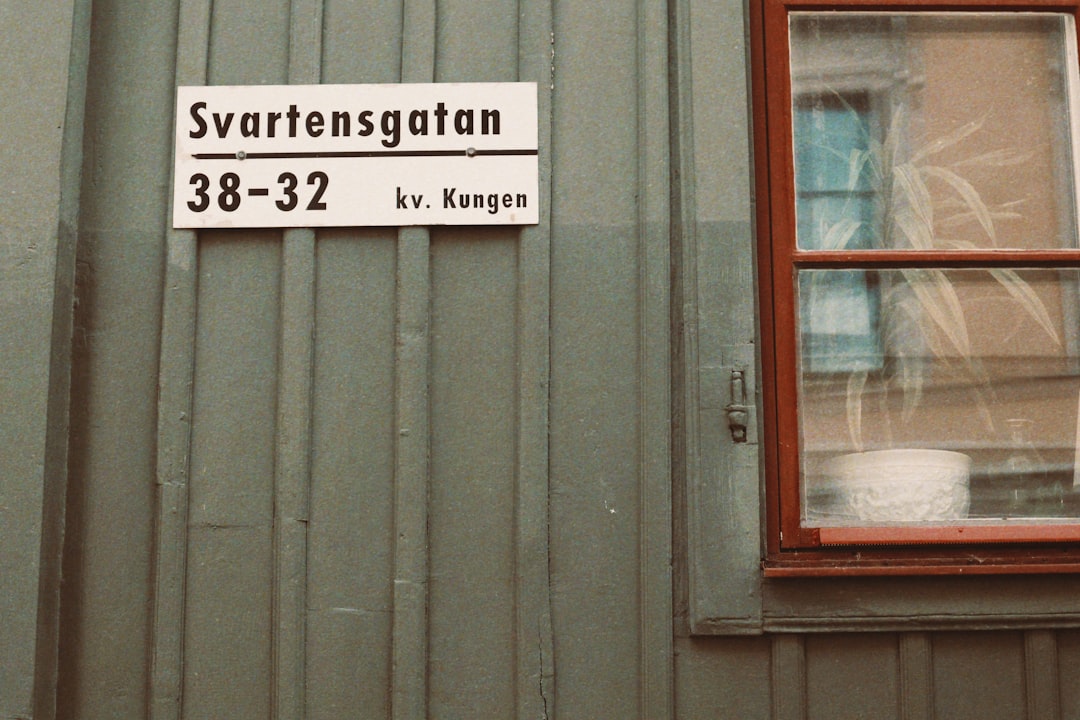
Welcome to Sweden, one of Europe’s most linguistically welcoming destinations! Here’s the thing: you can absolutely get by in Sweden speaking only English. The vast majority of Swedes—especially younger people and those working in tourism—speak fluent English. Hotels, restaurants, and tourist attractions all have English-speaking staff. So if you’re feeling anxious about the language barrier, take a deep breath. You won’t be stranded.
That said, learning a few Swedish phrases will enhance your experience tremendously. Swedes appreciate when visitors make the effort to speak their language, even if they immediately switch to English. There’s something charming about attempting “hej” instead of “hello,” and locals will often smile warmly at your effort. Plus, knowing some basic phrases means you’re prepared if you venture off the beaten path to smaller towns or countryside villages where English is less prevalent.
This guide covers the absolute essentials you need to navigate daily life in Sweden—from greeting hotel staff to buying a cup of coffee to asking for directions.
Greetings & Basic Courtesy
Starting with the absolute fundamentals: how to say hello and goodbye, and the Swedish approach to politeness.
Hej (hay) – Hello. This is the casual, friendly greeting you’ll use most often. It works for almost any situation in Sweden.
Hej då (hay DAW) – Goodbye. The literal meaning is “hello there,” but it’s used as a farewell. Swedes often just say “hej” when leaving too, which might seem abrupt to English speakers but is completely normal.
God morgon (good MOR-on) – Good morning. Use this before about 11 AM.
God eftermiddag (good EF-ter-mid-dog) – Good afternoon. This is less commonly used in casual conversation than in English.
God kväll (good KVELL) – Good evening. Use this after about 6 PM.
Ja (yah) – Yes. Simple and essential.
Nej (nay) – No. Also straightforward.
Tack (tahk) – Thank you. Here’s an important cultural note: Swedes use “tack” less frequently than English speakers use “thank you.” It might seem less polite at first, but it’s just the cultural norm. You won’t offend anyone by saying it though, so don’t hesitate!
Tack själv (tahk SHELL-v) – Thank you too/Thanks back. A response to someone thanking you.
Varsågod (var-SAW-good) – Here you go/Please. This is the Swedish “please” when serving food or handing something over.
Snälla (SNEL-ah) – Please. Use this when asking for something, though Swedes don’t use “please” nearly as much as English speakers do.
Ursäkt (oor-SECT) – Excuse me/Sorry. Very useful for getting attention or apologizing.
Förlåt (for-LAWT) – I’m sorry. More formal apology.
Useful Survival Phrases
Jag heter… (yag HET-er) – My name is… (literally “I am called”)
Vad heter du? (vahd HET-er doo) – What’s your name?
Hur mår du? (hoor MAR doo) – How are you? The literal translation is “How are you feeling?”
Bra, tack (brah tahk) – Good, thanks. The standard response.
Jag förstår inte (yag for-STAWR int-eh) – I don’t understand.
Kan du tala lite långsammare? (kan doo TAH-la LEE-teh LAWNG-sahm-ah-reh) – Can you speak a bit slower?
Talar du engelska? (TAH-lar doo ENG-el-skah) – Do you speak English? You’ll rarely need this, but it’s good to know!
Jag talar lite svenska (yag TAH-lar LEE-teh SVEN-skah) – I speak a little Swedish.
Var är toaletten? (var ehr too-ah-LET-en) – Where is the bathroom? Absolutely crucial to know!
Var är…? (var ehr) – Where is…? You can fill in anything after this.
Hur mycket kostar det? (hoor MYK-et KOS-tar det) – How much does it cost?
Numbers 1-10
You’ll need these for prices, room numbers, and addresses.
En (en) – One
Två (tvaw) – Two
Tre (treh) – Three
Fyra (FYR-ah) – Four
Fem (fem) – Five
Sex (sex) – Six
Sju (shoo) – Seven. This is tricky because it sounds almost like “shoe.”
Åtta (AWT-ah) – Eight
Nio (NEE-oh) – Nine
Tio (TEE-oh) – Ten
Pro tip: Swedes often use English numerals when writing, and many signs include both Swedish and English. However, when shopping at markets or smaller establishments, knowing your numbers is genuinely useful.
Days of the Week
Måndag (MAWN-dag) – Monday
Tisdag (TEES-dag) – Tuesday
Onsdag (OANS-dag) – Wednesday
Torsdag (TORS-dag) – Thursday
Fredag (FRAY-dag) – Friday
Lördag (LUR-dag) – Saturday
Söndag (SUN-dag) – Sunday
Notice that all weekday names end in “-dag” (day). Interestingly, Swedish doesn’t capitalize days of the week or months, which might look odd on menus and signs!
At the Hotel
Jag har reserverat ett rum (yag har res-er-VEH-rat et room) – I have a reservation for a room.
Jag heter… (yag HET-er) – My name is…
Ett dubbelrum (et DUB-bel-room) – A double room
Ett enkeltrum (et EN-kel-room) – A single room
Vad kostar rummet? (vahd KOS-tar RUM-met) – How much is the room?
Kan jag få nyckel? (kan yag faw NYK-el) – Can I have the key?
Finns det WiFi? (fins det WI-FI) – Is there WiFi? (Yes, Swedes use the English word!)
Vilken tid är frukosten? (VILL-ken teed ehr FROO-kos-ten) – What time is breakfast?
Buying Tickets & Getting Around
En biljett till… (en bil-YET til) – One ticket to… (you fill in the destination)
Två biljetter till… (tvaw bil-YET-er til) – Two tickets to…
Enkel (EN-kel) – Single ticket (one-way)
Tur och retur (toor ok reh-TUR) – Round trip
Nästa avgång? (NEST-ah AHV-gawng) – When is the next departure?
Vilken plattform? (VILL-ken PLAT-form) – Which platform? (Platform = plattform in Swedish, and yes, you can often just say the English word and be understood!)
Basic Questions
Kan du hjälpa mig? (kan doo YELL-pah may) – Can you help me?
Är det här…? (ehr det hehr) – Is this…?
Vad är detta? (vahd ehr DET-ah) – What is this?
Varför? (var-FUR) – Why?
När? (nehr) – When?
Vem? (vem) – Who?
A Final Note on Swedish Directness
One thing that surprises many English speakers is that Swedes tend to be quite direct in conversation. They don’t soften their language with as many “pleases” and “thank yous” as we do in English. This isn’t rudeness—it’s just the cultural norm. A Swede might say “You’re in my way” rather than “Excuse me, would you mind if I…?” This takes some getting used to, but once you understand it, it’s actually quite refreshing.
Also, Swedes value honesty and straightforwardness. If something is closed or not available, they’ll tell you directly rather than offering false encouragement. This clarity is actually a feature, not a bug!
Practice Strategy
The best way to learn these phrases is to speak them out loud, even if you feel silly. Practice the pronunciation while you’re still at home, before your trip. This way, when you arrive in Sweden, the sounds will feel more natural. Hotel staff and locals will be impressed by your effort, and you’ll feel more confident navigating daily interactions.
Remember: almost everyone in Sweden speaks English, so you’re not under pressure to be perfect. The goal isn’t fluency—it’s connection. A slightly mispronounced “hej” with genuine warmth will always be appreciated more than perfect English delivered with indifference.
Sweden is waiting, and these phrases will be your keys to unlocking authentic interactions with the locals. Lycka till! (Good luck!)




Leave a Reply