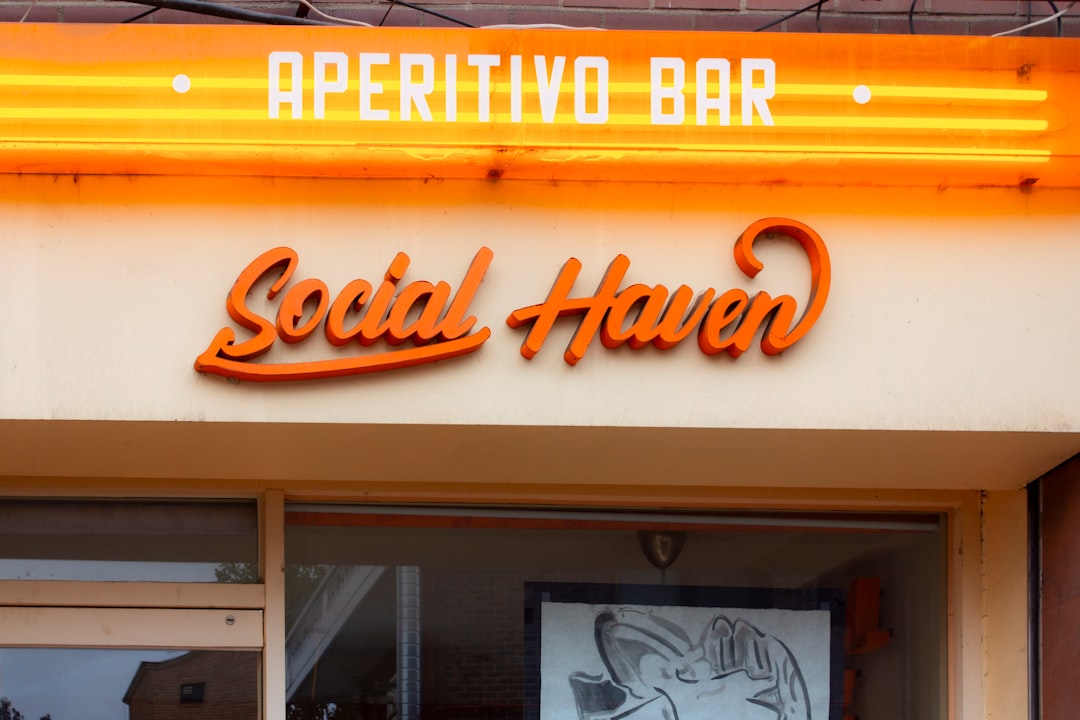
Tapas are not a meal. They are an attitude. The Spanish tradition of small shared plates served alongside drinks is one of Europe’s most convivial dining experiences — but it comes with its own unwritten rules, regional variations, and insider knowledge that can make or break the experience for a first-timer. Here is your field guide to navigating the glorious chaos of a Spanish tapas bar.
Free Tapas: Yes, It’s Real
In parts of Spain, ordering a drink automatically gets you a free tapa. Granada is the undisputed champion of this tradition — order a cana (small beer) for two euros, and a plate of food appears unbidden. The tapas get bigger and better with each subsequent drink, which is either a brilliant tradition or a devious scheme to keep you drinking, depending on your perspective. Leon, Salamanca, and parts of Andalusia also maintain the free tapas custom. In Barcelona and Madrid, however, you’ll pay for everything. Don’t be that tourist who sits expectantly waiting for free food in a Barcelonan bar. It won’t come.
The Essential Tapas to Know
Walking into a tapas bar for the first time can be overwhelming. The glass case at the bar holds a dozen mysterious dishes, the chalkboard menu is in illegible Spanish, and everyone else seems to know exactly what they want. Start with the classics and you can’t go wrong.
Patatas bravas — fried potatoes with spicy tomato sauce and sometimes aioli — are the universal tapas comfort food. Every bar makes them, and every Spaniard has an opinion about which bar makes them best. Tortilla espanola, the thick potato and egg omelette, is served at room temperature and should be slightly runny in the center (this is called “jugosa” and is the correct way, despite what your food safety training tells you). Jamon iberico, sliced from a leg that’s been curing for years, is the king of Spanish charcuterie — paper-thin, marbled with fat that melts on your tongue, and genuinely one of the great foods of the world. Croquetas, small bechamel fritters usually filled with jamon or salt cod, should have a crispy exterior that gives way to a creamy, almost liquid interior. Gambas al ajillo — shrimp sizzling in olive oil with garlic and chili — arrive in a clay dish so hot the oil is still bubbling. Mop up the garlic oil with bread. This is mandatory.
Pinchos and the Basque Country Exception
In the Basque Country, the tapas tradition takes a different form called pinchos (or pintxos in Basque). These are small portions served on a slice of bread, typically skewered with a toothpick, and displayed along the bar in elaborate arrangements that look like an edible art gallery. In San Sebastian, the pintxos bars of the Parte Vieja (Old Town) are legendary. The system is beautifully simple: grab a plate, help yourself from the bar, and when you’re done, show the bartender your toothpicks. You’re charged by the stick. The gilda — a skewer of olive, anchovy, and guindilla pepper — is the iconic pintxo, named after Rita Hayworth’s character because it was considered equally salty, green, and spicy.
The Art of the Tapas Crawl
The Spanish don’t sit in one bar all night. They move. “Ir de tapas” — going on a tapas crawl — means having one or two small plates and a drink at each bar, then moving to the next. A typical evening might involve four or five stops over three hours, and no one is in a hurry. Start around 9pm (earlier and you’ll be alone), order a cana or a glass of wine, share two or three dishes, and move on. Standing at the bar or at high tables is the norm. Sitting at a proper table often means a more formal (and expensive) dining experience. The floor littered with napkins and olive pits at a busy tapas bar is not a sign of poor hygiene — it’s a sign of a good time.
Ordering Tips That Will Serve You Well
- A “tapa” is the smallest portion, a “media racion” is a half-plate to share, and a “racion” is a full plate
- Point at what others are eating and say “uno de eso, por favor” (one of that, please) — no shame in it
- Bread is for mopping up sauces, and asking for more is perfectly fine
- Tipping is not expected at tapas bars, though rounding up is appreciated
- Don’t rush. The Spanish eat late and linger. Dinner before 9pm is a breakfast schedule
Tapas culture is fundamentally about generosity — sharing food, sharing time, sharing the simple pleasure of good ingredients prepared without pretension. You don’t need a guide or a reservation. You need an appetite, a sense of adventure, and a willingness to let the evening unfold at its own delicious pace.




Leave a Reply