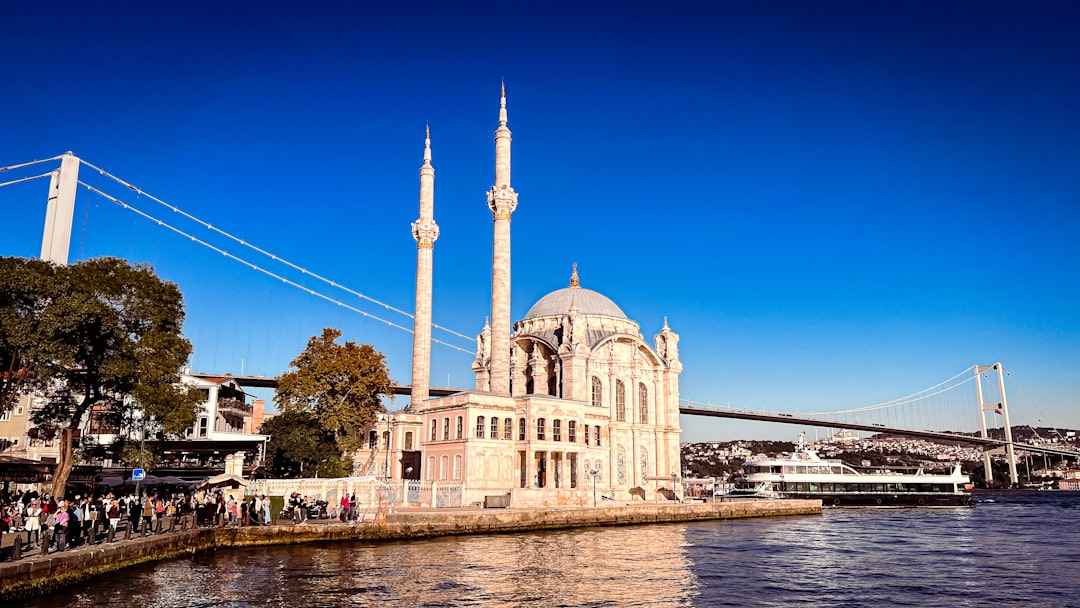
Istanbul is the only major city in the world that straddles two continents, and its European side is where most first-time visitors will spend the bulk of their time. This is where empires built their monuments, where traders haggled under vaulted ceilings for centuries, and where the call to prayer still echoes across minarets at dawn, competing with the shriek of seagulls and the blast of ferry horns on the Bosphorus. It is overwhelming, magnificent, and utterly unlike anywhere else in Europe. Here is how to navigate it.
Sultanahmet: The Imperial Core
The historic peninsula of Sultanahmet is where you start. This tight cluster of world-class monuments can fill an entire day without requiring more than a twenty-minute walk between any two of them. The Hagia Sophia, built as a cathedral in 537 AD by the Emperor Justinian, converted to a mosque after the Ottoman conquest in 1453, turned into a museum in 1934, and reconverted to a mosque in 2020, remains the single most awe-inspiring building in the city. Step inside and look up. The central dome, thirty-one metres across and fifty-five metres high, appears to float on a ring of light from forty windows at its base. Mosaics from the Byzantine era coexist with enormous Ottoman calligraphic medallions. It is a building that contains an entire civilization’s worth of history in one space.
Directly opposite, the Sultan Ahmed Mosque—universally known as the Blue Mosque for the twenty thousand Iznik tiles that line its interior—is still an active house of worship. Visits are free but the mosque closes to tourists during prayer times, which happen five times daily. Check the schedule posted outside and plan accordingly. Remove your shoes at the entrance. Women should bring a headscarf; coverings are also available at the door.
A ten-minute walk brings you to Topkapi Palace, the sprawling administrative and residential complex of the Ottoman sultans from the fifteenth to the nineteenth century. Budget at least two to three hours. The palace is organized as a series of courtyards, each more intimate and opulent than the last. The Harem section, which requires a separate ticket, is worth the extra cost—its rooms are covered in kaleidoscopic tile work that makes the Blue Mosque look restrained. The palace treasury holds the 86-carat Spoonmaker’s Diamond and the Topkapi Dagger, though the real highlight may be the terrace overlooking the confluence of the Golden Horn, the Bosphorus, and the Sea of Marmara.
The Grand Bazaar and Spice Market
The Grand Bazaar is one of the oldest and largest covered markets in the world, a labyrinth of over four thousand shops spread across sixty-one covered streets. It can be disorienting, and that is part of the point. Wander. Get lost. Follow the scent of leather, the glint of lanterns, the towers of Turkish delight. If you plan to buy, haggling is expected and even enjoyed—start at roughly half the asking price and negotiate from there. The bazaar is best visited on weekday mornings when the crowds are thinner and the shopkeepers have more patience for conversation.
The smaller Egyptian Spice Bazaar (Mısır Çarşısı), closer to the waterfront in Eminönü, is more manageable and more fragrant. Pyramids of saffron, sumac, dried chili flakes, and loose-leaf teas line the aisles. Buy a bag of mixed Turkish delight here—it is fresher and cheaper than anything in the Grand Bazaar—and pick up some pomegranate molasses, which will transform your salad dressings back home.
Beyoğlu: The Modern Pulse
Cross the Galata Bridge on foot—pausing to watch the fishermen who line its railings at all hours, their lines dangling into the Golden Horn—and climb the hill to Beyoğlu, Istanbul’s more modern, more cosmopolitan district. The Galata Tower, a medieval Genoese watchtower, offers a three-hundred-and-sixty-degree panorama of the city that is especially stunning at sunset. From there, walk along Istiklal Avenue, a pedestrianized shopping street that stretches for nearly two kilometres and draws three million people on a busy day. A nostalgic red tram rattles down the centre. Side streets peel off into a world of rooftop bars, meyhanes (traditional taverns), art galleries, and live music venues.
The Bosphorus and Street Food
No visit to Istanbul is complete without getting on the water. The public ferry from Eminönü to Kadıköy (on the Asian side) costs just a few lira and offers one of the world’s great commuter journeys—a twenty-minute crossing past the Maiden’s Tower, the Dolmabahçe Palace, and a skyline of domes and minarets. For a longer cruise, the official Bosphorus tour departs from Eminönü and runs up the strait to the fishing village of Anadolu Kavağı, passing Ottoman waterside mansions called yalıs, the Rumeli Fortress, and both suspension bridges.
Istanbul’s street food deserves its own article, but here are the essentials. A balık ekmek (fish sandwich) from the boats bobbing at Eminönü. A simit (sesame-crusted bread ring) from any of the ubiquitous red carts. A lahmacun (thin-crust flatbread with spiced minced meat) rolled with parsley, tomato, and a squeeze of lemon. Midye dolma—stuffed mussels sold from trays by roving vendors—are an acquired taste that, once acquired, becomes an obsession. And finish every meal with çay (tea), served in tulip-shaped glasses. It is offered everywhere, often for free, and refusing it borders on impoliteness.
Getting Between Neighbourhoods
- Buy an Istanbulkart (a rechargeable transit card) at any metro station or kiosk. It works on the metro, trams, buses, and ferries and saves significant money over individual tickets.
- The T1 tram line connects the airport bus terminus at Kabataş to Sultanahmet, passing through Eminönü and across the Galata Bridge. It is the most useful single line for tourists.
- Taxis are cheap but insist on the meter, or agree a price before getting in. Ride-hailing apps like BiTaksi help avoid disputes.
- Walking between Sultanahmet and the Grand Bazaar takes about fifteen minutes. Walking from the Grand Bazaar to the Galata Bridge takes about ten. Istanbul is a walkable city in its centre, but the hills are serious—pace yourself.



Leave a Reply