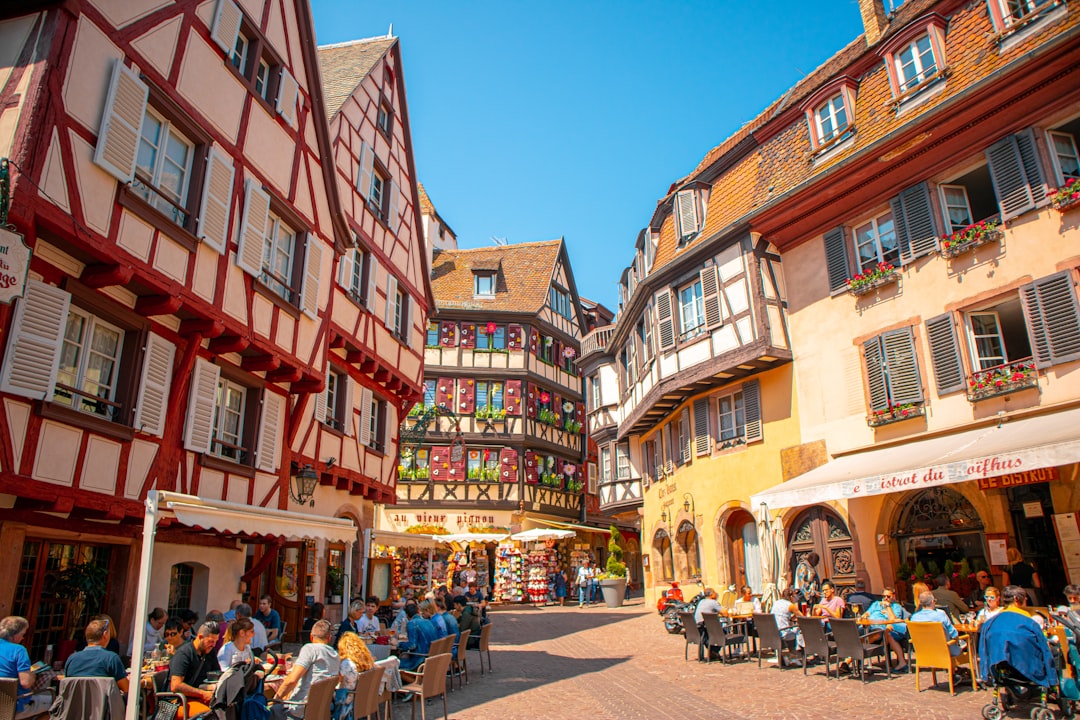
Beyond fantasy epics and crime dramas, Spain has become an increasingly important location for action cinema. Hollywood productions, particularly those requiring Mediterranean settings, dramatic urban environments, and accessible infrastructure, have discovered that Spanish cities offer ideal combinations of aesthetic appeal, production logistics, and cost efficiency. Tom Cruise action films shot in Spain exemplify how major action stars and high-budget productions have embraced Spanish locations for iconic sequences that become visual centerpieces of blockbuster cinema.
Spain’s role in action cinema reflects broader trends in international film production. As major studios seek diverse visual environments and global markets demand locally-relevant content, Spain’s combination of European sophistication, Mediterranean atmosphere, and accessible production infrastructure makes it attractive for ambitious action sequences. The resulting films have elevated Spanish cities’ international profiles while generating significant economic activity through production spending.
“Knight and Day”: Tom Cruise Racing Through Seville’s Streets
“Knight and Day” (2010), starring Tom Cruise and Cameron Diaz, represents one of the most visually prominent action films shot in Spain. The film’s central action sequence occurs in Seville, Spain’s most important Andalusian city, where Cruise’s character races through the city’s iconic streets in various vehicles—cars, motorcycles, and even boats through the Guadalquivir River.
The sequence, which serves as the film’s visual and narrative centerpiece, transforms Seville’s familiar geography into an action movie playground. The film uses several of Seville’s most recognizable locations: the area surrounding the Cathedral (one of Spain’s most important Gothic structures), the historic bridges spanning the Guadalquivir River, and the city’s narrow medieval streets. The action sequence benefits from Seville’s combination of grand historic monuments and intimate street geography—wide plazas offering space for elaborate action choreography alongside narrow lanes requiring precise vehicle maneuvering.
The sequence demonstrates Hollywood’s approach to international filming: using authentic geography as backdrop for action narrative while requiring minimal set construction or geographic modification. Seville’s existing architecture and street layout provided everything the production team required to create memorable action sequences. The city’s appearance on screen, seen through the lens of action cinema, transformed Seville’s international image—showcasing the city not just as historical tourist destination but as dynamic, exciting contemporary urban environment.
Visiting Information: Seville is located in southern Andalusia, accessible via flights to Seville Airport (connection hub for international travel) or train from Madrid (2.5 hours). The city is compact and best explored on foot or via excellent public transportation. The Cathedral, one of Europe’s most important Gothic structures, dominates the city center and is visible from multiple vantage points. Entry is approximately €12. The Alcázar palace (discussed in Game of Thrones article) offers spectacular gardens and architecture. The Guadalquivir riverfront provides walking routes. Many of Knight and Day’s action sequence locations are recognizable in person. The film’s bank robbery scene, for instance, occurs near the Cathedral and surrounding plazas. The river chase sequences utilized the Guadalquivir riverfront and bridges, all accessible to visitors exploring the city. Plan 2-3 days minimum in Seville to appreciate the city’s cultural and historical significance beyond its action cinema connections.
The Cádiz Carnival Chase: Annual Celebration Meets Hollywood
Another notable action sequence from Knight and Day occurs during Cádiz’s famous carnival celebration. Cádiz, Spain’s oldest continuously inhabited city and a major Atlantic port, hosts one of the world’s most significant carnival celebrations annually. The film’s production coordinated with actual carnival festivities to film action sequences amid thousands of costumed performers, elaborate floats, and street celebrations.
The sequence brilliantly combines Hollywood action cinema with authentic cultural celebration. Rather than replacing Cádiz carnival with artificial set decoration, the filmmakers utilized the actual carnival atmosphere—the costumes, music, crowds, and festive energy—as backdrop for action. This approach grounds the action in genuine cultural context while leveraging the spectacular visual possibilities of one of the world’s great celebrations.
Cádiz carnival occurs in February and marks one of Spain’s most important cultural celebrations. The combination of historical city architecture, Atlantic seaside location, and annual carnival tradition creates extraordinary visual environment. For visitors interested in both action cinema and authentic cultural experience, experiencing Cádiz carnival offers both connections to Knight and Day and engagement with centuries-old cultural tradition.
Visiting Information: Cádiz is located on Spain’s Atlantic coast, approximately 125 kilometers from Seville (2-hour drive or train). The city is one of Spain’s oldest, with Roman history, medieval architecture, and modern development coexisting. The old town, built on a peninsula, offers historic plazas, churches, and waterfront areas. Cádiz beaches provide swimming and relaxation. The city serves as a major port and contains museums documenting Spanish maritime history. Cádiz carnival occurs annually in February and runs for several weeks. Accommodations during carnival season book far in advance; planning ahead is essential. Outside carnival season, Cádiz offers peaceful exploration of an authentic Spanish coastal city. The Knight and Day carnival scenes reference specific locations, though the actual filming occurred during off-season with digital enhancement creating carnival atmosphere.
Mission: Impossible Filming in Spain
Tom Cruise has filmed multiple Mission: Impossible films in Spanish locations, with Seville again serving as a primary setting. The Mission: Impossible franchise’s signature approach—utilizing real locations for elaborate action sequences, minimizing green screen and digital effects—aligns perfectly with Spain’s offerings. The franchise’s requirement for iconic urban landscapes, architectural distinctiveness, and production infrastructure makes Spain attractive for major installments.
Various Mission: Impossible films have utilized Spanish locations for sequences involving espionage, urban pursuit, and international intrigue. The franchise’s global setting—with action occurring across multiple countries and cities—benefits from Spain’s combination of Mediterranean sophistication and European accessibility. Seville’s riverside setting, Gothic architecture, and urban density create compelling action backdrops.
Visiting Information: While specific Mission: Impossible filming locations vary by installation, Seville remains the primary Spanish location for the franchise. The Guadalquivir riverfront, Cathedral surroundings, and historic bridges appear in various films. Walking through these locations allows viewers familiar with the films to recognize specific sequences. The combination of architectural beauty and action cinema significance makes these locations valuable for fans interested in both cinema and urban exploration.
The Bourne Ultimatum: Tangier and Spanish Connections
While “The Bourne Ultimatum” primarily features Tangier (in Morocco) as its major Mediterranean setting, the production utilized Spanish locations for certain sequences. The film’s focus on Mediterranean port cities and international espionage made Spain a natural choice for portions of the narrative. Spanish coastal cities, with their combination of sophisticated infrastructure and authentic Mediterranean atmosphere, served production purposes.
Why Spain for Action Cinema?
Spain’s attraction for action filmmaking reflects several factors. First, the country’s diverse geography—Mediterranean coasts, mountain ranges, interior plateaus, and urban centers—provides varied visual environments useful for different action sequences. Productions can film multiple different location types within manageable distances.
Second, Spain’s infrastructure supports complex action choreography. The country’s road networks, urban planning, and public spaces accommodate large crews and equipment. Spanish authorities generally cooperate with major productions, facilitating street closures and location access required for filming.
Third, Spain’s visual appeal enhances action sequences. Rather than appearing generic or sterile, action filmed in Spanish locations benefits from architectural distinctiveness and Mediterranean beauty. A car chase through Spanish streets feels more cinematically compelling than equivalent action in generic locations. This visual richness elevates action cinema while showcasing Spanish geography to international audiences.
Fourth, Spain’s production economics—favorable compared to major Western European countries while maintaining high quality standards—make it cost-effective for major action productions. The combination of cost efficiency and quality infrastructure makes Spain attractive relative to alternatives.
Urban Action and Mediterranean Settings
Spain’s cities—Seville, Barcelona, Madrid, Valencia—offer distinctive urban environments suitable for different types of action. Seville’s narrow medieval streets and riverside setting provide intimate, intricate action possibilities. Barcelona’s combination of medieval Gothic Quarter, modernist architecture (Gaudí), and contemporary development offers visual diversity. Madrid’s grand boulevards and modern urban landscape provide space for large-scale action choreography. Valencia’s futuristic City of Arts and Sciences offers contemporary architectural backdrops.
These diverse urban environments mean that productions can utilize Spain for multiple different types of action sequences—from intimate street pursuits to large-scale public spectacles. The availability of multiple visually distinct cities within a single country makes Spain efficient for large-scale action productions requiring varied urban environments.
The Tourism Impact of Action Cinema
Action films shot in Spain—particularly prominent Tom Cruise vehicles like Knight and Day—generate tourism interest in featured locations. Visitors interested in action cinema seek out sites where iconic sequences were filmed. This interest benefits tourism industries, hotels, restaurants, and local businesses in featured cities. However, it also raises questions about authenticity and experience mediation. When visitors arrive with predetermined expectations based on action cinema rather than developing organic engagement with location, the quality of experience can suffer.
Balancing the promotional benefits of action cinema with residents’ desires for normal urban life constitutes ongoing challenge. When production activity is concentrated, street closures and security requirements disrupt community function. Understanding these tensions helps visitors engage respectfully with locations, recognizing that featured cities have lives and purposes beyond cinematic backdrops.
Visiting Spain for Action Cinema Tourism
For viewers interested in combining action cinema tourism with Spanish exploration, Seville stands as the primary destination. The city’s historical and cultural significance extends far beyond its connection to action films. The Cathedral, Alcázar palace, riverside walks, and Andalusian atmosphere constitute rich experience regardless of cinema connections.
An ideal approach combines appreciation for action cinema locations—recognizing specific sites where Knight and Day or Mission: Impossible sequences were filmed—with broader cultural and historical engagement. Walking Seville’s streets, you can identify specific plazas and bridges featured in action sequences while simultaneously appreciating the city’s genuine cultural significance, architectural beauty, and contemporary vitality.
The Broader Context: Spanish Locations in International Action Cinema
Spain’s role in action cinema represents broader patterns in how international productions utilize global locations. As Hollywood expands internationally, seeking diverse visual environments and global perspectives, European countries with developed production infrastructure increasingly attract major productions. Spain competes with other European countries (Croatia, Czech Republic, Romania) for action cinema production, but maintains advantages through combination of Mediterranean aesthetics, urban sophistication, and European accessibility.
The enduring appeal of Spain for action cinema suggests the country will continue attracting major productions. As streaming platforms and major studios seek locations for ambitious action sequences, Spain’s combination of practical advantages and visual appeal positions it as major player in global action cinema production. This provides both economic benefits and challenges—requiring balance between production activity’s financial benefits and residents’ desires for normal urban life.
For visitors, Spain’s role in action cinema offers interesting entry points for exploring Spanish cities. Whether beginning with action cinema interest or discovering action cinema connections while exploring Spain, the country’s featured in major films provides layered engagement opportunities. The key is moving beyond cinema-specific tourism toward genuine cultural and historical engagement—using films as introduction to locations worth visiting for their own authentic qualities.




Leave a Reply