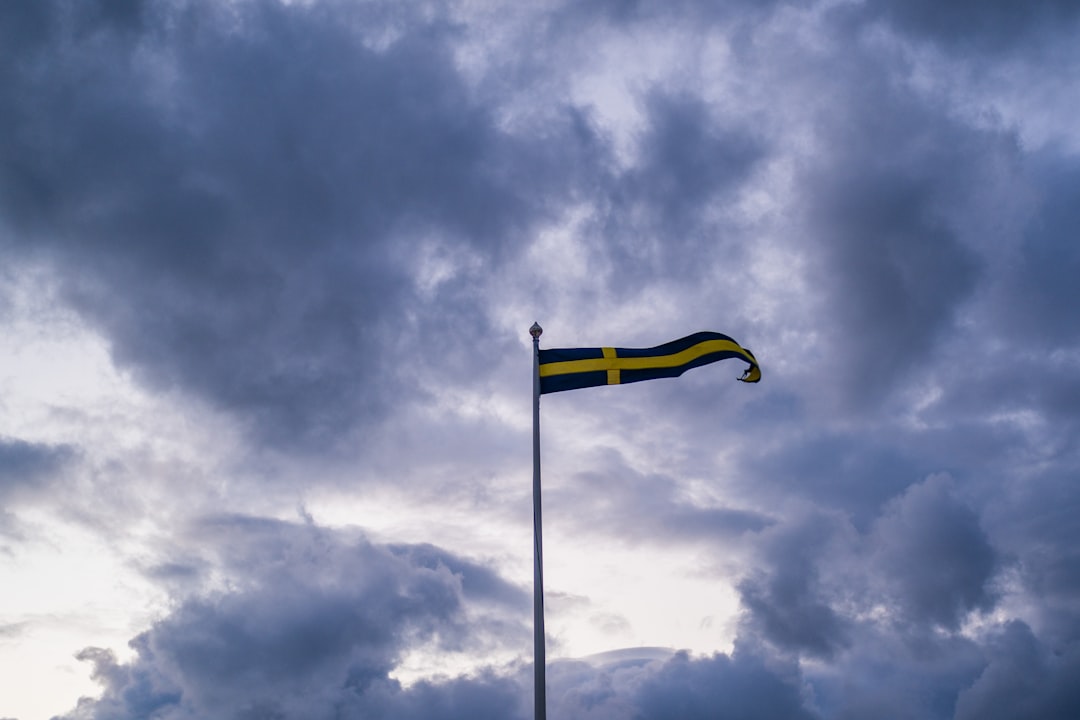
Imagine a country where you can walk across private land, camp in the forest, pick berries and mushrooms from anywhere, swim in lakes and oceans, and kayak rivers—all perfectly legally, even if the land is privately owned. Imagine that this isn’t just tolerated but is actually a legal right enshrined in law. No permission needed. No trespassing signs don’t apply. This isn’t an anarchic free-for-all; it’s a carefully balanced principle that’s been part of Swedish culture for centuries and is one of the most distinctive and beautiful aspects of Swedish life.
This principle is called allemansrätten—the right to roam. It’s difficult to overstate how fundamental this is to Swedish culture and identity. It shapes how Swedes interact with nature, how they spend their free time, how they raise their children, and how they’ve managed to preserve vast wilderness areas despite being a wealthy, developed country. For visitors, understanding allemansrätten opens access to experiences that would be impossible or illegal in most other countries.
The Legal Right
Let’s be clear about what allemansrätten actually allows:
You can walk, hike, and camp almost anywhere, including on private land, as long as you’re not disturbing the owner or their property. You can pick berries (blueberries, lingonberries, cloudberries), mushrooms, flowers, and other wild plants for your own consumption. You can fish in most lakes and rivers. You can swim in lakes and oceans. You can paddle a canoe or kayak down most waterways. You can sit and rest anywhere. You can photograph landscapes.
This right exists specifically for non-commercial use. You’re not allowed to commercially harvest berries or mushrooms from land that isn’t yours. You’re not allowed to stay in the same place for an extended period in close proximity to someone’s home. You must respect privacy. You must not damage the property or environment. You must leave no trace beyond your footprints.
The legal principle is often translated as “everyone’s right” because allemansrätten literally means “everyman’s right.” It’s the idea that Sweden’s natural spaces belong to everyone, not just private property owners, and that everyone has the right to access and use them responsibly.
The Responsibilities
This is crucial: allemansrätten comes with corresponding responsibilities. It’s not a “do whatever you want” right; it’s a right balanced by duties.
You must respect the peace and privacy of those living on the land. If there’s a house nearby, you shouldn’t camp directly in their line of sight or make excessive noise. You should avoid activities that disrupt their quiet enjoyment of their property.
You must not damage property or the natural environment. Don’t break branches, uproot wildflowers, make permanent marks, or leave trash. The goal is that no one should be able to tell you were there.
You should not stay too close to a residence for extended periods. The general rule is that you shouldn’t camp within sight or immediate proximity of a home—though these boundaries are negotiable and based on common sense and local customs.
You must not hunt or fish in protected areas or during hunting seasons without permits.
In essence, allemansrätten is built on a foundation of mutual respect. Property owners allow public access to their land, and those accessing the land behave responsibly and respect the property and the privacy of the owners.
How This Shapes Swedish Outdoor Culture
Because of allemansrätten, Swedish people have a fundamentally different relationship with nature than people in countries where nature access is restricted to designated public areas. Nature isn’t something you visit on weekends at a designated park; it’s something you access constantly, casually, throughout your life.
A Swedish family might decide to camp in the forest for a weekend without ever asking permission or paying a fee. They might take a long walk across someone’s land without trespassing. They might find a perfect berry patch on private property and harvest from it. They might paddle a canoe down a river for hours. These activities are normal, casual, and legal.
This has profound effects on Swedish culture. Children grow up with easy access to wilderness. Adults regularly spend time in nature. The forests and lakes aren’t distant destinations; they’re part of the everyday landscape. This creates a population that’s comfortable in nature, knowledgeable about the outdoor environment, and genuinely invested in conservation and environmental protection because nature is part of their daily lives.
Swedish outdoor culture is also democratic. It’s not something only wealthy people who own vacation property can access. The poorest person in Sweden has the same right to camp in the forest, pick berries, and access nature as the richest. This egalitarian access to nature is fundamental to the Swedish worldview.
The Berry-Picking Obsession
Swedes take berry-picking seriously. This isn’t casual snacking; this is a cultural practice with deep roots and contemporary enthusiasm. During berry season, which peaks in late summer, Swedes head into the forests with serious intent, often with specialized buckets designed specifically for berry picking.
Blueberries (blåbär) are the most commonly picked wild berry. They grow abundantly in Swedish forests, particularly in areas with pine trees. A productive berry-picking expedition might yield several kilograms of blueberries, which are then made into jam, frozen, baked into pies, or simply eaten fresh.
Lingonberries (lingon) are smaller, slightly tart, and grow in similar areas as blueberries. They’re often made into lingonsylt (lingonberry jam), which is a staple Swedish condiment served with meatballs, venison, and other traditional dishes.
Cloudberries (hjortron) are rarer, more delicate, and grow in boggy areas. They’re much more expensive to buy commercially than blueberries or lingonberries, which is why serious foragers hunt for them. They have a complex, subtle flavor and are highly prized.
There’s a reason Swedes take berry-picking seriously: the yields can be substantial, the berries are genuinely delicious, and there’s something deeply satisfying about harvesting your own food from wild nature. It’s also free. In a country where food tends to be expensive, wild berries are a renewable resource that costs nothing but time and effort.
For visitors, berry-picking offers a genuinely authentic way to experience Swedish nature and participate in Swedish culture. You can show up at a Swedish person’s door with a container of berries you’ve picked, and you’ll be treated like a hero. Berry-picking is a love language in Sweden.
Mushroom Foraging
While less universally practiced than berry-picking, mushroom foraging is a serious pursuit for many Swedes. Swedish forests are rich with edible mushrooms, and people who know how to identify them can find chanterelles, porcini, and numerous other varieties.
Mushroom foraging requires more knowledge than berry-picking. You need to reliably identify edible species because some mushrooms are toxic. Many Swedes learn mushroom identification from their parents or grandparents. There are also mushroom guidebooks, and during mushroom season (late summer through fall), local newspapers sometimes run identification guides.
A successful mushroom forage can yield enough mushrooms for several meals, and mushroom picking has a ritualistic quality to it. People gather in small groups, move slowly through the forest, examining the ground carefully. It’s meditative and connects you directly to the forest ecosystem.
For visitors interested in mushroom foraging, the safest approach is to go with a knowledgeable local who can identify species accurately. Don’t pick mushrooms for consumption without being certain of identification.
Practical Guide for Visitors
If you want to take advantage of allemansrätten during your visit to Sweden, here’s how:
Camping: Pack a lightweight tent. Arrive at your chosen spot in the early evening, camp for the night, and leave early the next morning. Stick to natural areas away from houses. If you encounter a property owner, be polite and explain you’re passing through. Most Swedes will be fine with it; some might ask you to leave, in which case you leave without argument.
Berry-picking: Bring containers. Ask locals where good berry-picking areas are, or just head into any forest that looks promising. Pick responsibly—don’t uproot plants or damage the forest floor. It’s perfectly acceptable to pick berries on a walk through the woods.
Fishing: If you want to fish, check local regulations first. While fishing rights are generally included in allemansrätten, there are protected species and seasons to respect. Fishing for salmon or trout in certain rivers may require permits.
Kayaking: Renting a kayak and paddling down a river or along a lake is a perfect way to experience nature. Many Swedish waterways are accessible to paddlers, and there are numerous kayak rental services.
Hiking: Simply walk into the forests and hike. There are marked trails in many areas, but you’re also free to explore off-trail, following compass and map.
Swimming: Lakes and oceans are freely accessible for swimming. Many lakes have small beaches or access points. You’ll often find designated swimming areas, but you’re also free to swim from anywhere along a shoreline.
Environmental Ethics and Respect
The sustainability of allemansrätten depends on people using it responsibly. If everyone who used the forests left trash, damaged vegetation, and camped near people’s homes, the right would become unsustainable and property owners would push for restrictions.
As a visitor using allemansrätten, you have a responsibility to help preserve it. Leave no trace. Take your trash with you. Don’t leave campfire remnants. Don’t damage vegetation. Respect privacy. Follow the principle that no one should be able to tell you were there beyond your footprints.
The Broader Philosophy
Allemansrätten represents something important about Swedish values: the idea that nature should be accessible to everyone, that private property rights need to be balanced against public access, and that individuals should behave responsibly without constant external enforcement. It’s based on trust—trust that people will use the right responsibly, trust that property owners won’t be unreasonable, trust that the system will work because everyone’s invested in its success.
In some ways, allemansrätten is the inverse of certain American attitudes. In the United States, private property is often absolute—”No Trespassing” signs are legally enforced, and walking across private land without permission is genuinely illegal, even if it causes no harm and disturbs nothing. In Sweden, private property is subordinated somewhat to public access rights, based on the assumption that responsible use and mutual respect will manage the system.
This difference in philosophy has profound implications for how people access nature, how outdoor culture develops, and what relationship people have with natural spaces.
Visiting Sweden’s Forests
If you visit Sweden during summer or early fall, allocate time to experience allemansrätten. Rent a kayak and paddle a lake. Find a forest and camp in it. Pick berries if they’re in season. Hike through the woods. Swim in a lake.
You’ll understand better than any explanation why this right is so fundamental to Swedish culture. You’ll experience a freedom of access to nature that’s rare in the modern world. And you’ll better understand the Swedish commitment to democracy, equality, and the environment—because allemansrätten is ultimately about all three.
Just remember: with great freedom comes great responsibility. Use allemansrätten respectfully, and help preserve it for future visitors and for future Swedes.




Leave a Reply