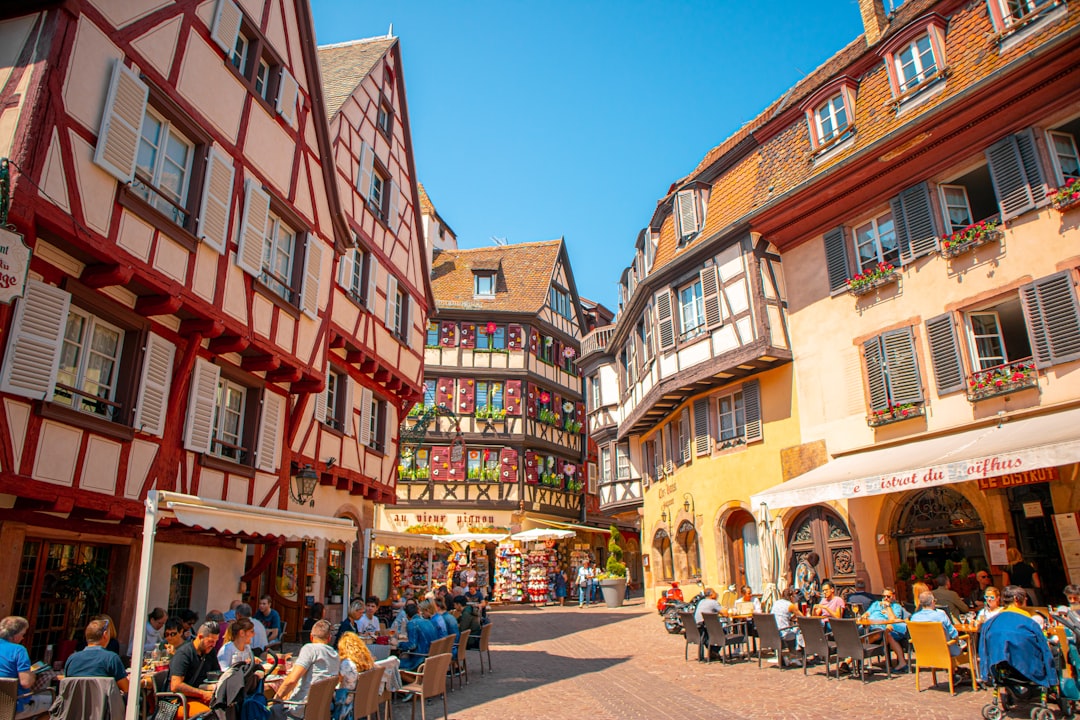
Moving to Europe as a remote worker offers incredible opportunities—affordable living, rich cultural experiences, and the flexibility to work from inspiring locations. However, choosing the right country depends on your specific needs: visa requirements, internet reliability, tax implications, time zone compatibility, and lifestyle preferences. This guide breaks down the best European destinations for American remote workers across key factors.
Digital Nomad Visas: The Foundation
Most European countries now offer Digital Nomad Visas designed specifically for remote workers. These visas typically require proof of monthly income (usually €2,000-€3,500), a valid US passport, and comprehensive health insurance. They’re usually valid for 12 months and often renewable. Before choosing a country, confirm its specific visa requirements and whether you’ll need a D-visa (long-stay) from a consulate.
Portugal: The Digital Nomad Darling
Portugal has become the unofficial capital of European digital nomads, and for good reason.
Visa: D7 visa (technically for “passive income” but remote work qualifies) or Digital Nomad Visa (introduced 2022). Income requirement is lower than most—around €1,260/month for a single person.
Internet: Excellent fiber optic infrastructure in Lisbon, Porto, and major cities. Expect 100+ Mbps download speeds reliably. ISPs include MEO, Vodafone, and NOS. Backup mobile data is solid with 4G+ coverage.
Coworking & Community: Lisbon has the most vibrant digital nomad scene in Europe. Second Home, Selina, and Heden are popular spaces. Monthly costs range €150-300. Massive community events, networking opportunities, and “nomad bars” make socializing easy.
Time Zone: Portugal is UTC+0 (UTC+1 in summer). This is actually ideal for Americans—only 5 hours ahead of Eastern Time, making morning East Coast calls feasible around 2-3 PM Portuguese time.
Tax: Non-residents aren’t taxed on foreign-sourced income if they don’t establish tax residency. However, after 183+ days, you become a resident. Portugal’s NHR program (if you qualify) offers a 10-year tax break on foreign-sourced income. You’ll need to file taxes with the Portuguese tax authority and maintain FBAR compliance.
Cost of Living: €1,200-1,600/month in Lisbon (including rent), €800-1,100 outside the capital. Significantly cheaper than Western Europe.
Best Cities: Lisbon (vibrant, established infrastructure), Porto (smaller, cheaper, growing scene), Lagos/Algarve (beach lifestyle, tourism infrastructure).
Spain: Balance of Culture & Affordability
Spain offers a slightly higher cost of living than Portugal but with excellent infrastructure and lifestyle quality.
Visa: Digital Nomad Visa (launched 2023) requires €2,300/month income. Valid for 1 year, renewable up to 5 years total.
Internet: High-speed fiber widely available in Madrid, Barcelona, Valencia, and Seville. 300+ Mbps possible with providers like Vodafone, Orange, and Movistar. Reliability is excellent.
Coworking & Community: Strong coworking scenes in Madrid and Barcelona. Spaces like Aticco, Selina, and Spaces cost €180-350/month. Barcelona’s digital nomad scene rivals Lisbon’s size but feels less focused on tourism.
Time Zone: UTC+1 (UTC+2 in summer). Same as Portugal, excellent for US calls.
Tax: Spain taxes residents on worldwide income. After 183+ days, you’re classified as a resident. However, there’s no special tax break for remote workers. You’ll need to establish a fiscal number (NIE), open a Spanish bank account, and file annual tax returns. FBAR compliance is mandatory for Americans.
Cost of Living: €1,400-1,900/month in Madrid/Barcelona, €1,000-1,300 in secondary cities.
Best Cities: Barcelona (Mediterranean climate, international community, excellent beaches), Madrid (cultural hub, best restaurants, vibrant nightlife), Valencia (affordable, beach access, underrated tech scene).
Greece: Mediterranean Living on a Budget
Greece offers EU membership, stunning scenery, and very affordable living—though internet can be inconsistent outside major cities.
Visa: Digital Nomad Visa (2021) requires €2,500/month income. Valid for 1 year, renewable annually.
Internet: Good in Athens and larger cities (100+ Mbps), but unreliable on islands and rural areas. Mobile backup essential. Providers: Vodafone, Cosmote, Cyta. Coworking spaces bridge connectivity gaps.
Coworking & Community: Growing scenes in Athens and some islands. Athens has established spaces; island coworking is developing. €100-250/month. Community smaller than Portugal/Spain.
Time Zone: UTC+2 (UTC+3 in summer). One hour ahead of Spain/Portugal. Still workable for US mornings—East Coast at 3-4 PM Greek time.
Tax: Similar to Spain—residents taxed on worldwide income after 183 days. No special remote worker breaks. Tax rates are slightly lower than Spain (24% top rate vs Spain’s 45%).
Cost of Living: €900-1,300/month in Athens, €700-1,000 outside (including very cheap islands). Lowest cost among recommendations.
Best Cities: Athens (infrastructure, community, walkability), Crete (island lifestyle, food culture), Chania (Crete’s charming coastal town), Thessaloniki (cheaper Athens alternative).
Czech Republic: Tech Hub Affordability
The Czech Republic combines low costs, solid infrastructure, and an underrated tech community.
Visa: Digital Nomad Visa requires €1,100/month income (EU’s lowest minimum). Valid for 1 year, renewable annually.
Internet: Excellent fiber infrastructure, especially in Prague. 500+ Mbps available with providers like Vodafone, O2, UPC. Very reliable.
Coworking & Community: Prague has a growing remote work scene with spaces like Hubhub and Launch. €150-300/month. Community smaller than Western Europe but quality-focused.
Time Zone: UTC+1 (UTC+2 in summer). Same as Spain/Portugal.
Tax: Non-residents aren’t taxed on foreign income. However, after 183 days or establishing a residence, you’re taxed. No special exemption for remote workers. Czech tax rates are reasonable—15% flat rate on corporate income, 12-32% on personal.
Cost of Living: €900-1,300/month in Prague (surprisingly affordable), €600-900 outside.
Best Cities: Prague (UNESCO, architecture, nightlife), Brno (university town, cheaper, growing tech scene), Ceský Krumlov (fairy-tale town, but fewer digital nomad amenities).
Germany: Stability & Innovation
Germany appeals to remote workers seeking stability, world-class infrastructure, and a serious professional environment.
Visa: Freelancer visa (self-employed) available for independent remote workers. Requires business registration (Anmeldung) and can take 2-4 weeks to process.
Internet: World-class fiber infrastructure, especially in Berlin and other major cities. 200+ Mbps standard. Providers: Vodafone, Telekom, O2.
Coworking & Community: Berlin has a vibrant startup/remote work ecosystem. Spaces like Sun Desk, Betahaus, and WeWork. €300-500/month. Munich and Hamburg also have solid scenes.
Time Zone: UTC+1 (UTC+2 in summer). Same as Spain/Portugal.
Tax: Freelancers establishing residency are taxed on worldwide income. German taxes are high: 42% top marginal rate. However, you can deduct home office, equipment, and business expenses substantially. Mandatory health insurance (~€300-400/month).
Cost of Living: €1,500-2,000 in Berlin (surprisingly expensive now), €1,800-2,400 in Munich. Higher than Southern Europe.
Best Cities: Berlin (tech hub, creative scene, nightlife), Munich (quality of life, though expensive), Hamburg (cosmopolitan, business-friendly).
Netherlands: Northern European Quality
The Netherlands offers English-friendly infrastructure, though at a higher cost than Southern Europe.
Visa: DAFT (Directive on the Conditions of Entry and Residence of Third-Country Nationals for Purposes of Paid Employment) or freelancer visa for self-employed. Income requirements around €3,500/month.
Internet: Excellent infrastructure with 200+ Mbps common. Among Europe’s best. Providers: KPN, Vodafone, T-Mobile.
Coworking & Community: Amsterdam and Rotterdam have established scenes. Spaces like The Spaces, Sun Desk, Computable. €400-600/month. Professional, less “party atmosphere” than Southern Europe.
Time Zone: UTC+1 (UTC+2 in summer). Same as Spain/Portugal.
Tax: Residents taxed on worldwide income. Dutch taxes: ~49.5% top rate. However, the 30% tax ruling for skilled migrants offers 5-8 years at reduced rates (8.1% on wage components)—but eligibility is complex for remote workers. Health insurance mandatory (~€150-300/month).
Cost of Living: €1,800-2,400 in Amsterdam, €1,500-2,000 elsewhere. Most expensive on this list.
Best Cities: Amsterdam (infrastructure, English-friendly, but crowded), Lisbon’s “cheaper sister” Rotterdam (underrated, cheaper), Utrecht (college town, affordable, train hub).
Comparison Table: Quick Reference
| Country | Visa Income | Internet | Coworking | Cost/Month | Tax Issue | Time Zone |
|———|————|———-|———–|———–|———–|———–|
| Portugal | €1,260 | Excellent | Excellent | €1,200-1,600 | NHR available | UTC+0 |
| Spain | €2,300 | Excellent | Excellent | €1,400-1,900 | High rates | UTC+1 |
| Greece | €2,500 | Good/Variable | Growing | €900-1,300 | Moderate | UTC+2 |
| Czech Republic | €1,100 | Excellent | Growing | €900-1,300 | Moderate | UTC+1 |
| Germany | ~€2,500 | Excellent | Excellent | €1,500-2,400 | High + mandatory health | UTC+1 |
| Netherlands | €3,500 | Excellent | Excellent | €1,800-2,400 | High; 30% ruling complex | UTC+1 |
Time Zone Considerations: Critical for US Business
For American remote workers with US client commitments, time zone is paramount. All options provide 5-9 hour gaps from US Eastern Time, which is workable:
- Morning meetings: Schedule 9 AM ET calls = 2-3 PM European time. Feasible.
- Afternoon meetings: Schedule 2-4 PM ET = 7-9 PM European time. Tight but possible.
- Real-time collaboration: With West Coast clients (8 hour gap), European mornings work—European 9 AM = 1 AM Pacific. This is tight.
Portugal and Spain (UTC+0/+1) are optimal for US time zones.
Making Your Decision: A Framework
Choose Portugal or Spain if: You want maximum community support, reasonable costs, excellent infrastructure, and flexibility. Both have established digital nomad infrastructure and lower barriers to remote work tax-wise (initially).
Choose Greece if: You prioritize minimal living costs and Mediterranean lifestyle, and can tolerate occasional internet inconsistencies.
Choose Czech Republic if: You want low costs and strong tech infrastructure, and prefer smaller communities to large nomad scenes.
Choose Germany if: You value stability, quality of life, serious professional environment, and don’t mind higher costs.
Choose Netherlands if: You prioritize English-friendly infrastructure above all else and have high income.
Critical Reminders: Tax & Legal
Regardless of country choice, maintain meticulous tax compliance:
- File US FBAR: Required if foreign bank accounts exceed $10,000 (FinCEN Filing)
- File FATCA Form 8938: Required if foreign assets exceed thresholds
- Consider Foreign Earned Income Exclusion (FEIE): Excludes ~$120,000 of foreign earned income from US taxes (if applicable)
- Track residency days: 183+ days typically triggers tax residency in most countries
- Hire an expat tax specialist: Investment pays for itself through tax optimization
Conclusion
Europe offers incredible opportunities for American remote workers. Portugal dominates for community and simplicity; Spain balances culture and infrastructure; Greece maximizes budget freedom. Your choice depends on priorities: cost, community, tax efficiency, or lifestyle. Regardless of destination, ensure your visa status is clear, internet connection is tested, and US tax obligations are understood before arrival.
The best time to move is now—digital nomad visa programs are increasingly competitive, and quality of life in Europe remains exceptional relative to costs.




Leave a Reply