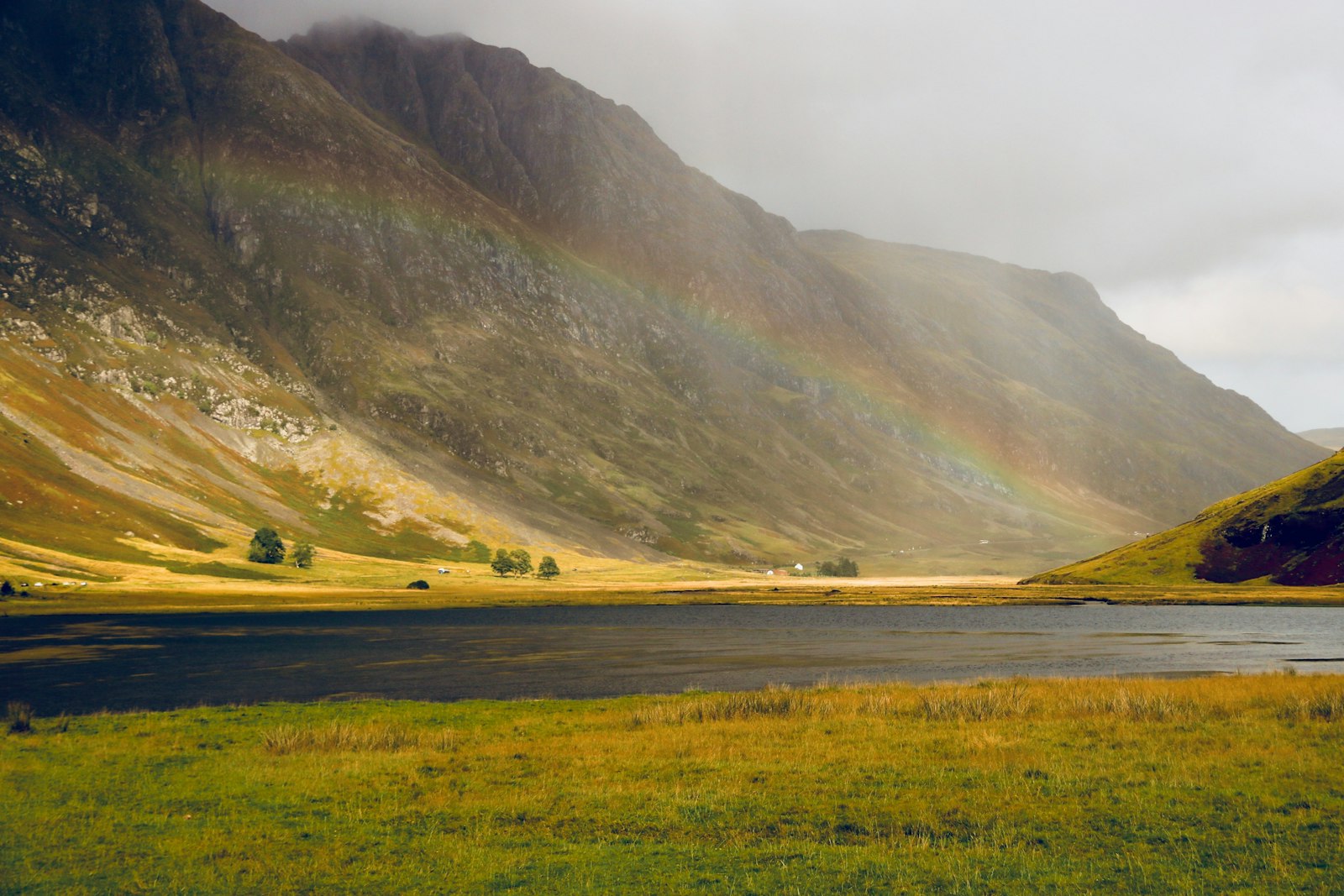
British crime television has evolved from cozy whodunits to high-stakes procedurals exploring corruption, violence, and social dysfunction. Contemporary British crime shows use landscape and location as more than mere setting—they function as character, establishing mood and revealing the social contexts driving the narratives. For American viewers drawn to British crime television, following locations offers entry into understanding regional British geography, social tensions, and how television uses place to explore contemporary anxieties.
Line of Duty: Belfast and Anti-Corruption
Jed Mercurial’s Line of Duty, perhaps the most culturally significant British crime television series of the past decade, is primarily set in Belfast, Northern Ireland, though filmed in various UK locations. The series explores an anti-corruption unit investigating police brutality, abuse of power, and institutional corruption. While fictional, the show engages with genuine anxieties about state violence and the institutions meant to check it.
Belfast Filming Locations
Though the series is set in Belfast, much of Line of Duty was filmed in Belfast and surrounding areas in Northern Ireland. Visiting the actual city provides context for understanding the show’s interrogation-heavy aesthetic and its engagement with post-conflict Northern Irish society.
Police Stations and Official Buildings: The show’s frequent interrogation scenes take place in police facilities. While not always filmed in actual police stations (some are sets), the architecture and institutional aesthetic are recognizably Northern Irish. Walking through Belfast’s official and institutional spaces provides understanding of the bureaucratic world Mercurial depicts.
Urban Neighborhoods: Belfast’s neighborhoods—Falls Road, Shankill Road, East Belfast—appear throughout the series. These areas carry historical significance (representing sectarian divides) and contemporary dynamism (as neighborhoods transform in post-conflict Northern Ireland). Visitors can walk these neighborhoods to understand the social context the series explores.
The Botanic District: This area features locations used throughout the series and provides a sense of contemporary Belfast’s urban character.
Belfast is accessible by direct flights from the US, by train from Dublin (2 hours), or by ferry from Liverpool. The city has developed significant tourism infrastructure and offers museums, restaurants, and cultural attractions beyond crime television locations.
Broadchurch: West Bay and Dorset’s Dark Side
Broadchurch (and its American remake, Gracepoint) is set in the fictional seaside village of West Bay, but the series actually films in and around the genuine West Bay, Dorset, a picturesque coastal town famous for its striking yellow and white sandstone cliffs. The contrast between the village’s postcard beauty and the brutal crimes investigated in the narrative creates the series’ core tension.
West Bay: The Famous Cliffs
West Bay’s cliffs—the distinctive striped sandstone formations known as the Durdle Door area—are among England’s most photographed coastal features. The cliffs appear throughout Broadchurch, providing visual shorthand for beauty and danger, secrets and exposure. The cliffs rise hundreds of feet above the water, and loose stone is a genuine hazard; the dramatic landscape literally crumbles away.
Visiting West Bay allows you to walk the cliffside paths, photograph the distinctive geology, and understand the landscape’s stunning beauty. The town is small and highly aware of its Broadchurch fame; the tourism infrastructure reflects this. However, the cliffs and surrounding coast are genuinely dramatic and rewarding regardless of television connections.
The Town of West Bay
The fictional village of West Bay in the series is actually filmed throughout the real town. Shops, restaurants, and streets all serve as filming locations. The town offers visitor accommodations, restaurants, and a museum discussing both the area’s natural history and the Broadchurch phenomenon.
Walking through West Bay involves recognizing locations from the series—the streets, the high street, the harbor. However, the town is genuinely charming and the broader Dorset coast offers substantial attractions beyond crime television.
Surrounding Dorset Coast
The broader Dorset coast features extensively in Broadchurch. The series uses the region’s dramatic geology, small harbors, and picturesque villages to create atmosphere. Following Broadchurch locations means exploring Dorset more broadly—the Jurassic Coast (a UNESCO World Heritage Site), Victorian seaside towns, and the region’s literary associations (Thomas Hardy set novels here).
Midsomer Murders: The Chilterns and Village England
Midsomer Murders, the long-running ITV series starring John Nettles, depicts supposedly idyllic English villages in the fictional county of Midsomer, where murder occurs with improbable frequency. The series is actually filmed in the Chilterns, rolling hills northwest of London characterized by picturesque villages, country estates, and the visual cliché of English countryside contentment.
The Chilterns Location Appeal
The Chilterns’ villages—with their stone cottages, village greens, traditional pubs, and surrounding farmland—represent the visual grammar of English rurality. This is the England of tourist imagination: rolling hills, proper villages, tradition and continuity. Midsomer Murders uses these villages to explore the dark underbelly beneath English rural gentility.
Specific villages featured in Midsomer include:
- Turville: A strikingly picturesque village that serves as the recurring fictional “Midsomer village.” The village’s main street, church, and surrounding landscape appear throughout the series.
- Aldbury: Another Chilterns village featured as multiple fictional locations.
- Chalfont St. Giles: A village in the area with literary associations (John Milton’s cottage is located here).
Visiting the Chilterns
Walking the Chilterns’ villages and countryside means exploring quintessentially English landscape. The region is about 30 miles northwest of London, accessible by train to towns like Amersham, then local transport or walking to specific villages. A 2-3 day visit allows exploration of multiple villages and the broader region.
The Chilterns are less obviously dramatic than clifftop coasts, but their gentle beauty and the density of preserved villages make them rewarding. The landscape’s quiet charm—exactly what Midsomer Murders plays against with its plots of murder and corruption—is genuine and distinctive.
Happy Valley: Yorkshire Landscape and Working-Class Drama
Sally Wainwright’s Happy Valley, set in Yorkshire, uses the northern English landscape to explore working-class crime, family loyalty, and police work. The series is filmed in and around Calderdale in West Yorkshire, and the specific landscape—moorland, industrial towns, rural villages—directly informs the narrative’s engagement with class, tradition, and social change.
Calderdale (which includes towns like Halifax and Hebden Bridge) provides the landscape for Happy Valley. The region’s combination of moorland, industrial heritage, and contemporary working-class life creates the visual and social context the series explores. The landscape is less traditionally picturesque than the Chilterns but genuinely interesting—industrial history layered with natural beauty.
Visitors to Calderdale can walk the moors, explore the industrial heritage, visit contemporary towns, and understand the social context that Happy Valley depicts. The region is accessible from Manchester (30 minutes) or Leeds (1 hour).
Shetland: The Remote North
Shetland, the BBC series set in Scotland’s Shetland Islands, uses the extreme remoteness and distinctive culture of the islands as setting. The series is actually filmed on Shetland, and the islands’ landscape—treeless, windswept, with dramatic cliffs and changing light—creates the visual foundation for crime narratives set in such isolated communities.
Visiting Shetland requires ferry travel from mainland Scotland or flights from Aberdeen, making it a substantial journey. However, the islands’ distinctive character and their role in contemporary Scottish television and culture make them rewarding for dedicated travelers.
Vera: Northumberland and Dramatic Landscape
Vera, the long-running ITV series featuring Brenda Blethyn as a curmudgeonly detective, is set in Northumberland, England’s far northeast county. Filmed throughout the region, Vera uses Northumberland’s dramatic landscape—industrial heritage, rugged coastline, vast open spaces—as integral to the narrative.
Visiting Northumberland for Vera locations means exploring a region of substantial historic and natural significance: Hadrian’s Wall, medieval monasteries, dramatic coastline, and the traces of England’s industrial past. The region is less touristically developed than southern England but rewarding for travelers seeking less crowded access to British landscape and heritage.
Practical Visiting Information
Combining Crime TV Locations: Most UK regions containing crime television locations sit within reasonable traveling distance:
Best Times to Visit: Crime television locations are accessible year-round, but spring and autumn offer pleasant weather and fewer crowds.
Getting Around: Most crime TV locations require either rental car or reliance on public transport and walking. The more remote locations (Shetland, rural Northumberland) particularly benefit from cars.
Facilities: Southern locations (West Bay, Chilterns) have robust tourism infrastructure. Northern and remote locations have more modest facilities but offer more authentic local experience.
The British Crime Television Aesthetic
British crime television tends toward realism, psychological complexity, and engagement with social context. Unlike American procedurals that often treat crime as individual pathology to be solved through detective work, British crime shows frequently explore institutional corruption, class tensions, and systemic injustice.
The specific landscapes of British crime television—dreary Yorkshire, picturesque but sinister villages, remote Shetland, post-industrial Northumberland—provide visual reinforcement of these themes. The landscape isn’t neutral but conveys meaning: beauty hiding darkness, tradition concealing corruption, remoteness enabling crime.
For American visitors accustomed to crime television treating location as generic backdrop, British crime television’s specificity is refreshing. Walking the actual villages, moorlands, and coasts where these series are filmed provides understanding of how British television uses place as character—to establish mood, convey meaning, and explore social tensions.
Following British crime television locations offers the entertainment of recognizing filming sites alongside deeper engagement with British regional geography, culture, and the complex social realities these series explore. Whether you arrive as a dedicated crime television fan or simply as a traveler drawn to the locations’ inherent appeal, British crime television’s geography rewards exploration thoroughly.




Leave a Reply