Britain’s festival and events calendar is packed with occasions that range from world-famous musical festivals to quirky local traditions to events steeped in centuries of history. These celebrations reveal British culture at its most vibrant—the passions, the traditions, the eccentricity, and the ability to throw a proper party.
Glastonbury Festival
Glastonbury is the festival that defined festival culture. Held every year (except occasionally) on Worthy Farm in Somerset since 1970, Glastonbury has become a British institution and a global cultural touchstone. For many Britons, attending Glastonbury is a rite of passage.
The festival draws over 100,000 attendees over three days and features hundreds of musical acts across multiple stages, plus circus acts, comedy, theater, and art installations. The musical lineups are legendary—everyone from David Bowie to The Rolling Stones to Radiohead to Beyoncé has headlined.
But Glastonbury is more than music. It’s a mud-soaked carnival, a refuge for hippies and counter-culture types, a place where society’s normal rules are suspended. The festival has become progressively more eco-conscious, with efforts toward sustainability becoming central to its identity.
Tickets are notoriously difficult to obtain, and demand far exceeds supply. Most tickets are allocated through a lottery system. Those without tickets often attempt to camp outside the festival and watch from beyond the barriers—a practice that’s become almost as much a tradition as attending legitimately.
Glastonbury represents something essential about British culture: the ability to gather en masse, celebrate music and art, and create a temporary alternative community. It’s muddy, chaotic, magical, and genuinely iconic.
Edinburgh Fringe Festival
If Glastonbury is Britain’s most famous music festival, the Edinburgh Fringe is its most important theater and arts event. Held annually in August, the Fringe features thousands of performances across hundreds of venues throughout Edinburgh. It’s the largest arts festival in the world.
The Fringe is democratic—anyone can participate. Unlike curated festivals, the Fringe is open to all performers, resulting in an enormous range of quality and creativity. Alongside theatrical masterpieces, you’ll find experimental performance art, comedy, circus acts, and everything in between.
The comedy circuit, in particular, has been launched by the Edinburgh Fringe. Many famous British comedians developed their material here, and the Fringe has become a crucial testing ground for new comedy. The atmosphere during August transforms Edinburgh into a theatrical carnival where creativity and experimentation are celebrated.
Notting Hill Carnival
Notting Hill Carnival, held annually in late August, is Europe’s largest street festival. Born from Caribbean immigration to London, the carnival has become a celebration of Caribbean culture, music, and diversity while evolving into something distinctly British-Caribbean.
The carnival features steel bands, elaborate floats, dancing, costumes, and Caribbean food throughout the Notting Hill neighborhood. Hundreds of thousands of people gather for the weekend celebration. The atmosphere is joyful, colorful, and vibrant—a genuine celebration of multicultural Britain.
The carnival represents the evolution of British culture through immigration. What began as a community celebration by Caribbean immigrants has become a beloved British institution. It’s a celebration of both cultural heritage and British identity.
Guy Fawkes Night (Bonfire Night)
On November 5th, Britain celebrates Guy Fawkes Night, commemorating the failure of a 1605 plot to blow up Parliament. It’s called Bonfire Night because the traditional celebration involves massive bonfires and fireworks.
Across the country, communities organize bonfire nights with bonfires (sometimes burning an effigy of Guy Fawkes), fireworks, and food. Children craft Guy Fawkes effigies and take them around neighborhoods asking for “a penny for the Guy” (money for fireworks). The atmosphere is festive, community-oriented, and steeped in history.
Unlike American Independence Day celebrations, which are patriotic and nation-focused, Guy Fawkes Night is ambiguous—it’s technically about celebrating that Parliament wasn’t destroyed, but the folk hero status of Fawkes himself (a man who attempted to blow up the government) adds a layer of irony and ambiguity appreciated by British culture.
Royal Ascot
Royal Ascot, held in June, is one of world horse racing’s most prestigious events. Held in Ascot, Berkshire, the event brings together the aristocracy, celebrities, and racing enthusiasts for five days of racing and socializing.
Royal Ascot is as much about fashion and ceremony as about horse racing. The dress code is formal—women typically wear elaborate hats, men wear morning dress (top hat and tailcoat in the Royal Enclosure). The social aspect rivals the racing itself. It’s a celebration of Britishness, tradition, and a certain kind of refined eccentricity.
The event attracts thousands of attendees in various sections—from the expensive and formal Royal Enclosure to more casual grounds. The atmosphere is festive, the betting serious, and the spectacle undeniably British.
Wimbledon
Wimbledon, the only Grand Slam tennis tournament still played on grass, is held annually in late June in southwest London. It’s one of world tennis’s most prestigious and tradition-bound events. Strawberries and cream, all-white dress codes, British players hoping for glory—Wimbledon is quintessentially British.
The event combines competitive excellence with quintessentially British traditions. The all-England Lawn Tennis and Croquet Club maintains standards of decorum and dress that would seem impossibly strict elsewhere but perfectly natural at Wimbledon.
Chelsea Flower Show
The Royal Chelsea Flower Show, held in May, is one of world horticulture’s most prestigious events. Featuring elaborate garden designs, rare plants, and garden-related products, the show celebrates British gardening culture.
The show is heavily attended by the royal family and aristocracy. It’s a celebration of gardens, which are central to British life and identity. For gardeners and horticulture enthusiasts, Chelsea is a pilgrimage site.
The Proms
The BBC Promenade Concerts (the Proms) are a classical music festival held annually at the Royal Albert Hall in London throughout the summer. The Proms are democratic—you can purchase cheap standing tickets, making classical music accessible to everyone.
The atmosphere is casual and enthusiastic. Audiences dress informally, stand in the pit, and engage passionately with the music. The Last Night of the Proms, the final concert, features patriotic music and becomes a celebration of Britishness, though in recent years the traditional patriotic songs have been somewhat simplified or reimagined.
Hogmanay
Hogmanay is Scotland’s New Year celebration, and it’s substantially more significant than New Year elsewhere in Britain. Held on December 31st and extending through January 1st, Hogmanay features parties, fireworks, street celebrations, and serious drinking.
Edinburgh’s Hogmanay is the most famous, with hundreds of thousands gathering for street parties, professional events, and celebration. The atmosphere is festive, raucous, and genuinely Scottish—kilts, bagpipes, and traditional Scottish culture are celebrated enthusiastically.
Eisteddfod
The Eisteddfod is a Welsh festival celebrating Welsh culture, language, and the arts. Held annually (the National Eisteddfod) and sometimes in smaller forms, it features competitions in singing, poetry, and Welsh-language performance.
The Eisteddfod is central to Welsh cultural identity. It’s a celebration of the Welsh language and culture that remains strong despite English dominance. Attending an Eisteddfod reveals something important about Welsh identity and the importance of preserving cultural distinctiveness.
Pancake Day (Shrove Tuesday)
Pancake Day, the day before Ash Wednesday, is celebrated throughout Britain with pancake races and pancake eating. The tradition is particularly strong in certain towns, where competitive pancake races see people running while flipping pancakes in pans.
It’s a delightfully quirky tradition that reveals British willingness to celebrate absolutely anything with competitive races and festive spirit.
Other Notable Events
The Boat Race: An annual rowing competition between Oxford and Cambridge universities, held on the Thames in London. Steeped in tradition and rivalry.
FA Cup Final: English football’s most prestigious cup competition final, held in May at Wembley Stadium.
Henley Royal Regatta: An annual rowing event held on the Thames in Henley-on-Thames, combining serious athletic competition with social celebration.
The Edinburgh Festival: Beyond the Fringe, Edinburgh hosts various festivals simultaneously in August—theater, dance, visual arts—making it one of world culture’s most important events.
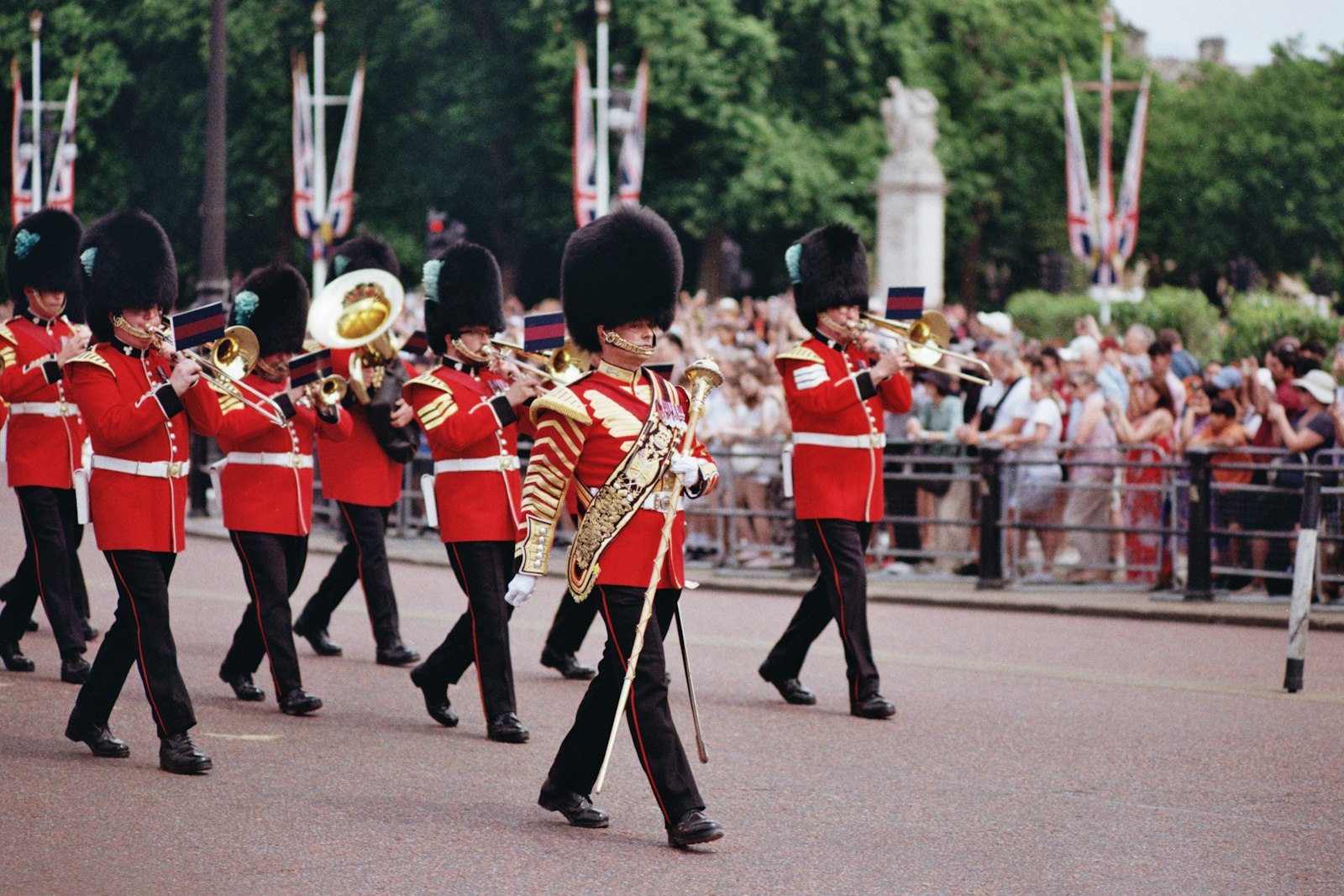
Trooping the Colour: An annual ceremony celebrating the monarch’s official birthday, featuring military precision and pageantry.
The Cultural Significance
British festivals reveal something essential about the culture: a love of tradition combined with enthusiasm for spectacle, a serious investment in the arts and culture, and a willingness to gather en masse to celebrate. Whether it’s thousands at Glastonbury getting muddy for music, crowds at Wimbledon maintaining strict dress codes, or entire neighborhoods organizing bonfires for Guy Fawkes Night, British festival culture is genuine, diverse, and deeply rooted in the culture’s identity.
Many festivals combine centuries of tradition with modern reinterpretation. They’re public celebrations in a culture that’s often reserved, moments where normal rules are suspended and collective joy is encouraged. Experiencing British festivals is experiencing Britain at its most vibrant.




Leave a Reply