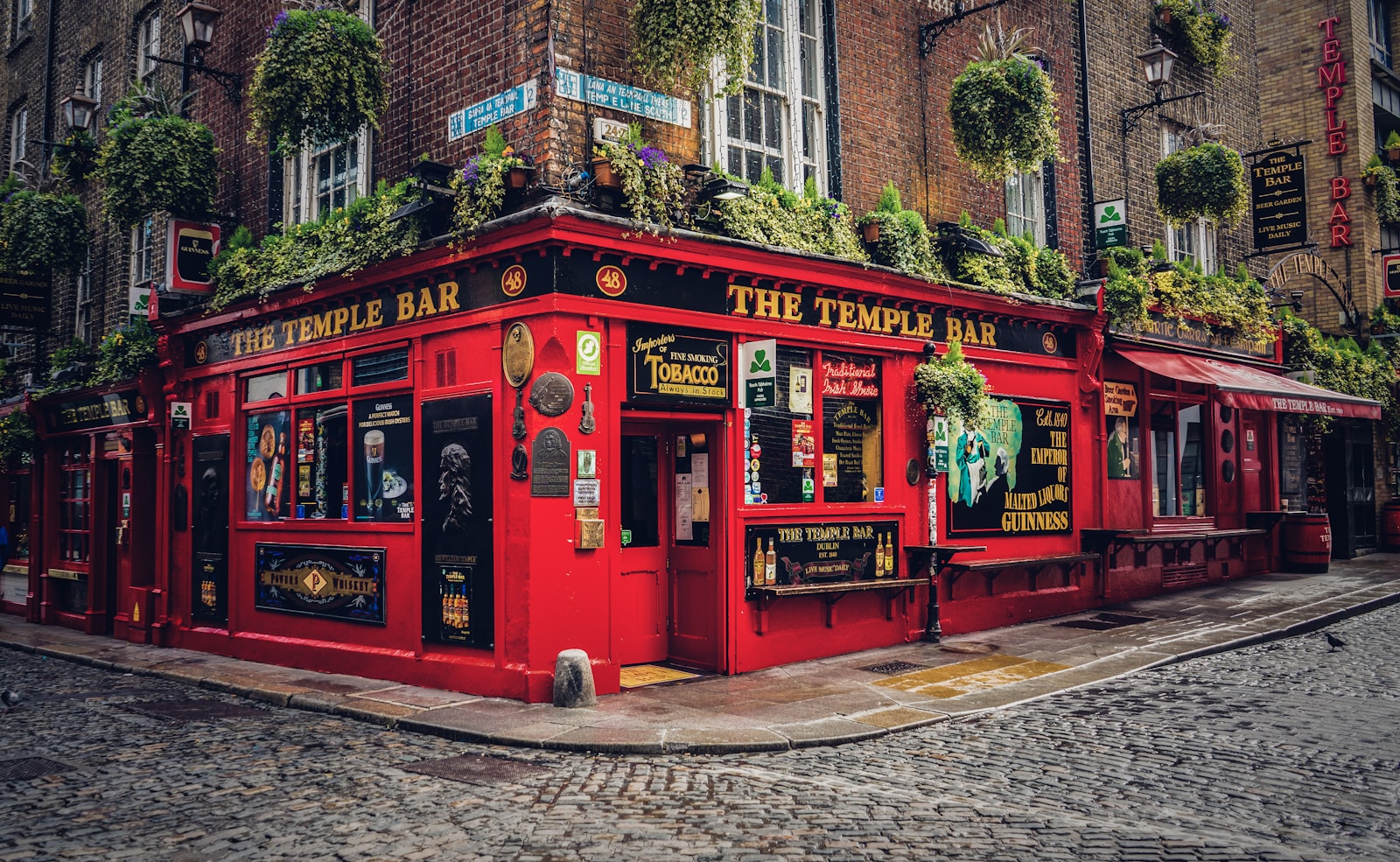
If you want to truly understand Britain, you’ll need to spend time in a pub. Not as a casual visitor, but as a regular-in-the-making. The pub is the beating heart of British social life—a place where conversations flow as freely as the beer, where strangers become friends over a pint, and where centuries of tradition meet everyday conviviality. For Americans accustomed to bars with table service and individual transactions, British pub culture can feel refreshingly foreign and wonderfully antiquated. Here’s everything you need to know to navigate this distinctly British institution.
The Historic Soul of the Pub
British pubs have been around for over a thousand years. The word “pub” is shorthand for “public house,” and that’s exactly what it is—a house for the public. Unlike American bars, which are primarily drinking establishments, British pubs function as community centers where you might grab a pint, enjoy a meal, watch the football, play darts, or simply sit and read the newspaper for hours without anyone batting an eye.
Many of the pubs you’ll visit have been operating from the same location for centuries. Some date back to medieval times, when they served as waypoints for travelers and pilgrims. These historic establishments often have uneven floorboards, low ceilings (built when people were shorter), and an atmosphere so thick with history you could cut it with a knife.
How to Order: The Bar Service System
Here’s where American pub etiquette needs a complete overhaul. In traditional British pubs, there’s no table service. You walk up to the bar, wait for the bartender (called a “barmaid” if female, or simply the “barman”), catch their eye, and order directly. Yes, you’ll stand at the bar. Yes, it can be crowded. Yes, this is completely normal and expected.
The bartender will pour your drink, and you’ll pay immediately at the bar. There’s no running a tab—though some regulars have standing arrangements with their local pub. Tipping is not mandatory but is appreciated (a pound or two, or rounding up). Unlike American bars, you won’t see tip jars aggressively winking at you.
When ordering, you’ll need to know what you want. The beer selection can range from a handful of options in a tiny country pub to dozens in a larger establishment. Don’t expect the bartender to describe every option—just ask for what you want or ask for a recommendation if you’re stuck.
The Sacred Rounds System
One of the most distinctly British pub customs is the rounds system. If you’re out with friends, one person buys a round of drinks for everyone. Then, in turn, each person buys the next round. This system ensures that everyone gets a turn buying and that no one person is stuck paying all night.
The rounds system carries an unspoken etiquette. If someone buys you a drink, you’re obligated to buy them one back. Leaving before your round comes up is considered bad form. If you’re nursing a drink and someone orders a round, you’re expected to accept and reciprocate. This isn’t about the money—it’s about community and fairness.
Real Ale and CAMRA Culture
Britain has experienced a craft beer revolution, but it started decades ago with the Campaign for Real Ale (CAMRA), founded in 1971. CAMRA crushed against the big breweries’ push toward bland, fizzy, mass-produced lager. Today, real ale—defined by CAMRA as beer that’s naturally conditioned in the cask and served without gas—remains a point of pride.
Real ales are typically English ales, bitters, milds, and IPAs. They’re warmer than the ice-cold beers Americans prefer and often have subtle, complex flavors. You’ll find cask ales served from hand pumps behind the bar, and serious pub-goers will ask the bartender which cask has just been tapped. Some pubs are real ale temples, rotating through dozens of regional breweries.
If you’re unsure what to order, ask for a “bitter” or a regional ale from a local brewery. Don’t expect it to be as cold as American beer—the flavor is meant to shine through at cellar temperature, around 50-55 degrees Fahrenheit. Yes, it takes adjustment. Yes, it’s worth it.
Pub Etiquette and Unwritten Rules
The British pub is governed by invisible rules that everyone somehow knows. Here are the essential ones:
Don’t hover near the bar if you’re not ordering. The bar is for people waiting to order or standing in conversation while they drink. If you’re in a booth or seating area, stay seated.
Don’t save seats with your coat or bag if the pub is crowded. There’s an honor system, but blatantly blocking multiple seats during peak hours makes you a villain.
Don’t be loud. British pubs are meant for conversation at normal volume. If you’re shouting over friends, you’re doing it wrong. The exception is during major football matches, when some noise elevation is permitted.
Do greet the regular customers if you visit repeatedly. The pub regular is a revered figure in British culture. If you become one, you’ll be greeted by name, your usual drink will be waiting, and you’ll be part of something genuinely special.
Don’t expect strong drinks. A standard pint is around 4-5% ABV. American craft IPAs at 8% are considered rather potent. Start with something standard before experimenting.
Pub Gardens and Seasonal Culture
During summer, British pubs transform. Nearly every pub worth its salt has a beer garden—an outdoor space ranging from a single picnic table to an elaborate courtyard. The pub garden is central to British summer social life. On warm evenings, the gardens are packed with people soaking up rare sunshine.
Many pubs feature additional attractions: a skittles alley (a traditional bowling game), a cricket pitch out back, or a dog-friendly policy that brings people and their pets together. The village pub, in particular, often sits at the center of community life.
The Gastropub Revolution
Starting in the 1990s, a new kind of pub emerged: the gastropub. These establishments elevated pub food from mass-produced pies and greasy chips to restaurant-quality cuisine. The gastropub maintains the casual atmosphere and community spirit of a traditional pub while offering sophisticated food menus with locally sourced ingredients and creative cooking.
This revolution saved many struggling rural pubs and brought younger demographics in. Today, the best gastropubs offer Michelin-level cuisine in a casual setting. You can have a pint and a gourmet meal without the pretension of a formal restaurant. This is British dining at its best.
Sunday Roast: The Weekly Ritual
Nearly every British pub serves a Sunday roast, and this is a tradition worth participating in. The roast typically features a choice of proteins (beef, chicken, lamb, or pork), roasted vegetables, Yorkshire pudding, and gravy. It’s comfort food elevated to an art form, and it’s usually excellent value.
The Sunday roast is a social event. Families, friends, and regulars gather for their weekly roast. It’s particularly popular in countryside pubs, where people drive from surrounding villages for a proper roast. Arrive early on Sundays, as popular roasts can sell out.
Free Houses vs Tied Houses
Not all pubs are created equal in terms of ownership. A “free house” is independently owned and can stock beers from any brewery. A “tied house” is owned by a large brewery and must stock that brewery’s beers. Free houses often have more interesting beer selections and more independence in their food offerings.
Neither is inherently better—tied houses often have excellent beer selections from their brewery, and some tied houses to regional breweries are beloved local institutions. But if you’re seeking variety and independence, look for the “free house” designation.
Historic Pubs Worth Visiting
In London: The George Inn (a coaching inn from the 1670s), Ye Olde Cheshire Cheese (rebuilt after the Great Fire of 1666), and The Churchill Arms (beloved by locals and tourists alike for its ivy-covered exterior).
In the Countryside: The Turf Tavern in Oxford (accessible only through a tiny alley, serving locals since the 1600s), The Tan Hill Inn in Yorkshire (Britain’s highest pub at 1,732 feet), and countless village pubs that have served the same community for centuries.
The Bottom Line
A British pub is more than a place to drink. It’s a cultural institution, a community hub, and a time capsule. Whether you’re in a rambling village pub with a fireplace and a dog napping by the bar, or a bustling urban establishment with a carefully curated real ale selection, you’re participating in something deeply, authentically British. Respect the unwritten rules, embrace the rounds system, try a real ale, and settle in for the evening. You might just understand Britain a little better by closing time.




Leave a Reply