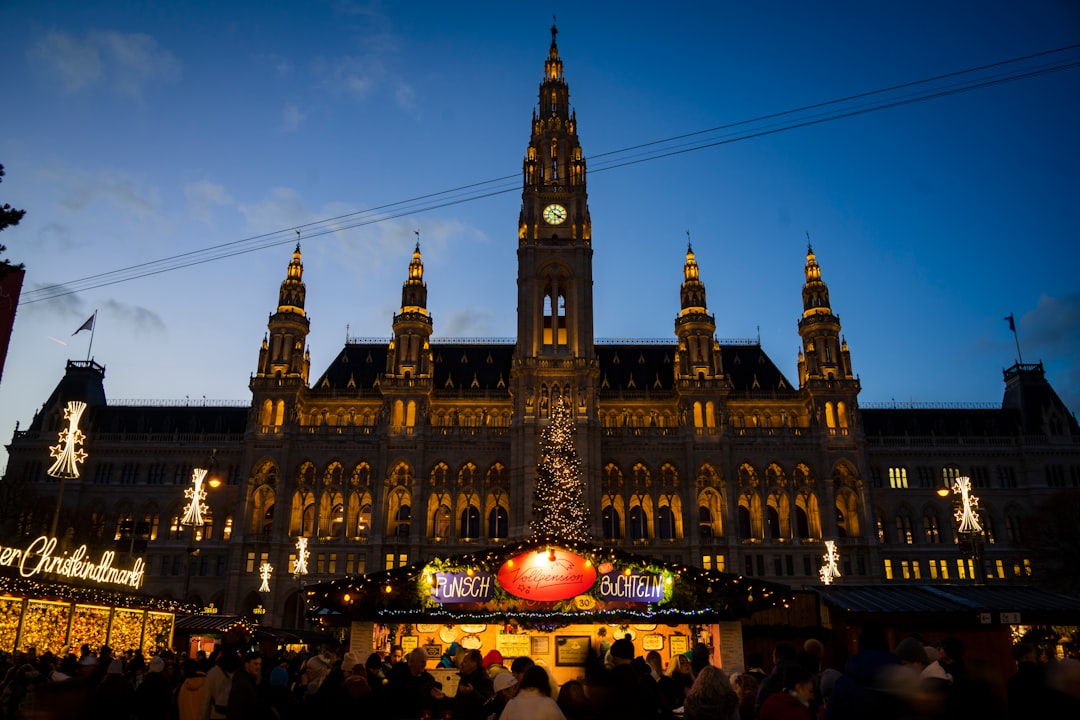
When the first chill of November settles over the continent, something magical happens in the squares and plazas of European cities. Wooden stalls materialize overnight, strung with lights and draped in pine boughs. The air fills with the scent of cinnamon, roasting almonds, and mulled wine. The Christmas market — Weihnachtsmarkt, marché de Noël, mercatini di Natale — is one of Europe’s most beloved traditions, and choosing which ones to visit is a delicious dilemma. Here is our ranking of the continent’s finest, based on atmosphere, authenticity, food, and sheer holiday joy.
1. Strasbourg, France — The Capital of Christmas
Strasbourg has hosted a Christmas market since 1570, making it one of the oldest in Europe, and it wears that heritage with dazzling pride. The city installs a massive tree in Place Kléber, and the half-timbered houses of La Petite France district look like they belong in a storybook. With over 300 stalls spread across multiple locations, the market offers Alsatian specialties like bredele cookies, foie gras, and vin chaud spiced with star anise. The blend of French and German traditions — a hallmark of Alsace — gives Strasbourg a character no other market can replicate.
2. Nuremberg, Germany — The Christkindlesmarkt
The Nuremberg Christkindlesmarkt is arguably the most famous Christmas market in the world. Held in the Hauptmarkt since the mid-sixteenth century, it opens with a ceremony featuring the Christkind — a golden-winged angel figure who reads a prologue from the balcony of the Frauenkirche. The market is known for its strict quality standards: only traditional handcrafted goods and local foods are permitted. Do not miss the Nuremberg Bratwurst (small, marjoram-seasoned, served three to a bun) and the Lebkuchen, the spiced gingerbread that has been the city’s calling card for centuries.
3. Vienna, Austria — Elegance and Abundance
Vienna does not have one Christmas market — it has over twenty. The grandest occupies the plaza in front of the Rathaus (City Hall), where a towering tree and thousands of lights create a backdrop of imperial splendor. For a more intimate experience, head to the market at the Belvedere Palace or the charming Spittelberg quarter, where narrow lanes are lined with artisan stalls. Viennese Punsch — a potent hot fruit punch served in collectible mugs — is the drink of choice, and the Kartoffelpuffer (potato pancakes) are irresistible.
4. Prague, Czech Republic
Old Town Square, with the twin spires of Týn Church rising behind the stalls, provides one of the most photogenic market settings in Europe. Prague’s market excels in affordability — this is one of the few Christmas markets where you can eat and drink your fill without depleting your travel fund. Try trdelník (a chimney cake coated in cinnamon sugar), klobása (grilled sausage), and svařené víno (mulled wine). The market runs from late November through early January, longer than most competitors.
5. Cologne, Germany
With seven distinct markets scattered across the city, Cologne offers remarkable variety. The market at the base of the Cathedral is awe-inspiring — the massive Gothic structure looms above the stalls like a medieval guardian. The Angel Market on Neumarkt is known for its stage performances, while the Harbor Market in the Rheinauhafen district offers a hip, modern take on the tradition. Kölsch beer flows alongside Glühwein here, because this is Cologne, and Kölsch is always flowing.
6. Tallinn, Estonia
Tallinn’s medieval Old Town provides a fairy-tale setting that few cities can match. The market in Town Hall Square is compact but exquisite, surrounded by Gothic architecture and draped in snow more often than not. Estonia claims to have erected the first public Christmas tree in 1441 — predating Riga’s claim by one year — and the city takes its Christmas heritage seriously. Warm mead, blood sausage, and sauerkraut with barley keep the cold at bay.
7-10. Zagreb, Brussels, Copenhagen, and the Rest
Zagreb has won multiple “Best Christmas Market in Europe” awards from travel sites, and for good reason — the Croatian capital transforms into a wonderland of lights, ice rinks, and open-air concerts across Ban Jelačić Square and Zrinjevac Park. Brussels places its market around the Grand Place and the Bourse, with a spectacular sound and light show projected onto the surrounding guild houses. Copenhagen’s Tivoli Gardens, already enchanting year-round, becomes positively ethereal during December, when the historic amusement park glitters with 100,000 lights and Scandinavian crafts fill its market stalls.
A Note on Glühwein
No Christmas market discussion is complete without addressing mulled wine, the universal fuel of the season. German Glühwein is typically red wine mulled with cinnamon, cloves, and citrus. Austrian markets serve Punsch, which is fruitier and often spiked with rum. French vin chaud tends to be lighter and more subtly spiced. Estonian markets offer hõõgvein alongside warm mead. At every market, your first cup comes in a souvenir mug with a small deposit — return the mug for your money back, or keep it as a memento. Most travelers’ kitchen cabinets rattle with these mugs by their third European Christmas season.
Whatever market you choose, go in the evening when the lights are brightest and the atmosphere most magical. Bundle up, order something warm, and let the centuries-old spell of a European Christmas settle over you.




Leave a Reply