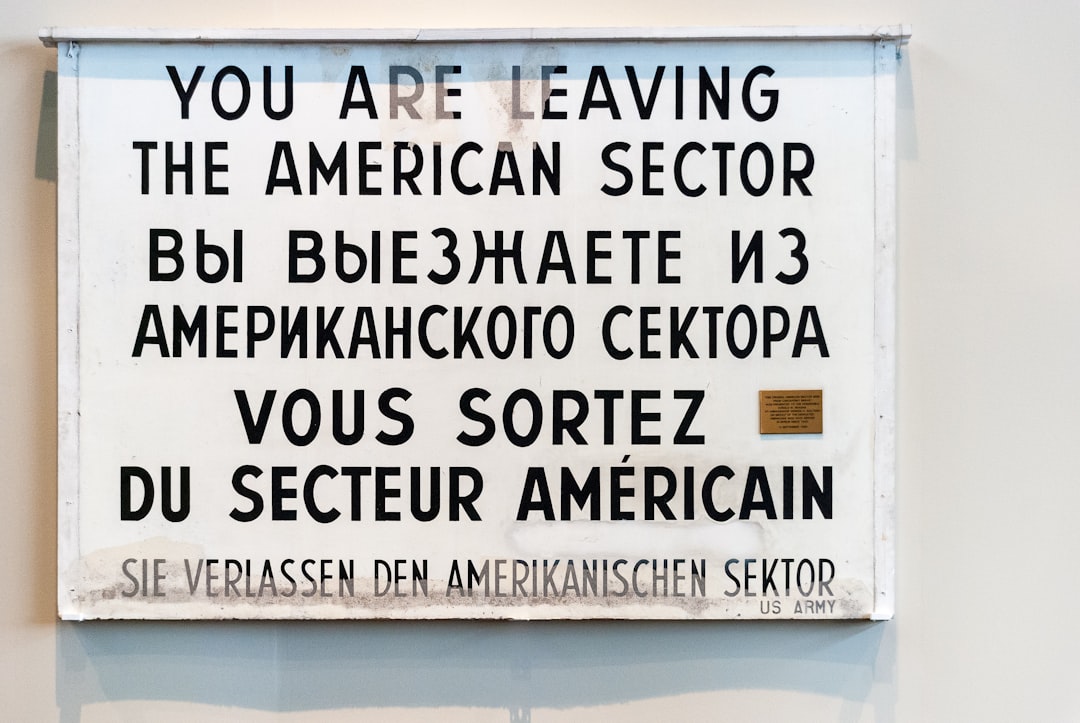
Paweł Pawlikowski’s Cold War (2018) is a stunning black-and-white meditation on love, politics, and national identity set against the backdrop of Cold War division between Eastern and Western Europe. Unlike Holocaust-focused films, Cold War presents Poland not as a victim but as a nation with a dynamic artistic culture, complex political positioning, and romantic landscape worth celebrating. The film won the Best Director award at Cannes and earned an Academy Award nomination, bringing international attention to contemporary Polish cinema and, importantly, to the Polish locations that serve as its visual and thematic heart.
The film follows Zula and Wiktor, two musicians who fall in love while working for a state-sponsored Polish folk ensemble in the 1950s. Their romance is set against the backdrop of post-war Poland’s artistic renaissance under communism and the broader Cold War divisions that split Europe. Pawlikowski chooses to tell this intimate story through breathtaking black-and-white cinematography that captures Poland’s striking landscapes and Warsaw’s complex urban environment.
For travelers, Cold War offers a different kind of cinema tourism than Holocaust-focused films. Here, you’re following a love story that bounces between Poland and Paris, Yugoslavia and Berlin, West and East. The film celebrates Polish artistry, music, and the resilience of people navigating impossible political circumstances. Visiting the filming locations means discovering Poland’s artistic heritage and understanding how the nation’s complex 20th-century history shaped its cultural identity.
Warsaw: The Beating Heart of Polish Culture
Much of Cold War unfolds in Warsaw, specifically exploring the city’s post-war artistic renaissance. Warsaw in the 1950s, when the film’s story begins, was a city emerging from total destruction yet experiencing a remarkable cultural flowering. Pawlikowski captures this paradox beautifully through filming in locations that commemorate both destruction and cultural achievement.
The Palace of Culture and Science dominates Warsaw’s skyline and appears prominently in Cold War. This massive Stalinist structure, completed in 1955, was a gift from Soviet dictator Joseph Stalin to Poland. While a symbol of Soviet occupation to some, it’s also genuinely impressive architecture that has become emblematic of Warsaw itself. The building houses museums, theaters, and cultural institutions and remains one of Europe’s tallest buildings when measured to its spire.
Pawlikowski filmed establishing shots using the Palace’s distinctive architecture, which frames Warsaw as a city caught between occupation and cultural ambition. The building’s complex history—imposed by a foreign power yet now accepted as part of Warsaw’s identity—mirrors the film’s central themes about navigating between East and West, freedom and constraint.
The National Theatre (Teatr Narodowy) appears in scenes depicting the state-sponsored folk ensemble where the main characters work. Located at Pl. Teatralny 3, this neoclassical building (rebuilt after wartime destruction) remains Poland’s most prestigious theatrical institution. The film captures Warsaw’s vibrant theatrical and musical scene, suggesting how even under communist rule, Poland maintained sophisticated artistic traditions.
Warsaw’s Streets and Architecture: Beyond specific named landmarks, Pawlikowski filmed throughout Warsaw’s reconstructed neighborhoods, using the city’s blend of pre-war architecture, socialist-era construction, and contemporary rebuilding as a visual metaphor for Poland’s historical complexity. Walking through the Old Town, the New Town, and residential neighborhoods gives you a sense of the city’s spatial and temporal layering that the film celebrates.
The film opens with documentary-style scenes of Polish folk musicians and countryside villages, establishing an aesthetic of Polish tradition. Then it moves to Warsaw’s urban sophistication, where state-sponsored folk culture becomes a vehicle for artistic expression and romantic possibility. This geographical and cultural movement from countryside to city, from tradition to modernity, anchors the film’s visual narrative.
Łódź: Poland’s Hollywood
Paweł Pawlikowski has deep connections to Łódź, home to Poland’s legendary film school (Państwowa Wyższa Szkoła Filmowa, Telewizyjna i Teatralna im. Leona Schillera w Łodzi). Though Cold War was shot primarily in Warsaw, Łódź deserves mention as the institutional heart of Polish cinema and Pawlikowski’s own artistic formation.
The Film School and Cinematography Museum: For cinema enthusiasts, Łódź offers the Cinematography Museum (Muzeum Sztuki Filmowej) and access to the film school’s campus. While not Cold War filming locations per se, these institutions represent the Polish cinema tradition that produced Pawlikowski, Andrzej Wajda, and Krzysztof Kieślowski—directors whose work has defined European cinema.
Pawlikowski’s choice to film Cold War in black and white reflects the cinematographic traditions of Polish cinema’s golden age. Watching the film and then visiting Łódź’s film institutions creates a richer understanding of Polish cinematic heritage and Pawlikowski’s place within it.
The Countryside: Poland’s Landscapes and Folk Traditions
Cold War opens with stunning sequences of Polish countryside, particularly focusing on folk musicians and traditional culture. The film emphasizes rural Poland’s beauty and the deep traditions that characterize the nation’s cultural identity, even as the film’s narrative moves toward urban modernity and eventual displacement.
While Pawlikowski doesn’t specify exact village locations for many countryside sequences, the visual aesthetic he captures—rolling hills, agricultural landscapes, traditional wooden structures, and folk musicians performing—represents the rural Poland that was central to the state’s cultural program. If you’re traveling through Poland’s countryside regions (particularly Małopolska and Greater Poland, the regions most associated with folk traditions), you’ll recognize the visual style Pawlikowski celebrates.
Folk Music Heritage Sites: To truly understand the culture depicted in Cold War, visiting Poland’s folk heritage centers provides invaluable context. The Museum of Folk Culture (Muzeum Kultury Ludowej) in various locations documents the traditions that the film’s opening sequences celebrate. Poland’s regional differences—between Silesian, Krakovian, Highlander (Góralskie), and other folk traditions—created a rich cultural texture that the film’s ensemble represents.
Jazz Clubs and Musical Warsaw: The Western Influence
A crucial thread in Cold War involves jazz—representing Western cultural influence, modernity, and romantic desire. Warsaw’s post-war jazz scene, suppressed during Stalinist cultural repression but emerging again as the Cold War “thawed,” becomes a metaphor for the forbidden Western culture that the characters desire.
Modern Warsaw has excellent jazz clubs that celebrate this heritage. Klub Stodoła and Piwnica pod Złotym Orłem offer contemporary jazz performances in historic settings. While not specific Cold War filming locations, visiting jazz clubs honors the film’s celebration of this transgressive art form and helps you understand the cultural context of post-war Polish identity.
The film itself includes musical performances, with jazz and folk music creating a soundtrack that reflects the cultural tensions between tradition and modernity, East and West.
The Film’s West: Paris and Yugoslavia
Cold War moves beyond Poland, with the narrative eventually taking the protagonists to Paris and Yugoslavia—representing the Western world and alternative non-Soviet communism respectively. While this part of the guide focuses on Polish locations, understanding the film’s geographical movement from Poland to Western Europe is crucial to its thematic significance.
The film uses this geographic movement to explore how Cold War divisions physically separated people and nations. Characters moving from Poland to France represents a literal crossing of the Iron Curtain—a feat that the film portrays as both exhilarating and devastating, exposing the human cost of political division.
For travelers interested in completing the full Cold War pilgrimage, the film’s Paris scenes were shot in the actual city, and Yugoslav scenes were filmed in the Balkans. However, the emotional and narrative heart of the film remains Polish—specifically, the tension between staying in Poland (constrained but culturally rooted) and escaping to the West (free but displaced).
The Broader Context: Polish Cinema and Cold War History
To meaningfully engage with Cold War, understanding Polish cinema’s broader tradition and Poland’s specific Cold War experience enriches the viewing. Poland was occupied first by Nazi Germany, then by Soviet forces—creating a uniquely complex relationship with communism. Unlike Eastern European nations that were simply conquered, Poland had a strong pre-war culture and tradition that both survived and was suppressed under Soviet rule.
The Polish cinema of the 1950s and 1960s, during the era depicted in Cold War, included filmmakers like Andrzej Wajda, who made socially critical films even within communist constraints. Cold War pays homage to this tradition of creating meaningful art under political constraint—a tradition that Pawlikowski himself continues.
Understanding this context—that Poland maintained sophisticated artistic institutions even under Soviet domination—helps you appreciate what Cold War celebrates: the resilience and creativity of Polish culture.
Practical Visiting Information
When to Watch First: Unlike Holocaust films where pre-visit viewing provides essential historical context, Cold War can be appreciated in various orders. Watching the film before traveling helps you recognize locations, but visiting Poland first and then watching the film afterward can create its own rewards—you’ll recognize the landscapes and understand the geography in embodied ways.
Getting Around Warsaw: Public transport is excellent. Trams and buses connect all major locations. A day pass costs approximately 15 PLN ($4). The Palace of Culture and Science, National Theatre, and Old Town are all accessible within an hour’s walk or short tram rides of each other.
Best Time to Visit: Spring and fall offer pleasant weather and manageable crowds. The film’s black-and-white cinematography is striking in all seasons, but gray, overcast days create visual continuity with the film’s aesthetic.
Accommodation: Warsaw has excellent hotels throughout the city center. Staying near the Old Town or central business district makes the Palace of Culture and these sites most accessible.
Cinema Context: Before or after your trip, research Polish cinema history. Reading about Andrzej Wajda, Krzysztof Kieślowski, and other Polish directors contextualizes Pawlikowski’s work within a rich tradition. Books like “Cinema of Poland” provide accessible overviews.
Music and Culture: Attending a performance at the National Theatre or catching live jazz at a Warsaw club honors the film’s celebration of artistic culture. Both are readily available throughout the year.
Language: Learning basic Polish phrases enhances interactions. Poles appreciate efforts to speak their language, and signage in major institutions is multilingual.
A Different Kind of Film Tourism
Cold War offers film tourism with a different emotional tone than Holocaust-focused cinema. Rather than confronting tragedy and remembrance, visiting these locations means celebrating artistic resilience, understanding national identity formation, and recognizing how love and creativity persist even amid political constraint.
Warsaw in Cold War is beautiful, vibrant, and creatively dynamic—not victimized or traumatized (though trauma clearly exists in the historical background). The film presents Poland as a nation with agency, artistic sophistication, and romantic possibility. This tone makes the pilgrimage different but equally meaningful.
Conclusion: Poland Through Artistic Vision
Paweł Pawlikowski’s Cold War is essentially a love letter to Poland—to its artistic traditions, its landscapes, its people’s capacity for beauty and connection amid constraint. Visiting the filming locations means exploring a nation through the eyes of one of contemporary European cinema’s most important directors.
Walking through Warsaw’s reconstructed neighborhoods, visiting the Palace of Culture and the National Theatre, and immersing yourself in Polish folk music and jazz traditions all contribute to understanding what Pawlikowski celebrates: a nation that refused to be defined solely by occupation or tragedy but instead asserted its cultural identity and artistic sophistication.
The film’s black-and-white cinematography immortalizes Poland as both historical and timeless—a place where tradition meets modernity, where personal desire collides with political reality, where music and art become acts of resistance and affirmation.
Recommended Resources
- Film: Cold War (2018) directed by Paweł Pawlikowski
- Books: “Cinema of Poland” for historical context about Polish filmmaking
- Documentary: “Paweł Pawlikowski: An Artist’s Journey” (available on various streaming platforms)
- Before Visit: Listen to Polish folk music and jazz to familiarize yourself with the film’s soundtrack
- In Warsaw: Visit the National Museum’s contemporary art galleries to see Polish artists’ work from the period depicted
- Music: Seek out recordings of the music from Cold War‘s soundtrack for continued aesthetic immersion




Leave a Reply