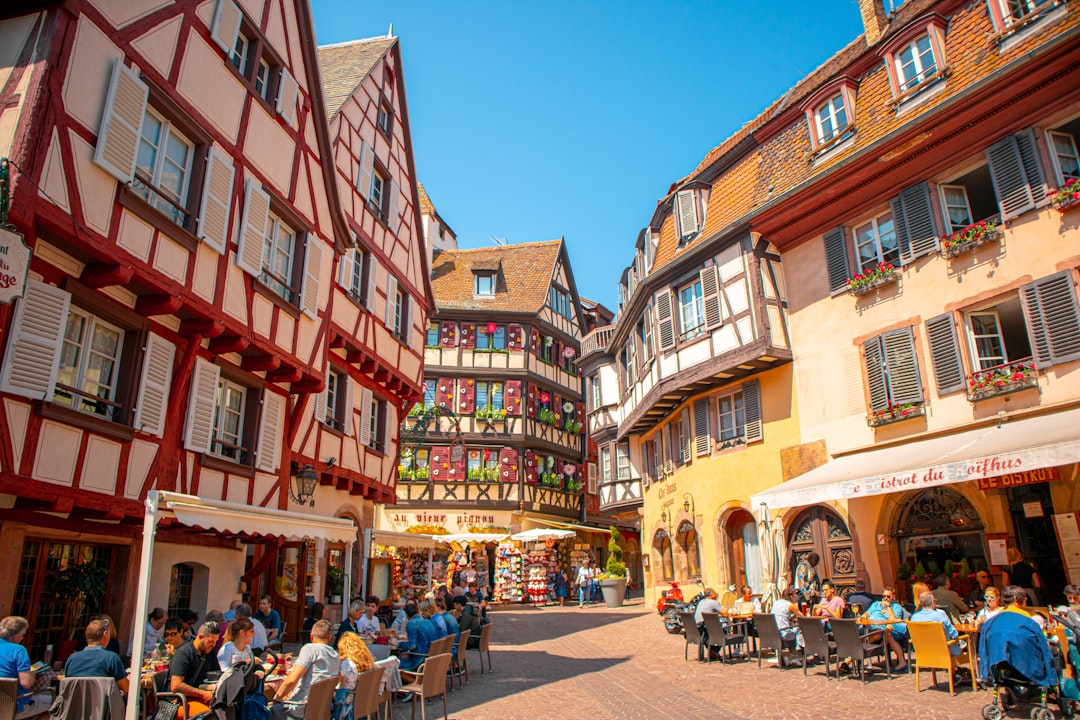
Introduction: Czechia’s Affordability Advantage
One of the primary reasons Americans relocate to the Czech Republic is the dramatically lower cost of living compared to major US cities. Prague remains affordable compared to New York, San Francisco, or Boston, while cities like Brno, Plzeň, and Ostrava offer even greater value.
But “affordable” is relative. Prague has experienced significant price inflation in recent years, and costs for expats can vary dramatically based on lifestyle choices. This article provides detailed breakdowns across categories, city comparisons, and monthly budgets in both Czech crowns (CZK) and US dollars (USD).
Current Exchange Rate Reference: 1 USD ≈ 23-25 CZK (exchange rates fluctuate; check XE.com or OANDA for current rates)
City Comparison: Where to Live and What It Costs
Prague (Praha)
Prague is the capital and most expensive Czech city. It’s also the most touristy, has the most English speakers, and the largest expat community.
Rent Costs
- One-bedroom apartment, city center: CZK 15,000-22,000/month (USD $615-900)
- One-bedroom apartment, outer districts: CZK 10,000-15,000/month (USD $410-615)
- One-bedroom apartment, suburbs: CZK 8,000-12,000/month (USD $330-490)
- Two-bedroom apartment, good neighborhood: CZK 18,000-28,000/month (USD $740-1,150)
Popular expat-friendly neighborhoods and their approximate rent:
Pro Tip: Rent in Prague’s outer districts (like Smíchov, Libuš, or even Kunratice) is 30-40% lower than central areas, yet public transport is excellent. You can live cheaply and still have quick metro/tram access to the city center.
Brno (Second-Largest City)
Brno offers excellent value and is often called the “Prague alternative.” It has a substantial expat community, two universities, thriving tech sector, and lower costs.
Rent Costs
Popular neighborhoods:
Why Brno? Rent is 30-40% lower than Prague, quality of life is high, expat community is welcoming, job market is growing (especially tech), and local culture is authentic without tourism overload.
Plzeň (Pilsen)
Known internationally for Pilsner beer, Plzeň is an industrial city undergoing revitalization. Costs are significantly lower than Prague or Brno.
Rent Costs
Characteristics: Blue-collar, working-class city; fewer expats; authentic Czech experience; major brewery tourism; reasonable salaries for those seeking employment.
Ostrava (Northeastern City)
Ostrava is the poorest and cheapest major Czech city, with ongoing industrial decline but genuine character and very affordable living.
Rent Costs
Best For: Those seeking maximum affordability, those with Czech employment, digital nomads on tight budgets, those seeking authentic Czech experience away from tourism.
Smaller Cities and Towns
Cities like Ceské Budějovice, Olomouc, Liberec, and Jihlava offer rent of CZK 4,000-7,000 for one-bedroom apartments (USD $165-290). These towns offer:
Housing Deposits and Rental Costs
Standard Rental Deposit (Kauce): Most landlords require a security deposit equivalent to 2-3 months’ rent. This is refundable at lease end if no damage. Some landlords request final month’s rent as non-refundable deposit.
Utilities and Additional Costs:
Total Housing Cost (Prague, mid-range): CZK 12,000-16,000/month (USD $490-655) for rent plus utilities in an outer district apartment.
Groceries and Food Costs
Czech supermarkets are cheap. Major chains include Albert, Tesco, Billa, and Lidl, with Albert and Tesco being most prevalent.
Sample Grocery Costs (per item, CZK)
Monthly Grocery Budget
For an individual eating mostly home-cooked meals:
Pro Tip: Markets (especially farmers markets) offer better prices than supermarkets. Weekend markets in Prague’s neighborhoods like Žižkov or Vinohrady have excellent produce, cheese, and prepared foods at lower prices.
Dining Out and Restaurants
Czech food is inexpensive and delicious. Restaurant pricing varies significantly by location and quality:
Budget/Traditional Czech Restaurants (Hospoda)
Mid-Range Restaurants (Prague, Central Location)
Upscale Restaurants (Prague, Vinohrady)
Fast Food Options
Monthly Dining Out Budget (eating out 3-4 times weekly): CZK 4,000-7,000 (USD $165-290)
Beer: The Heart of Czech Culture
Beer is ubiquitous, affordable, and exceptional in Czechia. Czechs consume more beer per capita than any country globally.
Beer Prices:
Czechia is literally the cheapest beer in Europe. A night of drinking in a hospoda can cost as little as CZK 150-250 (USD $6.15-10.25) for an evening, including food.
Transportation Costs
Prague Public Transport
The city has excellent, affordable public transport (metro, trams, buses).
Ticket Pricing:
Lítačka Card: The rechargeable smart card used throughout Czech public transport. Get one (free) at any metro station; load passes onto it via ticket machines.
Brno and Other Cities
Public transport is similarly affordable:
Taxis and Rideshare
Car Ownership
Most expats in Prague don’t own cars (public transport is superior). However, costs for those who do:
Healthcare Costs
Healthcare is covered by mandatory insurance, but out-of-pocket costs apply.
Health Insurance (mandatory):
Out-of-Pocket Medical Costs:
Tip: With mandatory insurance, costs are minimal. Medical quality is comparable to or exceeds the US, with dramatically lower costs.
Taxes for Residents
Personal Income Tax: 15% flat rate (one of Europe’s lowest)
Health Insurance: ~9% of gross salary (combined employer/employee)
Social Security: ~29.2% combined employer/employee
VAT (Sales Tax): 21% standard rate (applies to most purchases)
Example: A self-employed person earning CZK 50,000/month (USD $2,050):
For employed persons, employers cover employer-side taxes, so employee net is higher.
Entertainment and Recreation
Internet and Communications
Providers: T-Mobile, Vodafone, O2, and Lebara are popular. Plans are month-to-month and very flexible.
Complete Monthly Budget Examples
Minimal Budget (Single Person, Outside Prague)
Comfortable Budget (Single Person, Prague)
Generous Budget (Single Person, Prague)
Comparison to US Living Costs
Prague to New York City Rent Comparison:
Prague to San Francisco Rent Comparison:
Overall Cost of Living (Numbeo Index):
Hidden Costs and What to Budget Extra For
Pro Tips for Minimizing Costs
- Avoid city centers. Live in outer districts with tram access; rent is 40% lower, quality of life barely affected.
- Embrace Czech food. Traditional Czech cuisine (goulash, svíčková) is delicious and costs CZK 100-150 per meal in restaurants.
- Shop at Lidl. Consistently cheapest supermarket for quality products.
- Use public transport. Taxis and Uber can quickly inflate monthly costs; get the 30-day pass.
- Eat lunch specials. Many restaurants offer lunch menus (oběd) at 30-50% discount from dinner prices.
- Visit farmers markets. Weekend markets have cheaper produce than supermarkets and more authentic experience.
- Be strategic about dining out. Budget restaurants and hospodas are genuinely good; pay premium prices only for special occasions.
- Join expat groups. Facebook groups and Meetup facilitate apartment swaps, shared rentals, and money-saving tips.
Conclusion
The Czech Republic remains one of Europe’s most affordable countries for Western expats. Prague, while rising in cost, is still dramatically cheaper than major American cities. Brno, Plzeň, and smaller cities offer even greater value without sacrificing quality of life.
A comfortable lifestyle in Prague—including a nice apartment in a good neighborhood, quality food, regular dining out, and entertainment—is achievable on USD $1,500-2,000 monthly. Outside Prague, that same lifestyle costs USD $900-1,400.
Compare this to US costs: a comparable lifestyle in New York, San Francisco, or Boston would cost USD $3,500-6,000 monthly. The financial advantage of living in Czechia is substantial and a major draw for American relocators.
Plan your budget conservatively, arrive with 3-6 months of expenses in reserve, and you’ll find the actual cost of living often lower than expected.




Leave a Reply